Rhomboid Massage for Pain Between the Shoulder Blades

STILL Massage + Skin • March 25, 2026

Share this article

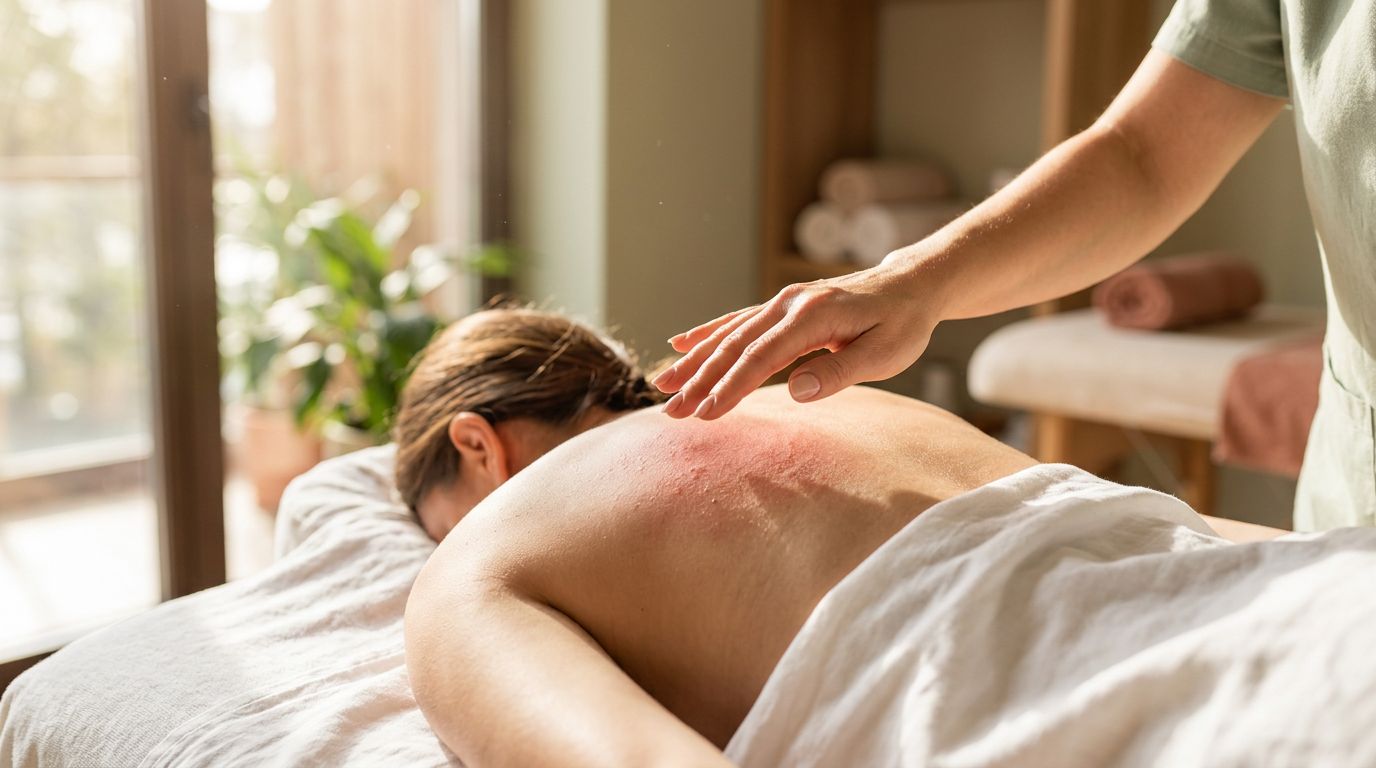
That nagging ache between your shoulder blades can make a normal day feel much longer. You sit, drive, work, or sleep, and the spot keeps calling for attention. For many people, that tight, pinching feeling comes from the rhomboids, the muscles that help pull the shoulder blades back and support good posture.

A well-planned rhomboid massage can calm tension, improve movement, and make the whole upper back feel less guarded. It's not magic, and it's not the answer for every kind of pain. Still, when the problem is muscle tightness, trigger points, or overuse, massage can feel like someone finally turned down the volume.

Why pain shows up between the shoulder blades

The rhomboids sit in the upper back, between the spine and the shoulder blades. They help steady the shoulder girdle and support pulling movements. Because of that, they work more than most people realize.

Pain often builds here for simple reasons. Long hours at a desk can leave the shoulders rounded forward. Stress can make you brace without noticing. Reaching, lifting, rowing, golfing, or even sleeping in an awkward position can also irritate the area.

Sometimes the pain feels dull and broad. Other times it feels like a knot the size of a marble. You may even notice it travel toward the neck or shoulder. In many cases, that "hard knot" is a trigger point, a small band of tight muscle that refers pain nearby.

Common signs of rhomboid strain or tension include:

  • Aching between the spine and shoulder blade
  • Tender spots that hurt when pressed
  • Pain with twisting, reaching, or pulling
  • Stiffness after sitting for too long
  • A sense that your upper back needs to "pop"

That said, not every pain in this area starts in the rhomboids. Joint irritation, neck problems, rib issues, and nerve pain can show up in a similar spot. Because of that, context matters.

If pain is sharp, causes numbness, follows an injury, or comes with chest pain or shortness of breath, get medical care right away.

For everyday muscle tension, though, massage can be a strong next step. It helps because it treats both the sore spot and the larger pattern around it, including the neck, shoulders, chest, and mid-back.

How rhomboid massage helps relieve upper back pain

A good rhomboid massage does more than rub the sore area. Think of it like loosening a stuck zipper. The knot you feel may be one tooth in a larger chain of tension.

First, massage increases local blood flow. That can help the tissue feel warmer, softer, and less guarded. Next, steady pressure can calm trigger points that keep the muscle in a shortened, irritated state. As a result, the sharp "pinch" between the shoulder blades often eases.

Massage also helps the nervous system settle down. When a muscle has been tight for days or weeks, the body starts protecting it. That protection can show up as stiffness, shallow breathing, or a shoulder that creeps upward. Skilled bodywork tells the body it's safe to let go.

A session focused on this area may include:

  • Slow pressure along the inner edge of the shoulder blade
  • Work on the traps, levator scapulae, and rear shoulder
  • Gentle release through the chest, since tight pecs pull the shoulders forward
  • Stretching or movement to help the shoulder blade glide better

Many people feel the biggest change when massage addresses the whole posture pattern, not just the hot spot. Rounded shoulders and a forward head position often keep the rhomboids overworked. So even when the pain is "back there," part of the fix may be in the front of the body.

If you're dealing with regular upper back tension, customized massage therapy can target the rhomboids, neck, and shoulders in one session. That kind of focused work often helps when general relaxation massage hasn't been enough.

What a rhomboid massage session may feel like

Most people expect deep pressure right away. Often, that's not the best start. When the tissue is already irritated, too much force can make it tighten even more.

A therapist will usually warm the area first. That may include broad strokes across the upper back, gentle compression, and work through nearby muscles. Then they may move into slower, more exact pressure around the border of the shoulder blade.

You might feel tenderness, but you shouldn't feel trapped or unable to breathe through it. "Good pain" during massage usually feels productive, warm, and easing. Bad pain feels sharp, electric, or alarming.

Breathing matters here more than people think. When you inhale fully and let the ribs expand, the muscles around the shoulder blades often soften. That's why a therapist may ask you to take a deep breath, move your arm, or slowly squeeze the shoulder blade back.

After the session, the area may feel lighter, warmer, or slightly sore for a day. That mild soreness is common, especially if the muscle has been tight for a long time. Drinking water, moving gently, and avoiding heavy strain that day can help.

Results vary. Some people feel relief after one session. Others need repeat work because the tension has been building for months. If posture, stress, or repetitive work caused the problem, your body may need time to break the pattern.

How to keep rhomboid pain from coming back

Massage works best when you pair it with simple daily habits. Otherwise, it's like mopping the floor while the faucet is still running.

Start with posture breaks. Every 30 to 60 minutes, stand up, roll the shoulders, and let your arms hang heavy. Then gently open the chest and breathe into the ribs. Small resets done often beat one long stretch at the end of the day.

Strength matters too. Weak upper back muscles tire fast, and tired muscles get tight. Light rows, band pull-aparts, and wall angels can help support better shoulder blade control. Move slowly and stop if pain increases.

Also, look at your setup. A laptop that sits too low, a steering wheel grip that's too tense, or a side-sleeping position with poor pillow support can all keep the area irritated.

Finally, pay attention to stress. Many people store tension between the shoulder blades the same way others clench the jaw. If you tend to brace there, regular bodywork may help you catch it sooner.

Pain between the shoulder blades can feel stubborn, but it often responds well to the right approach. Rhomboid massage can ease tension, calm trigger points, and help your upper back move more freely again. When combined with better movement and posture habits, relief tends to last longer, and that constant knot starts losing its grip.

Recent Posts

By STILL Massage + Skin March 25, 2026
Rounded shoulders don't just change how you look. They can make your chest feel tight, your neck tired, and your upper back overworked. Often, a small muscle under the chest is part of the problem. Pec minor massage helps loosen that hidden pull, so the shoulders can sit in a...
By STILL Massage + Skin March 24, 2026
That ache in the front of your shoulder can make simple tasks feel annoying, from reaching into a cabinet to fastening a seat belt. When the pain comes from the biceps tendon, massage can help, but it shouldn't feel like someone is grinding on a bruise. Biceps tendonitis massa...
By STILL Massage + Skin March 23, 2026
Finished a few pickleball games and now your inner thigh feels like a pulled rubber band? That stiff, grabby feeling often points to the adductors, the muscles along the inner thigh that help you push off, change direction, and stay balanced. When the problem is mild muscle ti...
By STILL Massage + Skin March 22, 2026
When your pinky keeps going numb, it can feel like a switch keeps flipping in your hand. Often, the source is not the finger itself. It's the ulnar nerve, which commonly gets irritated near the inside of the elbow. That's where cubital tunnel massage can help, but only when it...
By STILL Massage + Skin March 21, 2026
One-sided neck pain has a way of taking over the day. You turn your head to back out of the driveway, glance at your phone, or look down at your laptop, and one sharp, stubborn spot lights up. In many cases, a levator scapulae massage is meant to calm the muscle that links the...
By STILL Massage + Skin March 20, 2026
Ever finish a run feeling fine, then tighten up the second you stop moving? That post-run stiffness is common, and it can make even an easy walk feel awkward. Your hamstrings do a lot of work with every stride, so they often complain when mileage, speed, or hills start stackin...
By STILL Massage + Skin March 19, 2026
Sore after leg day and not sure which massage to book? When it comes to deep tissue vs sports massage , the best choice depends on your goal, not your pain tolerance. Deep tissue massage helps most when tension has built up over time. Sports massage makes more sense when your...
By STILL Massage + Skin March 18, 2026
That tight, burning feeling along the front of your shin can make every step feel louder. If you've been walking more, running hills, or standing for long shifts, the lower leg may be asking for a reset. A shin splints massage can help when front shin tightness comes from over...
By STILL Massage + Skin March 17, 2026
That sharp, nagging ache along your shin can make a simple walk feel like a workout. Add tight calves, and each step can feel like a rubber band pulling on your lower leg. If you've been wondering whether shin splints massage can help, you're in the right place. Massage won't...
By STILL Massage + Skin March 16, 2026
That nagging ache on one side of your low back can feel personal. It grabs when you roll in bed, stand from a chair, or carry groceries on one hip. Often, the culprit is a small but stubborn muscle called the quadratus lumborum massage target, usually shortened to "QL." When i...
Show More