Massage for Tailbone Pain After Sitting: What to Expect

STILL Massage + Skin • May 2, 2026

Share this article

A sore tailbone can turn a normal chair into a problem. One long meeting, a car ride, or a hard bench can make every shift feel sharp and annoying.

Tailbone pain massage can help when the pain comes from tight muscles, protective tension, or strain around the lower back and hips. The best sessions focus on comfort first, because pressing hard on the area is usually the wrong move.

Why sitting makes tailbone pain so stubborn

The tailbone sits at the base of the spine, where pressure builds fast. When you sit for a long time, the area takes a lot of load, especially on firm surfaces.

That pressure does more than irritate the bone itself. Nearby muscles often tighten, and your body starts guarding the area. Soon, the pain can spread into the glutes, low back, or hips.

Sitting posture matters too. Slumping, leaning back, or staying still for too long can all keep the area irritated. Even standing up can sting if the muscles have locked down.

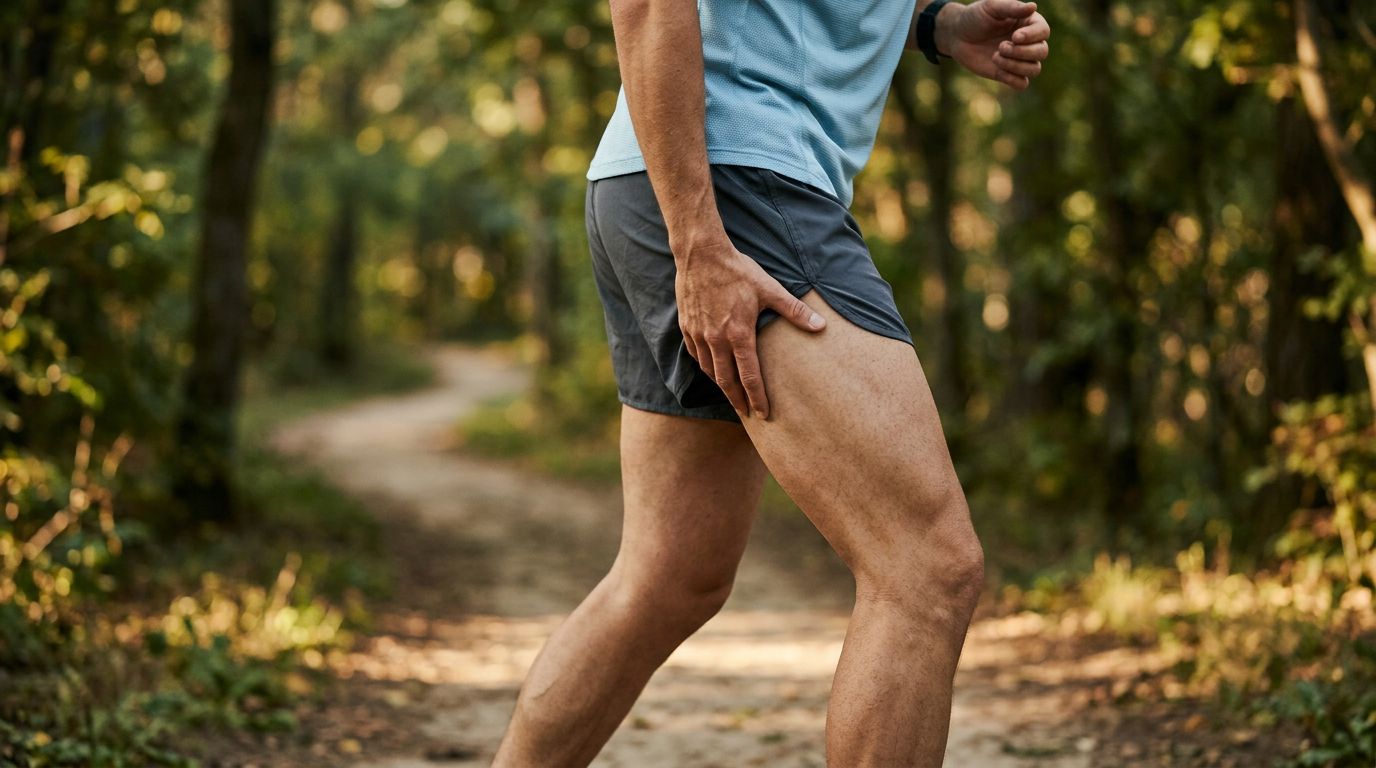
This is why people often notice pain after desk work, driving, cycling, or a hard workout. Sometimes the issue starts after a fall. Other times, it builds slowly from repeated sitting.

Massage can help by easing the tension around the tailbone. It gives the surrounding tissues a chance to relax, which can make sitting feel less brutal.

How massage can help tailbone pain

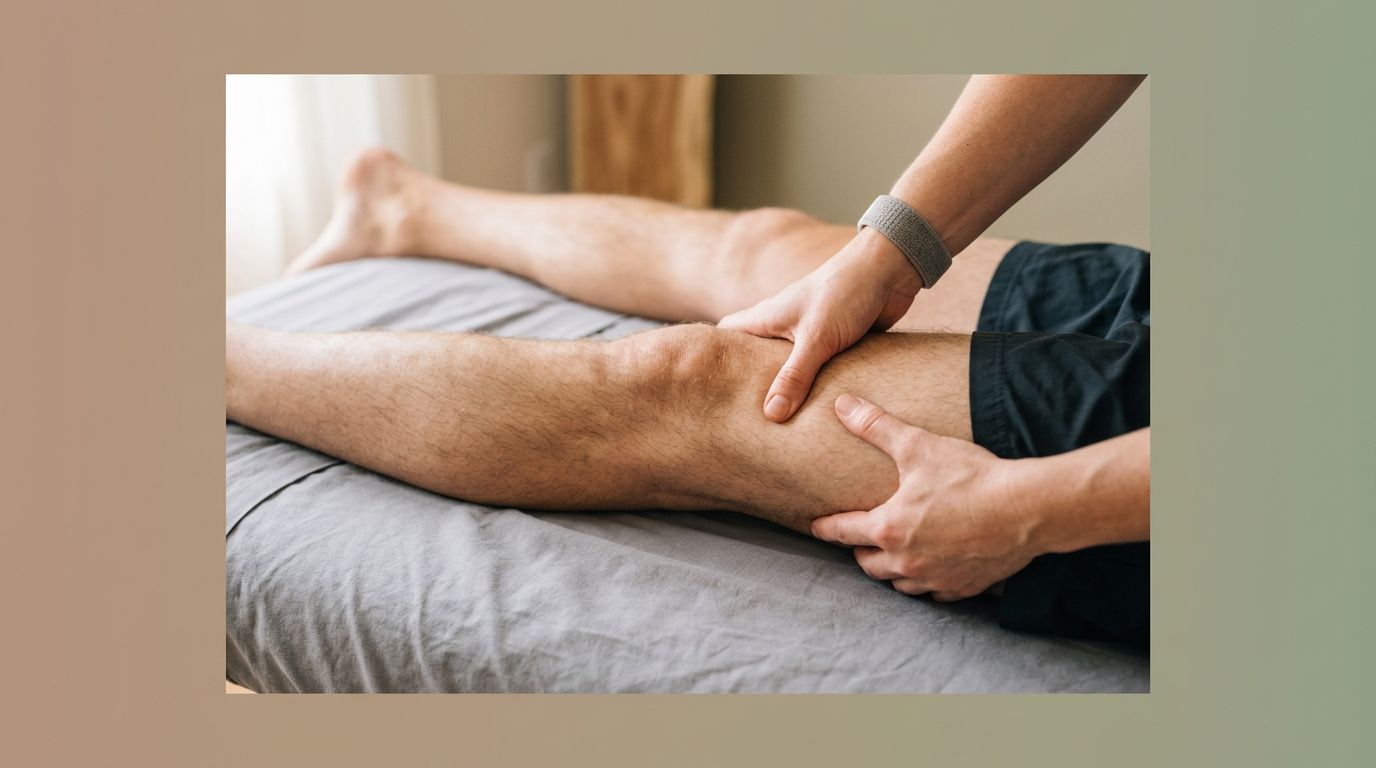
Massage doesn't usually work by pressing directly on the coccyx. Instead, it focuses on the muscles that support and pull on the area. That often includes the glutes, hips, low back, and upper thighs.

When those muscles soften, the body doesn't need to brace as much. That can reduce the constant sense of pressure that makes sitting painful. It may also help you move more freely when you stand, walk, or shift in a chair.

A good session is gentle and specific. It should feel aimed at the problem, not random or overly strong. If you're looking for a focused session, tailbone pain relief massage can be a smart starting point when the pain seems tied to tension and sitting habits.

Massage can help with comfort, but it has limits. If the pain started after a major fall, comes with numbness, fever, bowel changes, or keeps getting worse, it needs medical attention. In those cases, massage may be part of care, but it shouldn't be the only step.

What to expect during a tailbone pain massage

A good session starts with a short conversation. Your therapist should ask when the pain began, what makes it worse, and where you feel it most. Be honest about sitting pain, because that detail changes the treatment plan.

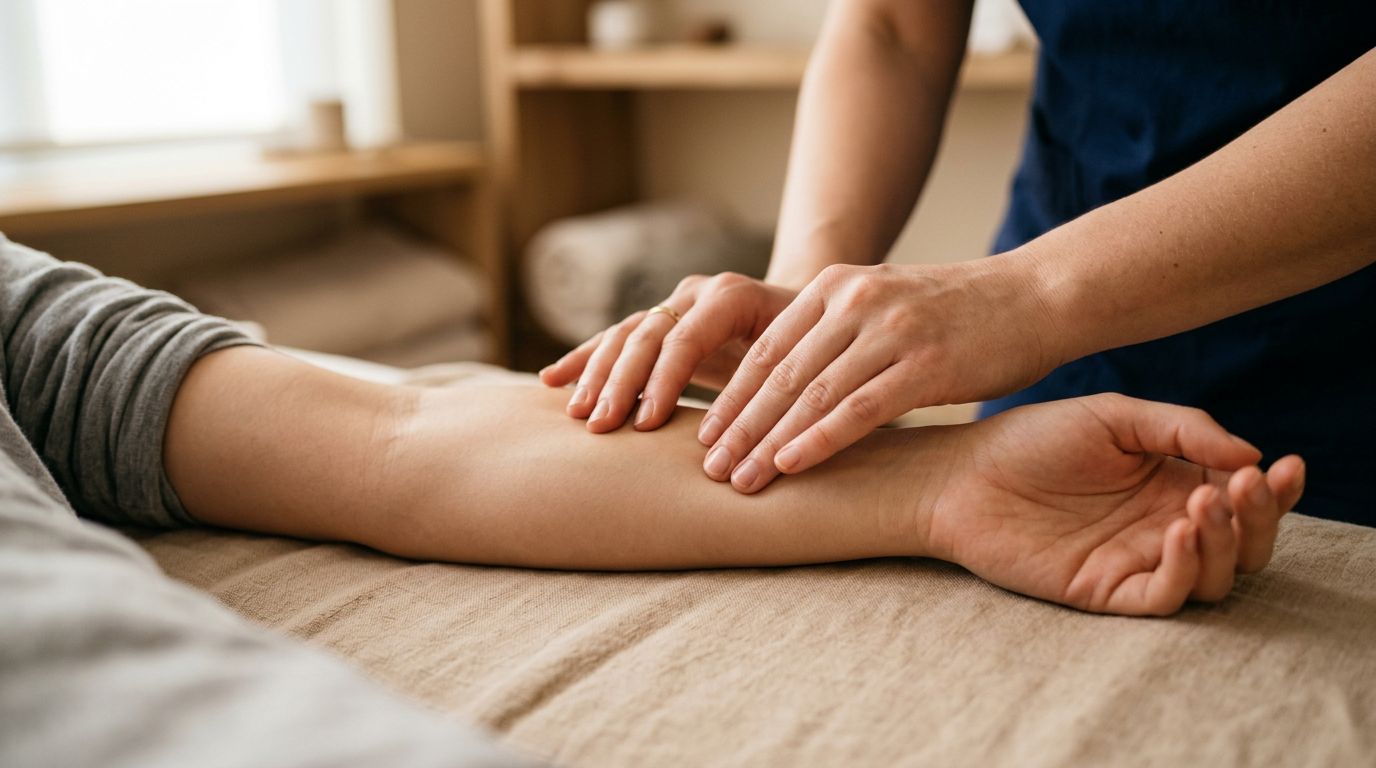
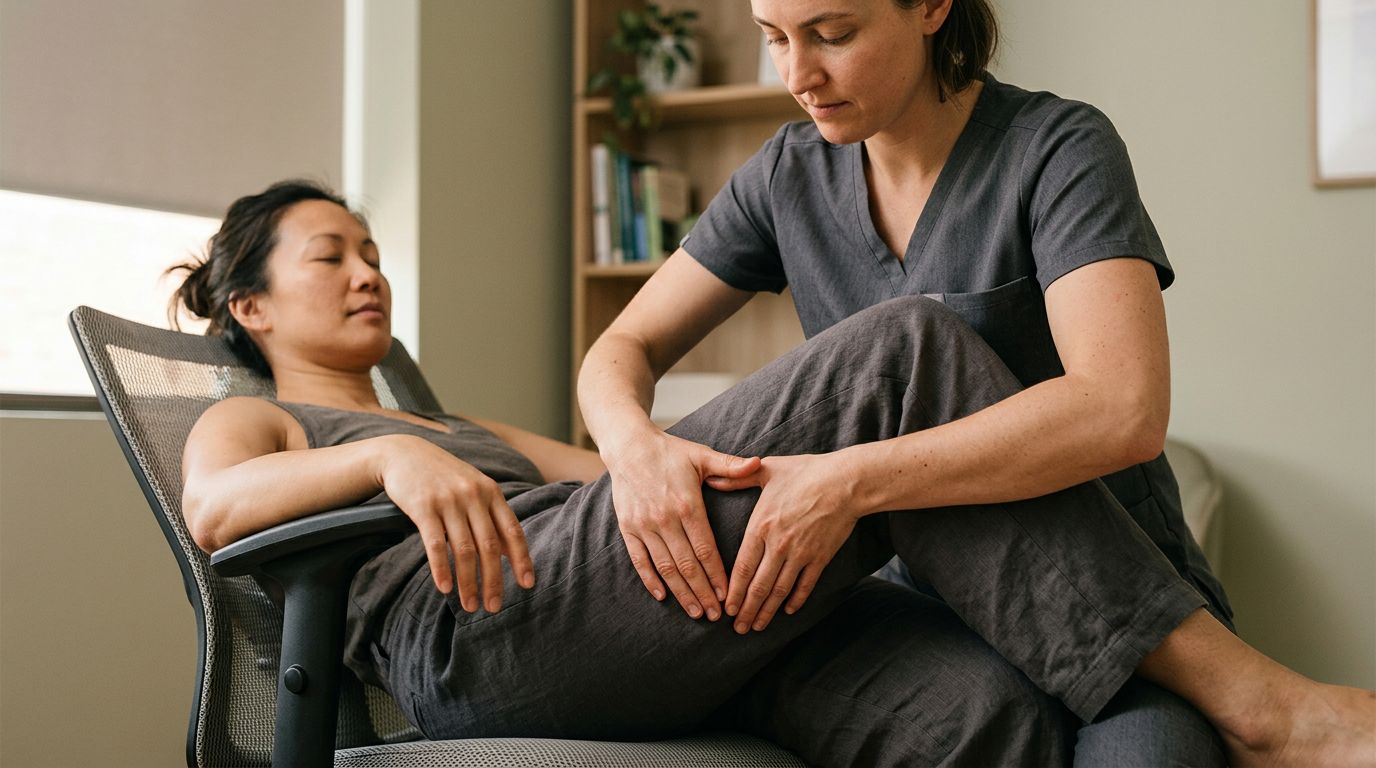
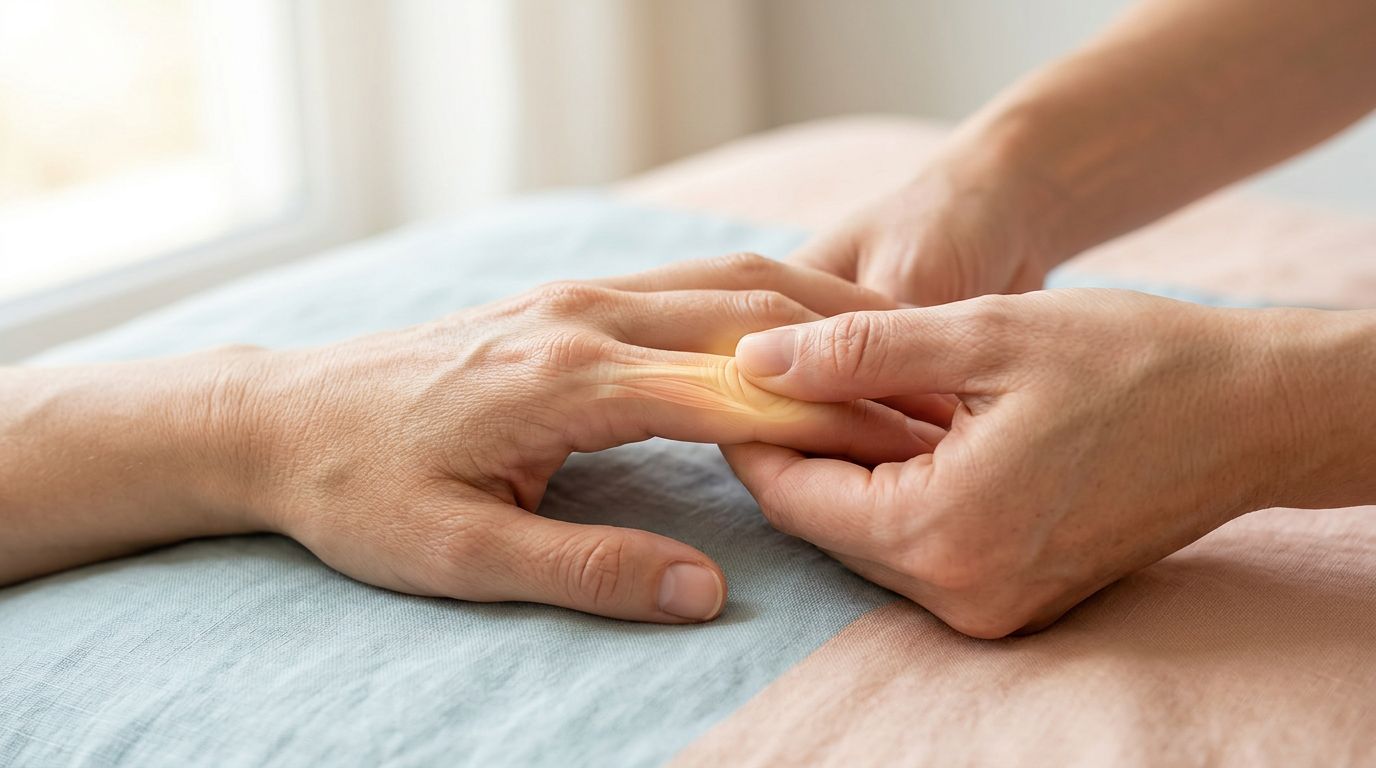
Before the hands-on work begins, you may be asked to lie face down or on your side. Side-lying is common when the tailbone area feels sensitive. It lets the therapist work nearby muscles without adding pressure to the sore spot.

During the massage, expect careful work around the hips, glutes, low back, and outer pelvis. The pressure should stay within a range you can tolerate. If a spot feels too tender, say so right away.

A session may also include slow breathing cues or light stretching. Those small pieces matter because they help the nervous system settle. When the body stops bracing, the muscles often let go more easily.

Here are a few things worth telling your therapist before the session:

  • How long the pain has been there and whether it started after an injury.
  • What sitting feels like , especially on hard chairs or in the car.
  • Any sharp, numb, or radiating pain in the legs or lower back.
  • Whether you've already tried cushions, heat, rest, or stretching .

The more specific you are, the better the treatment can be shaped around your pain.

A useful session should feel controlled and calm, not intense and pushy.

How to keep relief going after the appointment

What you do after the massage matters almost as much as the session itself. If you go right back to a hard chair for hours, the area can tighten again.

Start with shorter sitting blocks. Stand up often, even if you only walk for a minute. A coccyx cushion or wedge cushion can also reduce direct pressure.

Pay attention to your posture. Leaning slightly forward can help some people, while others do better with a firmer seat and better support. Small changes usually work better than big ones.

Heat can help later in the day if the area feels tight. Water, gentle movement, and light stretching can also keep the muscles from locking back up.

Most of all, notice patterns. If one chair, one commute, or one workout keeps triggering the pain, that clue matters. Share it at your next visit so the treatment can target the real source.

Conclusion

Tailbone pain after sitting can feel small and stubborn at the same time. The right massage doesn't chase the bone, it calms the tissues around it so your body can stop bracing.

Expect a gentle, focused session, clear communication, and work around the hips, glutes, and low back. If pain stays sharp, follows an injury, or keeps returning, get it checked before treating it like a simple muscle issue.

With the right care, sitting pain doesn't have to run your day.

Recent Posts

By STILL Massage + Skin May 1, 2026
A golf round can leave your side waist feeling pulled tight, even when your back feels fine. That stretch across the ribs and waist often comes from the obliques working hard through every swing. When those muscles stay braced after the round, twisting, bending, and even getti...
By STILL Massage + Skin April 30, 2026
Tightness at the base of your skull can feel like a band pulling backward. It can show up as neck pain, a dull headache, or a stiff turn when you check your blind spot. The splenius capitis is one of the muscles that often sits behind that pattern. When it gets overworked, a f...
By STILL Massage + Skin April 29, 2026
Front hip pain that seems to slide toward the inner knee can be maddening. You may feel it during stairs, long walks, squats, or after sitting too long. That pattern often points to the sartorius, a long muscle that crosses both the hip and knee. A careful sartorius massage ca...
By STILL Massage + Skin April 28, 2026
If your breath feels stuck high in your chest, your body is probably working harder than it should. Tightness around the upper belly and lower ribs can make every inhale feel small and shallow. That pattern often shows up with stress, long hours at a desk, or a body that has b...
By STILL Massage + Skin April 27, 2026
Your feet ache after a long day. Stress knots up your shoulders, and you just want relief. Reflexology offers a targeted way to ease tired feet and melt away tension. This foot therapy presses specific points to boost relaxation. It helps with common issues like sore soles and...
By STILL Massage + Skin April 26, 2026
You've just crushed a heavy lifting session. Your outer forearm throbs with that familiar ache. It's the brachioradialis muscle crying out for relief. Lifters often ignore this spot until soreness hits hard. Curls, rows, and pulls strain it fast. Brachioradialis massage target...
By STILL Massage + Skin April 25, 2026
Ever feel a sharp tug in your front shoulder when you reach for something overhead? That ache often comes from a small but mighty muscle called the coracobrachialis. It sits deep in your upper arm and helps flex your shoulder, but tightness builds up fast from daily habits lik...
By STILL Massage + Skin April 24, 2026
You've just finished a long ride. Your outer thigh feels tight and sore. That nagging pull makes every step hurt. Cyclists often face this after pushing hard on the bike. The culprit is usually the vastus lateralis muscle. It's part of your quads and takes a beating during rid...
By STILL Massage + Skin April 23, 2026
Pain just below your kneecap stops you in your tracks. You feel it most when you climb stairs or jump during a game. Patellar tendonitis massage offers real relief from this common issue, also called jumper's knee. Athletes and active folks often deal with it. The patellar ten...
By STILL Massage + Skin April 22, 2026
You climb the stairs and feel that sharp pull on the inner knee. It stops you every time. Vastus medialis massage targets the muscle behind this ache and brings quick relief. This tightness often stems from the vastus medialis, a key quad muscle. It stabilizes your knee during...
Show More