Intercostal Massage for Rib Tightness After Coughing or Core Work

STILL Massage + Skin • May 3, 2026

Share this article

A hard coughing spell or a tough core session can leave your ribs feeling pinned in place. Even a deep breath can feel tight, and turning in bed may make you wince. Intercostal massage can help when the problem comes from irritated muscles between the ribs, not from a serious injury.

The goal is simple, ease the guarding, restore movement, and help breathing feel less restricted. The best results usually come from gentle pressure, good timing, and knowing when the pain needs a medical check first. Start with why the rib cage tightens so fast.

Why coughing and core workouts tighten the ribs

The intercostal muscles sit between each rib. They help the chest expand and contract every time you breathe. They also help with twisting, side bending, and bracing your trunk.

Coughing puts those muscles to work fast and hard. One cough is not usually a problem, but repeated coughing can leave the area sore and overworked. The same thing can happen after planks, crunches, hanging leg raises, heavy lifts, or any exercise that keeps your midsection braced for too long.

When those muscles get irritated, your body often responds by tightening more. That guarding can make the ribs feel stiff, tender, or even a little sharp when you move. Some people notice pain when they laugh, reach overhead, or take a deep breath. Others feel a band of tension along one side of the chest.

The feeling can be unsettling because the ribs are tied to breathing. Still, not every tight rib means something is damaged. Often, the tissue is simply tired and protective. That is where careful manual work can help.

How intercostal massage helps the chest wall

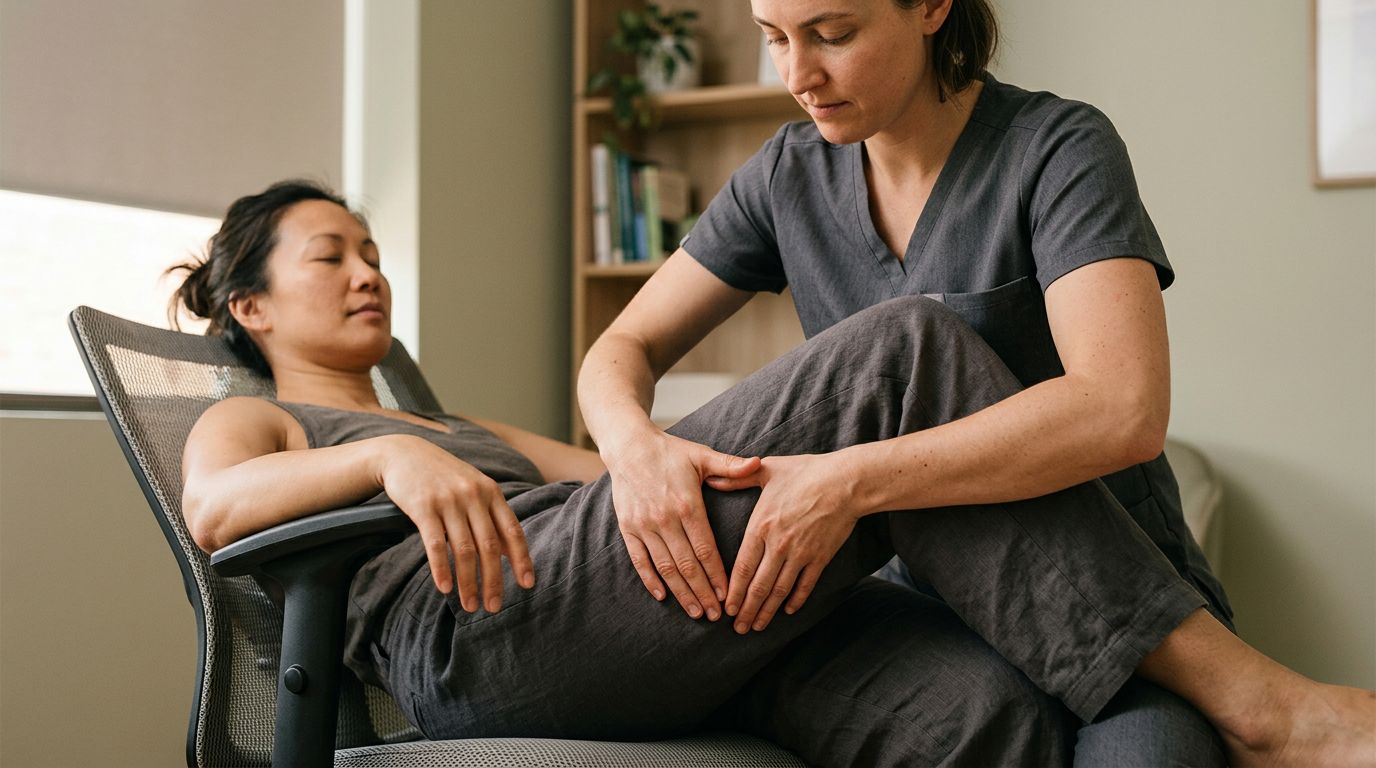
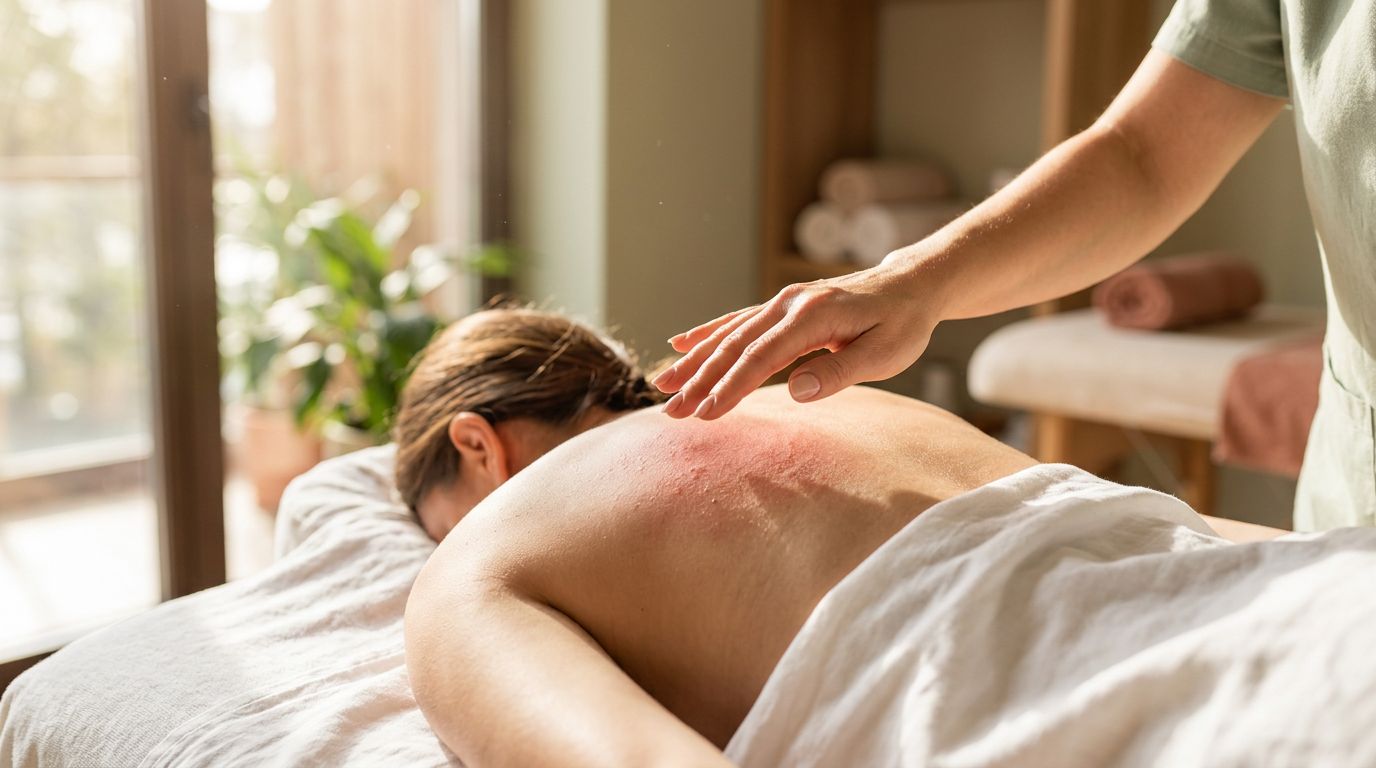
Intercostal massage is usually light and specific. A therapist may work along the side of the rib cage, around the upper back, and into nearby muscles that help support breathing. Those can include the serratus, lats, and muscles around the shoulder blade.

The point is not to dig hard between the ribs. The point is to soften the surrounding tension so the rib cage can move more freely. When the body stops bracing, breathing often feels easier. Twisting may feel smoother too.

Gentle pressure usually works better than force when the ribs are guarded.

That approach matters. Deep pressure on an irritated rib area can make it flare up more. A good session follows your breathing, checks in often, and stays within a level that feels safe. If a therapist asks you to inhale and exhale slowly while working, that is a good sign. Breath gives the tissue a chance to let go.

Some people notice relief right away. Others feel only a small change after the first session, then more ease over the next day or two. That is normal. The ribs respond well to patience.

What to expect during a rib-focused session

A rib-focused massage should start with a brief talk about what happened. Say whether the tightness came from coughing, a workout, a slip, or something else. Mention where it hurts, what movements bother it, and whether a deep breath changes the pain.

From there, the therapist may begin with the back, shoulders, and side body before moving closer to the sore area. This helps the surrounding muscles relax first. Once the tissue is warm, they may use slow, light contact along the spaces between ribs or around them. You should never feel pressured to "push through" discomfort.

Breathing is a big part of the session. A therapist may cue you to take slow breaths while they hold or glide on the tissue. That can feel almost like a reset. The breath gives the rib cage a rhythm, and the massage meets that rhythm instead of fighting it.

Communication matters the whole time. If the pressure feels sharp, speak up. If the area is too tender on the front of the ribs, the therapist can often work around it and still help. Good rib work is careful, not dramatic.

Some clients also want a lighter wellness visit once the area starts to settle. In that case, spa services like body treatments can be a comfortable next step when you want relaxation without heavy pressure on the chest wall.

When massage is useful, and when to get checked

Intercostal massage makes the most sense when the pain started after strain, you can point to a specific sore area, and movement makes it feel tight rather than unstable. It can also help when coughing has left the chest wall in a protective hold for days.

It is not the first choice for every chest pain problem. If the pain is new and severe, or if it came after a fall, a hit, or a popping sensation, get checked before booking massage. The same goes for pain that feels deep, spreading, or hard to explain.

Get medical care first if you notice any of these:

  • Shortness of breath or trouble speaking in full sentences
  • Chest pressure, dizziness, faintness, or pain that spreads to the arm, jaw, or back
  • Fever, blood in mucus, or a cough that keeps getting worse
  • Visible swelling, bruising, or pain after trauma
  • Pain that gets sharper instead of calmer with rest

A rib strain can be annoying, but a chest problem can also be serious. If the pattern feels off, let a clinician rule out bigger issues first. Massage works best after the dangerous stuff is off the table.

Simple ways to calm the ribs between sessions

What you do at home matters. If the intercostal muscles are irritated, give them a break from hard bracing for a few days. That means no intense core work, no aggressive twisting, and no forcing a stretch just to "open things up."

Heat can help a tight area relax. A warm pack for 10 to 15 minutes often feels better than cold when the muscle is guarding. Slow belly breathing also helps, because it lowers the urge to clamp down on every breath. Try to keep the inhale smooth and the exhale longer than usual.

It also helps to support the rib cage during coughs. Hold a pillow or fold your arms lightly over the sore side if coughing hurts. That small bit of support can cut down on the sharp pull through the muscles.

If the pain came from exercise, return slowly. Start with easy walks, then light mobility work, then your regular routine. Jumping back into planks or crunches too soon can make the area tense up again.

Sleep can matter too. Many people feel better on their back with a pillow under the knees, or on the less tender side with a pillow hugging the chest. Small changes often make the next morning easier.

The same simple care applies after a massage session. Drink water, keep movement gentle, and avoid testing the area with heavy exercise right away. If the cough is still active, treat the cough too. Otherwise the muscles keep getting pulled back into the same pattern.

Conclusion

Rib tightness after coughing or core work is often a muscle problem, not a mystery. Intercostal massage can help by easing the guarding around the rib cage, improving movement, and making breathing feel less strained.

The best results come from light, careful work and a clear plan for recovery. If the pain is tied to cough strain or workout overload, gentle massage, better breathing, and a little rest can go a long way. If the pain feels unusual, severe, or tied to injury, get it checked first.

Recent Posts

By STILL Massage + Skin May 2, 2026
A sore tailbone can turn a normal chair into a problem. One long meeting, a car ride, or a hard bench can make every shift feel sharp and annoying. Tailbone pain massage can help when the pain comes from tight muscles, protective tension, or strain around the lower back and hi...
By STILL Massage + Skin May 1, 2026
A golf round can leave your side waist feeling pulled tight, even when your back feels fine. That stretch across the ribs and waist often comes from the obliques working hard through every swing. When those muscles stay braced after the round, twisting, bending, and even getti...
By STILL Massage + Skin April 30, 2026
Tightness at the base of your skull can feel like a band pulling backward. It can show up as neck pain, a dull headache, or a stiff turn when you check your blind spot. The splenius capitis is one of the muscles that often sits behind that pattern. When it gets overworked, a f...
By STILL Massage + Skin April 29, 2026
Front hip pain that seems to slide toward the inner knee can be maddening. You may feel it during stairs, long walks, squats, or after sitting too long. That pattern often points to the sartorius, a long muscle that crosses both the hip and knee. A careful sartorius massage ca...
By STILL Massage + Skin April 28, 2026
If your breath feels stuck high in your chest, your body is probably working harder than it should. Tightness around the upper belly and lower ribs can make every inhale feel small and shallow. That pattern often shows up with stress, long hours at a desk, or a body that has b...
By STILL Massage + Skin April 27, 2026
Your feet ache after a long day. Stress knots up your shoulders, and you just want relief. Reflexology offers a targeted way to ease tired feet and melt away tension. This foot therapy presses specific points to boost relaxation. It helps with common issues like sore soles and...
By STILL Massage + Skin April 26, 2026
You've just crushed a heavy lifting session. Your outer forearm throbs with that familiar ache. It's the brachioradialis muscle crying out for relief. Lifters often ignore this spot until soreness hits hard. Curls, rows, and pulls strain it fast. Brachioradialis massage target...
By STILL Massage + Skin April 25, 2026
Ever feel a sharp tug in your front shoulder when you reach for something overhead? That ache often comes from a small but mighty muscle called the coracobrachialis. It sits deep in your upper arm and helps flex your shoulder, but tightness builds up fast from daily habits lik...
By STILL Massage + Skin April 24, 2026
You've just finished a long ride. Your outer thigh feels tight and sore. That nagging pull makes every step hurt. Cyclists often face this after pushing hard on the bike. The culprit is usually the vastus lateralis muscle. It's part of your quads and takes a beating during rid...
By STILL Massage + Skin April 23, 2026
Pain just below your kneecap stops you in your tracks. You feel it most when you climb stairs or jump during a game. Patellar tendonitis massage offers real relief from this common issue, also called jumper's knee. Athletes and active folks often deal with it. The patellar ten...
Show More