
Abductor Hallucis Massage for Inner Arch Pain After Standing
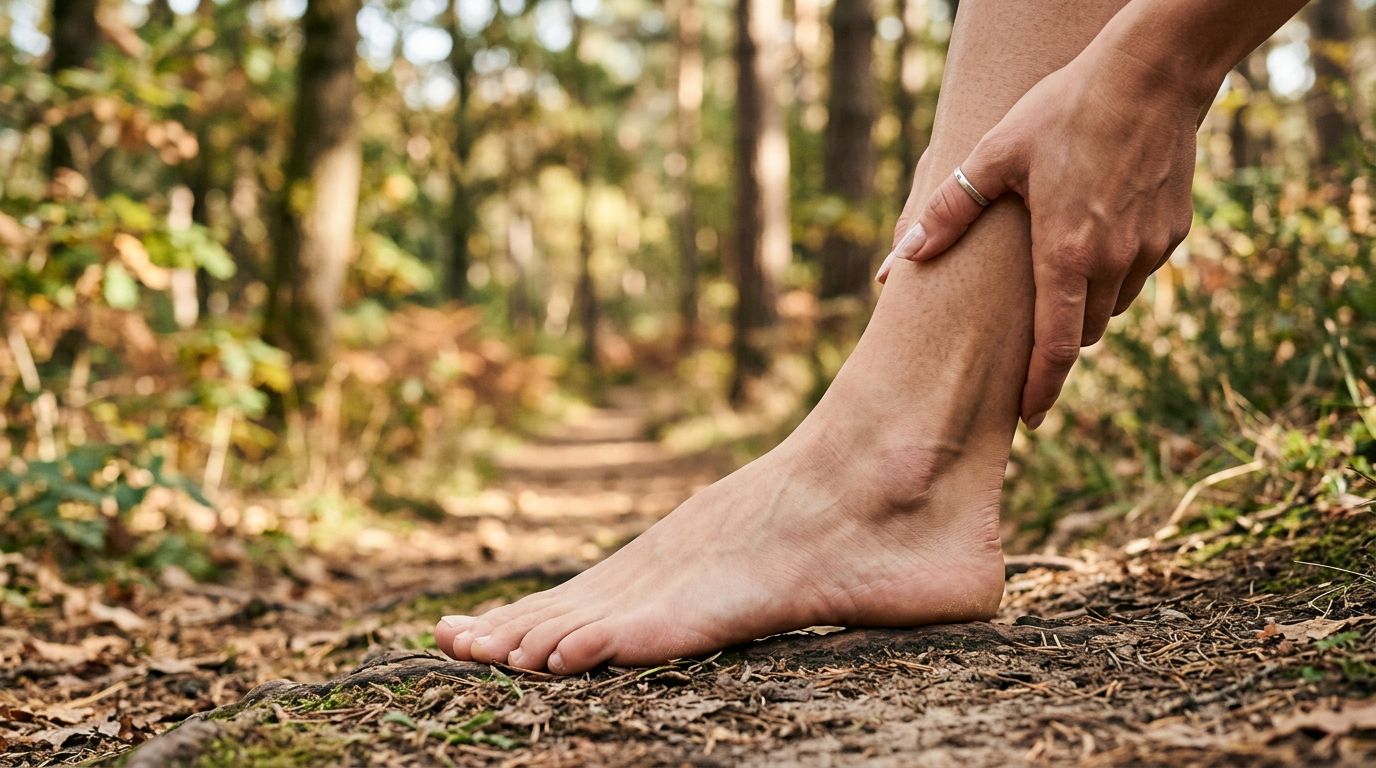
If your inner arch aches after a long day on your feet, the pain often starts small and turns stubborn fast. You might feel it during your first few steps, after a shift, or while standing in place for too long.
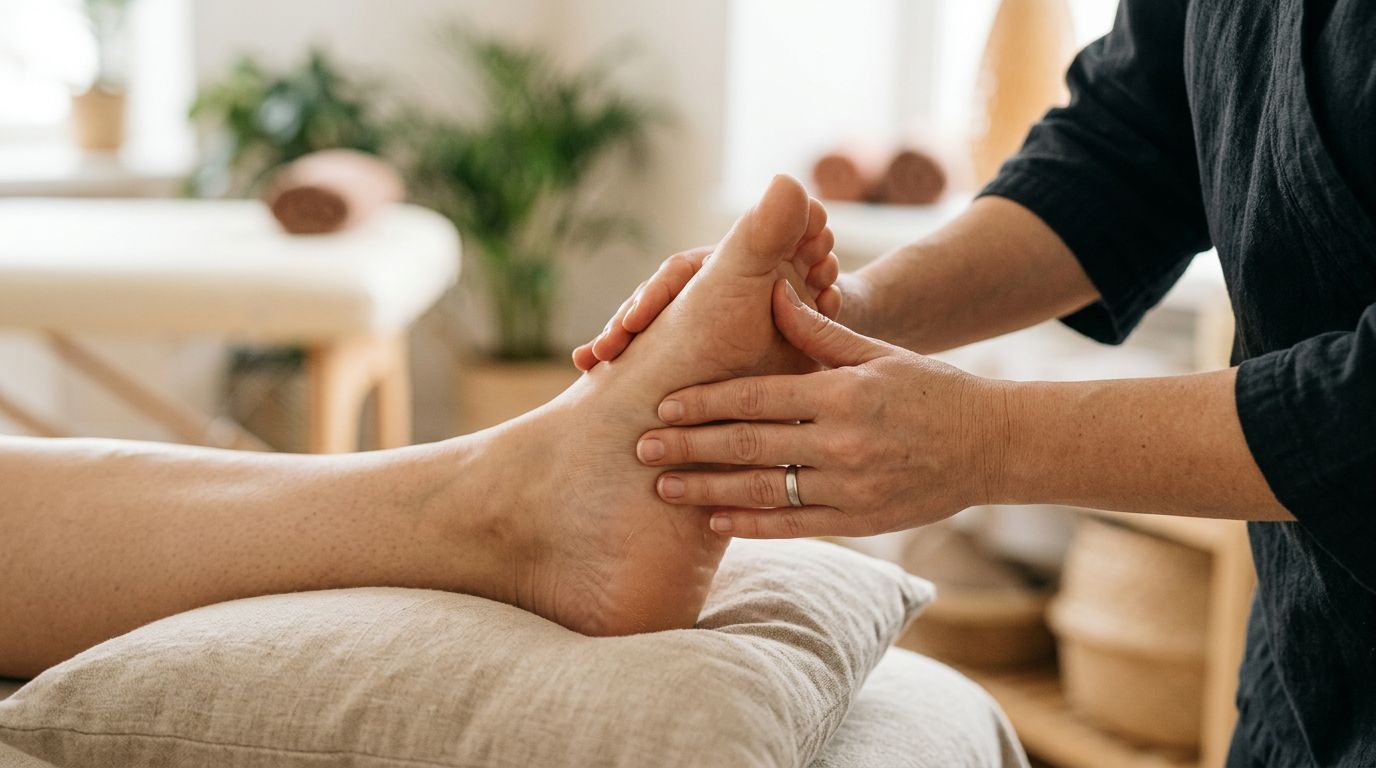
That pain can come from the abductor hallucis , a small muscle along the inside of the foot that helps support the arch and move the big toe. A focused abductor hallucis massage can ease tightness, improve comfort, and help the foot feel less loaded after standing.
Why the inner arch hurts after long periods of standing
Standing for hours keeps the feet working without much rest. The arch holds your weight, the toes stabilize, and the small muscles along the inner foot stay active for far longer than they should.
The abductor hallucis sits along the inner edge of the foot, close to the arch. When it gets overworked, it can feel tender, cramped, or tired. Sometimes the pain shows up as a dull ache. Other times it feels sharp when you press the area or step down after sitting.
Flat shoes, hard floors, and poor foot support can make this worse. So can tight calves, a stiff big toe, or a gait that rolls inward too much. The foot then works like a bridge under too much traffic, and the inner arch starts to complain.
A massage helps because it reduces local tension and gives the area a break. It won't fix every cause of arch pain, but it can calm a muscle that has been holding too much strain.
How to find the abductor hallucis
Before you massage it, you need to know where it is. The abductor hallucis runs along the inner side of the foot, starting near the heel and traveling toward the base of the big toe.
You can find it by sitting down and resting one ankle over the opposite knee. Look at the inner edge of the sole, just behind the big toe joint and along the arch. If you press there and feel a rope-like band or a sore spot, you're close.
The muscle often feels more obvious when the big toe lifts or pushes gently into the floor. That tension helps it stand out under your fingers. The goal is to work the muscle belly, not press hard into bone or grind along the arch.
Gentle pressure should feel productive, not punishing.
If the spot feels bruised, angry, or hot, use lighter pressure. The best result often comes from steady contact, not force.
A safe abductor hallucis massage routine
You do not need fancy tools. Your hands are enough, although a small ball can help if the foot is hard to reach. A tennis ball or massage ball works well for some people, but fingers give you more control.
Start with a soft warm-up
Begin with a few ankle circles and slow toe bends. That helps the foot relax before direct work.
Then use your thumb or knuckle to glide along the inner arch with light pressure. Move slowly from the area below the big toe toward the heel. This first pass is about waking the tissue up, not digging into it.
Spend 30 to 60 seconds on this warm-up. If the area is very tender, stay even lighter and work around it first.
Use steady pressure on the tender spots
Once the foot feels ready, press into the sore area with your thumb. Hold the pressure for 10 to 20 seconds, then ease off. Repeat a few times.
You can also make small circles over the muscle. Keep the motion slow and controlled. If the tissue softens under your thumb, that is a good sign. If the pain sharpens or spreads, back off.
A simple rule helps here: aim for a discomfort level around 3 to 5 out of 10. That should feel noticeable but manageable. Strong pain usually means the foot is guarding, not relaxing.
Try a ball if your hands get tired
If the area feels broad or hard to reach, place a small ball under the inner arch while seated. Roll gently from the base of the big toe toward the mid-arch. Keep your weight light.
Do not smash the arch into the floor. Instead, let the ball press into the tissue with your body weight as a guide. Slow passes work better than fast rolling.
Use the ball for 1 to 2 minutes, then stop and check how the foot feels. If it feels looser, that's enough for one round. You can repeat later in the day if needed.
Finish with a stretch
After massage, gently stretch the big toe upward. Hold it for 15 to 20 seconds. Then relax and repeat once or twice.
This helps the abductor hallucis let go a little more. It also gives the arch a longer line of relief after the muscle work.
A short routine might look like this:
- Warm the foot with ankle and toe movement.
- Glide along the inner arch with light pressure.
- Hold tender spots for 10 to 20 seconds.
- Use a ball if needed for slow rolling.
- Finish with a big-toe stretch.
Keep the whole routine short at first, about 3 to 5 minutes per foot. You can build from there if the tissue responds well.
When massage helps, and when it does not
Massage works best when the pain comes from muscle strain, overuse, or simple tightness. That often happens after long standing, especially if the feet have been in poor shoes or on hard floors.
It helps less when the problem is more than a tight muscle. If the arch pain came on after a twist, a fall, or a sudden pop, the issue may be different. The same is true if you have strong swelling, bruising, numbness, or pain that shoots into the toes.
If pain gets worse instead of easing, stop the massage and get it checked.
You should also be careful if standing hurts first thing in the morning and the pain feels deep in the heel or along the arch. That pattern can point to other foot issues that need a different plan. A clinician, podiatrist, or physical therapist can help sort that out.
Massage should feel like support. It should not be a test of toughness.
Simple habits that keep the arch calmer
A good massage can help, but the foot still needs less strain during the day. If you keep feeding the same stress into the arch, the pain often returns.
Better shoes make a real difference. Look for a stable sole, enough room in the toe box, and some arch support that matches your foot. Very flat shoes can leave the inner arch doing extra work.
Breaks matter too. If you stand for long stretches, shift your weight, walk for a minute, or sit whenever you can. Small changes help the muscle recover before it locks up.
Stretching the calves can also take pressure off the foot. Tight calves pull on the heel and change how the arch loads. A few slow calf stretches during the day can help the whole chain feel less rigid.
You can also add light foot work, such as:
- toe spreading while seated
- short barefoot balance holds on a safe surface
- gentle towel grabs with the toes
- slow calf raises with control
These moves are not about building a workout. They help the foot remember how to share the load.
Hydration and recovery matter as well. A tired body often sends more tension into the feet. If your workdays are long, your feet may need more rest than you think.
How foot-focused massage fits into a wider recovery plan
If your inner arch pain keeps coming back, treat the whole foot, not just one sore point. The abductor hallucis may be the loudest tissue, but it often reacts to a larger pattern of standing, shoe choice, and muscle tightness.
That is why foot care can pair well with regular bodywork. A full session can ease calf tension, ankle stiffness, and the small muscles that support the arch. It can also help you notice whether the pain changes with movement, pressure, or rest.
For more foot relief ideas and related service options, the Still Massage + Skin blog has helpful topics that fit well with a recovery-focused routine.
If the foot feels better after massage, that's useful information. It tells you the tissue likes steady pressure and more frequent breaks. If it does not improve, that's useful too, because it means the source may be deeper than a tight muscle.
Conclusion
Inner arch pain after standing often starts with overworked support muscles, and the abductor hallucis is a common one to watch. A careful abductor hallucis massage can ease tension, soften tender tissue, and give the foot a better chance to recover.
Keep the pressure gentle, stay alert to sharp pain, and pair massage with better shoes and more rest. When the foot is treated with patience instead of force, it usually tells you what it needs.
Recent Posts