Glute Medius Massage for Side Hip Tightness: What to Expect
Why can one small spot on the side of your hip make walking feel so awkward? When the outer hip tightens up, simple things like climbing stairs, crossing your legs, or lying on one side can get annoying fast.
A focused glute medius massage can help calm that area and make movement feel easier. If you're booking your first session, it helps to know what the therapist is working on, what the pressure may feel like, and what kind of relief is realistic afterward.
Why the glute medius gets tight in the first place
The glute medius sits on the outer part of your hip, partly under the larger glute muscles. Its main job is to steady your pelvis when you walk, stand on one leg, or shift your weight. In other words, it works more often than most people realize.
Because of that, this muscle can get overloaded. Long hours of sitting can make it feel stiff. Running, hiking, or a sudden jump in workouts can make it sore. At times, it tightens because nearby muscles aren't helping enough, so it picks up extra work.
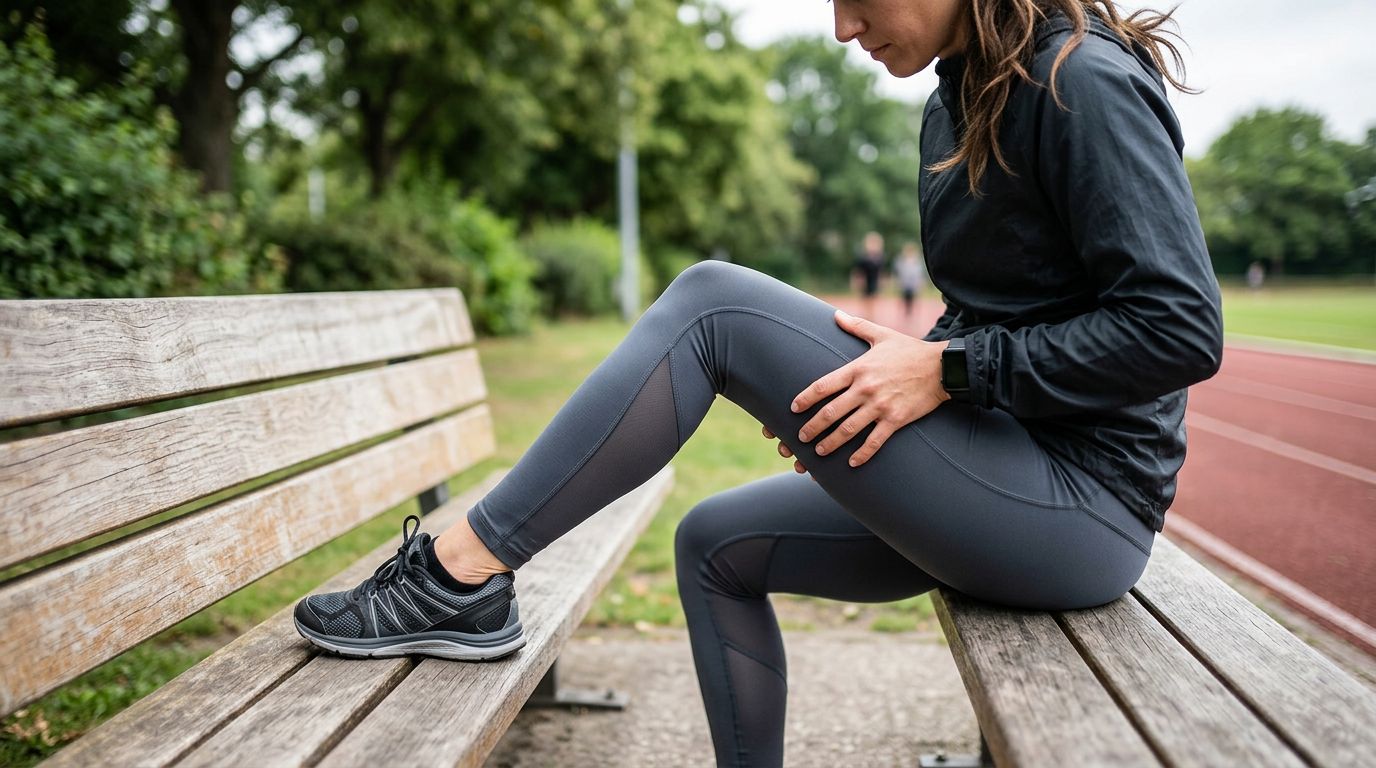
Side hip tightness often feels dull and nagging. You may notice tenderness when you press the outer hip. Some people feel pulling into the upper butt or outer thigh. Others mainly feel it when they sleep on that side or step up onto a stair.
Massage can help because it gives the area a chance to stop guarding. Tight tissue often acts like a clenched fist. It isn't always damaged, but it stays switched on. A skilled therapist uses pressure, pace, and positioning to help that tension let go.
Still, massage isn't magic. If your side hip feels tight because of a deeper issue, bodywork may be one piece of the puzzle, not the whole answer. Think of it like loosening a stuck zipper. The movement gets smoother once the snag eases, but the zipper still needs to track well.
That said, glute medius work is often a good fit when the area feels muscular, achy, or overworked.
What happens during a glute medius massage session
Most sessions start with a short conversation. Your therapist will ask where you feel the tightness, what movements bother it, and how much pressure you prefer. That quick check matters because side hip tension can feel very different from person to person.
If you want focused bodywork for outer hip discomfort, therapeutic massage options can be a good place to start.
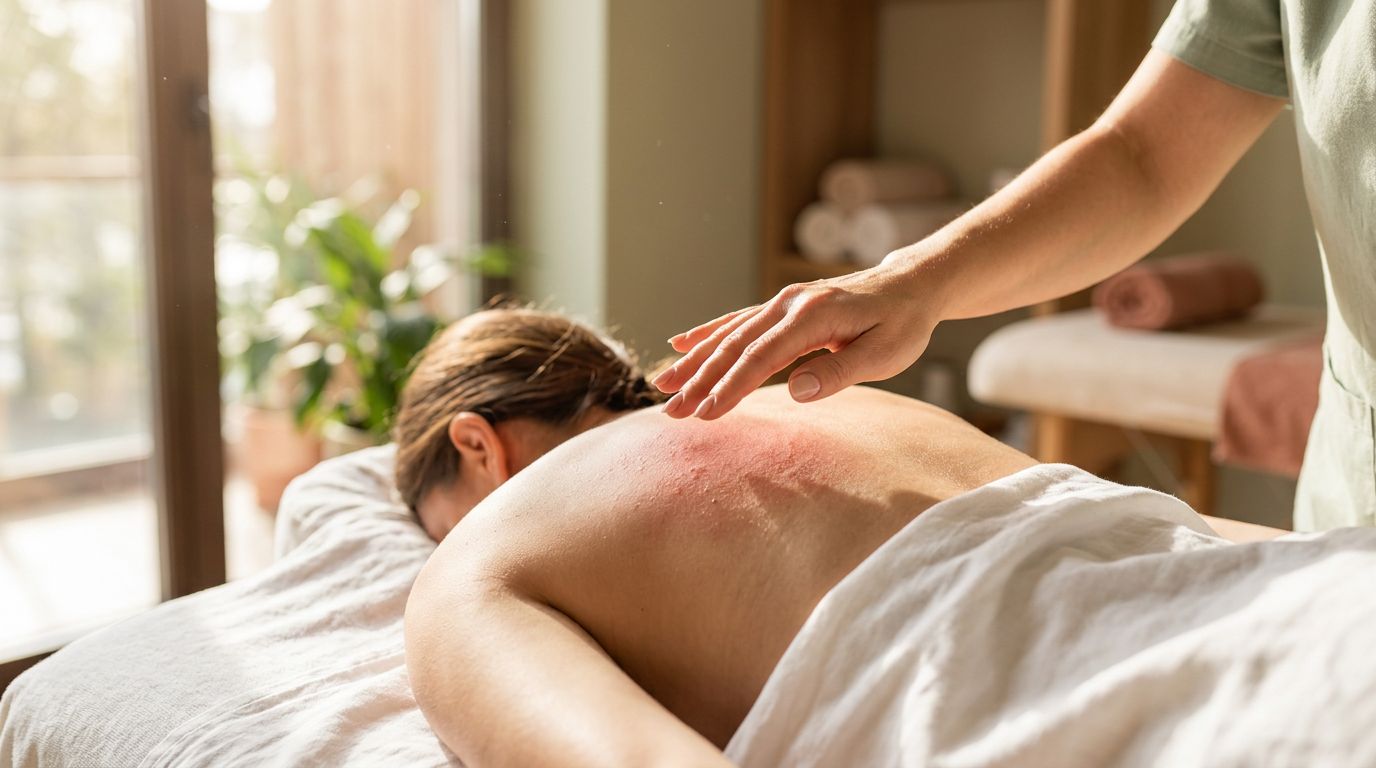
Next comes positioning. You may lie face-down, side-lying, or sometimes slightly turned with pillows for support. Good setup makes a big difference because the glute medius can tense up if you're awkward on the table. Proper draping also keeps the work targeted and comfortable.
The therapist usually won't charge straight into the sorest spot. First, they may warm the area with broad strokes. Then they may use slower pressure, steady compressions, or small focused techniques on tender bands in the outer glute. In some cases, they may also work nearby muscles that share the load, such as the upper glute or outer thigh.
As the session goes on, you may feel a strong, spreading sensation. That's common. The side hip often refers discomfort into nearby tissue, so the feeling isn't always limited to one point.
Productive glute medius work can feel strong, but it shouldn't make you brace or hold your breath.
That's why communication matters so much. If the pressure feels sharp, burning, or too intense to relax into, say so. More pressure isn't always better. Often, slower and more precise work gives better results than heavy pressure that makes the body fight back.
Some therapists also check how the hip feels with small movements. A slight leg turn or a change in position can show whether the tissue is softening. That helps connect the table work to the way your body actually moves.
What you may feel after the massage
A lot of people stand up and notice the hip feels lighter. Walking may feel smoother. Your stride may seem more even. At the same time, some people feel a little tender first and better later that day or the next morning.
That mild soreness can be normal, especially if the muscle was very tight. It should feel more like post-workout tenderness than fresh pain. Usually, it fades within 24 to 48 hours.
Aftercare doesn't need to be complicated. In fact, simple tends to work best:
- Take an easy walk if it feels good, so the hip doesn't stiffen back up.
- Use heat later if the area feels sore and responds well to warmth.
- Skip very hard training the same day, especially if the tissue feels worked.
- Pay attention to patterns , such as long sitting, hills, or sleep positions that stir it up.
Massage also tends to work better when your expectations match the problem. If the tightness has built up over months, one session may help a lot, but it may not erase everything at once. Sometimes the first big win is simply moving with less guarding.
That doesn't mean the session fell short. It usually means the body has been compensating for a while, and it needs more than one nudge to settle down.
When side hip pain needs a closer look
Massage is best for muscular tightness and tension. If your pain feels sharp, causes limping, comes with numbness, or follows a fall, get medical advice. The same goes for swelling, bruising, fever, or pain that keeps getting worse.
The outer hip is a busy area. Muscles, tendons, joints, and nerves all share space there. Good bodywork can help many cases of side hip tightness, but it shouldn't replace a proper evaluation when something feels off.
A calmer side hip can change a lot. Walking feels easier, sleep gets more comfortable, and daily movement stops feeling like a chore. A focused glute medius massage won't fix every cause of hip pain, but it can be a smart step when the problem feels muscular and stubborn. If your outer hip keeps asking for attention, targeted massage may be exactly the reset it needs.
Recent Posts