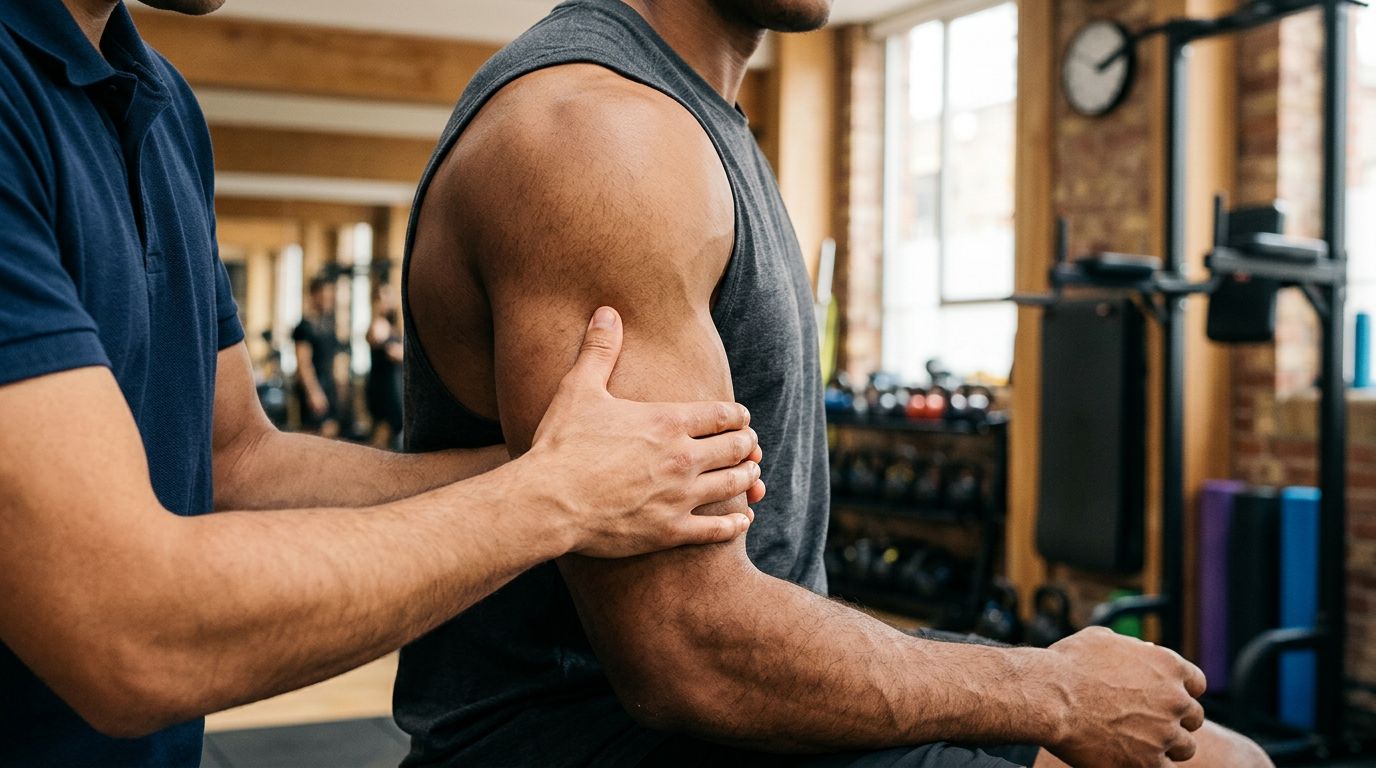
Splenius Capitis Massage for Back-of-Head Tightness and Neck Pain
Tightness at the base of your skull can feel like a band pulling backward. It can show up as neck pain, a dull headache, or a stiff turn when you check your blind spot.
The splenius capitis is one of the muscles that often sits behind that pattern. When it gets overworked, a focused splenius capitis massage can ease the pull and help your neck move with less strain.
Why this upper neck muscle gets so tight
The splenius capitis runs through the back of the neck and helps you turn and extend your head. That sounds simple, but the muscle works hard all day.
Forward head posture, long screen time, stress, and jaw clenching can all keep it switched on. Driving for long stretches can do it too. So can sleeping in a bad position or holding your phone low for hours.
When the muscle stays tense, it may refer pain to the back of the head. Some people feel it near the skull line. Others feel it as a deep ache that spreads into the neck or behind one eye.
That is why the pain can be confusing. The sore spot is not always the true source. A stiff neck may be telling you that the upper neck muscles have been working overtime for days or weeks.
How splenius capitis massage helps
Massage works best here when it is slow, specific, and calm. The goal is not to smash through pain. The goal is to coax the tissue to soften.
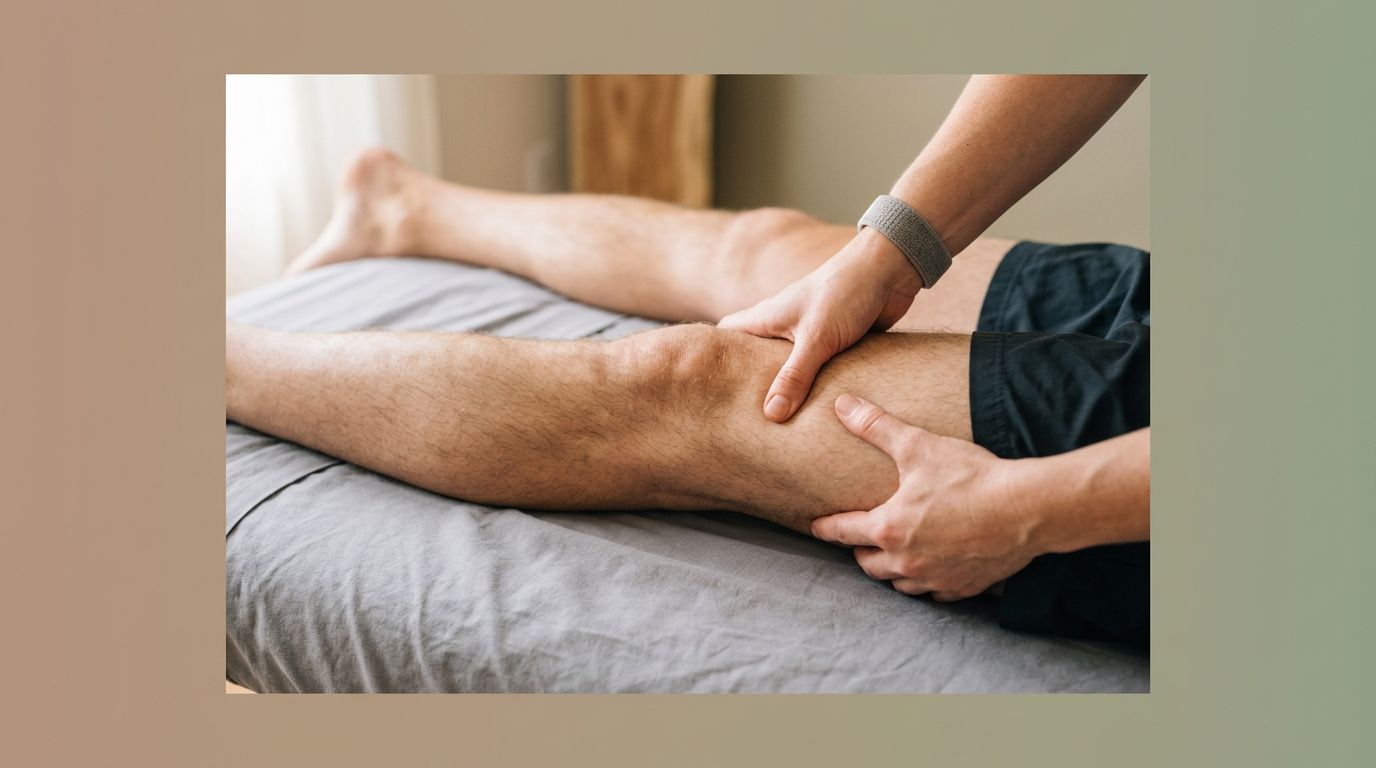
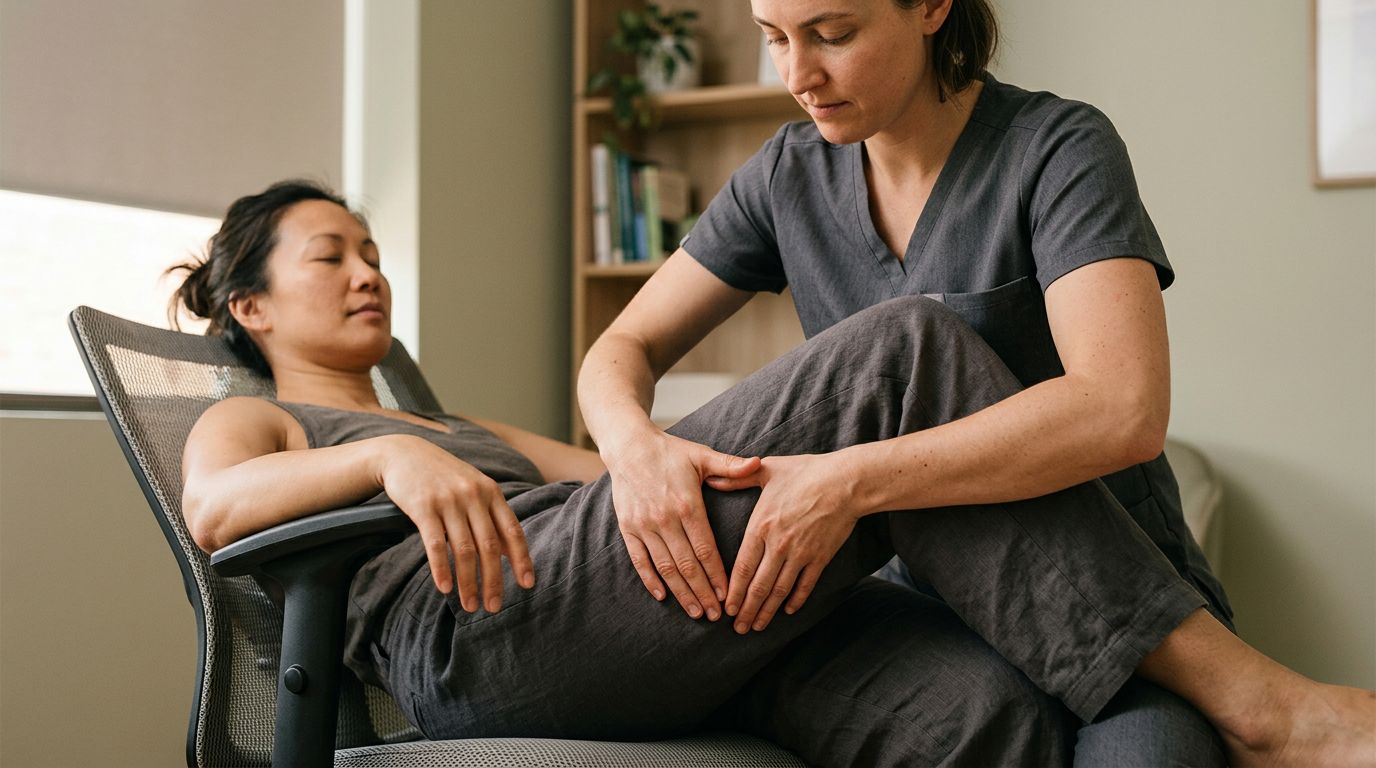
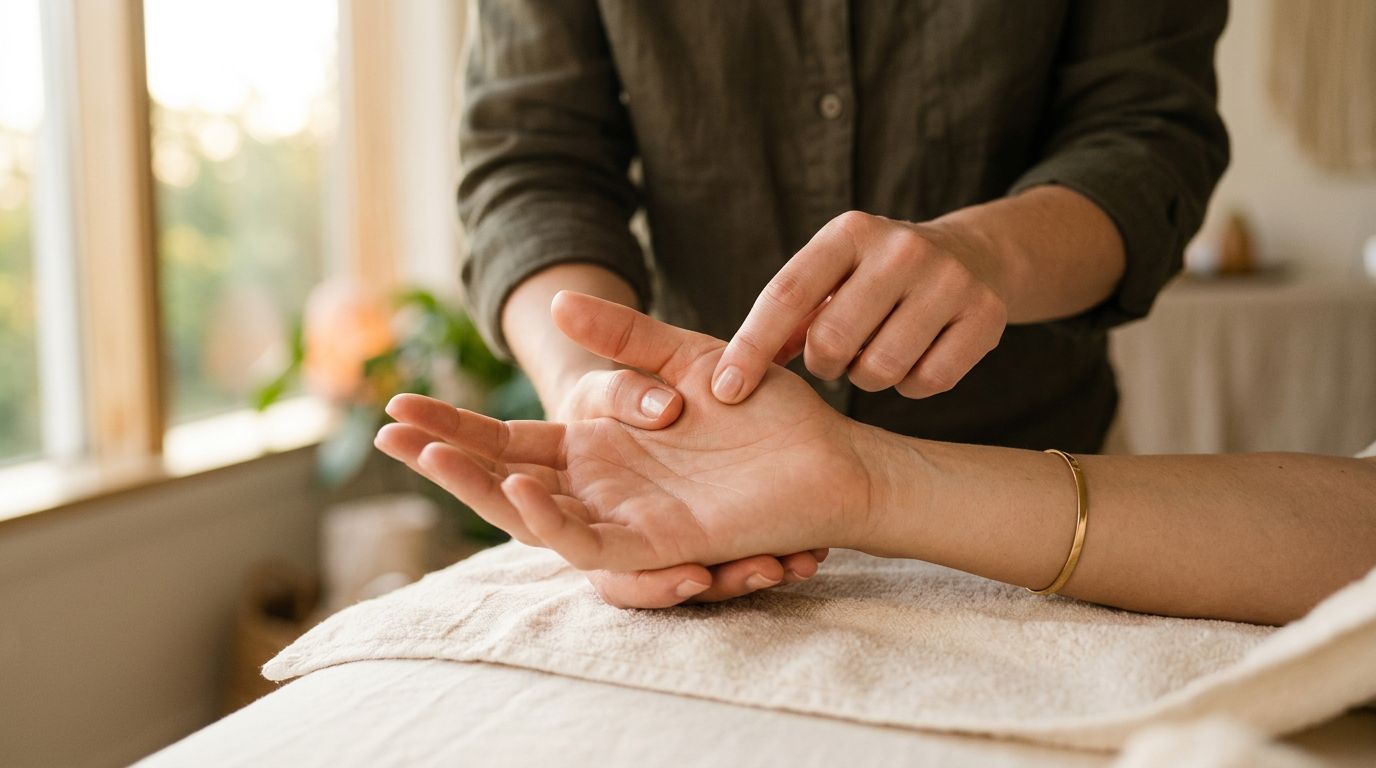
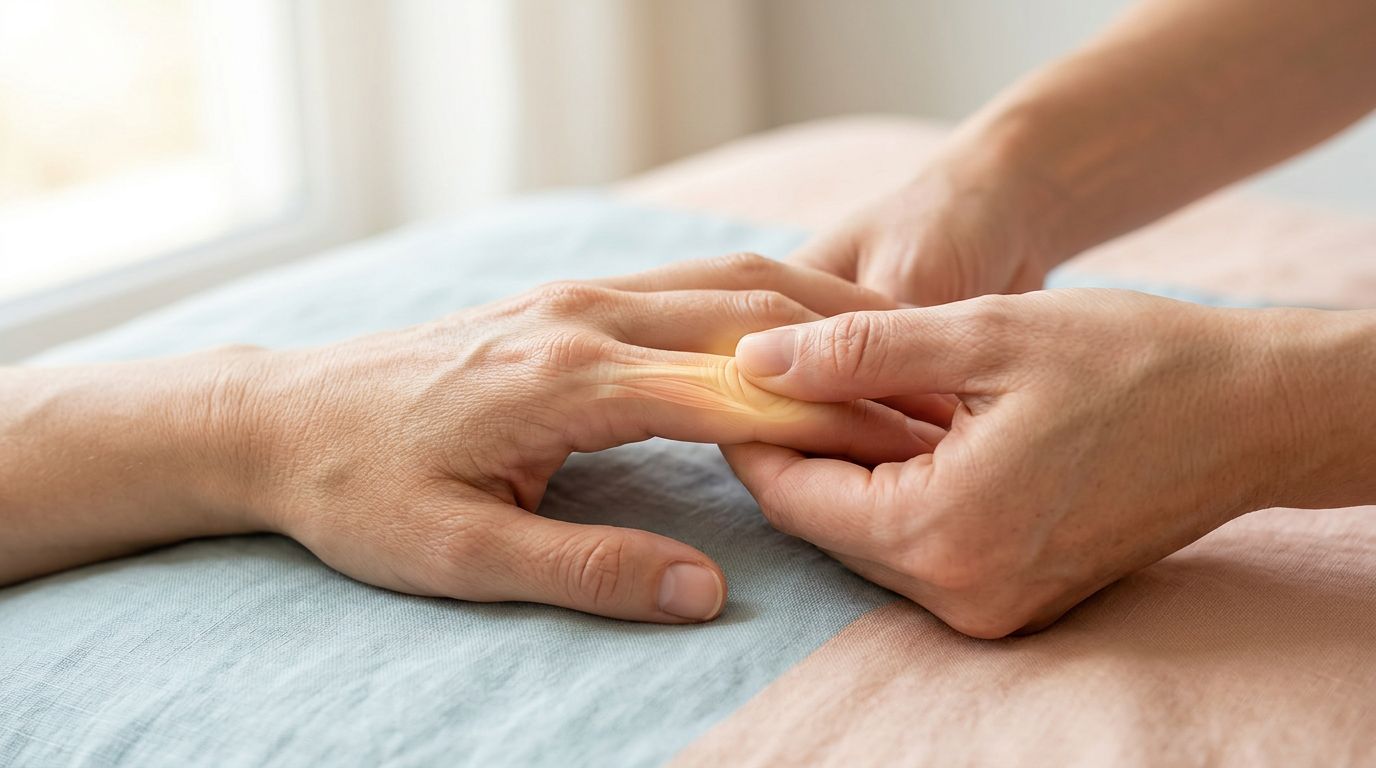
A therapist can use broad pressure to warm the area first. Then they can move into smaller strokes around the upper neck and the base of the skull. That often helps the muscle let go without feeling guarded.
There is also a practical benefit. When the splenius capitis relaxes, head turning often feels easier. That can reduce the tug you feel when you look over your shoulder, drive, or reach for something beside you.
Massage can also help if tension is tied to stress. Many people hold their head and jaw in a fixed, braced position all day. Once the tissue around the upper neck loosens, the body often stops sending the same alarm signal.
If you want a treatment built around this problem, targeted back massage for neck pain is a smart place to start. It gives the therapist room to address the upper back, neck, and shoulders together, which usually matters more than one muscle alone.
What a good treatment should feel like
A focused session should feel specific, not random. The therapist should spend time on the neck, upper shoulders, and base of the skull, because those areas often work together.
A simple session may look like this:
- The therapist starts with broader warm-up strokes to settle the tissue.
- Pressure moves closer to the upper neck, where the tight bands sit.
- The work stays within your comfort level, with steady breathing and no sharp pain.
- The session ends with easier movement and less guarding in the neck.
Soreness can happen after deeper work, but it should feel like normal muscle fatigue, not a flare-up. If the pressure feels too intense, speak up right away. Good massage is responsive. It should fit your body, not force your body to fit the technique.
Pain at the back of the head is not always a head problem. Sometimes it starts in the neck and travels upward.
That is why a skilled therapist looks at the whole pattern. If the upper traps are tight, the jaw is clenched, or the shoulders are lifted all day, the splenius capitis rarely works alone.
Signs the pain may be splenius capitis related
This muscle often leaves a pretty clear trail. You may notice one or more of these signs:
- Pain at the base of the skull
- A dull ache that gets worse when you turn your head
- Neck stiffness after desk work, driving, or stress
- Tenderness high on the back of the neck
- A headache that feels tied to posture rather than sickness
If that list sounds familiar, a neck-focused massage may help more than general relaxation work. The session can be adjusted to spend more time on the upper neck and less time where the tissue feels fine.
Still, not every headache or neck pain issue belongs in the massage room. Sudden pain after a fall, numbness, arm weakness, fever, or severe unexplained headache needs medical attention. Massage is useful for muscle tension. It is not the right answer for every cause of pain.
Pairing massage with better daily habits
Massage works best when you stop the same strain from building right back up. Small changes can make a real difference.
Keep screens closer to eye level when you can. Take short breaks during long desk stretches. Let your jaw unclench when you catch it tightening. Also, pay attention to how you sleep, because a pillow that jams the neck into one position can make morning stiffness worse.
Breathing matters too. Shallow breaths often go with shoulder tension. A few slow exhales can help the upper neck stop bracing so hard. That does not replace bodywork, but it supports it.
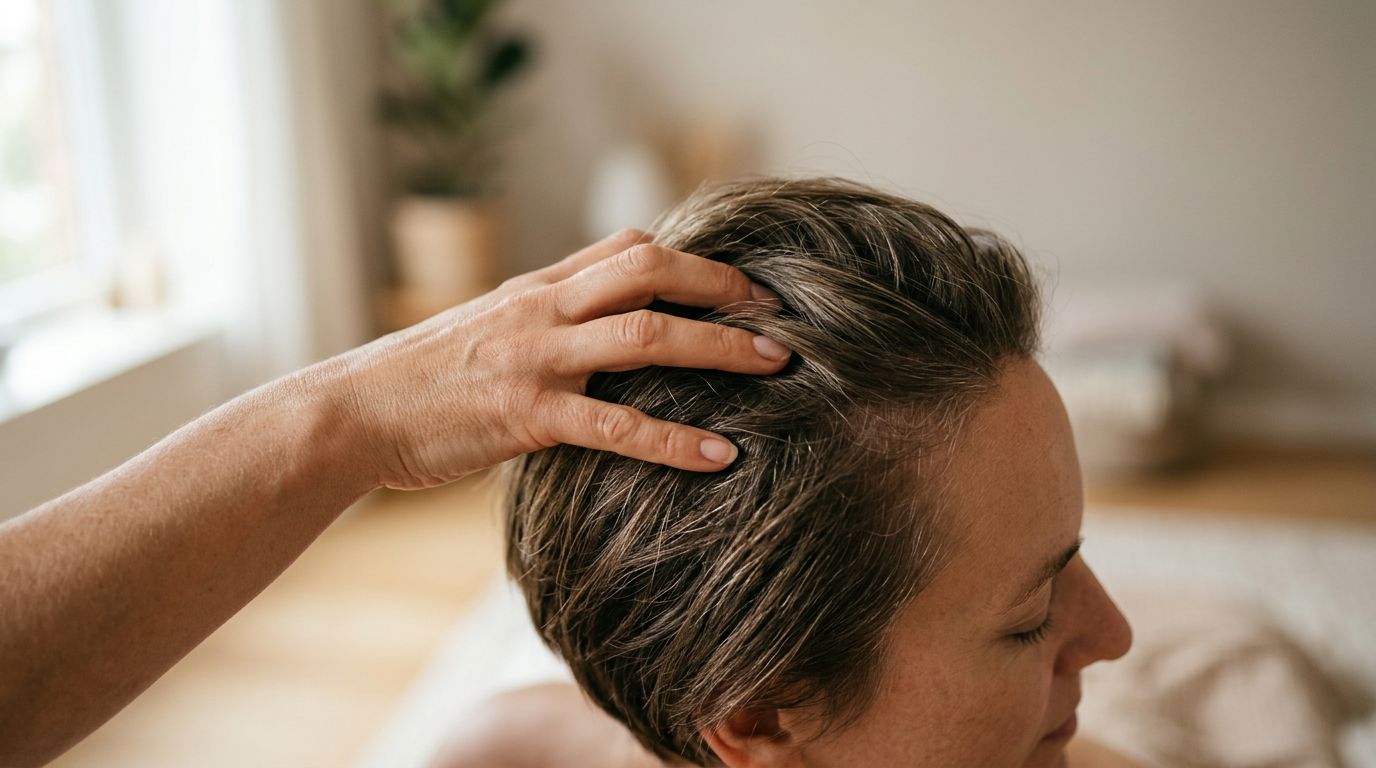
For some clients, extra spa support helps the neck settle faster. A scalp massage with essential oils or a hot towel neck and shoulder wrap can soften the area before deeper work begins. That can be especially helpful if stress shows up first in the scalp, jaw, or upper shoulders.
If you also come in for facial services, it can be useful to mention your neck tension. Jaw tightness, brow tension, and upper neck strain often travel together. The more your therapist knows, the better they can tailor the session.
Conclusion
That pressure at the base of your skull does not have to stay part of your normal day. When the splenius capitis gets overworked, the pain can feel stubborn, but it often responds well to careful, targeted work.
A good splenius capitis massage should ease the pull, calm the upper neck, and make head movement feel less guarded. If your neck has been talking back after screens, driving, or stress, that message is worth listening to.
Recent Posts