Raindrop Therapy Massage: What It Feels Like And Who Should Skip
Curious about raindrop therapy massage but not sure what you're signing up for? You're not alone. People hear "raindrops of essential oils" and imagine instant calm, like a spa day in a bottle.
The reality can be wonderfully relaxing for some, and uncomfortably intense for others. The difference often comes down to skin sensitivity, health factors, and how the practitioner applies the oils.
Below, you'll learn what a session tends to feel like, what's normal afterward, and who should skip it (or get a medical OK first).
What raindrop therapy massage is (and what makes it different)
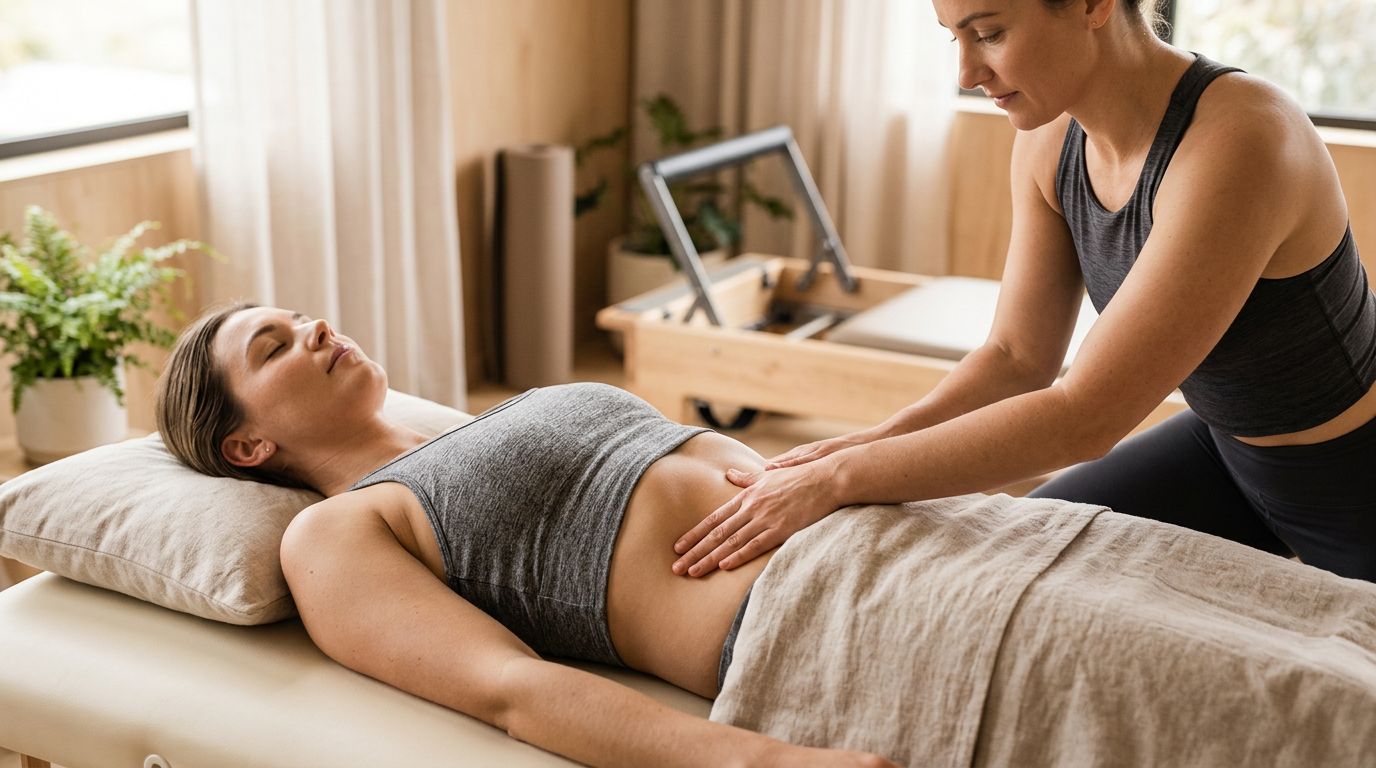
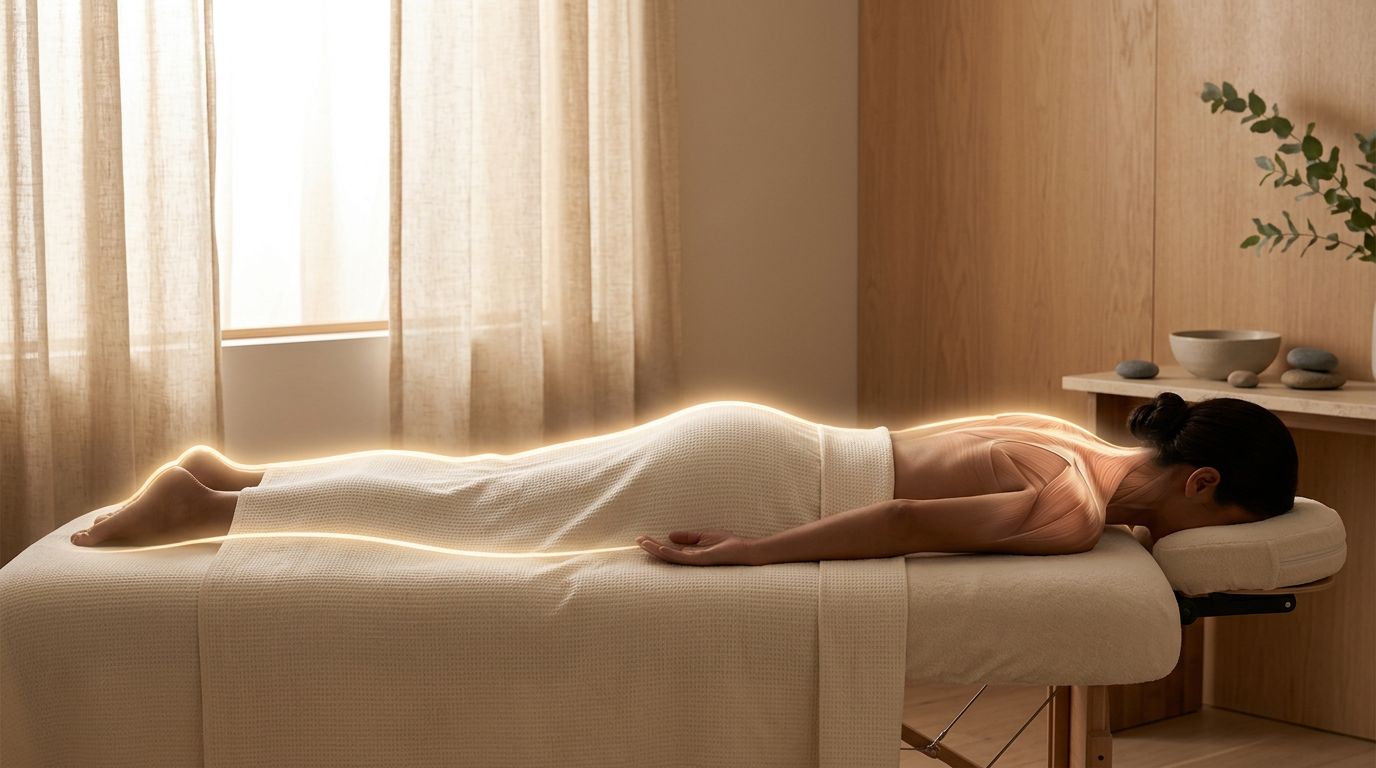
Raindrop therapy massage is a style of aromatherapy bodywork that uses essential oils applied along the spine and across the feet. The oils are typically dropped onto the skin in small amounts, then spread with a mix of light touch and massage strokes.
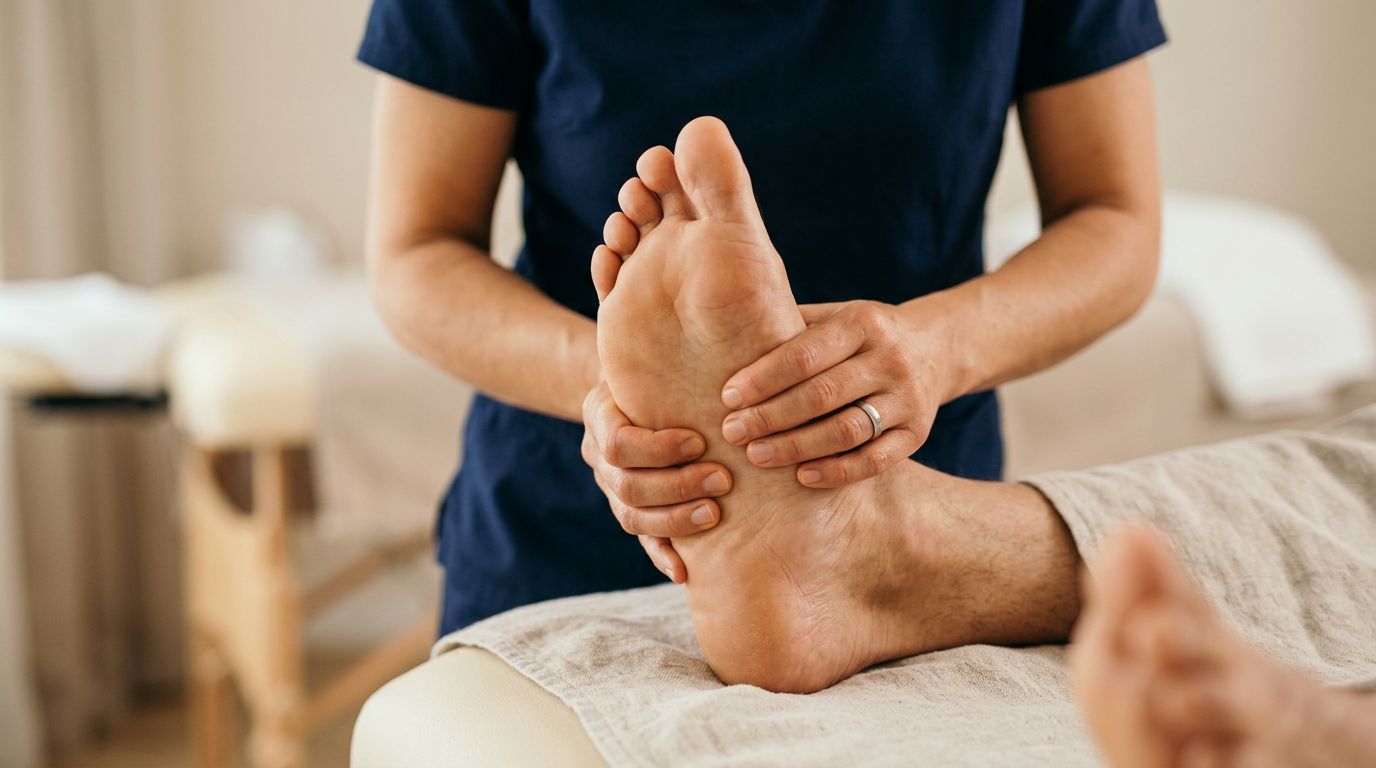
What makes it feel different than a standard aromatherapy massage is the concentration and placement of the oils. Many sessions focus heavily on the back, especially the spinal muscles. Some versions also include a foot application first, then the back, with towels used to help keep you warm while the oils settle in.
Scents are a big part of the experience. You may notice sharp, herbal notes, woodsy tones, or a "cooling" smell that clears your head. If you love aromatherapy, that can feel grounding fast. If you're scent-sensitive, it can feel like walking into a candle store and realizing you can't leave for an hour.
Pressure is usually moderate to light. Still, the session may not feel gentle if the oils create a strong sensation on your skin.
If you're expecting deep tissue work, raindrop therapy usually isn't that. Think "aroma plus technique" more than "heavy pressure massage."
One important note: protocols vary. Some therapists use pre-blended, skin-safe dilutions. Others follow traditions that use stronger applications. That's why it's smart to ask how the oils are diluted before you book.
What it feels like during a session (minute by minute sensations)
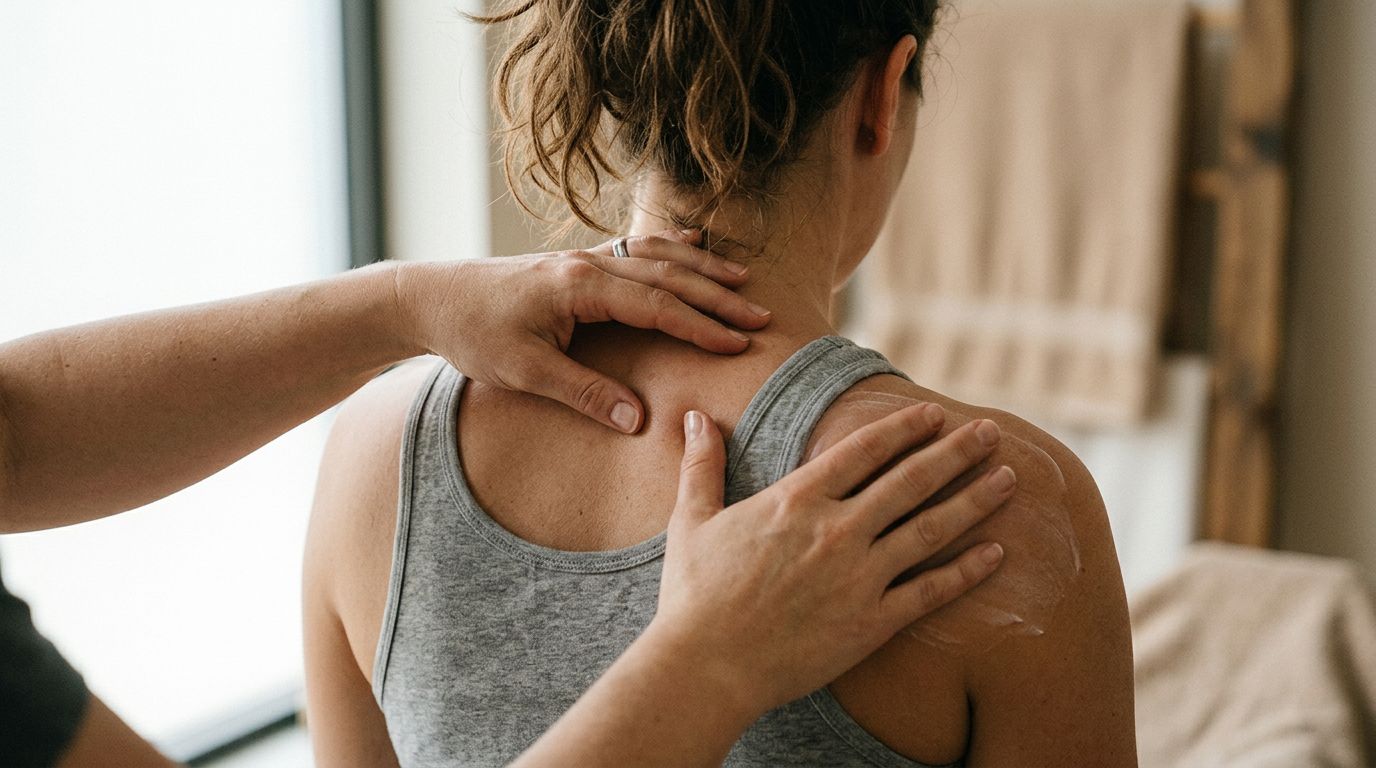
Most people notice the smell first. It can hit quickly, like opening a fresh herb jar near your face. Then you'll feel droplets land on your back. The sensation is often described as warm rain on skin, followed by slickness as the therapist spreads the oils.
Next comes the "layering" feeling. As additional oils go on, you might feel shifting temperature changes. Some oils feel warming, while others feel cool or tingly. It's not unusual for the back to feel like it's gently buzzing, almost like the skin is waking up.
As the massage strokes start, the body often responds in one of two ways:
- Melt mode : Your breathing slows, shoulders drop, and your mind gets quiet. The scent becomes soothing instead of loud.
- Alert mode : Your skin feels overstimulated, and you can't settle. Tingling turns into stinging, or the scent feels "too much."
Neither response is a character flaw. It's chemistry and nervous system input.
Here's a quick way to tell normal sensations from warning signs:
| What can be normal | What's a red flag |
|---|---|
| Mild warmth or coolness | Burning that keeps building |
| Light tingling that fades | Sharp stinging or "hot spots" |
| Skin feels slick or "coated" | Blistering, hives, or swelling |
| Scent feels strong but tolerable | Coughing, wheezing, throat tightness |
If something feels wrong, speak up right away. A skilled therapist will stop, wipe the area, and adjust. You should never feel pressured to "push through" skin discomfort. Relaxation doesn't require grit.
How you might feel afterward (the good, the weird, and the "call someone")
Right after the session, many people feel loose and calm, like their body finally exhaled. You might also feel sleepy, a little floaty, or unusually thirsty. Since scent strongly connects to memory and mood, emotions can feel closer to the surface, even if you can't explain why.
Skin can look slightly pink where the oils were applied and rubbed in. That can be normal, especially if you flush easily or your therapist used brisk strokes.
On the other hand, watch for symptoms that suggest irritation or an allergy. These don't always show up during the massage. They can appear later that day.
Pay attention if you notice:
- A rash that spreads
- Itching that doesn't settle
- Raised bumps or hives
- A headache that feels scent-triggered
- Any breathing changes
When in doubt, treat it like skin care. Rinse with gentle soap and cool water, avoid hot showers, and don't re-apply more oils at home. If symptoms are strong or scary, get medical help.
Who should skip raindrop therapy massage (or get medical clearance)
Some people are great candidates for this style of session. Others should choose a different massage, or at least take extra safety steps.
Skip raindrop therapy massage, or talk with your clinician first, if any of these apply:
You have very sensitive skin or a history of reactions. If you react to fragrances, harsh skin care, or new laundry soap, essential oils may irritate you too. Even "natural" products can cause contact dermatitis.
You have eczema, psoriasis, rosacea, or an active rash. Broken or inflamed skin absorbs more, and it's easier to trigger a flare. A soothing, unscented massage oil is often the safer choice.
You're pregnant or trying to conceive. Some essential oils aren't recommended during pregnancy. Also, nausea and scent sensitivity can be higher. If you want aromatherapy, choose a pregnancy-trained therapist using pregnancy-appropriate oils and dilutions.
You have asthma, migraines, or scent-triggered headaches. Strong aromas can irritate airways or set off head pain. A low-scent, well-ventilated session is a better fit.
You take blood thinners or have a bleeding disorder. This isn't because of the oils alone, but because massage plus certain ingredients may increase bruising risk for some people. Your prescriber can tell you what's safe.
You're immunocompromised or undergoing cancer treatment. Skin may be fragile, and sensitivity can change fast. Get clearance from your care team, then choose a therapist experienced with medical contraindications.
You're booking for a child or teen. Kids are not small adults. Their skin and nervous systems can respond more strongly. If you want aromatherapy for a younger client, ask for pediatric-appropriate dilutions and a simpler plan.
If any of that list made you pause, that's useful information. You're not "missing out" by choosing a safer session. A classic Swedish massage, a calming scalp add-on, or a gentle body treatment can feel just as restorative without the risk.
How to make it safer: what to ask before you book
A good experience starts with clear questions. You don't need to sound like an expert. You just need enough info to protect your skin and comfort.
Ask these before scheduling:
- Do you dilute essential oils before applying them to skin?
- Can we do a patch test first?
- Can you keep the scent level low or skip certain oils?
- What should I do if my skin stings during the session?
- Do you have an unscented option if I change my mind?
The best practitioners won't get defensive. They'll be glad you asked, because safety makes relaxation easier.
Conclusion
Raindrop therapy massage can feel like warm, scented "rain" followed by soothing massage strokes. For the right person, it's deeply calming. For someone scent-sensitive or skin-reactive, it can feel like too much, too fast.
Trust what your body tells you, and don't ignore burning or breathing changes. When done with smart dilution and good communication, raindrop therapy massage can be a comforting experience, not a gamble.
Recent Posts