Glute Minimus Massage for Side Hip Pain After Long Walks

STILL Massage + Skin • May 31, 2026

Share this article

A long walk should leave you tired, not aching on the outside of your hip. When side hip pain shows up after a few miles, it often points to a small muscle that has been doing more than its share of the work.

The glute minimus sits deep in the outer hip and helps steady your pelvis with every step. When it gets overworked, tight, or irritated, the pain can feel like a dull throb on the side of the hip, sometimes with a pull into the outer thigh.

Glute minimus massage can help calm that area and make walking feel easier again. The key is knowing what causes the pain and how to treat it without pressing into the wrong spot.

Why side hip pain shows up after long walks

The glute minimus helps keep your pelvis level when one foot leaves the ground. That matters a lot during long walks, because each step asks the same small muscles to stabilize you again and again.

If those muscles are weak, tired, or tight, the load shifts. Then the outside of the hip starts to complain. Hills, uneven sidewalks, long strides, and worn-out shoes can make the problem worse.

Pain from this area often feels different from a deep joint ache. You may notice soreness when you climb stairs, stand after sitting, or lie on the sore side. Some people feel a sharp twinge when they step up onto a curb.

Several things can feed the problem:

  • A sudden jump in walking distance
  • Tight hips from sitting for long hours
  • Weak glutes that do not share the load well
  • Shoes that have lost support
  • Repeated walking on slanted or uneven ground

The outside of the hip also has nearby muscles that work together, including the glute medius and tensor fasciae latae. When one area tightens up, the others often pick up the slack. That is why the pain can feel broad, even when one small muscle is at the center of it.

A sore outer hip after a long walk often means overload, not damage. Soft tissue work can help when the pain changes with movement and touch.

How glute minimus massage can help

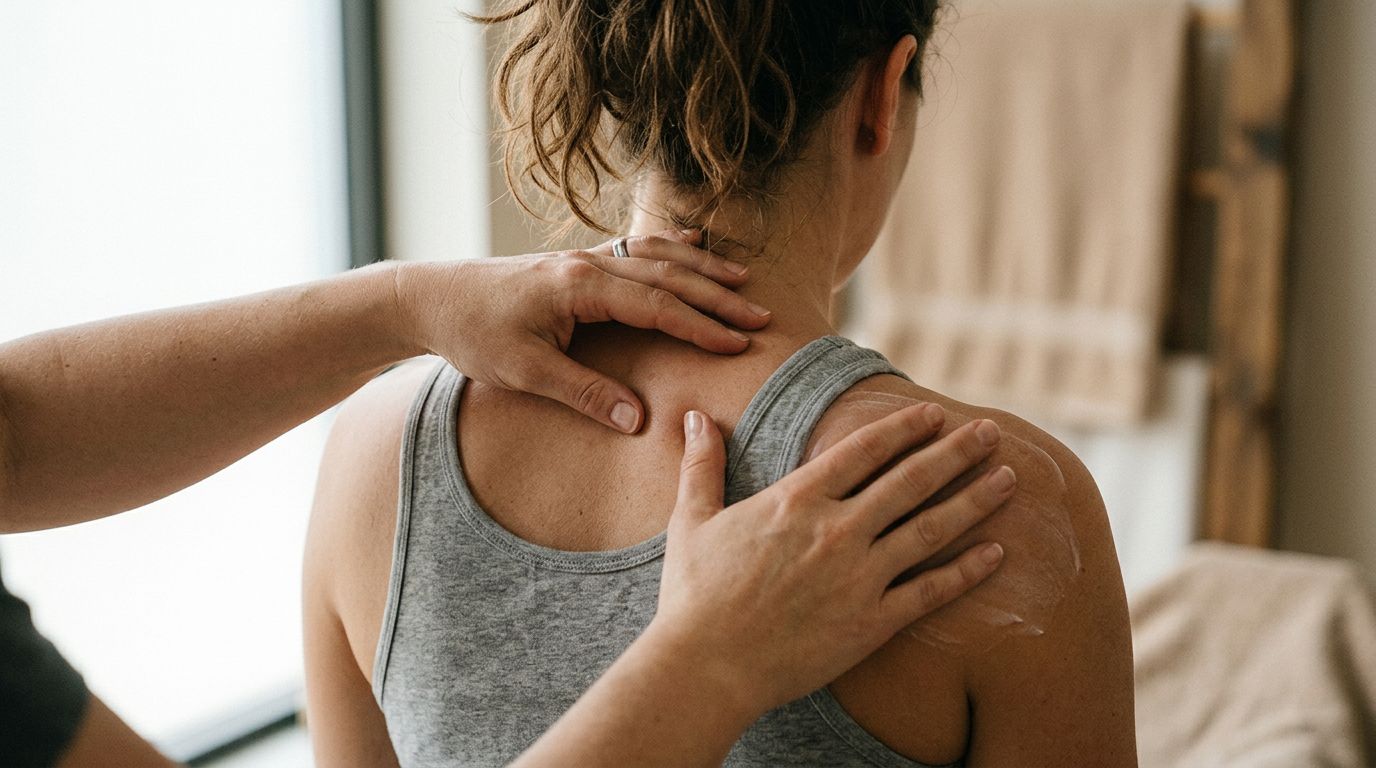
A well-done glute minimus massage aims to quiet the muscle, not force it to loosen. Gentle pressure can ease the guard response that builds after repeated walking. It may also help the tissue feel warmer and less stiff.

That matters because a tight hip does not move well. When the muscle fibers relax, the pelvis can shift more smoothly with each step. As a result, the outer hip may feel less strained on your next walk.

Massage can also ease trigger points in the deep glute muscles. These tender spots often send pain into the side of the hip or down the outer thigh. Working on them can reduce that referral pattern and make the whole area feel calmer.

Pressure should stay on the muscle belly, not the bone. The side of the hip has a bony point that can feel sore if it gets poked too hard. Slow, steady contact works better than sharp digging.

If the pain keeps coming back after your walks, custom massage therapy sessions can target the deep hip muscles, nearby glutes, and low back in one visit. That helps when the issue is spread across more than one tight spot.

Massage works best when the area still responds to touch and movement. If the pain feels hot, swollen, numb, or unstable, it needs a closer look before more pressure goes on it.

A simple home routine that feels safe

You do not need a hard tool or a long session to get started. A few calm minutes can help, as long as the pressure stays comfortable and the pain does not spike.

Start with warmth. A warm shower, heating pad, or a brisk but easy walk around the room can help the tissues soften. Then move into light pressure.

  1. Find the tender area

    Sit or stand and place your fingers just behind and above the bony point on the side of the hip. You are looking for a tender, tight spot in the muscle, not the bone itself. If you use a ball, place it against a wall so you can control the pressure.

  2. Apply slow pressure

    Hold the spot for 20 to 30 seconds. Breathe out slowly. The goal is a dull, workable ache, not a sharp sting. If the pain jumps or spreads, back off right away.

  3. Use small circles or gentle sweeps

    Once the area softens a little, make tiny circles or short passes across the muscle. Keep the movement slow. Fast rubbing often makes the tissue guard harder.

  4. Work both sides of the hip

    The glute minimus often teams up with the glute medius and nearby outer hip muscles. Treat the full side of the hip, not just one tiny point. That wider approach often feels better and lasts longer.

  5. Finish with movement

    Stand up and take a few easy steps. Then do a gentle figure-four stretch or a short bodyweight bridge if it feels good. Movement helps the muscle remember a better pattern.

A useful rule is simple: the area should feel looser after massage, not angry. Mild tenderness is fine. Sharp pain, tingling, or numbness is not.

If you want a tool, a soft massage ball or a lacrosse ball wrapped in a towel can work. Keep the pressure light at first. You can always add a little more later, but it is hard to undo a too-hard press.

What keeps the pain from coming back

Side hip pain after long walks often returns when the same stress shows up again. So the real fix is usually a mix of recovery, pacing, and stronger support around the hip.

A few small changes can help:

  • Cut your walking distance back for a few days if the pain flares.
  • Pick flatter routes when possible.
  • Check your shoes for worn soles or poor support.
  • Add glute work twice a week, such as bridges, clamshells, or side-lying leg lifts.
  • Avoid taking very long strides, since they can strain the outer hip.

If the hip feels stiff, gentle heat before movement may help. If it feels irritated after a long walk, a short ice pack session can calm it down. Use the option that feels better, and keep it brief.

Pay attention to how your body reacts to hills, speed, and surface changes. A steep trail may be fine on one day and too much on another. That does not mean you need to stop walking. It means your hip is giving you a limit to respect.

Some pain patterns need more than home care. If your side hip pain lasts more than a couple of weeks, wakes you at night, or keeps getting worse, get it checked. The same goes for numbness, weakness, major swelling, fever, or pain after a fall.

A therapist or clinician can help sort out whether the pain is coming from the glute minimus, another hip muscle, a tendon, or the joint itself. That matters because each one needs a different plan.

Conclusion

Long walks can bring out tightness in the glute minimus , especially when your hip has been carrying extra load. Gentle massage can ease that strain, improve movement, and make the outside of the hip feel less stubborn.

The best results come from calm pressure, smart pacing, and a little attention to the muscles that support every step. If your hip keeps sending the same warning after each walk, that is a sign to treat the area before it turns into a bigger problem.

Recent Posts

By STILL Massage + Skin June 2, 2026
Upper back knots can turn ordinary things into work. A desk chair feels harsher. A deep breath can pull. Even carrying groceries can wake up the same sore spot again. Both trigger-point massage and myofascial release can help, but they do not work the same way. One goes after...
By STILL Massage + Skin June 1, 2026
Hours at a mouse can leave your hand sore in a spot that feels oddly specific, right between the thumb and index finger. That little web of muscle does more work than most people realize. When it gets tight, clicking, dragging, and gripping start to feel heavy. A gentle first...
By STILL Massage + Skin May 30, 2026
After a long stretch on your phone or laptop, your forehead can feel tired in a way that's hard to ignore. The skin may look normal, but the muscles above your brows can feel tight, heavy, or slightly sore. That's where frontalis massage can help. It gives the forehead a break...
By STILL Massage + Skin May 29, 2026
Pilates can leave your core feeling strong, stable, and a little locked up. If the front of your abdomen feels tight after class, you may be holding tension in the rectus abdominis , the long muscle that runs down the front of your stomach. That tight, braced feeling often sho...
By STILL Massage + Skin May 28, 2026
Ball of foot pain can turn an easy walk into a careful shuffle. If the ache sits under the front of your foot, the flexor digitorum brevis may be part of the problem. This small muscle helps bend your toes and support the arch. When it gets tight, irritated, or overworked, eve...
By STILL Massage + Skin May 27, 2026
Hours in a chair can leave your hips feeling like they forgot how to open. When the discomfort sits deep in the front of the hip, stretching harder usually makes it worse, not better. That tight, stuck feeling often points to the iliacus, a deep hip flexor that works every tim...
By STILL Massage + Skin May 26, 2026
One afternoon in the yard can leave your low back feeling twisted, locked, and irritated on just one side. That kind of pain often shows up after repeated bending, lifting, raking, or hauling bags of mulch. A multifidus massage can help when the tightness comes from deep spina...
By STILL Massage + Skin May 25, 2026
A tight outer forearm after tennis, pickleball, squash, or badminton can make even simple things feel awkward. Turning a door handle, holding a coffee cup, or picking up your racquet can all pull on the same sore spot. The supinator massage approach focuses on a small muscle t...
By STILL Massage + Skin May 24, 2026
Chronic tension can feel small at first, then it spreads into your neck, shoulders, back, jaw, or hips. That is why the choice between full-body massage and targeted work matters more than many people think. The best chronic tension massage is not always the strongest one. It...
By STILL Massage + Skin May 23, 2026
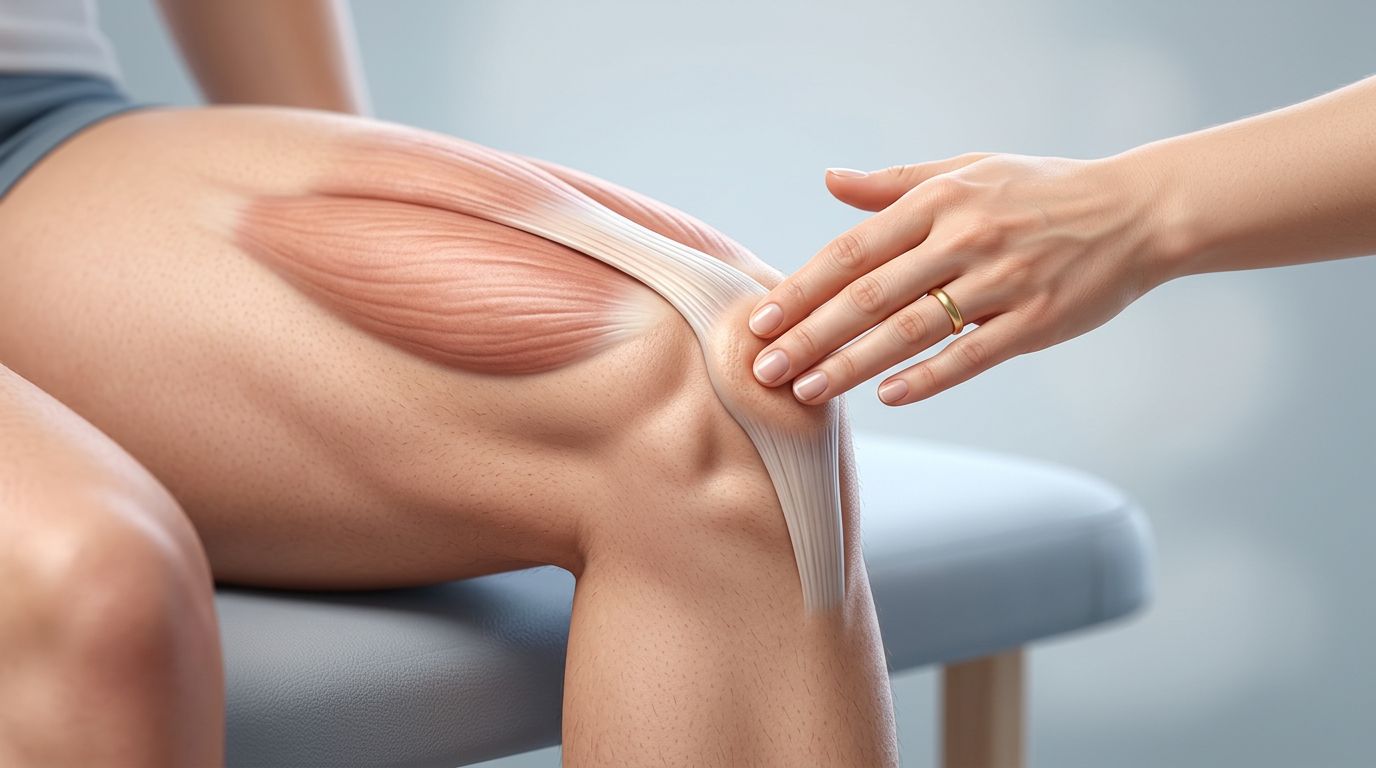
Pain above the kneecap can make stairs, squats, and even getting up from a chair feel annoying fast. Often, the trouble sits in the quadriceps tendon, the strong band that connects your thigh muscles to the top of the kneecap. That area can get sore after overuse, tight traini...
Show More