Multifidus Massage for One-Sided Low-Back Tightness After Yard Work

STILL Massage + Skin • May 26, 2026

Share this article

One afternoon in the yard can leave your low back feeling twisted, locked, and irritated on just one side. That kind of pain often shows up after repeated bending, lifting, raking, or hauling bags of mulch.

A multifidus massage can help when the tightness comes from deep spinal muscles that have gone into protection mode. The goal is simple, calm the area, ease the guarding, and help your back move like it should again.

Why Yard Work Hits One Side of the Lower Back Hard

Yard work rarely uses your body in a balanced way. You twist to toss weeds, reach to trim, then bend again to lift. One side of your back often works harder, especially if you always shovel or rake from the same stance.

That repeated load can make the deep muscles beside the spine tighten up. The multifidus is one of them. It helps steady each small segment of the low back, so when it gets irritated, the area can feel stiff and stuck instead of smooth and flexible.

You may notice the pain on one side after mowing, edging, or pulling roots. Sometimes it feels like a rope or knot near the spine. Other times, it shows up when you try to stand up straight after crouching for a while.

The body does this for protection. It braces around a tired area, which can help for a short time, but it also makes movement harder. That is why one-sided low-back tightness can linger long after the weeds are gone.

A few common triggers stand out:

  • Repeated twisting while lifting bags, pots, or tools
  • Holding a bent position for too long
  • Reaching across the body with one arm
  • Working on uneven ground
  • Pushing through fatigue instead of stopping early

When the same movement pattern repeats for an hour or more, the back starts to complain. The deep muscles tighten first, and the larger muscles often follow.

How Multifidus Massage Helps Guarded Low-Back Tissue

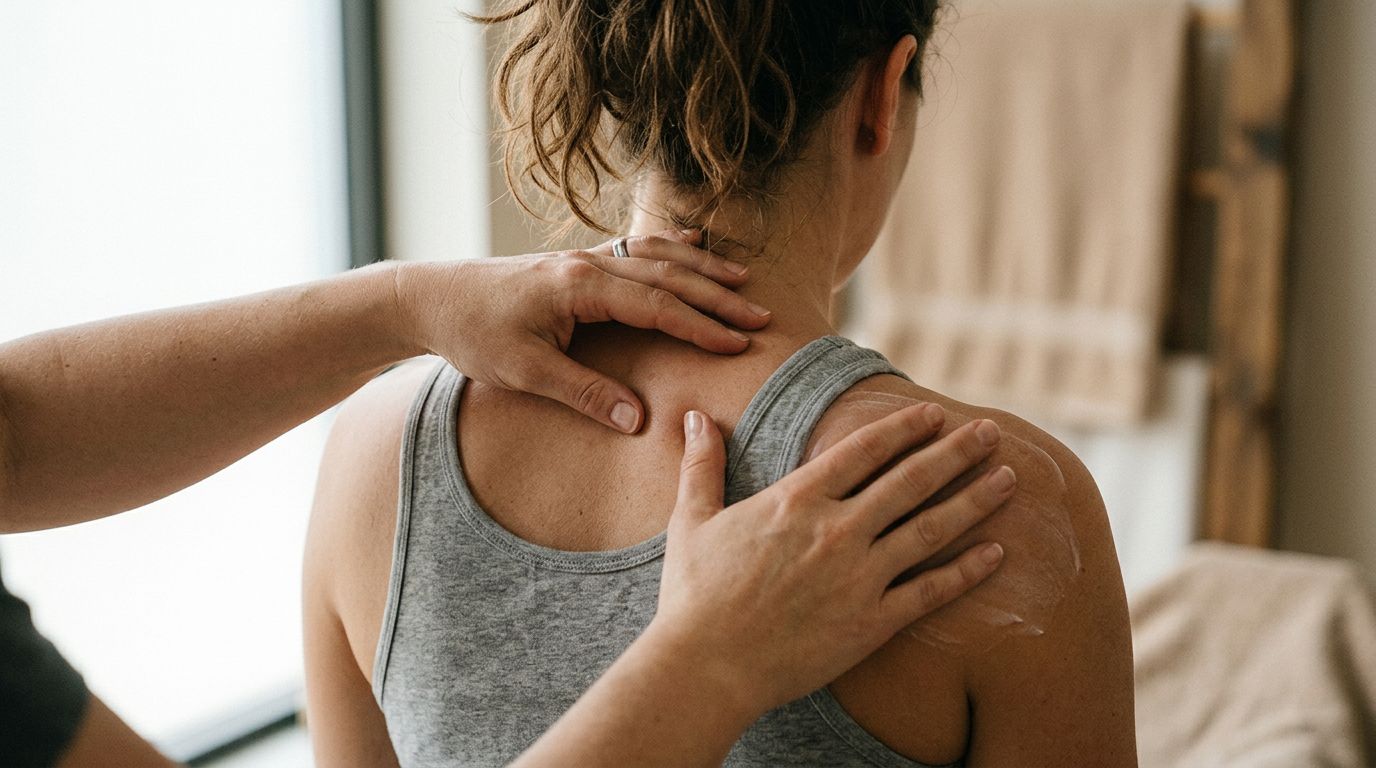
A good multifidus massage does not rely on brute force. It uses slow, careful pressure to help the surrounding muscles let go. Because the multifidus sits deep along the spine, the therapist usually works through nearby tissue first, including the low back, hips, glutes, and sometimes the upper pelvis.

That matters because tension rarely stays in one tiny spot. If the low back is guarded, the muscles around it often join in. A focused session can reduce that overall tension so the body stops bracing as hard.

Warmth often helps too. When tissue feels cold and stiff, gentle heat or slower strokes can make it easier for the body to soften. After that, more specific work can feel useful instead of sharp or overwhelming.

Deep pressure helps only when your body can relax around it. If you brace against it, the muscle stays on guard.

A skilled therapist will also pay attention to your position. Side-lying work, bent knees, or a pillow under the hips can make a big difference when one side of the back is irritated. Small changes in support often let the deeper muscles relax faster.

The best sessions feel targeted, not punishing. You should feel pressure that makes sense for the pain you have, not a fight with your own back.

Signs the Multifidus May Be Part of the Pain

Not every ache after yard work comes from the same place. Still, certain signs point toward deep stabilizer muscles like the multifidus getting overloaded.

Look for these patterns:

  • Pain stays mostly on one side of the low back
  • Tightness shows up after bending, twisting, or lifting
  • Standing up from a crouch feels stiff or slow
  • Turning in bed pulls on the same spot
  • The area feels tender beside the spine, not just across the whole back
  • Gentle walking helps a little, while stillness makes it worse

This pattern often feels different from a sharp injury. It can seem dull, tight, or stubborn. The pain may come and go, but the stiffness sticks around.

That said, some symptoms need more attention. Numbness, tingling, leg weakness, pain that shoots far down the leg, fever, or changes in bladder or bowel control should not be brushed off. Those signs call for medical care, not just massage.

If your pain started after a slip, a hard fall, or a sudden pop, get it checked. Yard work can strain a muscle, but it can also reveal a more serious problem.

What to Do Before and After Your Massage

A little prep can make a multifidus massage work better. The back usually responds best when it is not already upset by more digging, lifting, or long periods of bending.

Before your session, try to note what set the pain off. Was it shoveling mulch, pulling weeds, or carrying heavy pots? That detail helps the therapist choose the right pressure and position. Wear comfortable clothes, drink some water, and avoid coming in after a fresh round of yard chores.

After the massage, keep things simple. A short walk can help the back stay loose. Heat may feel good if the area still feels tight. Heavy yard work, on the other hand, can bring the same pain right back.

A few smart habits help the results last longer:

  • Rest the area for the rest of the day
  • Move gently instead of staying still for hours
  • Use heat if the muscles feel stiff
  • Return to yard work in smaller bursts
  • Switch sides or tasks when possible

If the back starts to tighten again quickly, that usually means the muscles are still protecting the area. The message is clear, the body needs a slower return to activity.

When Professional Massage Makes the Most Sense

Some cases of one-sided low-back tightness ease after a day or two of rest and light movement. Others keep coming back every time you mow, rake, or lift. That is when a targeted massage can help more than waiting it out.

Professional care is especially useful when the pain sits in the same spot again and again. A therapist can adjust the pressure, work the hips and glutes, and focus on the tissues that support the low back. If you want professional massage therapy in Englewood , a customized session can match the way your body is responding right now.

That kind of treatment matters because no two backs complain in the same way. One person needs slow work around the pelvis. Another needs more attention to the side of the low back and the muscles that twist the trunk. A good session follows the pattern your body shows.

If the tightness is mild and recent, massage may be enough along with rest and lighter movement. If it keeps returning, that usually means your back wants more than a quick fix.

Conclusion

One-sided low-back tightness after yard work is often a sign that the deep stabilizers, including the multifidus, have gone into defense mode. That can make the area feel locked, sore, and hard to trust.

A multifidus massage works best when it calms the whole chain around the spine, not just one tender point. With the right pressure, good positioning, and enough time for the tissue to settle, the back can start moving more freely again.

If the pain keeps showing up after yard work, or if you notice warning signs like leg symptoms or weakness, get it assessed. Your back is usually telling you something simple, it needs less strain, more balance, and a little room to relax.

Recent Posts

By STILL Massage + Skin June 2, 2026
Upper back knots can turn ordinary things into work. A desk chair feels harsher. A deep breath can pull. Even carrying groceries can wake up the same sore spot again. Both trigger-point massage and myofascial release can help, but they do not work the same way. One goes after...
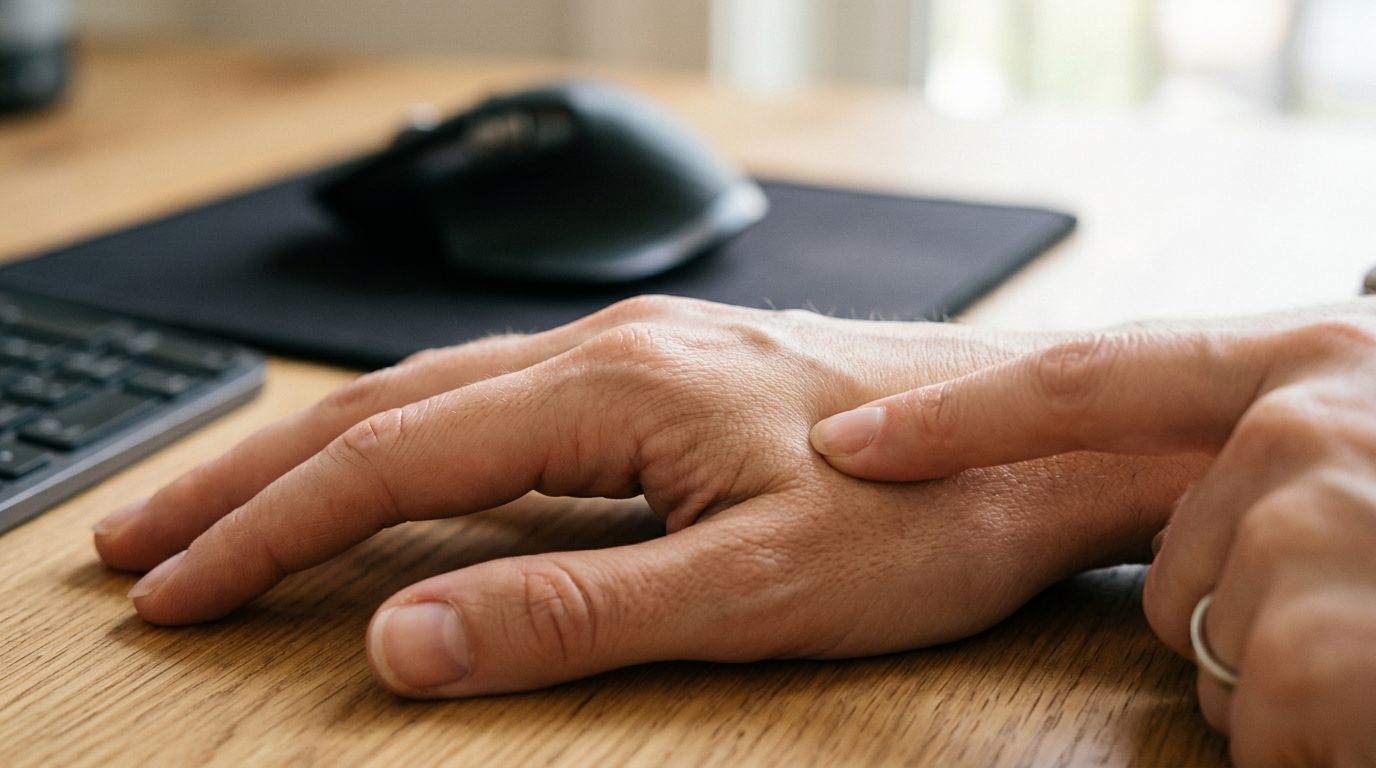
By STILL Massage + Skin June 1, 2026
Hours at a mouse can leave your hand sore in a spot that feels oddly specific, right between the thumb and index finger. That little web of muscle does more work than most people realize. When it gets tight, clicking, dragging, and gripping start to feel heavy. A gentle first...

By STILL Massage + Skin May 31, 2026
A long walk should leave you tired, not aching on the outside of your hip. When side hip pain shows up after a few miles, it often points to a small muscle that has been doing more than its share of the work. The glute minimus sits deep in the outer hip and helps steady your p...
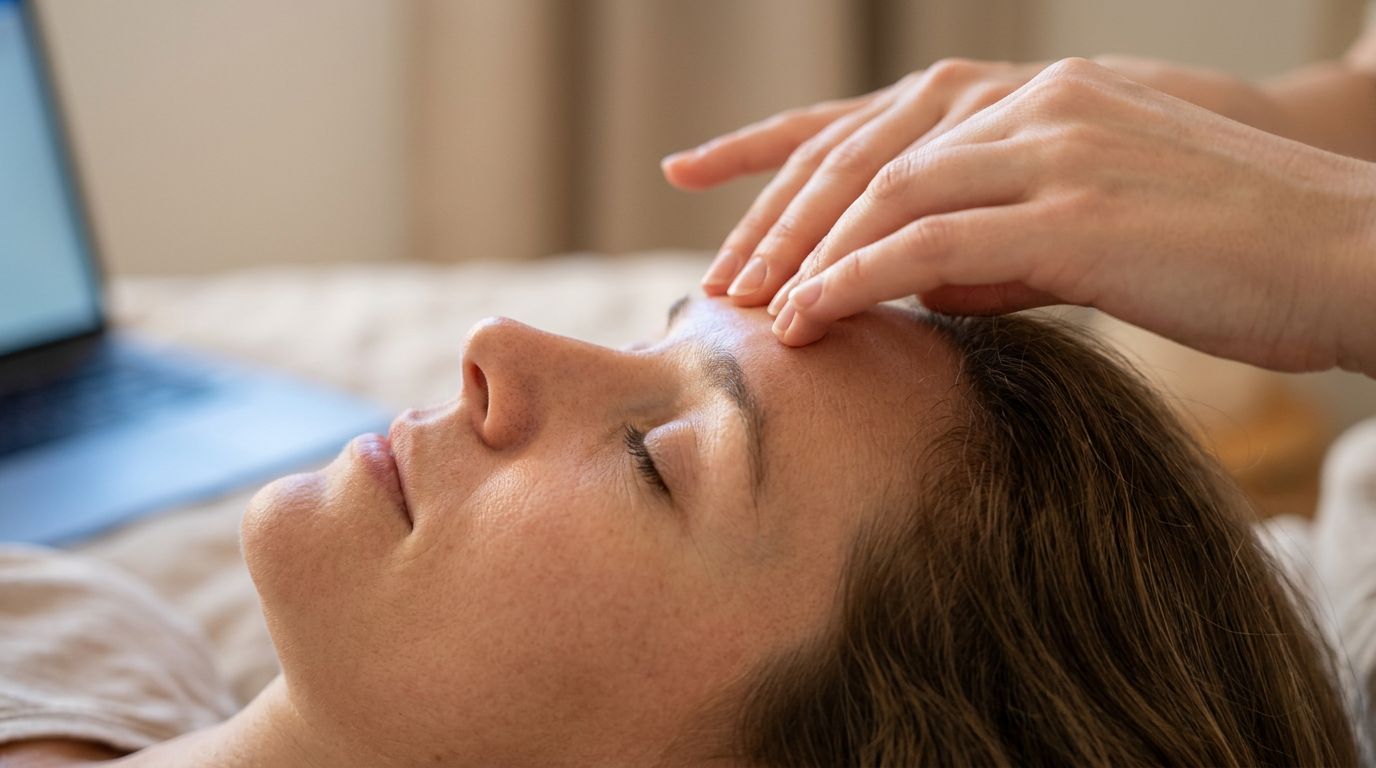
By STILL Massage + Skin May 30, 2026
After a long stretch on your phone or laptop, your forehead can feel tired in a way that's hard to ignore. The skin may look normal, but the muscles above your brows can feel tight, heavy, or slightly sore. That's where frontalis massage can help. It gives the forehead a break...
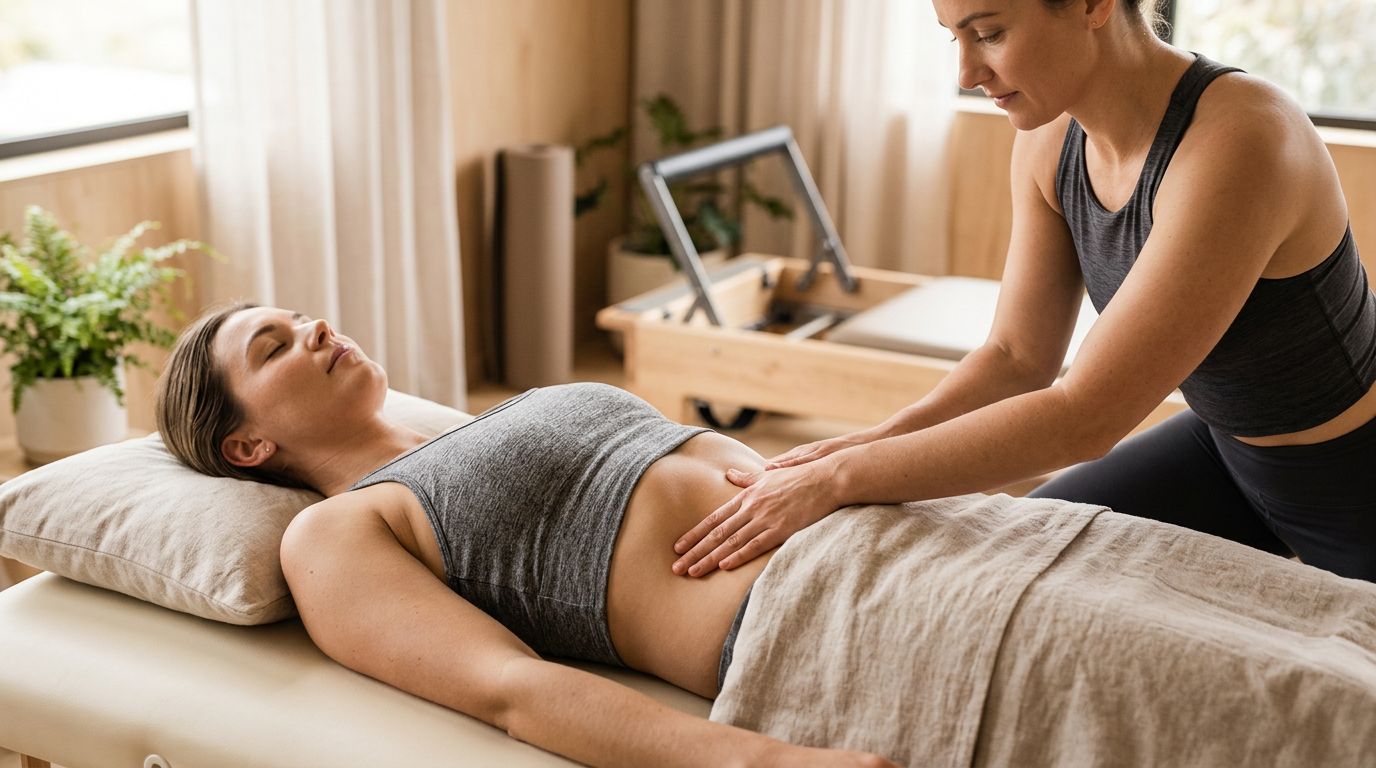
By STILL Massage + Skin May 29, 2026
Pilates can leave your core feeling strong, stable, and a little locked up. If the front of your abdomen feels tight after class, you may be holding tension in the rectus abdominis , the long muscle that runs down the front of your stomach. That tight, braced feeling often sho...
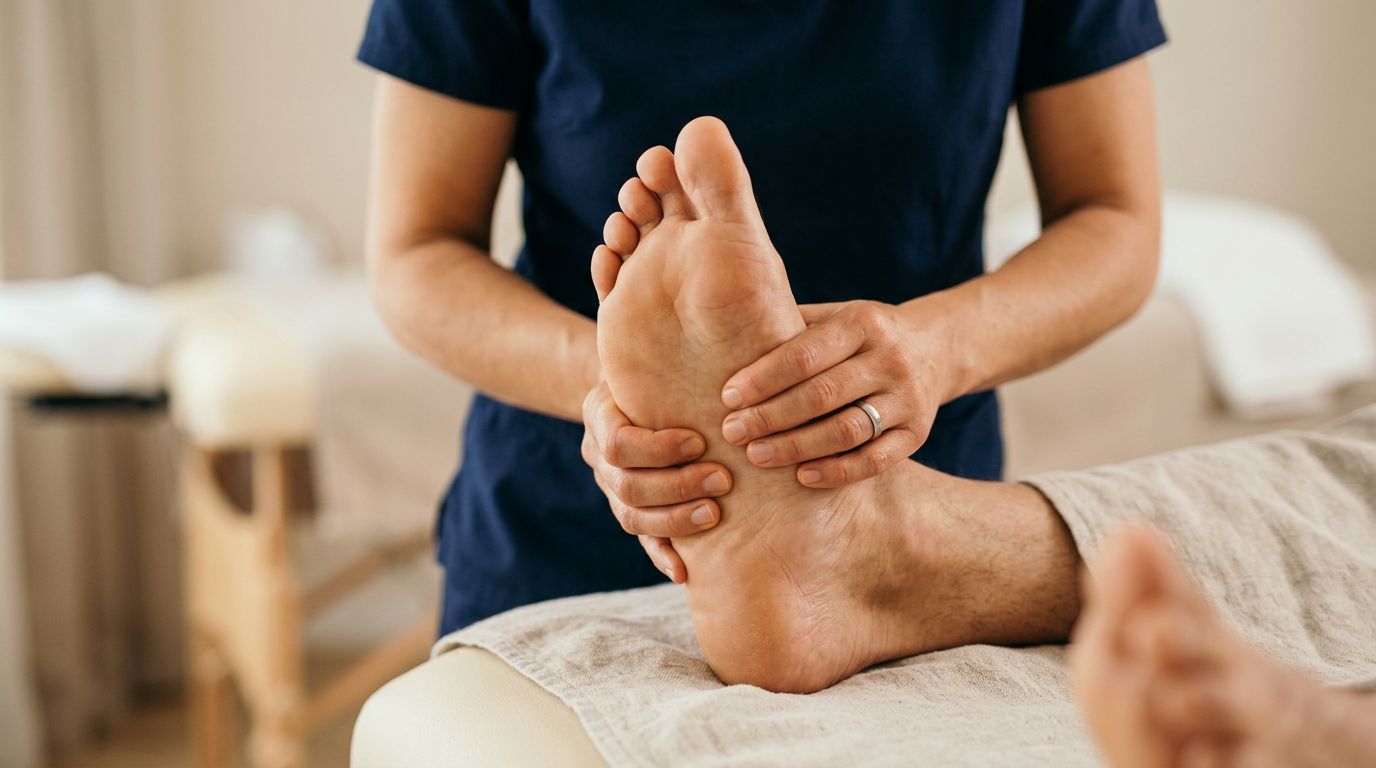
By STILL Massage + Skin May 28, 2026
Ball of foot pain can turn an easy walk into a careful shuffle. If the ache sits under the front of your foot, the flexor digitorum brevis may be part of the problem. This small muscle helps bend your toes and support the arch. When it gets tight, irritated, or overworked, eve...
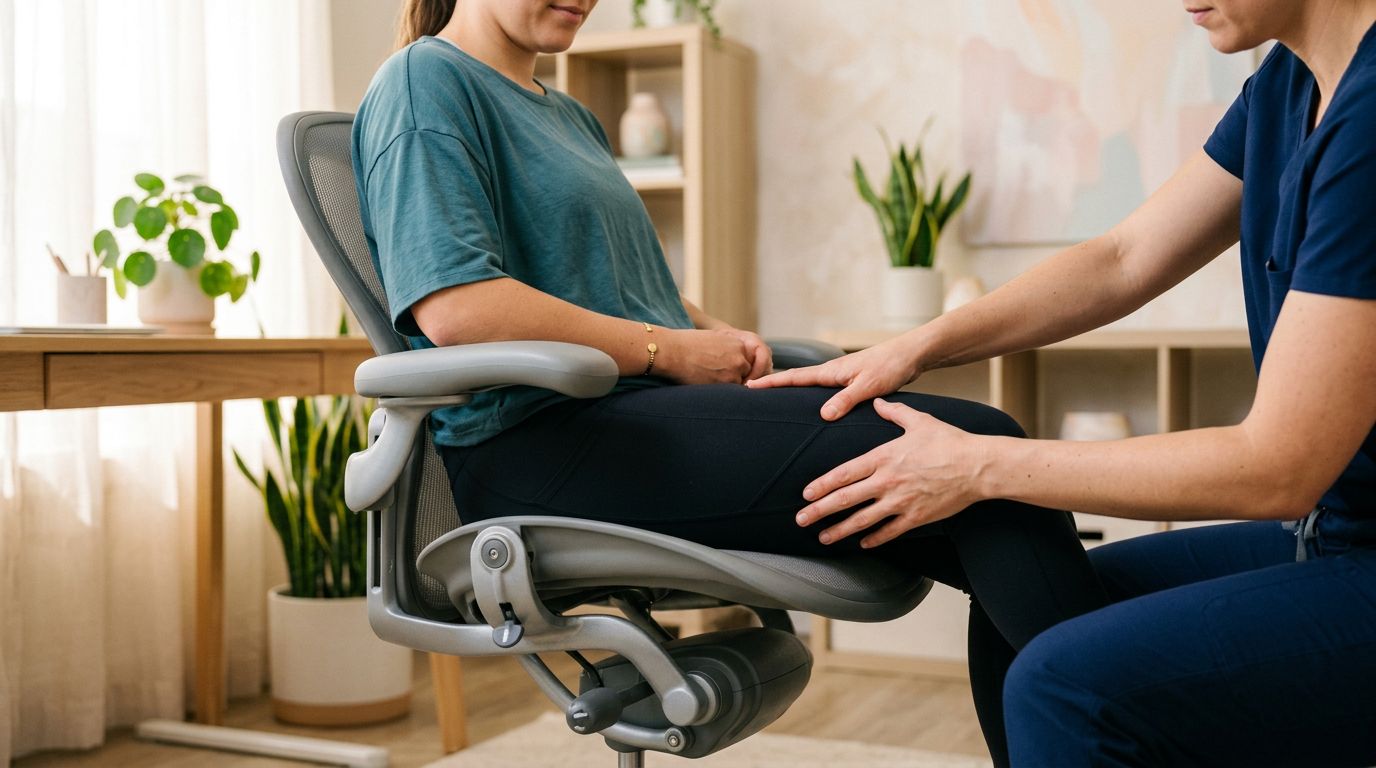
By STILL Massage + Skin May 27, 2026
Hours in a chair can leave your hips feeling like they forgot how to open. When the discomfort sits deep in the front of the hip, stretching harder usually makes it worse, not better. That tight, stuck feeling often points to the iliacus, a deep hip flexor that works every tim...
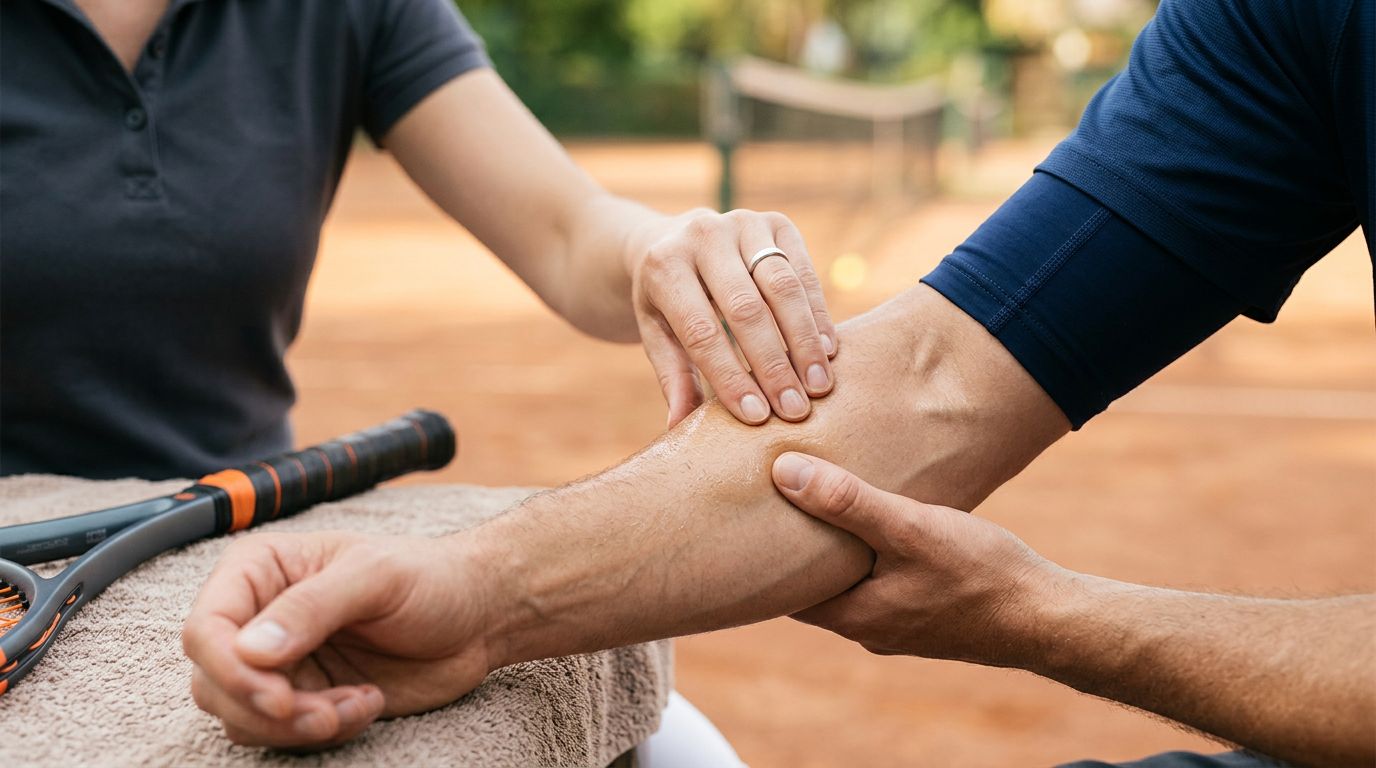
By STILL Massage + Skin May 25, 2026
A tight outer forearm after tennis, pickleball, squash, or badminton can make even simple things feel awkward. Turning a door handle, holding a coffee cup, or picking up your racquet can all pull on the same sore spot. The supinator massage approach focuses on a small muscle t...
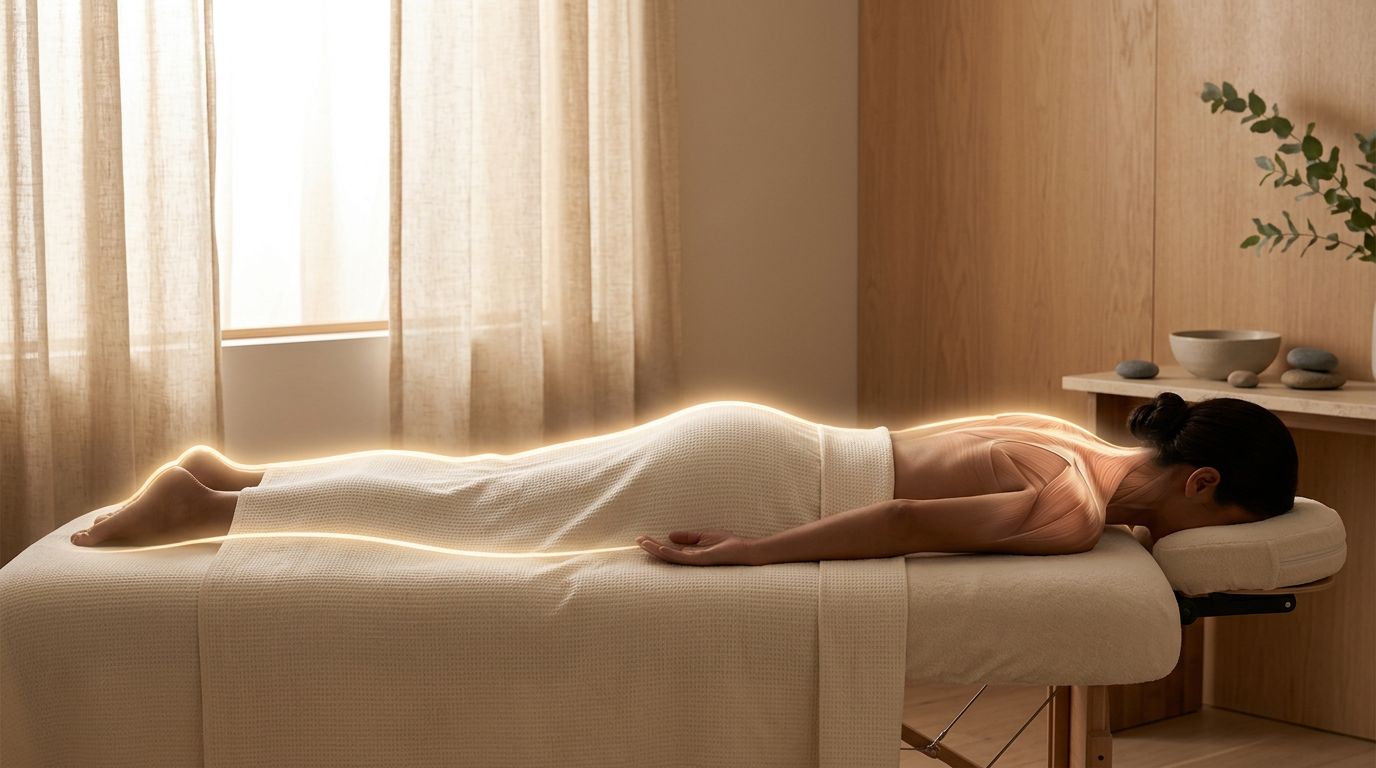
By STILL Massage + Skin May 24, 2026
Chronic tension can feel small at first, then it spreads into your neck, shoulders, back, jaw, or hips. That is why the choice between full-body massage and targeted work matters more than many people think. The best chronic tension massage is not always the strongest one. It...
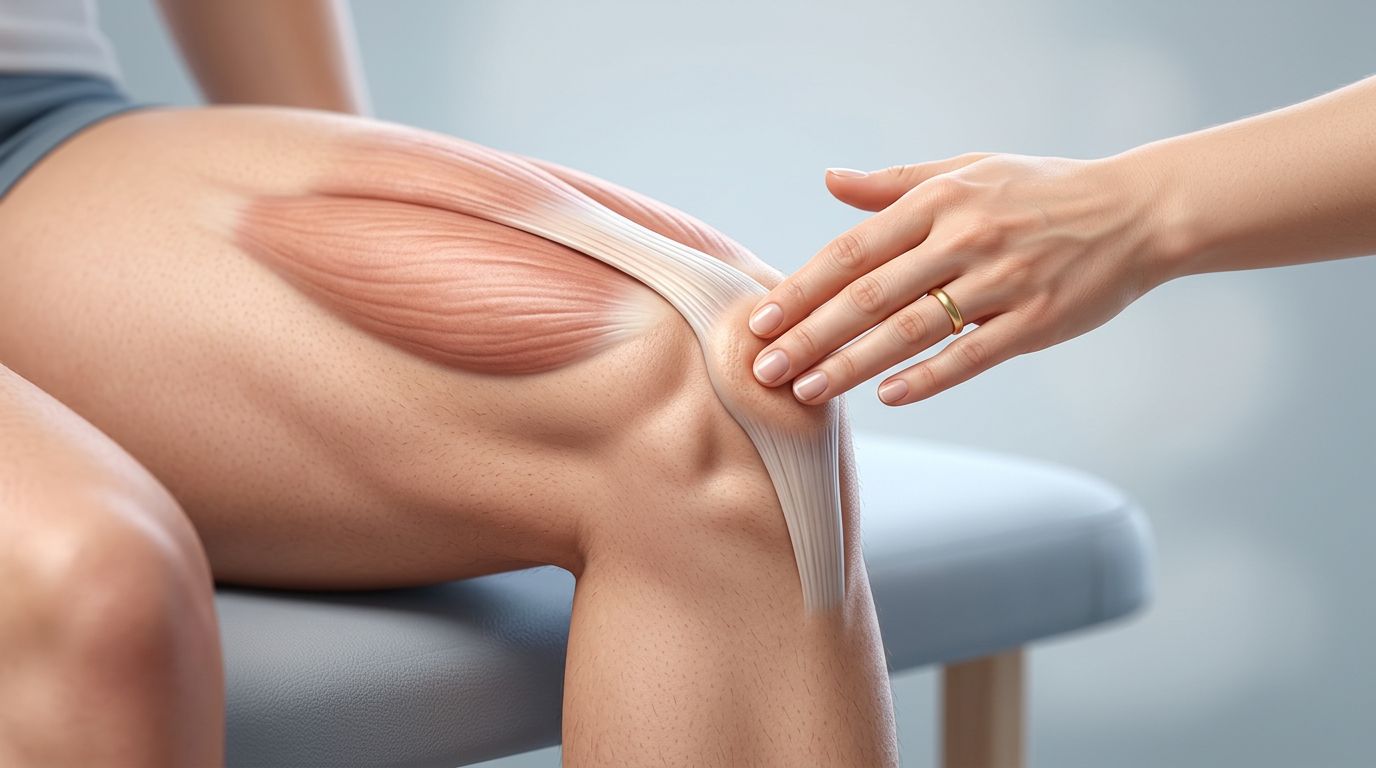
By STILL Massage + Skin May 23, 2026
Pain above the kneecap can make stairs, squats, and even getting up from a chair feel annoying fast. Often, the trouble sits in the quadriceps tendon, the strong band that connects your thigh muscles to the top of the kneecap. That area can get sore after overuse, tight traini...
Show More