Himalayan Salt Stone Ritual Massage For Stress Relief And Muscle Warmth
When your shoulders feel like they're carrying a backpack of stress, "just relax" doesn't help much. Your body needs a clear signal that it's safe to soften.
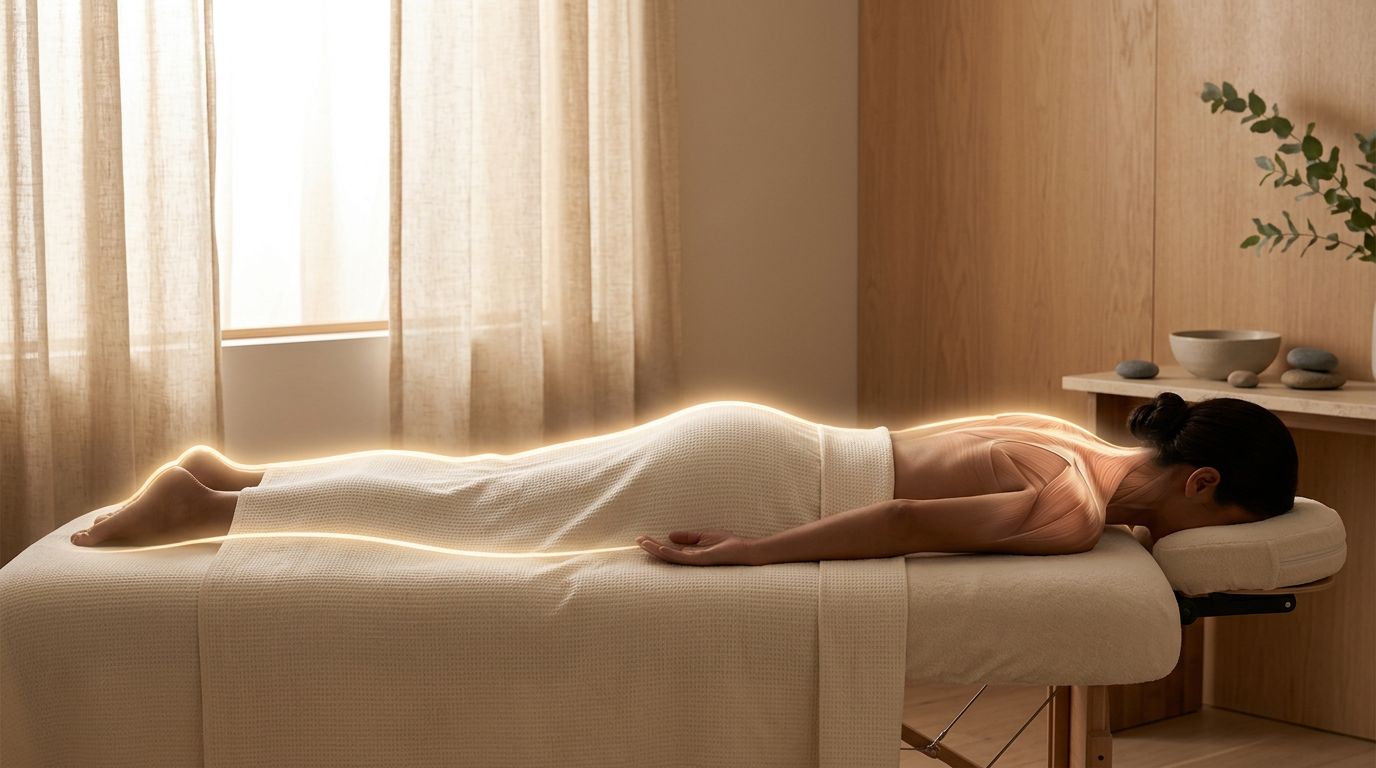
A salt stone massage uses smooth, warmed Himalayan salt stones to bring that signal through steady heat and gliding pressure. The goal is simple: calm the nervous system, warm tight muscles, and help you feel more comfortable in your own skin.
If you like the idea of heat therapy but want something a little different from classic hot stones, this ritual style can feel like a slow exhale from the inside out.
Why Himalayan salt stones feel so soothing (and why warmth matters)
Heat changes how the body "receives" touch. When muscles are guarded, deeper work can feel sharp or overwhelming. Warmth helps those tissues relax first, so the therapist can work with less force while still getting results.
Himalayan salt stones are usually hand-carved, polished, and shaped to fit areas like the neck, back, and palms. Because they're solid and dense, they tend to hold a steady warmth during the massage. That consistent temperature is part of what makes a salt stone massage feel grounding rather than jolting.
Here's what many people notice during a session:
- A quicker sense of calm : Warm contact cues the body to downshift, especially when paired with slow strokes and quiet pacing.
- Easier muscle "letting go" : Tight areas often soften sooner, which can make focused work more tolerable.
- A comforting, cocoon-like feel : Think of it like warming cold hands by a mug of tea, but across your whole back.
Some spas describe Himalayan salt as "detoxifying." While that word gets used a lot in wellness, the most reliable benefits are still the basics: heat, relaxation, and improved comfort. If you come in with stress and stiffness, those basics matter.
If your main goal is stress relief, steady warmth plus unhurried touch often works better than intense pressure.
If you're comparing options, a salt stone massage can sit between relaxing Swedish work and traditional hot stone therapy. You still get warmth, but the stones often feel more "present" in the hands because of their texture and shape.
What a salt stone massage ritual is like, step by step
A ritual massage is less about rushing to "fix" one spot and more about guiding your whole system into recovery. The session usually follows a calming rhythm, with heat used in a few different ways.
While every therapist has their own flow, a typical Himalayan salt stone ritual might feel like this:
- Arrival and quick check-in
You'll talk about stress level, sore areas, and how much heat you enjoy. Mention anything that makes you heat-sensitive. - Warm-up with hands first
Many therapists start with light-to-moderate massage using oil or lotion. This spreads product evenly and preps the muscles. - Warmed salt stones begin gliding work
The stones may move in long strokes along the back, shoulders, arms, and legs. The heat usually feels steady, not scorching. - Targeted muscle attention with warmth
When the therapist finds a tight band (like the upper traps or low back), heat can stay in the area while pressure stays controlled. - Resting stones in key areas (sometimes)
Some sessions include placing stones on the back or in the hands for a short time. This can feel deeply calming. - A slow finish to help you "re-enter"
The end often feels quieter, with lighter strokes so you don't pop right back into stress mode.
During the massage, speak up early if the stones feel too hot. Heat should feel nurturing, not like a challenge you have to tolerate.
If you're planning your first appointment and want a session tailored to your stress and muscle needs, start by exploring local massage therapy services that offer personalized pressure and heat options.
Stress relief, muscle warmth, and who this massage fits best
A salt stone massage tends to shine for the person who feels both mentally busy and physically tight. If your jaw clenches at red lights or your shoulders creep up toward your ears at your desk, warmth can help interrupt that pattern.
It may be a strong fit if you want:
- Relief from stress-related tension in the neck, shoulders, and upper back
- A way to ease into deeper work without jumping straight to intense pressure
- Comfort for tight legs and hips, especially if you sit a lot or exercise regularly
On the other hand, heat isn't right for everyone. Some health conditions make heat therapy a "maybe" or a "not today." Always ask your provider if you're unsure.
Here's a quick comparison to help you choose the right style.
| Massage option | What it feels like | Best for | Keep in mind |
|---|---|---|---|
| Salt stone massage | Steady warmth with smooth stone glide | Stress relief, muscle warming, gentle deeper work | Heat should be adjustable |
| Hot stone massage | Deeper heat with basalt stones | General relaxation, broad muscle comfort | May feel hotter to some people |
| No-heat therapeutic massage | Direct hands-on work, varied pressure | Injury-sensitive plans, precise focus | Warm-up may take longer |
The big takeaway: choose the option your body will actually relax into. The "best" massage isn't the fanciest one, it's the one you can receive without bracing.
A massage works best when your body isn't fighting it. Comfort is part of the treatment.
Simple ways to make results last longer
The post-massage window matters. Your tissues are warm and more pliable, so small choices can help you hold onto that ease.
Try these after a salt stone massage:
- Drink water, then keep sipping through the day.
- Take a short walk that evening to keep circulation moving.
- Skip aggressive stretching for a few hours, gentle range of motion is usually enough.
- Plan lighter workouts the next day if you did deeper muscle work.
If you enjoy enhancing relaxation, pairing heat with another calming upgrade can feel amazing. Many spas offer massage add-ons and enhancements like hot stones, scalp work, or stretching, depending on what your body needs that day.
Conclusion
A salt stone massage is a simple idea done well: warmth plus skilled touch, delivered slowly enough for your nervous system to settle. For stress relief, that steady heat can feel like turning down the volume on the day. For tight muscles, it can make relief feel more reachable, even without heavy pressure.
If your body's been stuck in "on" mode, this ritual might be the reset you've been craving. How different would your week feel if you started it with warmth, quiet, and muscles that finally let go?
Recent Posts