Flexor Digitorum Brevis Massage for Ball of Foot Pain

STILL Massage + Skin • May 28, 2026

Share this article

Ball of foot pain can turn an easy walk into a careful shuffle. If the ache sits under the front of your foot, the flexor digitorum brevis may be part of the problem.

This small muscle helps bend your toes and support the arch. When it gets tight, irritated, or overworked, every step can feel sharp, pinched, or tired. The good news is that flexor digitorum brevis massage can often ease that strain and give the forefoot room to move better.

Why the Flexor Digitorum Brevis Matters

The flexor digitorum brevis runs along the sole of the foot, close to the arch and toward the toes. It works with other small muscles to help you push off the ground. That means it gets used all day, especially if you stand for long hours, walk on hard floors, wear narrow shoes, or exercise in a way that loads the forefoot.

When this muscle tightens, it can feel like a knot under the arch or a dull bruise under the balls of the feet. Sometimes the pain shows up after a long day. Other times it hits first thing in the morning, then eases a little once you move.

The muscle is only one piece of the puzzle, but it matters because it sits close to the area where many people feel pain. If the tissue beneath the toes stays tense, the front of the foot has less give with each step. That extra pressure adds up fast.

Signs the Muscle Is Behind the Pain

Ball of foot pain can come from many sources, so the pattern matters. A sore flexor digitorum brevis often has a few common clues.

  • The pain feels local, not spread across the whole foot.
  • Pressing into the inner arch or the ball of the foot brings on the discomfort.
  • Barefoot walking on hard floors makes it worse.
  • Toe bending or gentle foot movement changes how it feels.
  • A warm shower, light rubbing, or short rest helps a little.

Pain that shifts with toe movement often points to soft-tissue tension, not just joint stress.

That said, not every sore forefoot comes from tight muscle tissue. A stress injury, nerve irritation, or joint issue can create a similar ache. So the pattern matters more than a single tender spot.

How Flexor Digitorum Brevis Massage Helps

A good massage for this muscle works by softening the tissue, improving blood flow, and helping the foot relax. The pressure should feel firm but controlled. Hard digging usually backfires, since the sole of the foot can get irritated fast.

Start with warmth. A warm towel, a short soak, or a few minutes of gentle ankle circles can help the foot settle. Then use your thumb, fingertips, or knuckle to move slowly through the inner sole and the soft area just behind the toes.

Keep the pressure on muscle tissue, not bone. The ball of the foot has several bony points, so the goal is to work around them, not smash them. Slow, steady strokes often work better than quick rubbing.

If you notice the arch and calf feel tight too, that matters. The foot does not work alone. Calf tension can pull on the foot and keep the forefoot under stress. For people with broader tension patterns, personalized therapeutic massage sessions can help address the lower leg, arch, and foot together.

A Simple At-Home Routine for Sore Forefeet

You do not need a complicated setup to try a basic flexor digitorum brevis massage routine. Keep it gentle and short.

  1. Warm the foot first.
    Use a warm towel or soak for five to ten minutes. This helps the tissue loosen.
  2. Find the tender band.
    Press lightly along the inner sole, just behind the ball of the foot. Look for sore, rope-like tissue.
  3. Use slow pressure.
    Hold on one tender spot for 10 to 20 seconds, then release. Repeat a few times instead of pressing harder.
  4. Move the toes while you massage.
    Gently bend and straighten the toes. This can help the flexor digitorum brevis glide instead of grip.
  5. Finish with a light stretch.
    Pull the toes back only until you feel mild tension. Stop if the pain spikes.

A short session often works better than a long one. Five minutes may be enough on a sensitive day. If the foot feels calmer afterward, that is a good sign you found the right area.

You can also support the massage with simple habits. Wear shoes with enough toe room. Avoid standing still for too long. Give the foot a break after long walks or workouts. Small changes like these can keep the muscle from tightening again so fast.

When to Stop and Get Help

Massage should never create sharp pain, numbness, or burning. If it does, stop. The same is true if the pain gets worse after each session instead of easing up.

Get checked if you notice any of these signs:

  • swelling or bruising
  • pain after a twist, fall, or direct hit
  • numbness or tingling in the toes
  • pain that wakes you up or hurts at rest
  • no improvement after a week or two of gentle care

Other conditions can feel similar, including nerve irritation, a stress fracture, or plantar plate strain. If the ball of your foot feels unstable, or if walking becomes hard, professional care is the smarter move.

Conclusion

Ball of foot pain often starts small, then lingers because the foot works all day without much rest. A careful flexor digitorum brevis massage can ease that tight, underused, overworked tissue and make each step feel less guarded.

The key is gentle pressure, short sessions, and close attention to how your foot responds. If the pain keeps coming back, or if it shows warning signs, the issue may need more than self-care. A calm, well-timed massage can help, but so can knowing when your foot needs a closer look.

Recent Posts

By STILL Massage + Skin June 2, 2026
Upper back knots can turn ordinary things into work. A desk chair feels harsher. A deep breath can pull. Even carrying groceries can wake up the same sore spot again. Both trigger-point massage and myofascial release can help, but they do not work the same way. One goes after...
By STILL Massage + Skin June 1, 2026
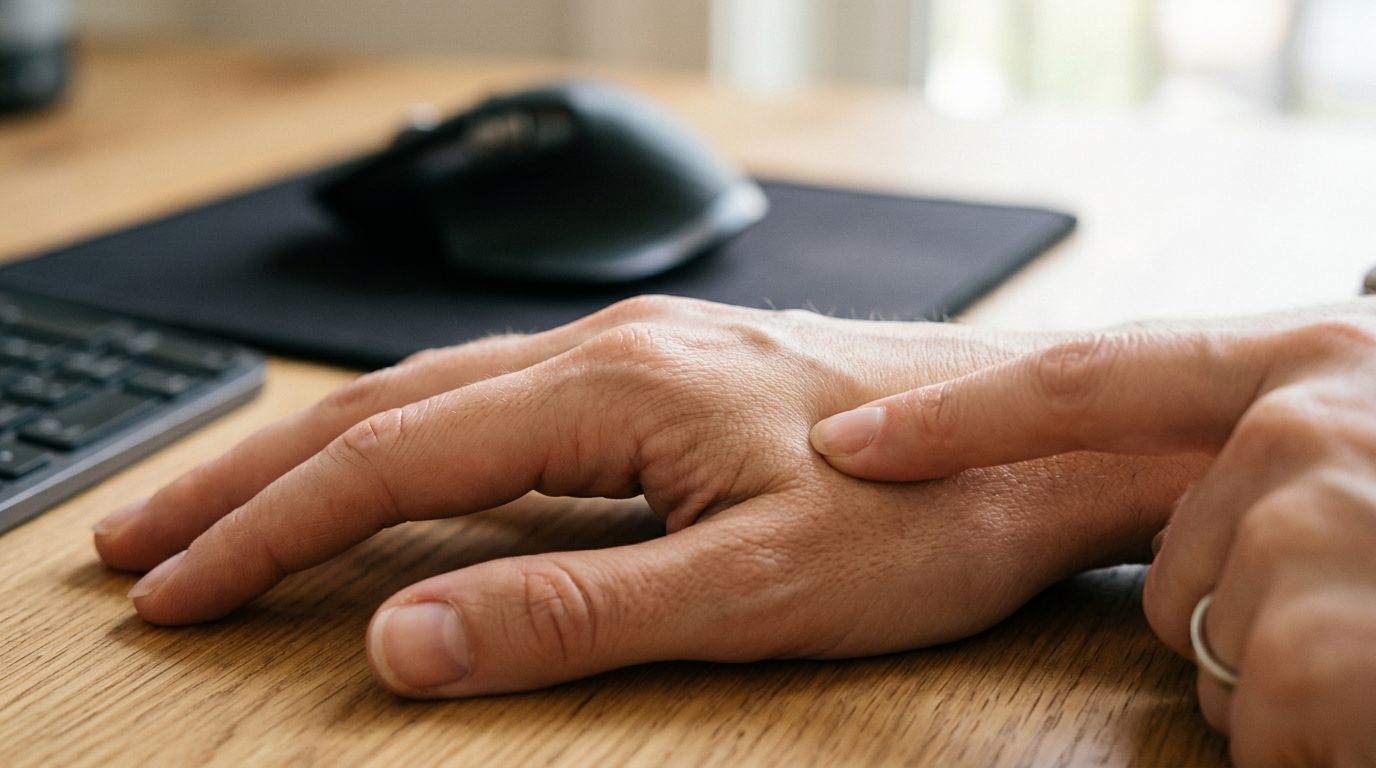
Hours at a mouse can leave your hand sore in a spot that feels oddly specific, right between the thumb and index finger. That little web of muscle does more work than most people realize. When it gets tight, clicking, dragging, and gripping start to feel heavy. A gentle first...

By STILL Massage + Skin May 31, 2026
A long walk should leave you tired, not aching on the outside of your hip. When side hip pain shows up after a few miles, it often points to a small muscle that has been doing more than its share of the work. The glute minimus sits deep in the outer hip and helps steady your p...
By STILL Massage + Skin May 30, 2026
After a long stretch on your phone or laptop, your forehead can feel tired in a way that's hard to ignore. The skin may look normal, but the muscles above your brows can feel tight, heavy, or slightly sore. That's where frontalis massage can help. It gives the forehead a break...
By STILL Massage + Skin May 29, 2026
Pilates can leave your core feeling strong, stable, and a little locked up. If the front of your abdomen feels tight after class, you may be holding tension in the rectus abdominis , the long muscle that runs down the front of your stomach. That tight, braced feeling often sho...
By STILL Massage + Skin May 27, 2026
Hours in a chair can leave your hips feeling like they forgot how to open. When the discomfort sits deep in the front of the hip, stretching harder usually makes it worse, not better. That tight, stuck feeling often points to the iliacus, a deep hip flexor that works every tim...
By STILL Massage + Skin May 26, 2026
One afternoon in the yard can leave your low back feeling twisted, locked, and irritated on just one side. That kind of pain often shows up after repeated bending, lifting, raking, or hauling bags of mulch. A multifidus massage can help when the tightness comes from deep spina...
By STILL Massage + Skin May 25, 2026
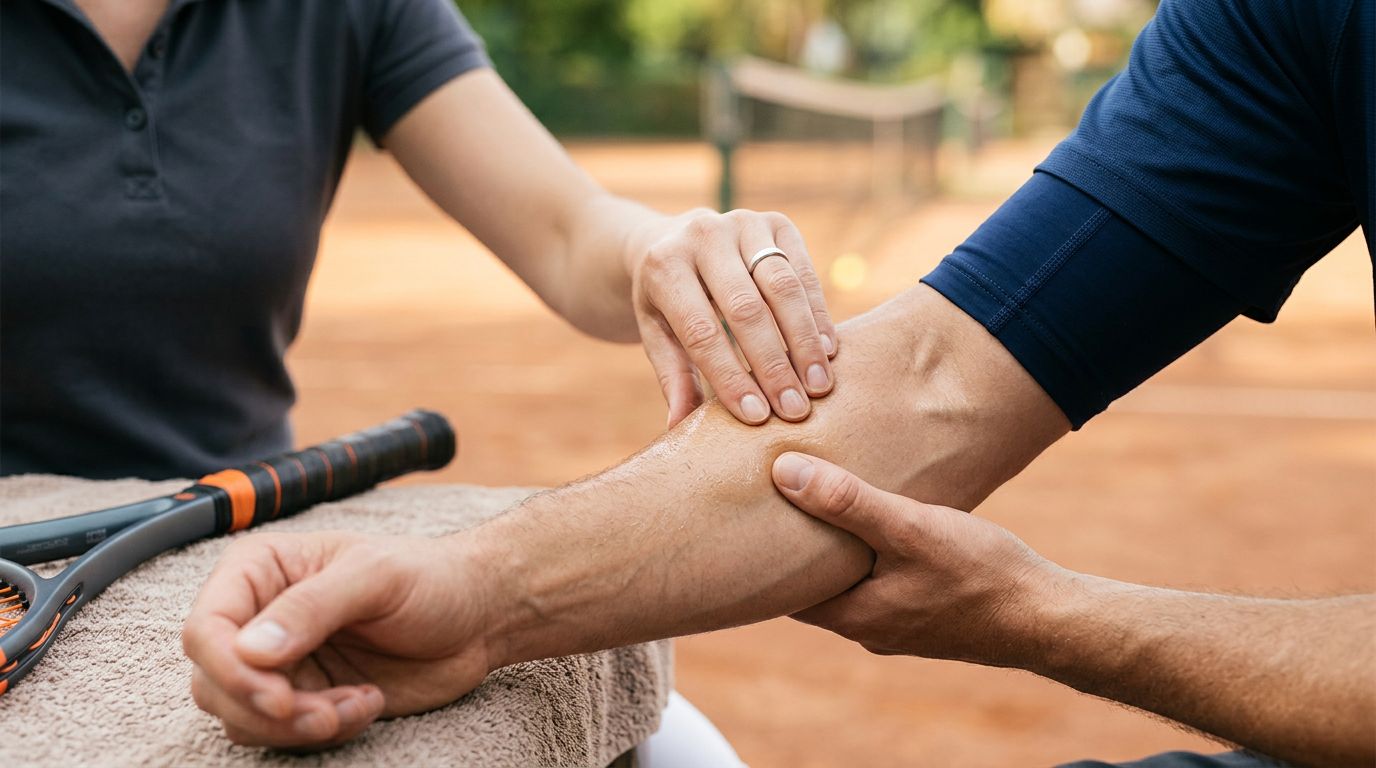
A tight outer forearm after tennis, pickleball, squash, or badminton can make even simple things feel awkward. Turning a door handle, holding a coffee cup, or picking up your racquet can all pull on the same sore spot. The supinator massage approach focuses on a small muscle t...
By STILL Massage + Skin May 24, 2026
Chronic tension can feel small at first, then it spreads into your neck, shoulders, back, jaw, or hips. That is why the choice between full-body massage and targeted work matters more than many people think. The best chronic tension massage is not always the strongest one. It...
By STILL Massage + Skin May 23, 2026
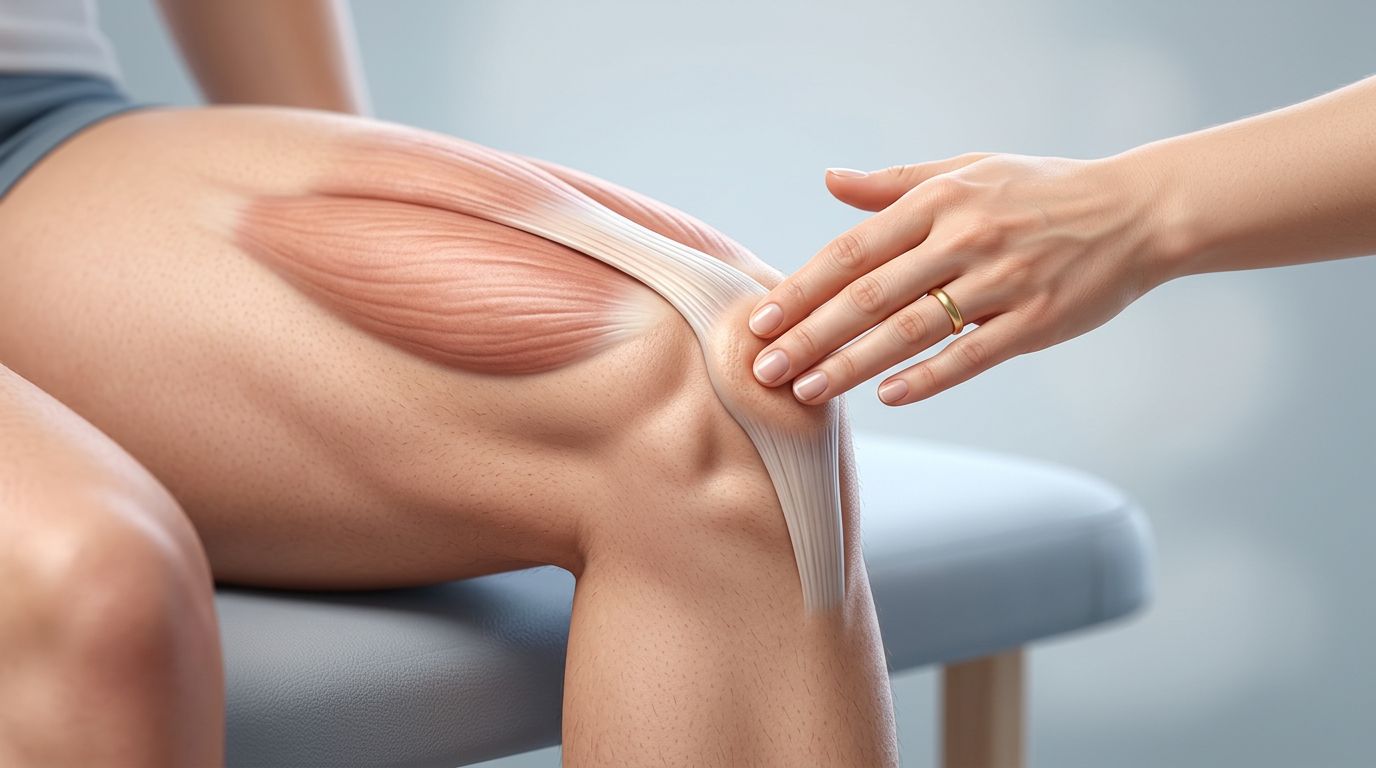
Pain above the kneecap can make stairs, squats, and even getting up from a chair feel annoying fast. Often, the trouble sits in the quadriceps tendon, the strong band that connects your thigh muscles to the top of the kneecap. That area can get sore after overuse, tight traini...
Show More