
Full-Body vs Targeted Massage for Chronic Tension
Chronic tension can feel small at first, then it spreads into your neck, shoulders, back, jaw, or hips. That is why the choice between full-body massage and targeted work matters more than many people think.
The best chronic tension massage is not always the strongest one. It is the one that matches how your body holds stress, moves, and recovers. Some bodies need a broad reset, while others need one stubborn area handled with care.
How full-body and targeted massage differ
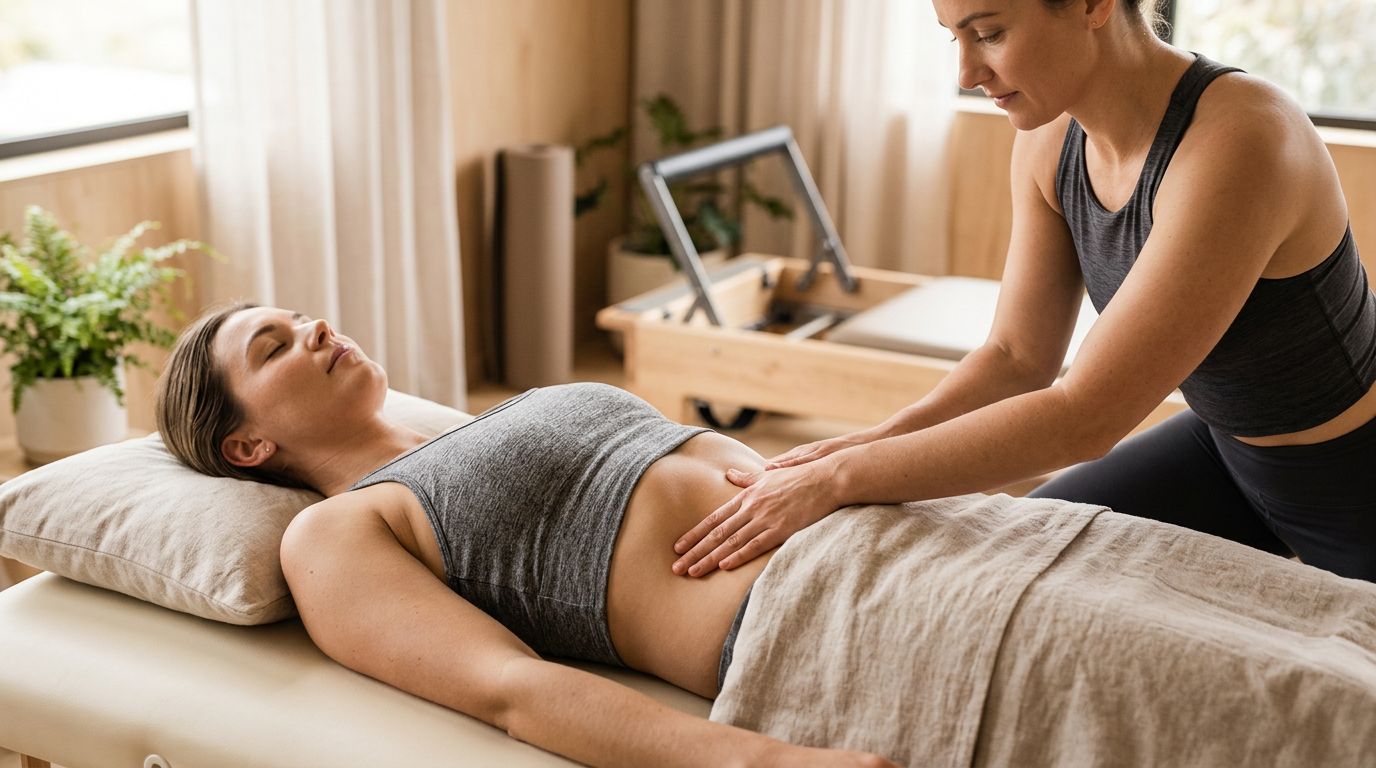
Full-body massage covers the body as a whole, or at least most major areas in one session. The goal is to lower overall tightness, improve circulation, and help the nervous system settle.
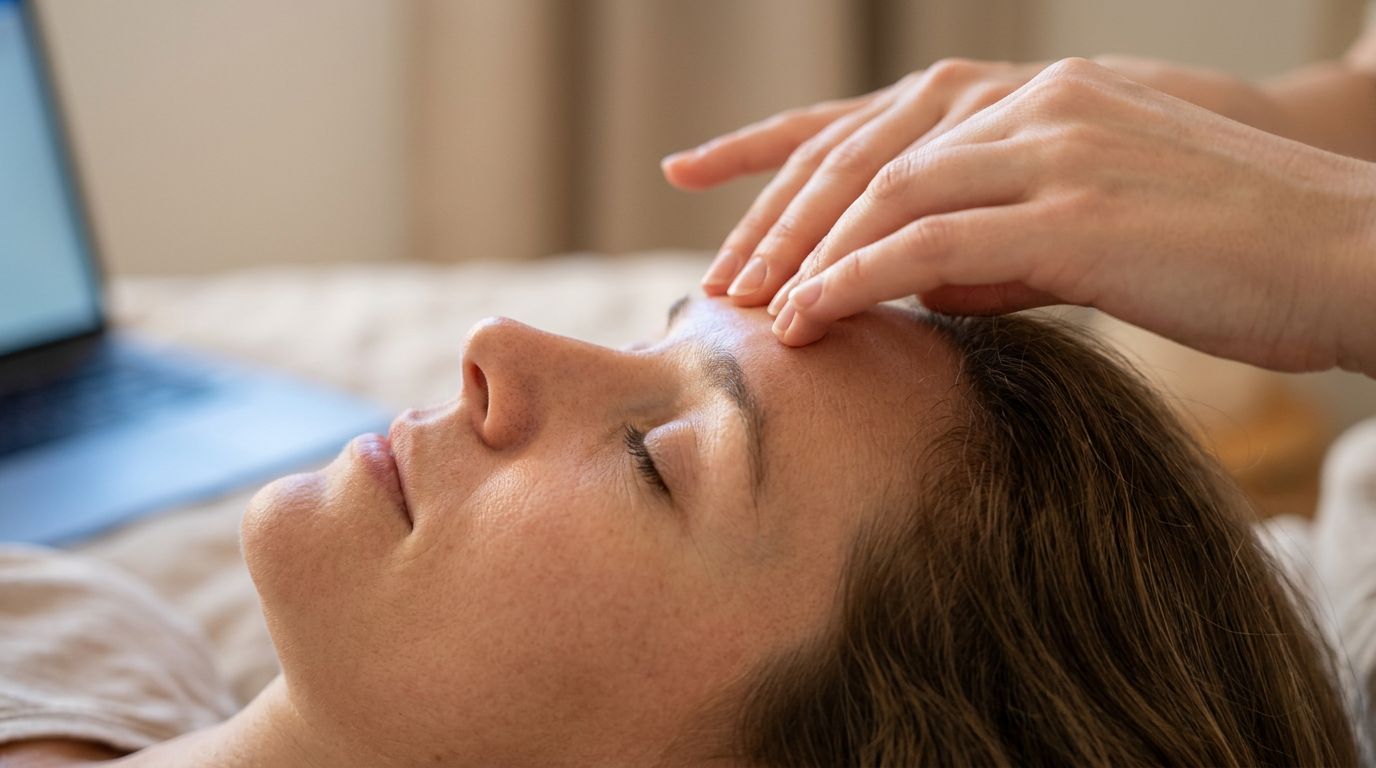
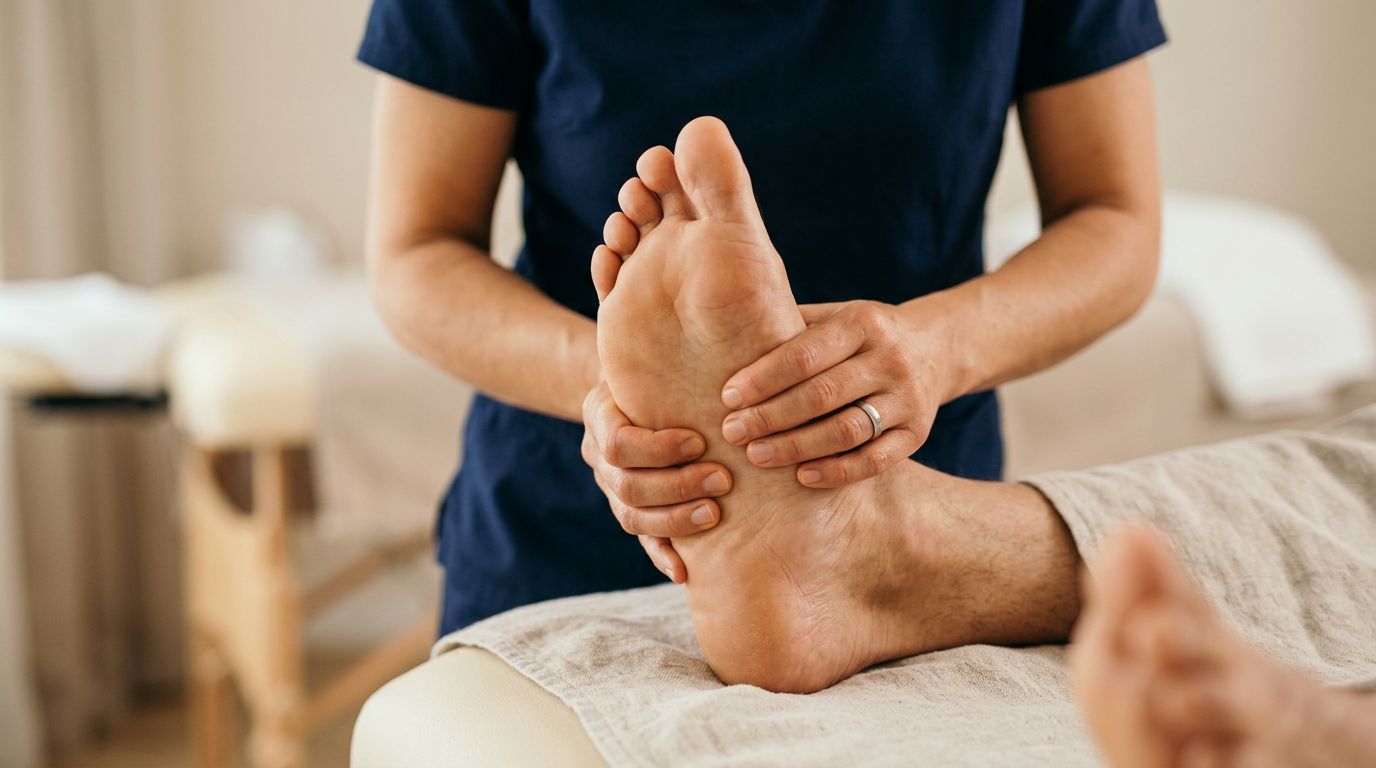
Targeted massage stays focused on one area, such as the neck, shoulders, low back, forearms, or calves. The goal is to calm a problem spot and the tissue around it.
| Massage style | Best when | Main benefit | Watch for |
|---|---|---|---|
| Full-body massage | Tension is spread across several areas | Creates a broader sense of ease | It may not spend enough time on one sore spot |
| Targeted massage | One region keeps flaring up | Gives focused attention where you need it most | It can miss linked tension in other areas |
That difference matters because tension rarely stays in one place. A stiff neck can come from the upper back. Tight hips can change the lower back. A good chronic tension massage looks at the whole pattern, not just the loudest complaint.
When a full-body session helps chronic tension more
Full-body massage works well when your body feels braced all over. People with stress-heavy days, poor sleep, long desk hours, or repeated physical strain often carry tension in more than one area at once.
A broader session helps because it gives the therapist room to work on both the obvious sore spots and the support areas around them. If your shoulders are tight, your chest and upper back may need attention too. If your lower back hurts, your hips and legs may be part of the story.
That wider view is useful when your body has started to compensate. One side may work harder than the other. One muscle group may stay clenched while another gets overused.
If the tension keeps showing up in different places, a full-body session often makes more sense than chasing one sore spot.
A full-body chronic tension massage can also help when you feel mentally worn down. The body and nervous system tend to speak the same language. When one is stuck in high gear, the other often follows.
When focused massage is the better fit
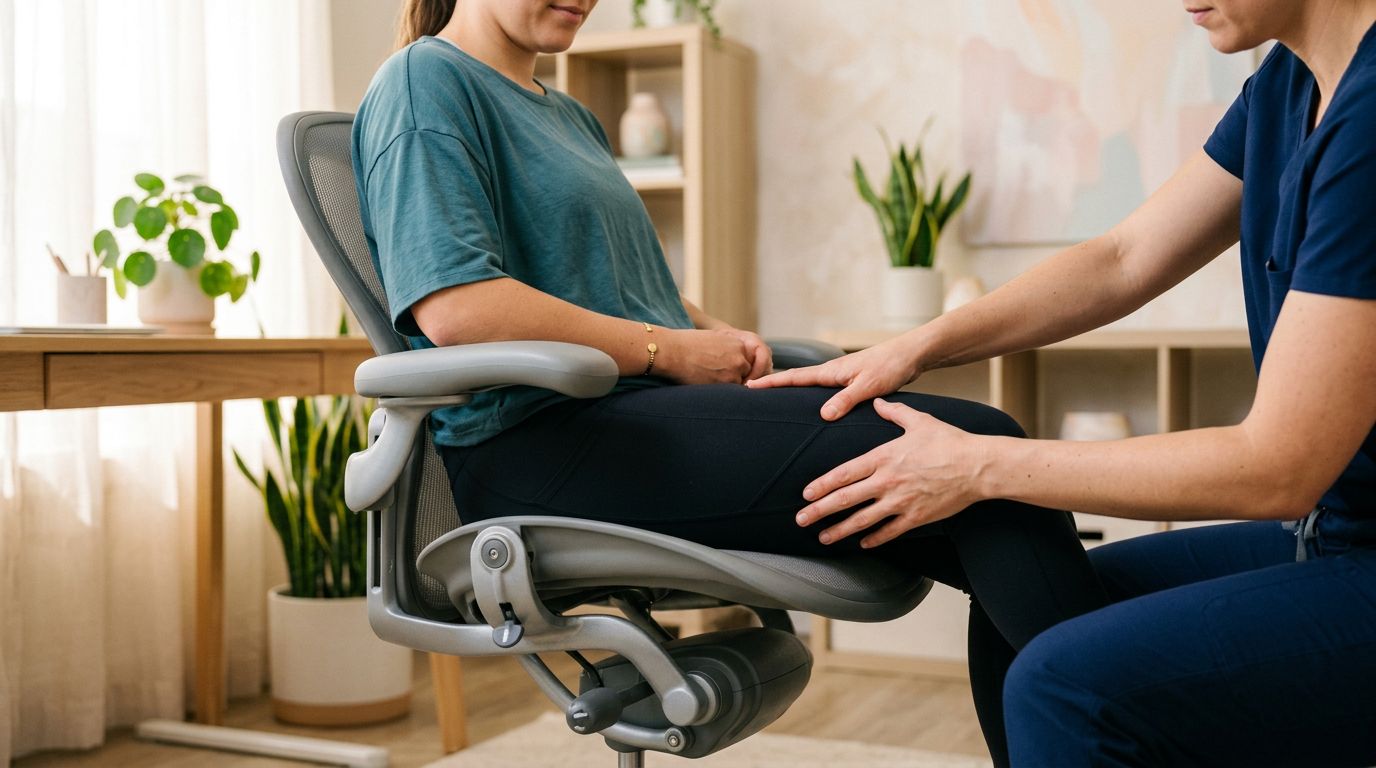
Targeted massage makes more sense when one area keeps asking for attention. Maybe the right shoulder tightens after every workday. Maybe your low back flares after lifting. Maybe your forearms feel locked up from repetitive use.
It can also fit a shorter appointment. If you know exactly where you need help, a focused session gives the therapist more time in that zone instead of spreading attention across the whole body.
Targeted massage often fits when:
- the pain stays in one area most days
- a certain movement makes it flare up
- you want a shorter session
- you already know the spot that needs the most work
This approach can feel efficient, and often it is. The therapist can spend more time on the exact tissue that feels stuck, which may bring faster relief in the short term.
Still, targeted work has limits. If the hips, neck, and jaw are all tense, one spot may relax for a while and then tighten again. In that case, the body may need a wider reset before the trouble spot settles for good.
What recovery feels like after each session
How you feel after the massage matters as much as what happens during it. Full-body work often leaves people feeling heavy, calm, or sleepy. That can be a good sign, especially if your system has been running hot for weeks.
Targeted work can feel more local. You may notice tenderness in one area, especially if the pressure was firm or the tissue was already irritated. That soreness should stay mild and fade within a day or two.
A little after-session soreness is common with deeper work, but it should not keep growing. Gentle movement, hydration, and rest usually help. If the area feels worse each time you move, the pressure may have been too much.
Good work should leave you looser, not guarded.
If you need to go back to work, run errands, or sit for a long stretch, moderate targeted work may be easier to recover from. If you can slow down afterward, a full-body session may give you more overall relief.
How to choose the right chronic tension massage
The easiest way to choose is to look at the shape of your tension. If tightness spreads across several areas, full-body massage is often the better fit. If one area keeps lighting up, targeted work usually makes more sense. If both are true, a mix of the two can work well.
Before you book, think about where the pain starts, where it travels, and what sets it off. That kind of detail helps shape a better chronic tension massage plan. A neck issue that comes from desk work needs a different approach than a sore back after lifting or a jaw that tightens when stress builds.
It also helps to name your goal. Do you want less pain, easier movement, better sleep, or a calmer body? Those answers change the session. They help guide pressure, pace, and which areas need the most time.
The plan can change over time, too. Some people begin with targeted work because one spot is the loudest problem. Later, they move to full-body sessions once the pain calms down and the rest of the body needs attention.
Conclusion
Chronic tension usually has a pattern, even when it feels random. Full-body massage helps when the whole system feels braced. Targeted massage helps when one area keeps pulling your attention back.
The best choice is the one that matches how your body actually behaves. That is the heart of a better chronic tension massage , because relief gets easier when the session follows the problem instead of guessing at it.
When you can describe your tension clearly, booking becomes simpler, and the work you receive has a better chance of helping. That is often the difference between temporary relief and a session that truly fits.
Recent Posts