Trigger-Point Massage vs Myofascial Release for Upper Back Knots

STILL Massage + Skin • June 2, 2026

Share this article

Upper back knots can turn ordinary things into work. A desk chair feels harsher. A deep breath can pull. Even carrying groceries can wake up the same sore spot again.

Both trigger-point massage and myofascial release can help, but they do not work the same way. One goes after a specific tender point. The other works on the surrounding tissue that keeps the area tight.

If your shoulders stay tense by midday or your neck feels glued to your shoulder blades, the right choice depends on how your pain shows up. Once you understand the difference, it gets easier to choose the care your body needs.

Why upper back knots keep coming back

Upper back knots usually show up between the neck, shoulders, and shoulder blades. Long hours at a screen, repeated lifting, stress, and poor sleep can all keep those muscles tight.

The word "knot" is a shortcut. The area often feels like a hard lump, but it is usually a tight band of muscle and nearby tissue. Sometimes the pain stays in one place. Other times it spreads into the neck, head, or arm.

That difference matters because the body does not tighten for one reason alone. Shallow breathing, hunched posture, and long periods without movement can all feed the same pattern. The upper back starts to guard, then the muscle stays on alert longer than it should.

Massage helps most when it matches the type of tension you feel. A sharp spot that hurts when pressed may need direct work. A wider area that feels stiff or stuck may need slower pressure over a larger region.

How trigger-point massage targets a tight spot

Trigger-point massage focuses on a specific point inside a tight muscle band. The therapist applies pressure to that spot until it starts to soften. The pressure can feel intense, but it should stay within a tolerable range.

This method fits well when the pain feels clear and easy to find. You may press between the shoulder blade and spine and feel a strong ache or a pain that travels somewhere else. That referral pattern is one clue that a trigger point is active.

For upper back knots, this work can reduce local guarding. The therapist may hold steady pressure, then move along the muscle with slow, careful passes. Breathing helps here. When you relax into the pressure, the tissue often responds better.

Trigger-point massage is useful when one knot is doing most of the damage. It can also help after long hours of sitting or the same repeated motion. Still, a very sore area needs good pacing. Too much pressure can make the muscle brace up again.

The session often feels direct and focused. If one spot keeps hijacking your comfort, that kind of attention can bring relief fast.

What myofascial release does differently

Myofascial release works with fascia, the connective tissue that surrounds muscles and links larger areas together. Instead of pressing one point hard, the therapist uses slow, sustained pressure to help the tissue lengthen and glide.

This approach fits well when the upper back feels broad, stiff, or sticky. You may not have one clear sore point. Instead, the whole shoulder area can feel locked up. In that case, broad tissue work may help more than spot work alone.

The pace is usually slower. The pressure is often lighter at first. That does not mean it is weak. It means the tissue gets time to let go without bracing against force.

Because fascia connects across larger areas, the therapist may work from the neck into the mid-back or across the shoulders. Some people feel a gentle release during the session. Others notice the change later that day or after a few visits.

Myofascial release also pairs well with other massage styles. A therapist may begin with broad work, then move to a stubborn knot that needs more direct pressure. That mix can make sense when the pain is layered.

Trigger-point massage vs myofascial release at a glance

The difference becomes clearer when you place the two methods side by side.

Feature Trigger-Point Massage Myofascial Release
Main focus A specific tender spot A broader band of connective tissue
Pressure style Direct and localized Slow and sustained
Best when One knot hurts more than the rest The whole upper back feels tight or stuck
Sensation Often more intense Often gentler, with steady release
Goal Ease a painful trigger point Improve glide and movement in surrounding tissue

For upper back knots, trigger-point work is often the better pick when pain is sharp, clear, and easy to find. Myofascial release makes more sense when the whole area feels restricted or pulled.

Upper back pain often needs more than one kind of touch. A tight spot may need direct work, while the surrounding tissue needs time to soften.

In real sessions, the line between them can blur. A therapist may use both methods because the body rarely fits one neat category. That is where experience matters. Pressure, pace, and focus can shift as your muscles respond.

How to choose the right approach for your body

Start with the way your pain behaves. If you can point to one sore spot that sends pain elsewhere, trigger-point massage is often a strong fit. If your shoulders and upper back feel like one solid block, myofascial release may work better first.

Your tolerance matters too. Some people like direct pressure. Others tense up when a therapist presses too hard. In that case, slower myofascial work can help the body settle before deeper work begins.

Before you book, think about the exact spot that bothers you, how long it has been there, and what makes it worse. Tell the therapist about desk work, workouts, old injuries, and stress. Those details help shape the pressure and pace.

A therapist can also blend methods in custom massage therapy sessions when one area needs direct work and another needs broader tissue release. That flexibility matters when your upper back pain has more than one cause.

A few clues can help guide the choice:

  • Sharp, local pain often responds well to trigger-point massage.
  • Widespread tightness often responds better to myofascial release.
  • Stress-related tension may improve with a blend of both.
  • Frequent flare-ups often need massage plus better posture, sleep, and movement.

Recovery time matters too. If you feel loose but a little tender for a day, that can be normal. If you feel worse for days, the pressure may have been too much. A good therapist will adjust next time.

When massage is enough, and when to get checked

Massage can help many common upper back issues, but it should not replace medical care when something feels off. If your pain follows an injury, comes with numbness, spreads into the arm, or makes breathing harder, get it checked.

The same is true if the pain is new and severe, or if it keeps getting worse. Massage therapists can work with muscle tension, but they do not diagnose every cause of pain. That line matters.

For everyday knots, regular care can make a big difference. Heat, stretching, posture breaks, and the right massage style often help the upper back calm down. The best results usually come from treating the tight spot and the habits around it.

Conclusion

Upper back knots can be stubborn, but the fix is usually clear once you know what you are feeling. Trigger-point massage works well for a specific painful spot, while myofascial release helps when the whole area feels tight and restricted.

The best choice depends on how your pain behaves. Sometimes you need direct pressure. Sometimes you need slow tissue work. Often, the right session uses both.

When your shoulders keep rising toward your ears, the goal is simple, less strain and more ease through the upper back. The right touch can help that happen.

Recent Posts

By STILL Massage + Skin June 1, 2026
Hours at a mouse can leave your hand sore in a spot that feels oddly specific, right between the thumb and index finger. That little web of muscle does more work than most people realize. When it gets tight, clicking, dragging, and gripping start to feel heavy. A gentle first...

By STILL Massage + Skin May 31, 2026
A long walk should leave you tired, not aching on the outside of your hip. When side hip pain shows up after a few miles, it often points to a small muscle that has been doing more than its share of the work. The glute minimus sits deep in the outer hip and helps steady your p...
By STILL Massage + Skin May 30, 2026
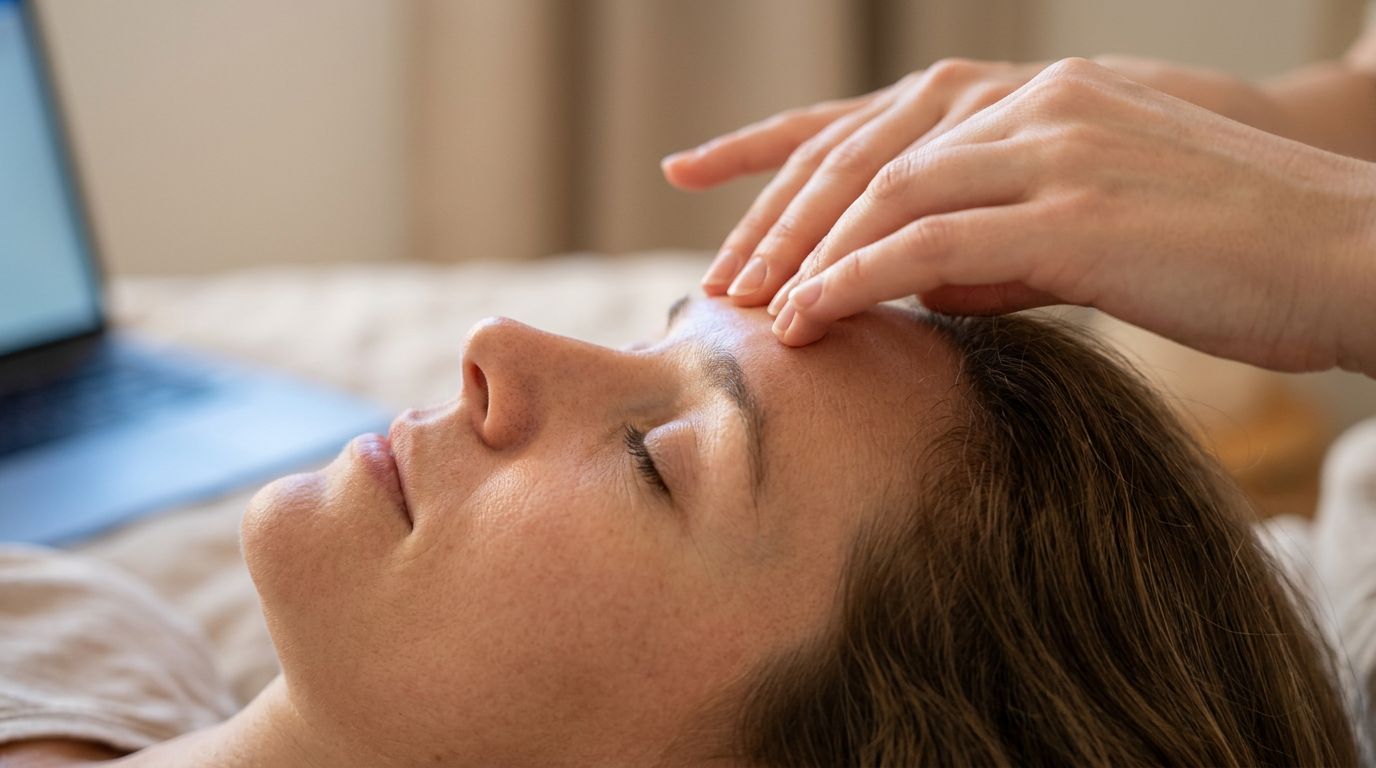
After a long stretch on your phone or laptop, your forehead can feel tired in a way that's hard to ignore. The skin may look normal, but the muscles above your brows can feel tight, heavy, or slightly sore. That's where frontalis massage can help. It gives the forehead a break...
By STILL Massage + Skin May 29, 2026
Pilates can leave your core feeling strong, stable, and a little locked up. If the front of your abdomen feels tight after class, you may be holding tension in the rectus abdominis , the long muscle that runs down the front of your stomach. That tight, braced feeling often sho...
By STILL Massage + Skin May 28, 2026
Ball of foot pain can turn an easy walk into a careful shuffle. If the ache sits under the front of your foot, the flexor digitorum brevis may be part of the problem. This small muscle helps bend your toes and support the arch. When it gets tight, irritated, or overworked, eve...
By STILL Massage + Skin May 27, 2026
Hours in a chair can leave your hips feeling like they forgot how to open. When the discomfort sits deep in the front of the hip, stretching harder usually makes it worse, not better. That tight, stuck feeling often points to the iliacus, a deep hip flexor that works every tim...

By STILL Massage + Skin May 26, 2026
One afternoon in the yard can leave your low back feeling twisted, locked, and irritated on just one side. That kind of pain often shows up after repeated bending, lifting, raking, or hauling bags of mulch. A multifidus massage can help when the tightness comes from deep spina...
By STILL Massage + Skin May 25, 2026
A tight outer forearm after tennis, pickleball, squash, or badminton can make even simple things feel awkward. Turning a door handle, holding a coffee cup, or picking up your racquet can all pull on the same sore spot. The supinator massage approach focuses on a small muscle t...
By STILL Massage + Skin May 24, 2026
Chronic tension can feel small at first, then it spreads into your neck, shoulders, back, jaw, or hips. That is why the choice between full-body massage and targeted work matters more than many people think. The best chronic tension massage is not always the strongest one. It...
By STILL Massage + Skin May 23, 2026
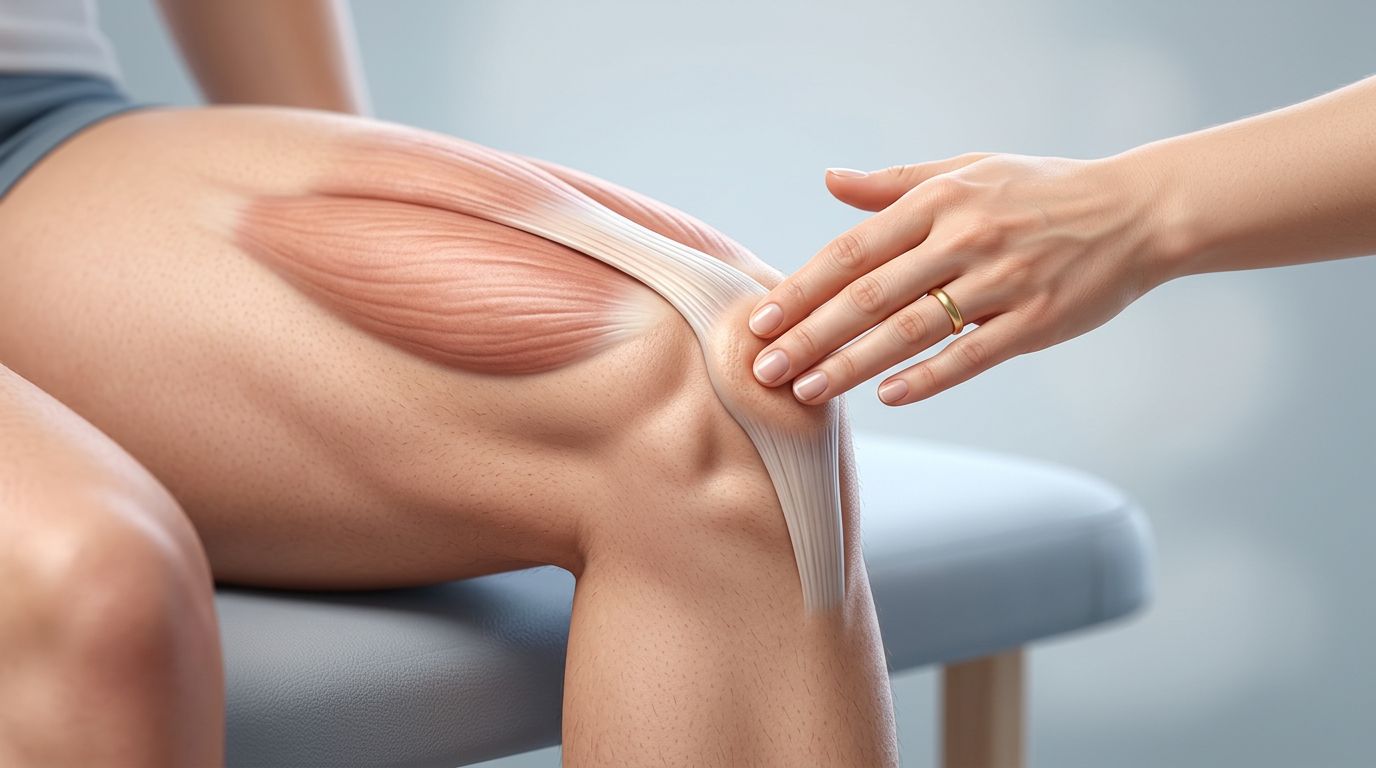
Pain above the kneecap can make stairs, squats, and even getting up from a chair feel annoying fast. Often, the trouble sits in the quadriceps tendon, the strong band that connects your thigh muscles to the top of the kneecap. That area can get sore after overuse, tight traini...
Show More