Supinator Massage for Outer Forearm Tightness After Racquet Sports

STILL Massage + Skin • May 25, 2026

Share this article

A tight outer forearm after tennis, pickleball, squash, or badminton can make even simple things feel awkward. Turning a door handle, holding a coffee cup, or picking up your racquet can all pull on the same sore spot.

The supinator massage approach focuses on a small muscle that helps your forearm rotate. When it gets overworked, the tension can feel stubborn and deep, especially after repeated gripping and twisting.

If your forearm feels heavy, tight, or sore near the outside of the elbow after play, the next sections will help you make sense of it and treat it with more care.

Why racquet sports tighten the supinator

Every swing asks your forearm to do a lot. Your hand grips the racquet, your wrist stabilizes, and your forearm rotates over and over. That repeated rotation is exactly where the supinator gets busy.

The muscle sits deep in the outer forearm, near the top of the radius bone. You do not usually feel it as one neat line under the skin. Instead, it often shows up as a broad ache, a tight pull, or a dull burn after a long match.

Backhands can be a big trigger. So can fast serves, late contact, and constant grip pressure. If you play often, the muscle may stay half-guarded even after the game ends.

If the pain feels deeper than a simple surface ache, the supinator may be part of the picture.

This matters because outer forearm tightness does not always start with the wrist. Sometimes the problem builds in the rotation muscles first, then spreads into the tendons near the elbow. That is one reason a focused massage can help.

A helpful clue is how the arm feels when you turn the palm up and down. If rotation feels stiff, the forearm may need more than a basic rub. It may need slow, steady pressure in the right place.

What a good supinator massage actually targets

A useful supinator massage does not chase pain with brute force. It works around the area with control. The goal is to calm the muscle, improve blood flow, and help the forearm rotate with less resistance.

Because the supinator sits beneath other tissues, pressure usually starts a little broader than the exact sore point. That means the massage often includes the outer forearm, the upper edge of the forearm near the elbow, and the muscles around it. When those layers relax, the deeper tissue often softens too.

The best pressure feels specific, not sharp. You want a clear sense that the tissue is working, but not a jolt. If you brace, hold your breath, or pull away, the pressure is too much.

Gentle movement helps as well. Slow palm-up and palm-down rotations during or after massage can remind the tissue how it should move. That small movement often matters more than hard pressure alone.

A therapist may also work on the upper arm and shoulder. That can sound unrelated, but it makes sense. The forearm rarely carries strain by itself. The whole arm shares the load.

If your outer forearm is irritated after a match, the goal is to reduce tension without stirring up more inflammation. That is where calm, focused work beats aggressive digging.

How to do a safe supinator self-massage at home

A simple at-home routine can help between matches or after a long practice. Keep it light at first. If the area is already angry, less pressure is better.

  1. Sit with your forearm supported on a table or your thigh.
  2. Find the outer forearm just below the elbow, then rotate your palm up and down.
  3. Use the thumb of your opposite hand to press slowly into the firmer spots.
  4. Hold each tender point for 10 to 20 seconds, then ease off.
  5. After that, rotate the forearm a few times at a slow pace.
  6. Stop if you feel tingling, sharp pain, or pain that shoots into the hand.

A small massage ball can also help. Place it against a wall or desk edge and roll the outer forearm gently. Keep the pressure moving. Do not pin one spot so hard that the arm tenses up around it.

The point of self-massage is not to win a pain contest. It is to help the tissue settle. If you feel calmer and looser after a few minutes, that is a good sign. If the arm feels more irritated later, scale back next time.

For many people, a short session after play works better than a long one. Two or three minutes is often enough. Consistency matters more than force.

When professional massage helps more than self-massage

Self-care is useful, but some forearms need hands-on help from a therapist. That is especially true when the tightness keeps coming back, lingers for days, or starts to affect daily tasks.

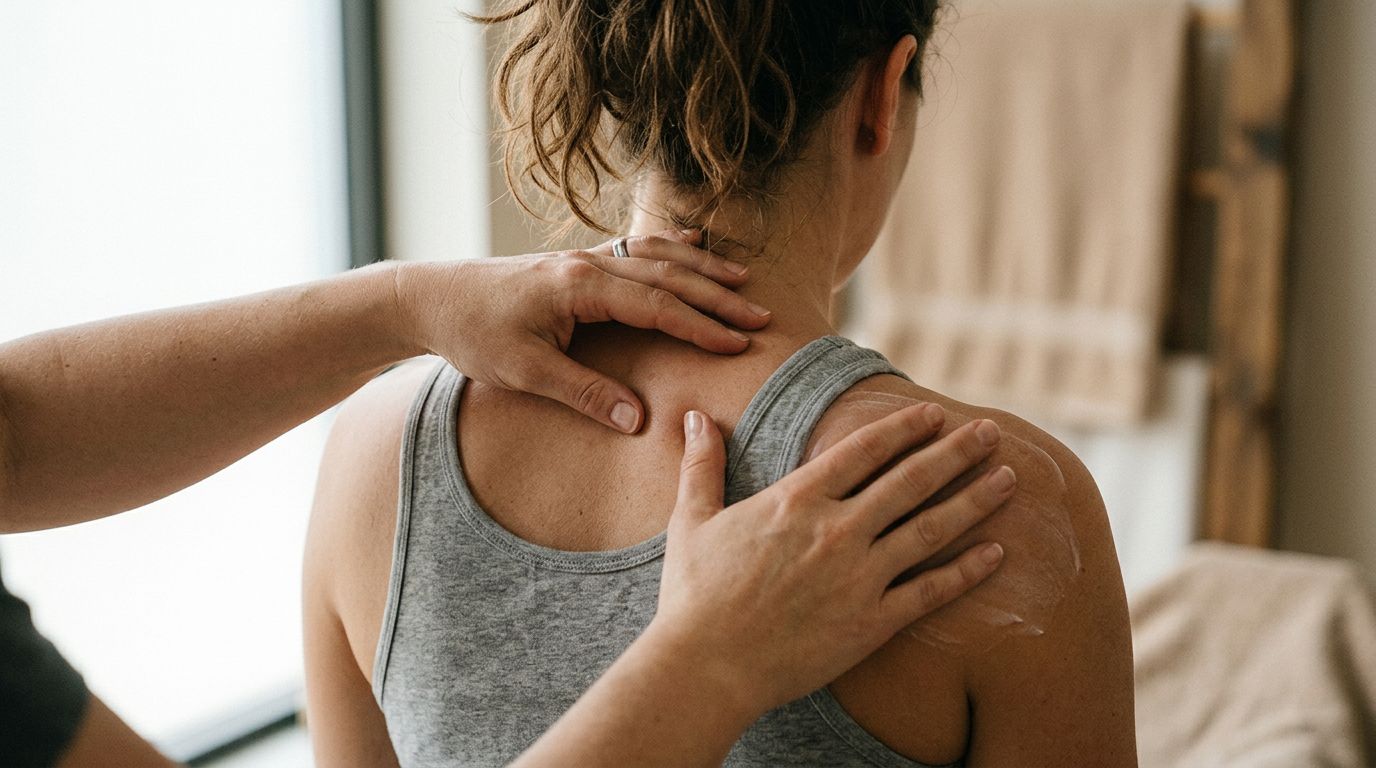
A trained massage therapist can feel the difference between broad muscle tension and a more focused hot spot. They can also adjust pressure based on how your arm responds in the moment. That kind of feedback is hard to match on your own.

Professional work is also helpful when the shoulder, upper arm, and neck are part of the strain. Racquet sports ask the whole chain to work together, so the forearm often relaxes faster when the rest of the arm gets attention too.

For a session built around sports recovery, custom massage therapy sessions can be a good fit. A focused appointment can address forearm tension without ignoring the bigger picture.

The right treatment should feel restorative, not rough. You should leave with less guarding, better motion, and a clearer sense of what your arm needs next. If massage leaves you bruised or flared up, the pressure was too strong.

Recovery habits that keep the forearm from tightening again

Massage works best when you pair it with a few smart habits. The forearm often tightens again when the same strain keeps coming back with no recovery time.

A few simple habits can help:

  • Warm up before play with easy wrist turns and light grip work.
  • Loosen your grip when you can, because constant squeezing fatigues the forearm fast.
  • Take short breaks during long sessions so the arm can reset.
  • Use gentle post-play stretching if it feels good, but skip anything that causes a sharp pull.
  • Pay attention to next-day soreness , since it can tell you whether the load was too much.

Hydration, sleep, and rest days matter too. They do not fix everything, but they help the tissue recover between matches. If you play several days in a row, the forearm may need more care than usual.

It also helps to watch for patterns. If one stroke, one grip size, or one practice drill always sets off tightness, the forearm is sending a clear message. Addressing that pattern usually matters more than treating the same sore spot over and over.

When outer forearm tightness needs a closer look

Most post-match forearm tightness settles with rest, gentle massage, and better pacing. Still, some symptoms deserve more attention.

Get checked if you notice numbness, tingling, weakness, swelling, or pain that keeps getting worse. The same goes for pain that wakes you up or makes it hard to rotate the forearm at all. Those signs can point to something beyond simple muscle tightness.

Persistent soreness around the outer elbow can also overlap with tendon irritation. That does not mean you need to panic. It does mean you should stop trying to force the area loose. More pressure is not the answer when the tissue is already irritated.

A good rule is simple. If the forearm starts to calm down after a few days of lighter use, massage, and rest, it was probably overworked. If it keeps fighting back, the issue needs a more complete assessment.

Conclusion

After racquet sports, outer forearm tightness often comes from overused rotation muscles, not just a tired grip. A careful supinator massage can ease that tension when it uses the right pressure and respects the deeper tissue.

The best results usually come from a mix of smart self-care, thoughtful recovery, and professional help when the tightness keeps returning. When your forearm feels like it's holding onto the whole match, calm and specific work is what helps it let go.

Recent Posts

By STILL Massage + Skin June 2, 2026
Upper back knots can turn ordinary things into work. A desk chair feels harsher. A deep breath can pull. Even carrying groceries can wake up the same sore spot again. Both trigger-point massage and myofascial release can help, but they do not work the same way. One goes after...
By STILL Massage + Skin June 1, 2026
Hours at a mouse can leave your hand sore in a spot that feels oddly specific, right between the thumb and index finger. That little web of muscle does more work than most people realize. When it gets tight, clicking, dragging, and gripping start to feel heavy. A gentle first...

By STILL Massage + Skin May 31, 2026
A long walk should leave you tired, not aching on the outside of your hip. When side hip pain shows up after a few miles, it often points to a small muscle that has been doing more than its share of the work. The glute minimus sits deep in the outer hip and helps steady your p...
By STILL Massage + Skin May 30, 2026
After a long stretch on your phone or laptop, your forehead can feel tired in a way that's hard to ignore. The skin may look normal, but the muscles above your brows can feel tight, heavy, or slightly sore. That's where frontalis massage can help. It gives the forehead a break...
By STILL Massage + Skin May 29, 2026
Pilates can leave your core feeling strong, stable, and a little locked up. If the front of your abdomen feels tight after class, you may be holding tension in the rectus abdominis , the long muscle that runs down the front of your stomach. That tight, braced feeling often sho...
By STILL Massage + Skin May 28, 2026
Ball of foot pain can turn an easy walk into a careful shuffle. If the ache sits under the front of your foot, the flexor digitorum brevis may be part of the problem. This small muscle helps bend your toes and support the arch. When it gets tight, irritated, or overworked, eve...
By STILL Massage + Skin May 27, 2026
Hours in a chair can leave your hips feeling like they forgot how to open. When the discomfort sits deep in the front of the hip, stretching harder usually makes it worse, not better. That tight, stuck feeling often points to the iliacus, a deep hip flexor that works every tim...
By STILL Massage + Skin May 26, 2026
One afternoon in the yard can leave your low back feeling twisted, locked, and irritated on just one side. That kind of pain often shows up after repeated bending, lifting, raking, or hauling bags of mulch. A multifidus massage can help when the tightness comes from deep spina...
By STILL Massage + Skin May 24, 2026
Chronic tension can feel small at first, then it spreads into your neck, shoulders, back, jaw, or hips. That is why the choice between full-body massage and targeted work matters more than many people think. The best chronic tension massage is not always the strongest one. It...
By STILL Massage + Skin May 23, 2026
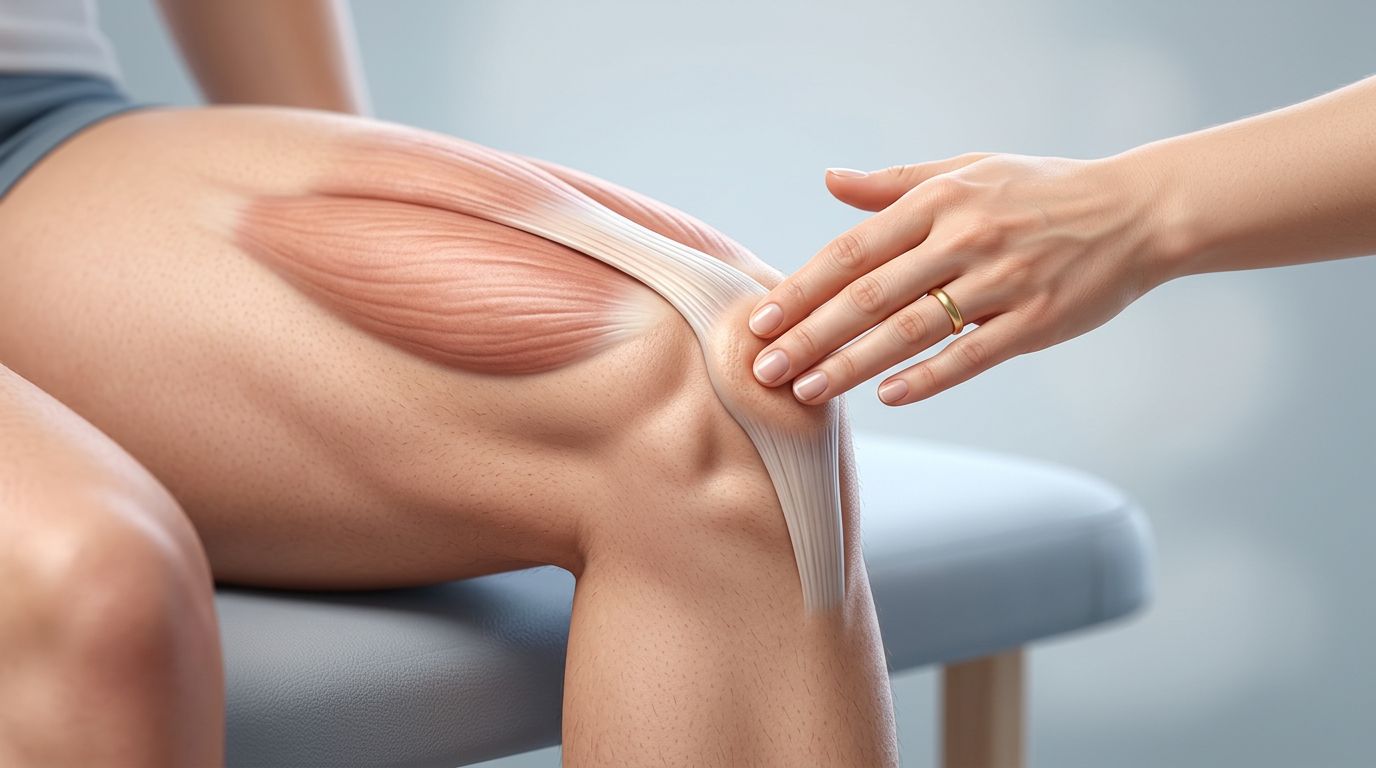
Pain above the kneecap can make stairs, squats, and even getting up from a chair feel annoying fast. Often, the trouble sits in the quadriceps tendon, the strong band that connects your thigh muscles to the top of the kneecap. That area can get sore after overuse, tight traini...
Show More