Rectus Abdominis Massage for Front Core Tightness After Pilates
Pilates can leave your core feeling strong, stable, and a little locked up. If the front of your abdomen feels tight after class, you may be holding tension in the rectus abdominis , the long muscle that runs down the front of your stomach.
That tight, braced feeling often shows up after roll-ups, planks, teasers, and deep breath work. A careful rectus abdominis massage can help the muscle soften, so your belly does not keep guarding long after class ends.
Why the front of your core gets tight after Pilates
The rectus abdominis helps you curl, brace, and control movement through the trunk. During Pilates, it works hard, sometimes for longer than you notice.
That is part of the appeal of the method, but it can also leave the front line of the body feeling overused. When you hold a hollow position, pull your ribs down, or keep your abdomen braced during breaths, the muscle may stay switched on after the workout is over.
Soreness and tightness are related, but they are not the same thing. Soreness often feels dull and spread out. Tightness feels more like gripping, pulling, or a belt across the front of your body.
A few things can make it worse:
- Holding your breath during hard moves
- Repeating core-heavy exercises too soon
- Tight hip flexors that keep the front body working harder
- Shallow breathing that never lets the belly relax
If your stomach feels stiff but the pain is mild and settles with rest, the issue may be muscle guarding, not injury.
A hard Pilates session can also affect the tissues around the rectus abdominis. The fascia, ribs, and diaphragm all work together. When one part stays tense, the rest often follows.
What rectus abdominis massage can do
A good rectus abdominis massage is gentle, focused, and calm. It does not mean digging into the abdomen. Instead, it uses light to moderate pressure to help the tissue stop bracing.
Massage can ease the sense of "stuck" movement in the front body. It may also improve blood flow, reduce surface tension, and help the area move more freely when you breathe, bend, or stand upright.
That matters after Pilates because the class often asks for control more than release. The body can leave the studio still holding the shape of the workout. Massage gives the muscle a clear signal to soften.
It can also support breathing. When the front of the abdomen relaxes, the rib cage and diaphragm often move with more ease. That can make your next workout feel smoother, especially if you tend to clamp down through the middle when exercises get hard.
Here is a quick way to tell what you may be dealing with.
| Feeling after Pilates | What it may point to | What often helps |
|---|---|---|
| Mild ache across the front core | Normal post-workout soreness | Rest, hydration, easy movement |
| Tight, braced belly that feels hard to relax | Muscle guarding in the rectus abdominis | Gentle massage, breath work, slower recovery |
| Sharp pain, swelling, or pain that worsens | Something beyond workout tightness | Medical evaluation |
The goal is not to force the muscle flat or loose. The goal is to help it stop holding unnecessary tension.
How a session usually feels
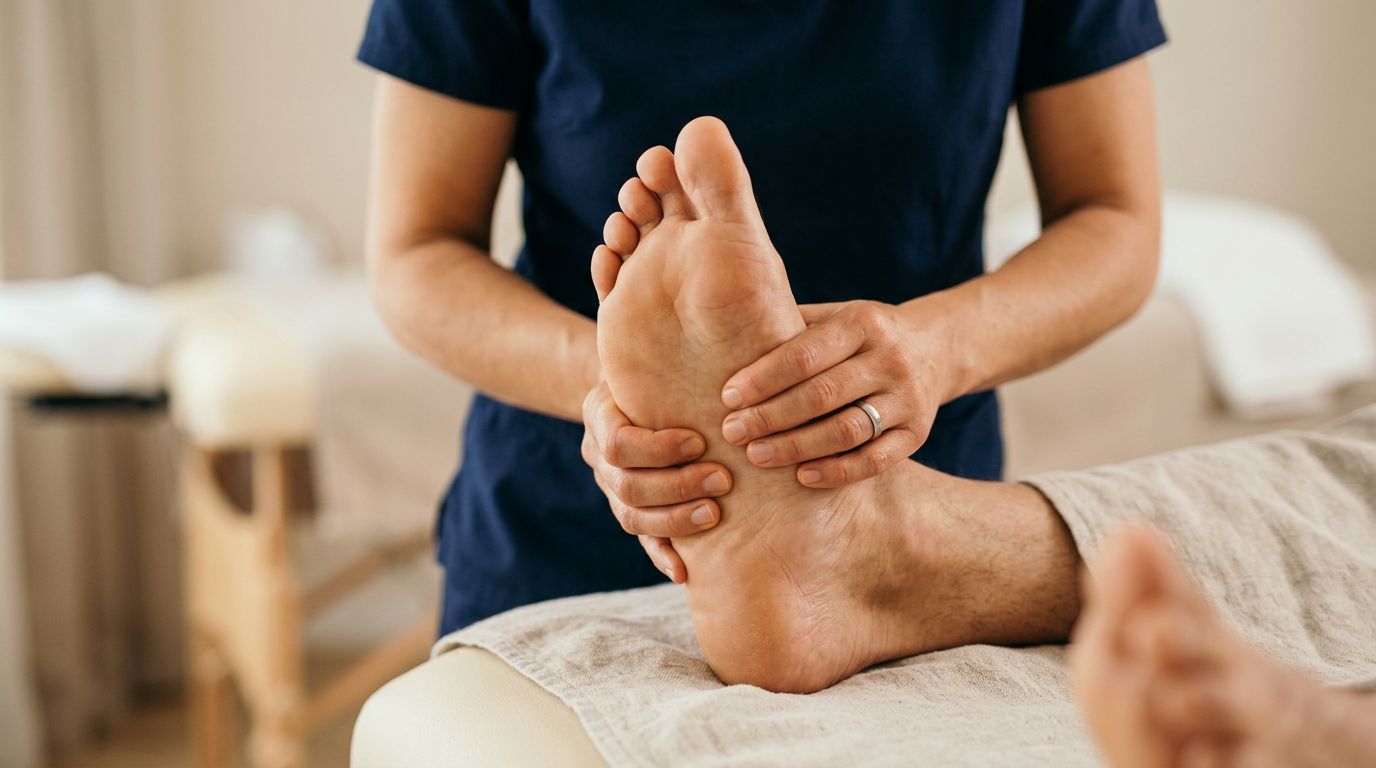
A rectus abdominis massage should feel careful from the start. The therapist will usually ask about your class routine, any discomfort, and how your belly feels after exercise.
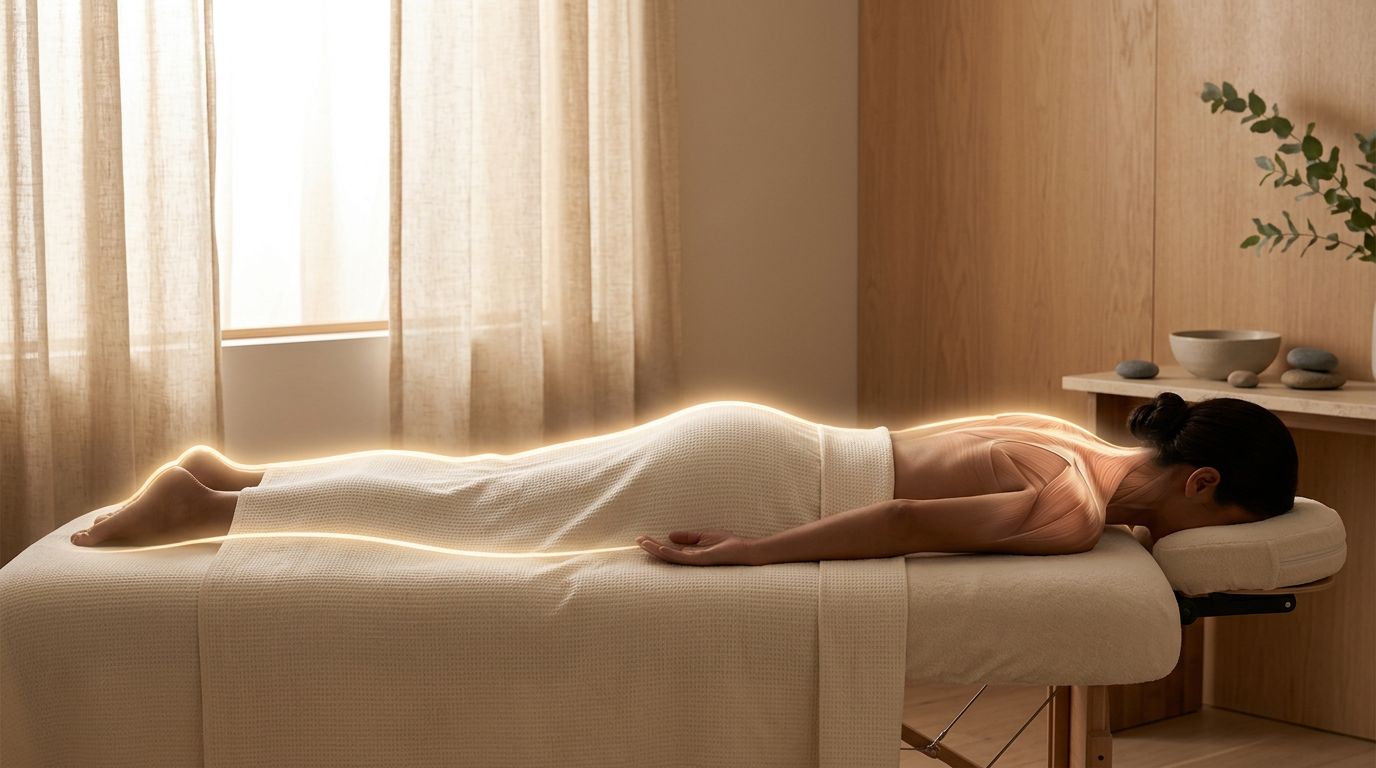
You stay draped for privacy, and the pressure should remain within your comfort zone. Many people do best with light work at first, especially if the area feels sensitive or guarded.
The massage may focus on the front of the abdomen, but it often includes the sides of the ribs, the lower chest, and nearby tissues that influence core tension. That wider approach helps because the rectus abdominis does not work alone.
Breathing matters during the session. Slow exhales can help the abdomen settle. If you keep your breath shallow, the muscle may keep protecting itself.
A skilled therapist watches for signs that the tissue wants less pressure, not more. If the belly feels tender, the work should stay soft and measured. A calm session often works better than a forceful one.
When to choose massage, and when to pause
Massage can be helpful when the tightness feels like post-exercise guarding, especially if it shows up after a strong Pilates class and eases as your body warms up. It can also help if your core feels rigid after long periods of bracing, sitting, or stress.
Still, some symptoms need more caution. Do not try to treat a new or severe abdominal problem with massage alone.
Seek medical advice if you notice:
- Sharp or worsening pain
- A visible bulge or swelling
- Nausea, fever, or vomiting
- Pain after an injury or surgery
- Discomfort that spreads and does not settle
- A hard, tender area that feels unlike normal soreness
The abdomen is not a place for guesswork. If the feeling is new, intense, or strange, get it checked before booking bodywork.
If the issue seems linked to repeated workouts, stress, or breath holding, massage may fit well into your recovery plan. For more reading on bodywork and recovery, explore our massage and recovery resource center.
Simple recovery habits that support the massage
Massage works best when you give the body a little help afterward. A few small habits can keep the front core from tightening up again.
First, slow your breathing after class. Long exhales help signal that the hard work is over. You do not need a fancy routine, just a few calm breaths before you rush into the rest of your day.
Next, keep moving in a gentle way. A short walk, easy stretches, or light mobility work can help the tissues settle. Staying frozen after class often makes the tightness linger.
It also helps to avoid stacking hard core sessions back to back. If your abdominal wall is already tired, give it a chance to reset before asking for another round of intense work.
A simple recovery plan might look like this:
- Cool down with slow breathing after Pilates.
- Drink water and eat something if you trained hard.
- Use light movement later in the day.
- Book a massage when the front core keeps feeling rigid.
- Return to class with less bracing and more breath.
That last part matters. Pilates should build support, not leave your belly clenched for the rest of the day.
Choosing the right massage style for front-core tightness
Not every massage session needs the same pressure. When the rectus abdominis feels tight after Pilates, the best session is usually the one that respects the area instead of overpowering it.
Gentle, targeted work often pairs well with deeper work elsewhere on the body. For example, tight hip flexors, tense ribs, or a stiff lower back can all keep the abdomen on alert. A thoughtful therapist can adjust the session so the whole front line has a chance to relax.
Communication matters here. Say if you feel tender, bloated, guarded, or nervous about abdominal work. A good therapist will meet that information with patience, not pressure.
That kind of session can feel less like pushing through discomfort and more like giving your body room to settle. After a hard Pilates class, that shift can make a real difference.
Conclusion
If your front core feels tight after Pilates, your body may be holding onto the shape of the workout. A careful rectus abdominis massage can help that muscle stop gripping so hard and give your breath more room.
The best results come from gentle pressure, clear communication, and recovery habits that support the work. When the abdomen can relax, movement often feels easier the next time you step onto the mat.
Recent Posts