Prenatal massage for lower-back pain and swollen feet, what it feels like, what positions are used, and when to skip it
Pregnancy can feel like carrying a bowling ball with a loose set of joints. Your center of gravity shifts, your low back works overtime, and by the end of the day your feet may look like they’ve borrowed someone else’s ankles.
A prenatal massage can be a real comfort when it’s done with the right positioning, pressure, and safety checks. This guide walks through what a session typically feels like, the positions most therapists use, and the clear times to skip massage and call your OB or midwife instead. (This is general info, not medical advice.)
Why pregnancy triggers low-back pain and swollen feet (and how massage helps)

Photo by Jonathan Borba

Low-back pain in pregnancy is usually a “many small things” problem. Your belly changes your posture, your hips tilt, and pregnancy hormones help soften ligaments so your pelvis can adapt. Helpful for birth, annoying for your SI joints and low back. Muscles like your glutes, hip flexors, and the muscles along your spine often tighten to keep you stable.
Swollen feet (edema) are also common. Your body carries more fluid and blood, and pressure from the growing uterus can slow return flow from the legs. Heat, long periods of standing, and salty meals can make swelling worse.
When cleared by your care provider, prenatal massage can help by:
- Relaxing overworked muscles that tug on the low back and hips
- Supporting circulation and fluid movement with gentle, rhythmic strokes
- Calming the nervous system when sleep and stress are already a lot
The American College of Obstetricians and Gynecologists (ACOG) notes that massage is generally safe during pregnancy in many cases, as long as you talk with your ob-gyn and choose appropriate techniques and positioning. See ACOG’s guidance on massage during pregnancy safety.
What prenatal massage feels like for back pain and swollen feet (pressure, areas, and common sensations)
A good prenatal massage shouldn’t feel like you’re “pushing through” anything. Most people describe it as steady, comforting pressure that makes them breathe deeper without even trying. For lower-back pain, you may feel relief that starts in the hips and glutes, then “unclenches” up the back like loosening a tight shoelace.
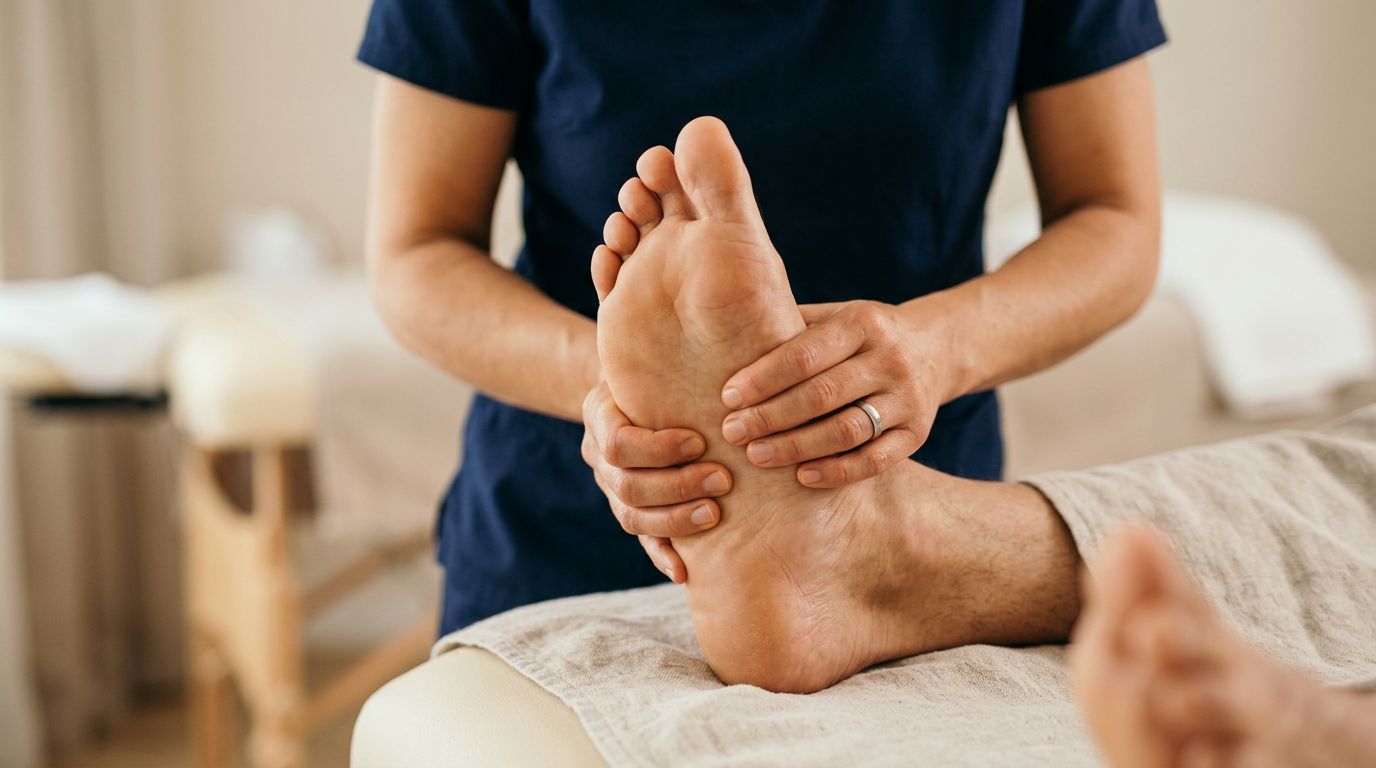
For swollen feet, the sensation is often lighter than people expect. Instead of deep kneading, you’ll usually feel slow, gliding strokes and gentle compressions from the foot toward the ankle and lower leg. Think “helping traffic move,” not “digging out knots.”
Pressure basics that are usually a good fit in pregnancy
- Moderate pressure is often ideal, firm enough to be effective, not so deep that your body braces.
- Therapists typically avoid deep, aggressive work on the calves , especially heavy pressure in the deep inner calf. If your legs feel achy, ask for soothing compressions and light to moderate flushing strokes instead.
- Many therapists avoid sustained, heavy pressure around the inner ankle and deep abdominal work, and they keep an eye out for tenderness that feels sharp, hot, or alarming.
If you’re curious about typical benefits and why Swedish-style, circulation-friendly work is commonly recommended, the American Pregnancy Association has a helpful overview of prenatal massage therapy.
Simple scripts to ask for what you need
Sometimes the hardest part is saying it out loud. Try phrases like:
- “Can we keep the pressure medium , and skip deep work on my calves today?”
- “My low back feels pinchy, can you focus more on my glutes and hips ?”
- “Can you add another pillow under my belly or between my knees?”
- “If I’m on my back at all, I’d like to keep it brief and slightly tilted.”
Your therapist wants this feedback. It helps them tailor the session to your body, that day.
Positions used in prenatal massage (and what to expect at the appointment)
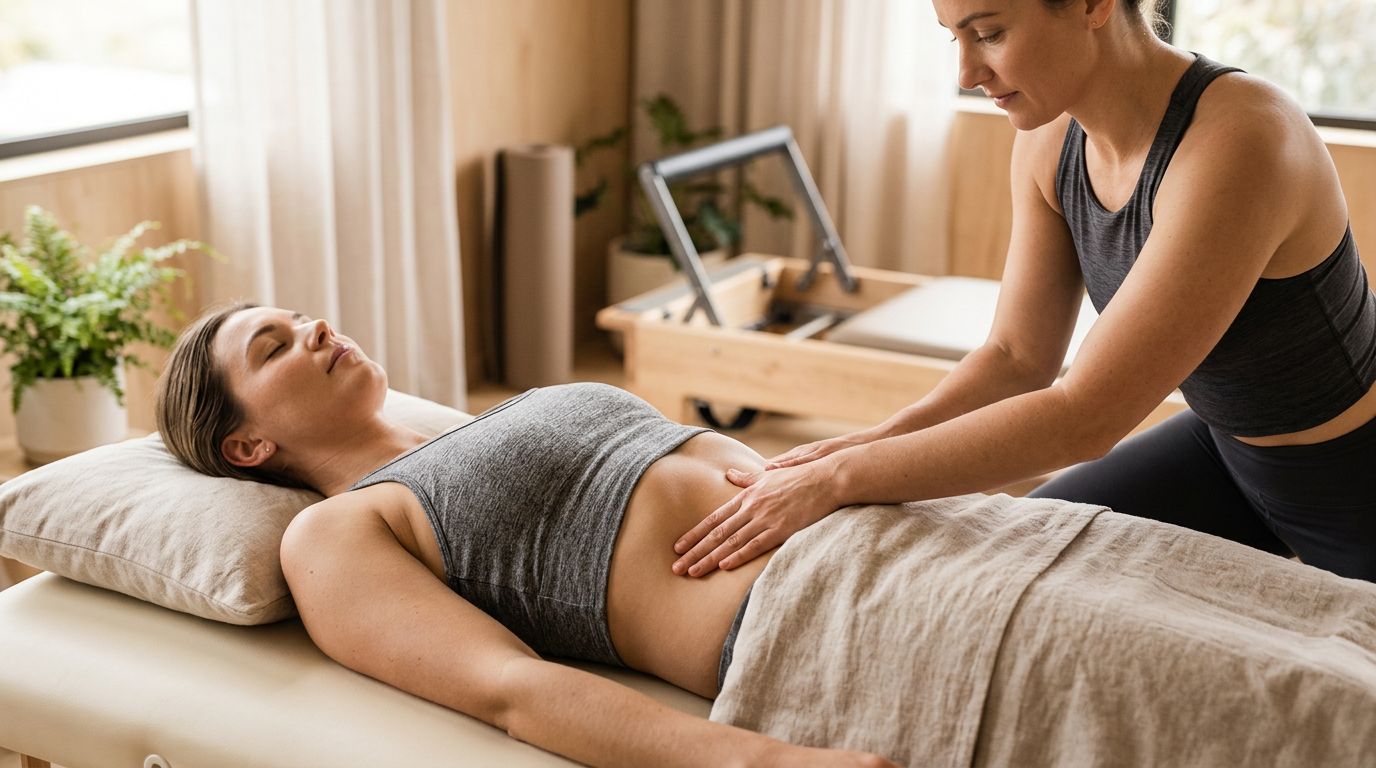
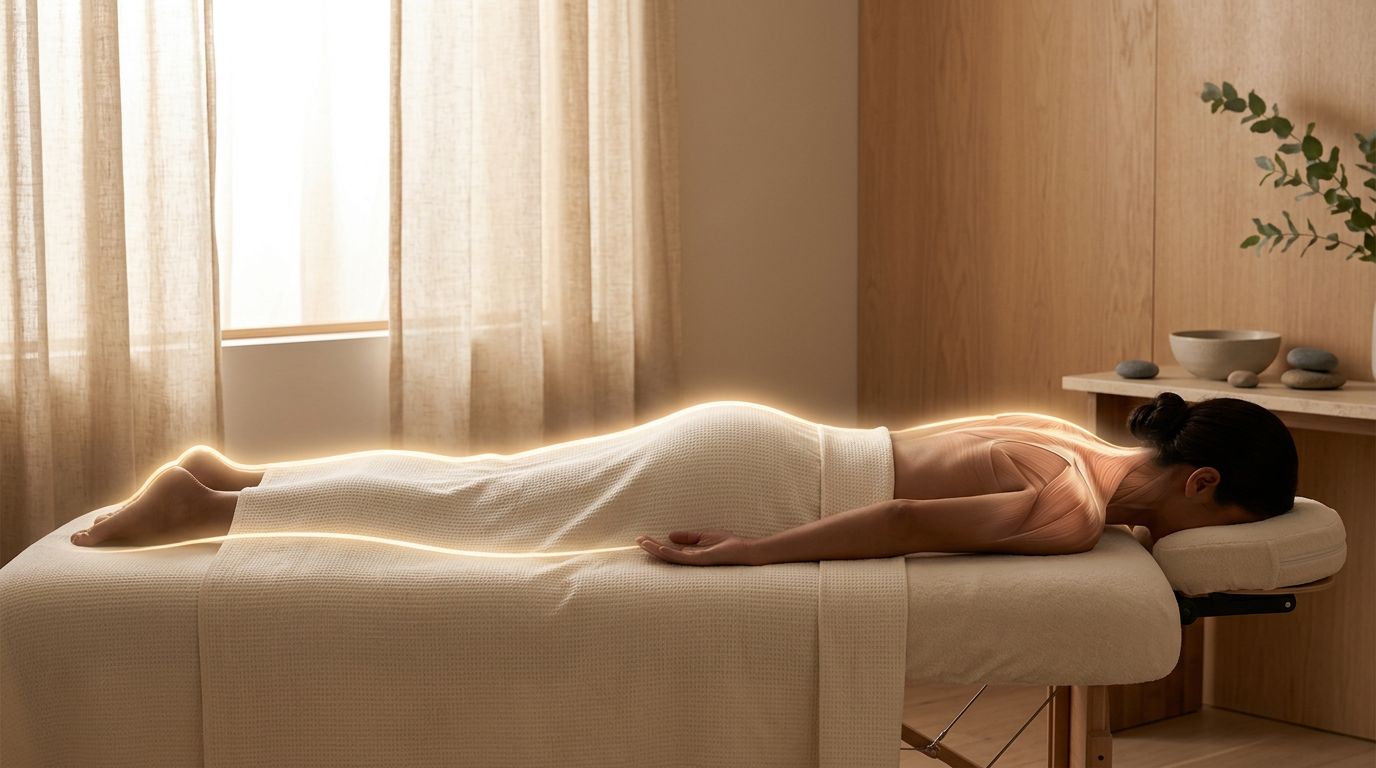
Most prenatal massage is done side-lying with lots of pillows or bolsters, because it supports the belly, protects the low back, and avoids prolonged time flat on your back. You’ll usually have:
- A pillow under your head
- A bolster or pillow supporting your top leg (so your hips stay stacked)
- A support under your belly (especially later in pregnancy)
Some studios also use a semi-reclined position for part of the session, which can feel great if you have reflux or shortness of breath when lying down.
Many providers suggest limiting time lying flat on your back later in pregnancy, because the weight of the uterus can reduce blood return and make you feel dizzy or nauseated. If you’re briefly face-up, a small wedge or pillow under one hip can create a gentle left-tilt to keep you more comfortable.
When you book, look for a therapist trained in pregnancy work, and don’t be shy about asking what positioning they use. If you’re considering a customized session, you can read about prenatal massage for pregnancy relief and how specialty sessions are typically adapted for comfort.
What to wear, draping, and the “normal” flow of a session
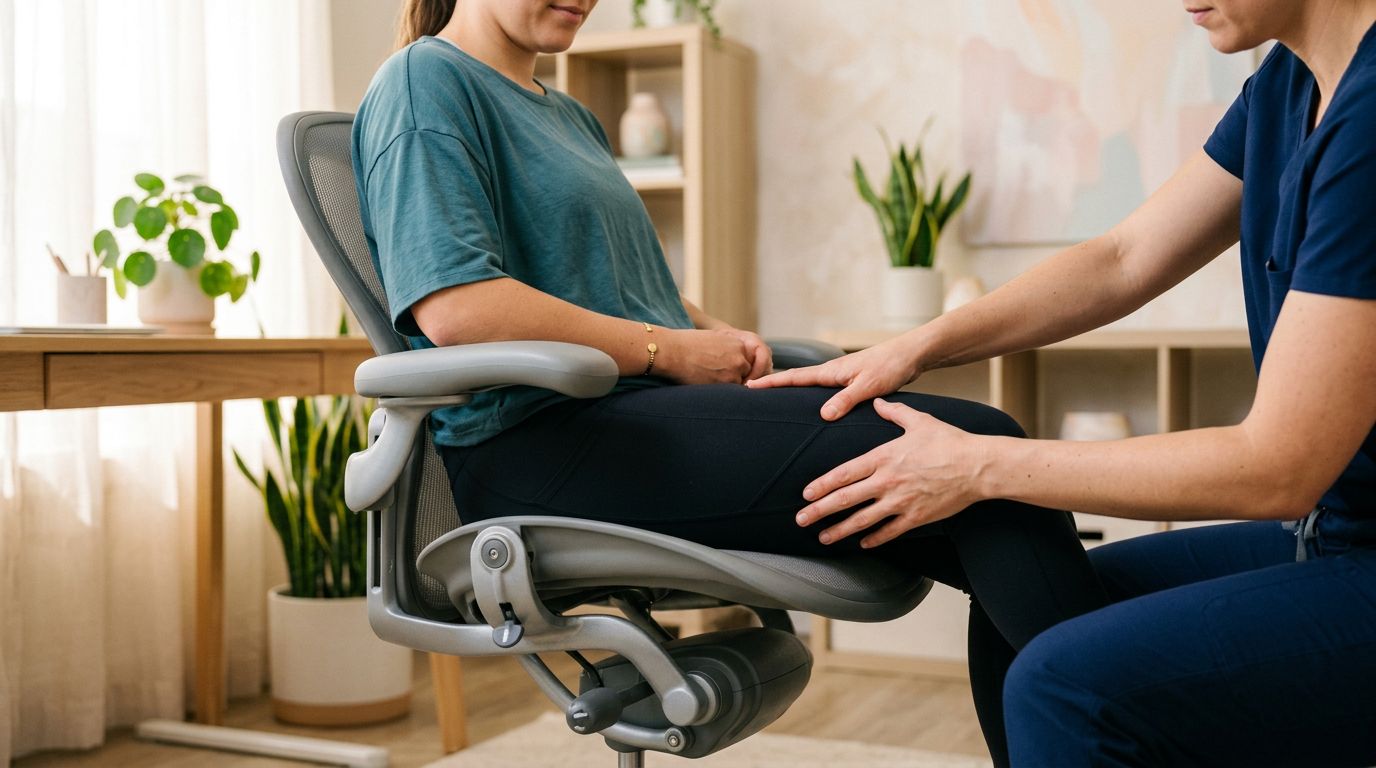
Wear whatever is easy. Many clients show up in leggings and a soft tee. In the room, you’ll undress to your comfort level and be professionally draped. Your therapist will use oil or lotion, check in about pressure, and adjust pillows as your body settles.
Aftercare is simple: drink water, take a short walk if it feels good, and elevate your feet later. Compression socks can also help some people, especially if you’re on your feet all day.
Mild soreness in worked muscles can be normal for 24 to 48 hours. Concerning soreness feels different: sharp, worsening pain, new swelling in one leg, or symptoms that don’t match “I had a massage.”
When to skip prenatal massage (and when swollen feet are a red flag)
Skip massage until you’ve checked in with your OB or midwife if you have pregnancy complications or you’ve been told to avoid certain activities (examples include significant bleeding, placenta issues, or preterm labor risk). It’s also smart to postpone if you’re sick with a fever, vomiting, or a contagious infection.
Swollen feet are often normal, but some patterns need fast medical attention. Get urgent care now (or call emergency services) if you notice:
- One-sided leg swelling with pain, warmth, redness, or tenderness, especially in the calf (possible clot)
- Swelling with shortness of breath , chest pain, or coughing blood (emergency)
- Sudden swelling in face or hands, severe headache , vision changes, upper right belly pain, or feeling very unwell (possible preeclampsia warning signs)
- Vaginal bleeding, leaking fluid, regular painful contractions, or decreased fetal movement
For day-to-day low-back pain support beyond massage, Mayo Clinic’s practical tips can help, including posture and movement ideas. See Mayo Clinic’s back pain relief tips in pregnancy.
A good rule: massage is for comfort, not for pushing through scary symptoms. If something feels “off,” trust that instinct and get checked.
Conclusion
Lower-back pain and swollen feet can make pregnancy feel longer than it is. The right prenatal massage often feels like your body finally gets a chance to unclench, with side-lying support, steady moderate pressure, and extra care around the legs.
Talk with your OB or midwife first if you have any risk factors, and speak up during the session using simple, clear requests. Comfort is the goal, and safety is what makes comfort possible.
Recent Posts