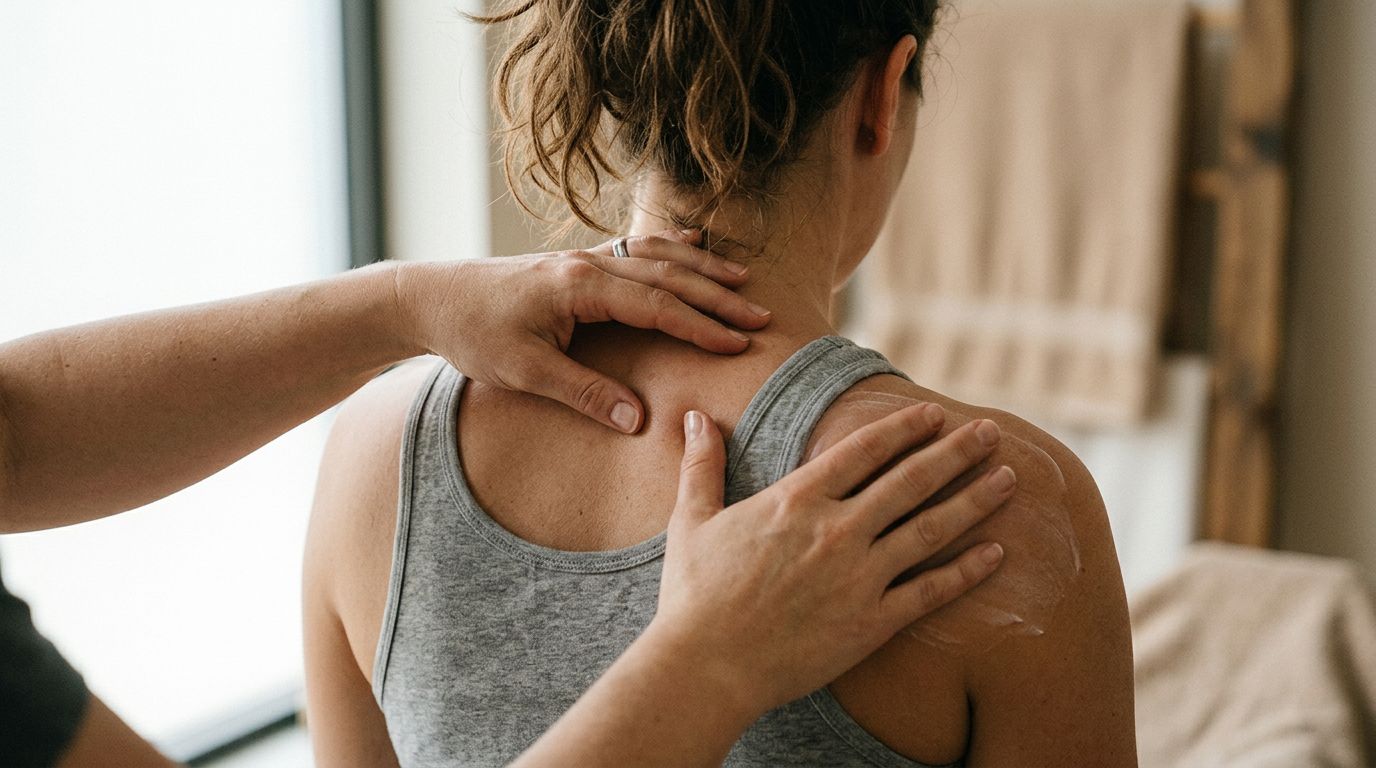
Lymphatic drainage massage for post-flight swelling and puffy ankles, what it feels like, how often to book, and when to skip it
Ever get off a plane and feel like your feet “grew” mid-flight? Your shoes are tight, your ankles look puffy, and your legs feel heavy, like they’re wearing wet sandbags.
That kind of swelling is common after long travel, and for many people it fades within a day or two. If you want gentle help along the way, lymphatic drainage massage can be a soothing option that supports fluid movement and helps your lower legs feel lighter.
This article is general wellness info, not medical advice. New, severe, or one-sided swelling needs medical guidance, especially after travel.
Why ankles swell after a flight (and what lymphatic drainage can and can’t do)
Swelling after flying usually comes down to two simple things: you sit still for a long time, and gravity wins. Blood and fluid tend to pool in the lower legs when you’re parked in a seat for hours. Cabin conditions, dehydration, salty snacks, and tight clothing can add to it.
Medical sources are clear that post-flight foot and leg swelling is often harmless, especially when it’s mild and improves soon after you start moving again. Mayo Clinic explains why it happens and when to worry in this guide on foot swelling during air travel.
So where does lymphatic drainage fit in?
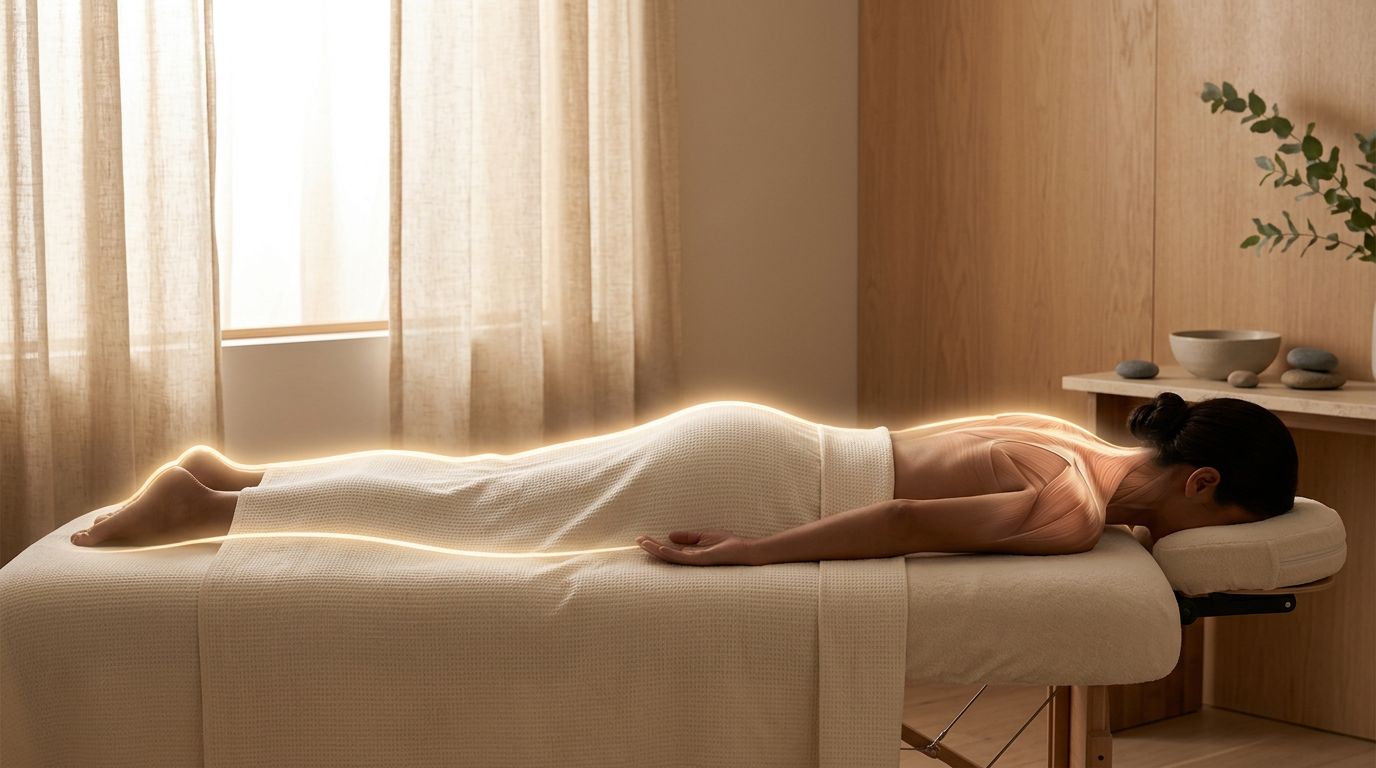
Your lymphatic system is like a quiet cleanup crew. It helps move excess fluid through lymph vessels and nodes so your body can re-balance tissue fluid levels. A lymphatic drainage massage uses very light, rhythmic touch to encourage that flow, especially in areas that get “stuck” after sitting and not moving much.
What it can do:
- Support comfort and a “lighter legs” feeling
- Help reduce that tight, puffy sensation in ankles and feet for some people
- Promote relaxation (which matters more than we give it credit for)
What it can’t do:
- It doesn’t “flush toxins” in any magical way
- It won’t fix swelling from an untreated medical issue
- It’s not a safe workaround for possible blood clots or heart, kidney, or vascular problems
Think of it like gently tipping a backed-up stream so it starts to run again, not forcing a dam open with pressure.
What lymphatic drainage massage feels like for puffy ankles and heavy legs
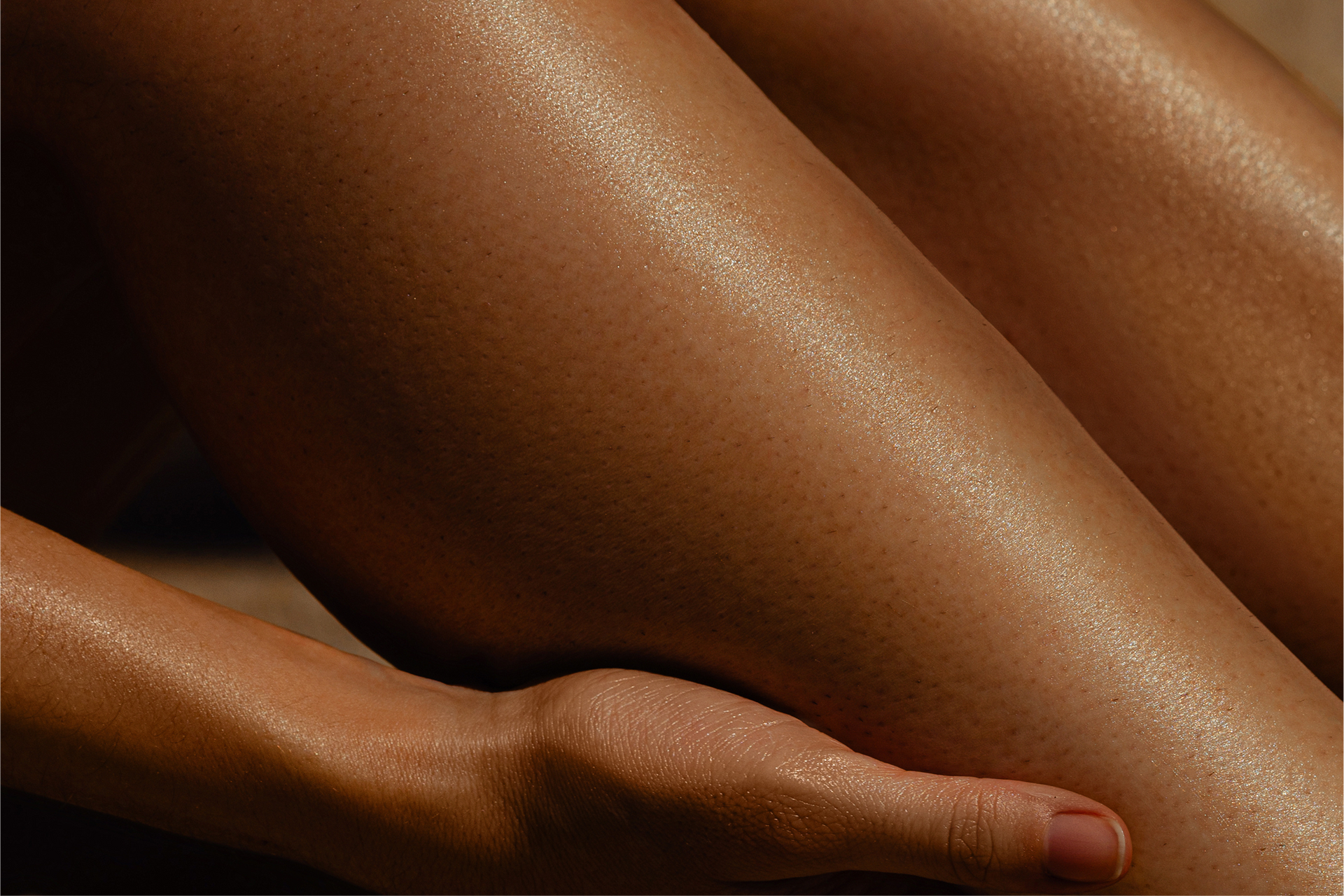
If you’ve only had deep tissue work before, lymphatic drainage can surprise you. It’s gentle . The pressure is light and skin-focused, often described as a soft stretch or a slow, rhythmic sweep. It should not hurt. If it feels sharp, pokey, or bruising, something needs to change.
Common sensations people notice:
- A light, wave-like pressure that feels almost hypnotic
- Warmth spreading through the lower legs or feet
- A deep “exhale” feeling, like your nervous system finally unclenches
- Tingling, subtle pulsing, or a sense of fluid shifting
- Needing to pee more later that day (not everyone, but it’s common)
Temporary soreness is uncommon with true lymphatic techniques. Mild tenderness can happen if you’re very swollen or sensitive, but pain isn’t the goal, and it isn’t a sign it’s “working.”
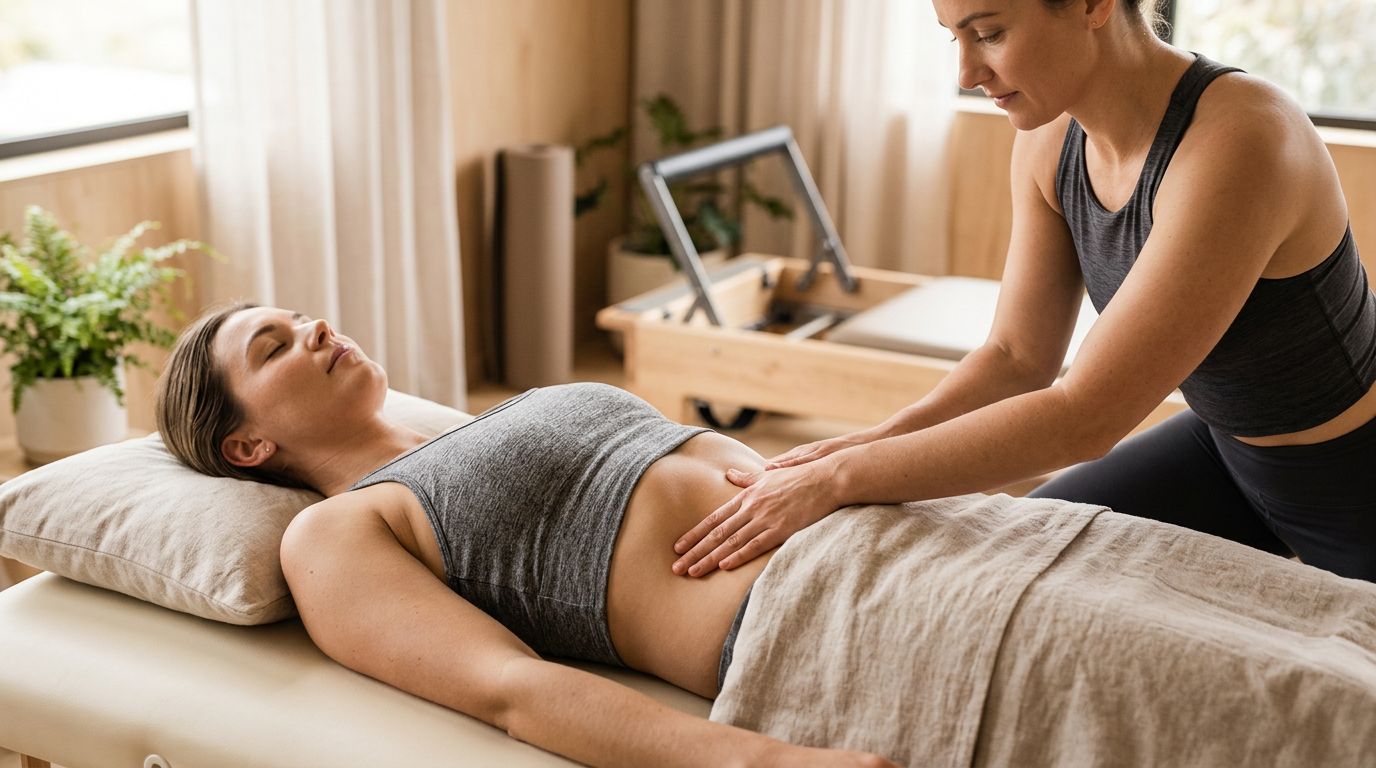
A post-flight session often includes work above the swollen area, not just on the ankles themselves. Therapists may start with gentle techniques near the collarbone, diaphragm, or abdomen, then move down to the hips and legs. That approach supports the body’s natural drainage pathways rather than chasing puffiness at the bottom.
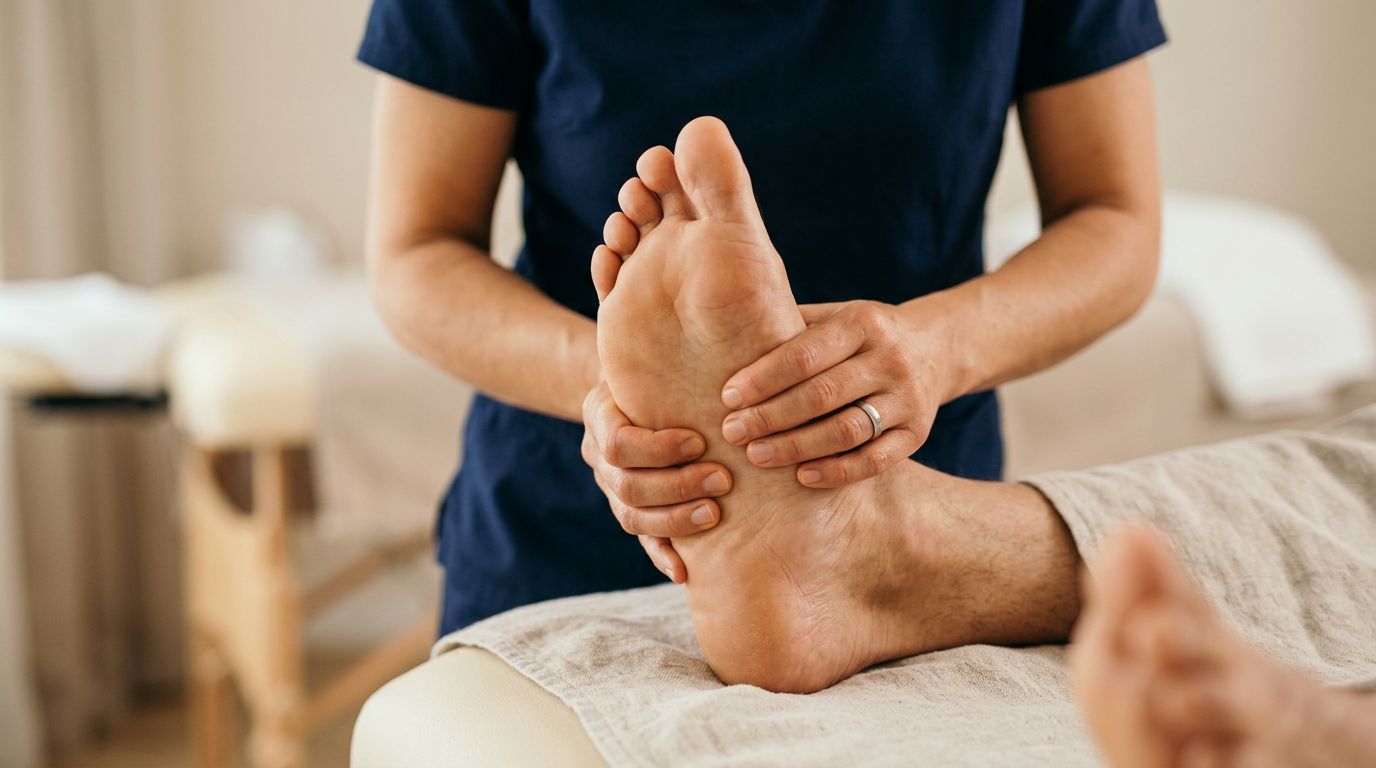
If you’re booking at a spa and you want a session that’s customized to travel-heavy legs, look for a therapist who can keep the work relaxing and targeted. If you’re local to Englewood, you can start with a customized session through massage therapy services and ask to focus on lower legs, ankles, and feet with lighter pressure.
How soon after landing to book, how often to go, and when to skip it
How soon after landing?
For simple travel swelling, many people book same day or next day
. Same day can feel great if you’re hydrated, you’ve eaten, and you don’t have red-flag symptoms. Next day is often ideal if you’re exhausted or dehydrated, because sleep and movement do a lot of the early “reset.”
60 vs 90 minutes:
A 60-minute
session can be plenty when your main goal is lower-leg puffiness and relaxation. A 90-minute
session makes sense if you also want full-body downshifting (neck, back, hips), plus extra time for the feet and calves without rushing.
Practical booking tips that actually help:
- Say “post-flight swelling” when you book. Ask for gentle lymphatic-style work, not deep pressure on calves.
- Request lower-leg focus. Ankles, feet, and the back of the knee area are common targets, with supportive work above.
- Plan a low-key hour after. A short walk, a big glass of water, and feet up can extend the comfort.
- Skip heat if you’re very puffy. Warm stones can feel amazing, but if swelling is your main issue, ask what’s best for your body that day.
How often should you book lymphatic drainage massage?
- If you fly a few times a year, one session after a long flight is a reasonable plan.
- If you travel often, some people do every 3 to 6 weeks , or after unusually long trips.
- If you have ongoing edema, vein issues, or lymphedema risk, get medical guidance first and ask whether manual lymphatic drainage is appropriate for you.
When swelling is normal vs when it’s not (quick table)
| What you notice | Often normal after travel | Possible red flag (skip massage and get medical advice) |
|---|---|---|
| Mild puffiness in both ankles/feet | Yes, especially after long sitting | Swelling that’s sudden, severe, or keeps worsening |
| Tight shoes, “heavy legs” feeling | Yes | Swelling with shortness of breath or chest pain |
| Swelling improves with walking and elevating legs | Yes | Swelling that doesn’t improve over 24 to 48 hours |
| Slight sock marks at the end of the day | Yes | One-sided swelling (one calf/ankle larger) |
| Mild stiffness | Yes | Calf pain, warmth, redness, or tenderness to touch |
A simple decision tree: book vs skip vs urgent care
- Book (usually): swelling is mild to moderate, on both sides, you feel otherwise well, and it improves with walking or elevation. Lymphatic drainage massage can be a comfortable add-on to hydration and movement.
- Skip and call your clinician: swelling is persistent, you have a history of heart, kidney, or vascular disease, or you’re pregnant and the swelling is new or fast-changing. A medical professional should guide next steps.
- Urgent care or ER now: signs that could match a blood clot or lung clot, like one-sided leg swelling, calf pain, warmth/redness, or sudden shortness of breath. The CDC summarizes travel-related clot risk and warning signs in understanding blood clots with travel , and Mayo Clinic outlines symptoms in DVT symptoms and causes. Massage is not the right choice in these cases.
Conclusion
Post-flight swelling can be annoying, but it’s often temporary. Lymphatic drainage massage can feel like a reset button for heavy legs because it’s gentle, calming, and focused on fluid comfort, not force. Book it when swelling is mild and you’re otherwise well, and skip it when symptoms hint at something more serious. Your ankles will tell the story, but your overall health signs matter more.
Recent Posts