Postpartum Recovery Massage For Core And Hip Support
After birth, your body can feel like a house that's been gently shifted off its foundation. Nothing is "wrong" with you, but the usual sense of steadiness can take time to return. Your core might feel soft or disconnected, your hips may ache, and your low back can start doing extra work just to get you through the day.
That's where postpartum recovery massage can help. The goal isn't to "fix" you in one session. It's to support your tissues as they settle, calm the nervous system, and ease the tension patterns that often build from feeding positions, baby carrying, and interrupted sleep.
This post walks through how postpartum massage can support the core and hips, what a smart session looks like, and how to stay safe while your body heals.
Why the core and hips feel different after pregnancy
Pregnancy changes how you move, breathe, and stabilize. Even if you stayed active, your body still adapted for months. After delivery, those adaptations don't disappear overnight.
Your "core" is more than abs. It's a teamwork system that includes the diaphragm (breathing muscle), deep abdominal wall, back muscles, and pelvic floor. When one part feels off, other areas often tighten to compensate. As a result, the hips and low back can feel like they're carrying the whole load.
Several common postpartum patterns can show up:
- Rib flare and shallow breathing : When breathing stays high in the chest, the deep core can feel hard to access.
- Tight hip flexors and outer hips : Hours of sitting, feeding, and rocking can shorten and grip these muscles.
- Glute "sleepiness" : If glutes don't fire well, the low back and hamstrings often overwork.
- Pelvic floor guarding : Some people feel heaviness, others feel tightness, many feel both at different times.
- Abdominal tenderness or pulling : Especially common after a C-section, but it can also happen after vaginal birth.
Massage can't replace rehab exercises, medical care, or time. Still, skilled touch can reduce protective tension so you can move better and feel more supported in your own body.
A helpful way to think about it: massage doesn't "strengthen" the core, it often makes it easier to use the strength you already have.
How postpartum recovery massage supports stability (without forcing the body)
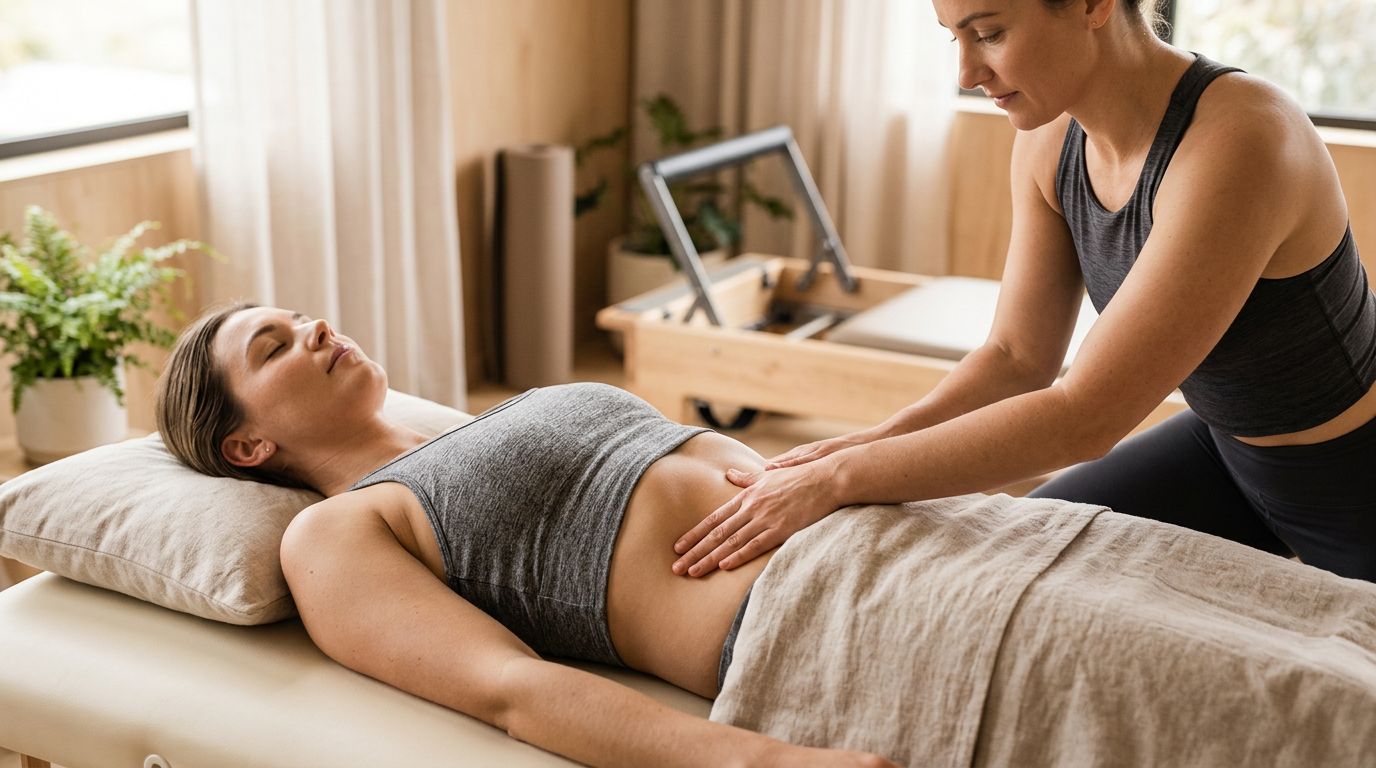
A good postpartum session is gentle, responsive, and focused on comfort. It also respects healing tissues. Deep pressure isn't automatically better, especially early on. In fact, many postpartum bodies respond best to steady, moderate work paired with slow breathing.
What therapists often focus on for core and hip support
Breath and rib mobility
When the ribs stay lifted and stiff, the abdomen can feel like it's always bracing. Soft tissue work around the rib edges, upper back, and diaphragm area (without aggressive pressure) can help breathing feel fuller and lower.
Low back and quadratus lumborum (QL)
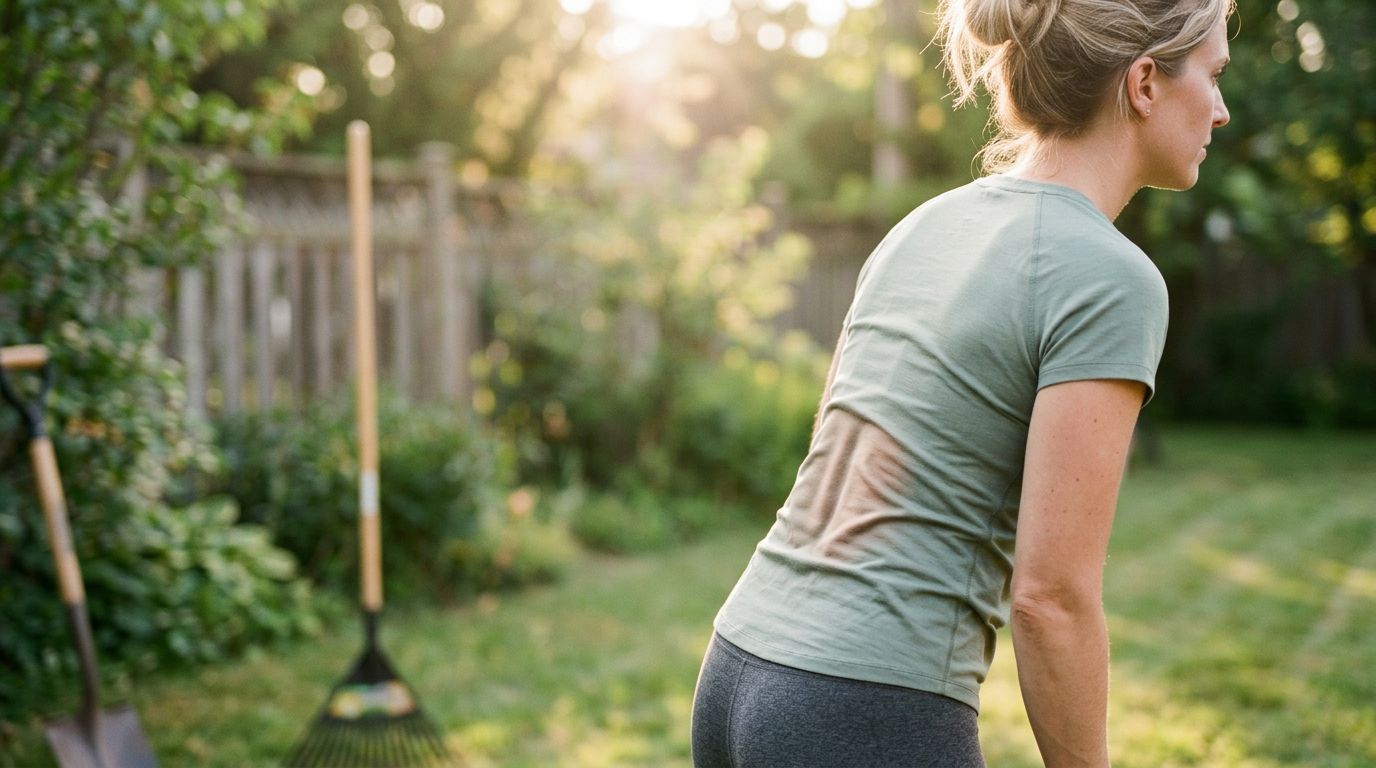
The QL sits deep in the back waist. It often tightens when you side-carry a baby or stand with one hip popped out. Easing this area can reduce that "pinched" low back feeling.
Glutes and deep hip rotators
Outer hip tension is common postpartum. Targeted work in the glutes and deep rotators can improve hip comfort and make walking and stairs feel smoother.
Hip flexors and inner thigh balance
Hip flexors can feel short from so much sitting. Inner thighs may feel strained from pelvic changes. Massage can help these areas soften so the pelvis rests in a more neutral position.
To set expectations, here's a simple way the focus often changes as you heal:
| Postpartum timing (general) | Common focus | Typical pressure | Main goal |
|---|---|---|---|
| Early weeks | Relaxation, gentle circulation support | Light | Calm, comfort, rest |
| After clearance and as comfort allows | Hips, low back, upper back, breath | Light to moderate | Ease compensation patterns |
| Later postpartum | More specific hip and core-related soft tissue work | Moderate | Mobility, balanced muscle tone |
The takeaway: the best session matches your healing stage, your birth experience, and what you're feeling that day.
If you're looking for a session designed for this life stage, you can start with these postpartum recovery massage options and choose a length that fits your schedule.
What to expect in a session (and how to make it actually helpful)
Postpartum massage should feel supportive, not like you have to "tough it out." Clear communication matters, because your body is changing fast. One week can feel completely different from the next.
Positioning that protects the core and hips
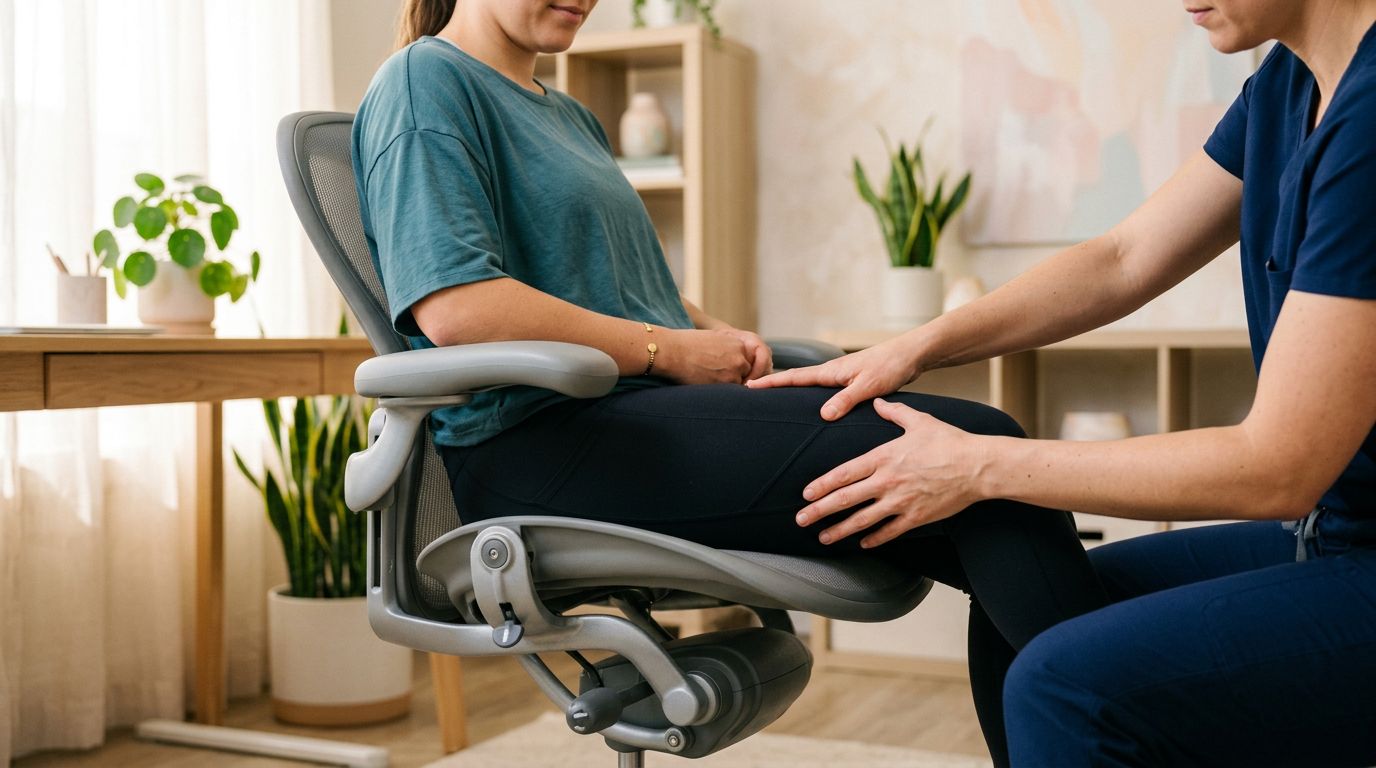
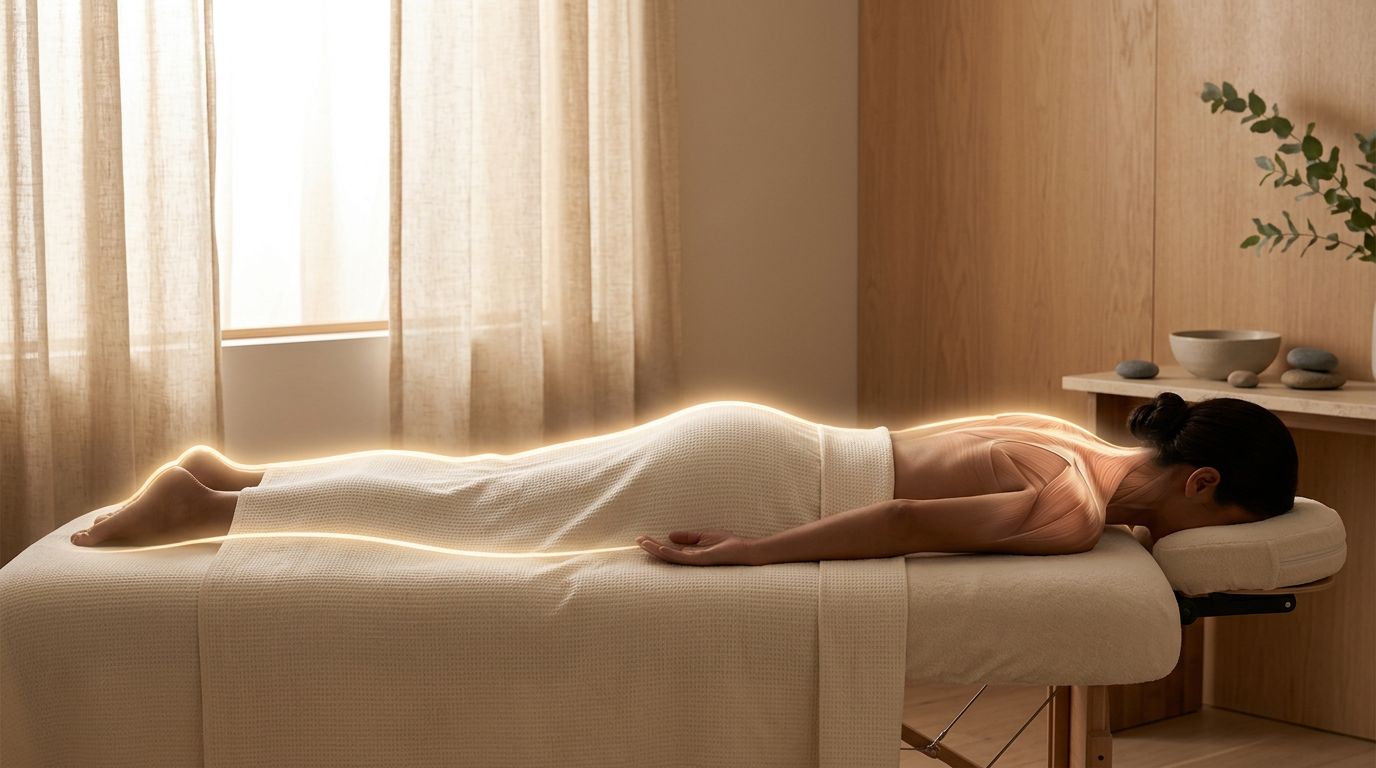
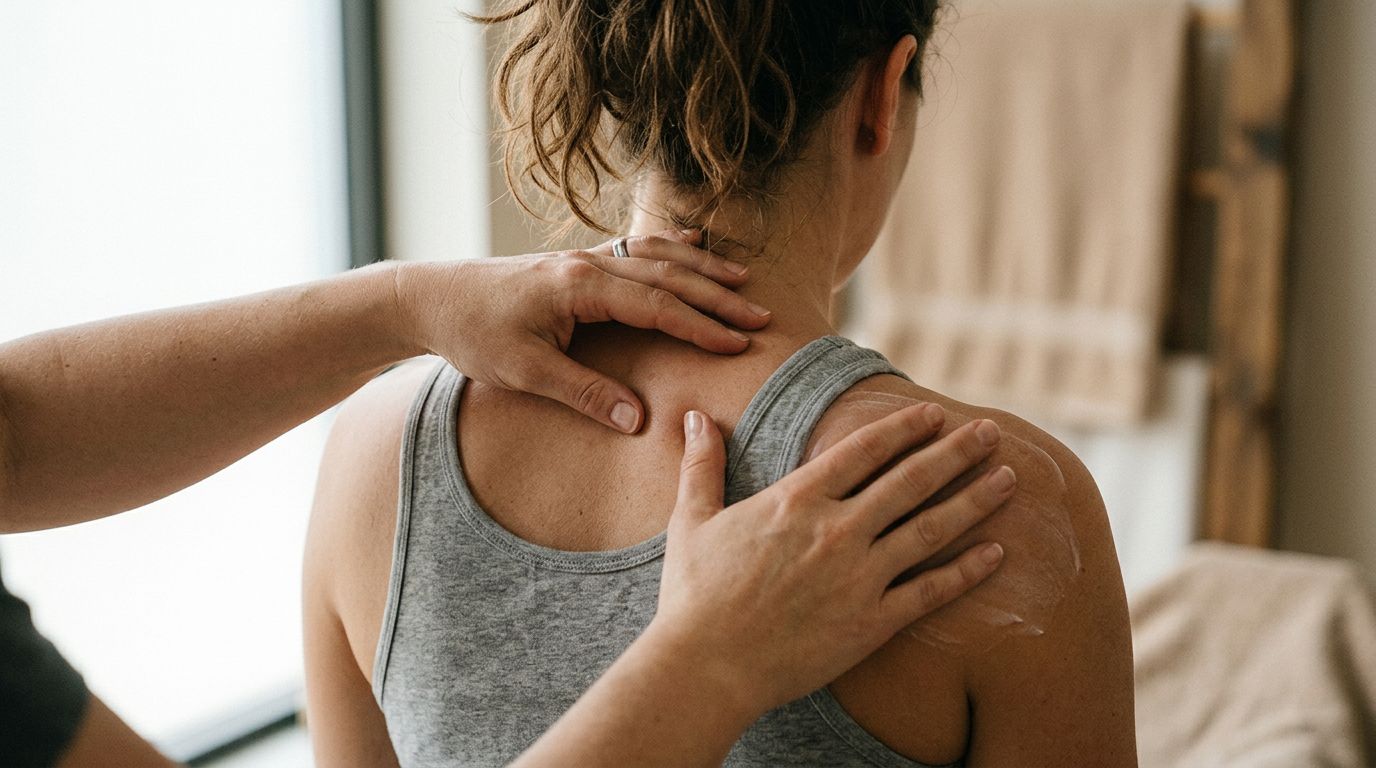
Lying face-down may feel uncomfortable at first, especially with breast tenderness, abdominal sensitivity, or lingering pelvic pressure. Side-lying is often a great option because it supports the belly and reduces strain on the low back. A therapist can also use extra bolsters under knees and ankles to keep the pelvis from twisting.
If you've had a C-section, abdominal work should be approached with care. Early on, many people do best with indirect work, such as surrounding muscles (hips, low back, upper back), plus gentle relaxation techniques. As healing progresses, some people eventually benefit from scar-focused work, but timing and technique should be guided by comfort and your provider's advice.
A simple "check-in" that improves results
Before the session, take 10 seconds and notice:
- Where do you feel tight or pulled?
- Which side feels more loaded?
- Does breathing feel shallow or stuck?
Share those answers. It helps your therapist choose a plan that fits your real life, not a generic routine.
When to wait, or get medical guidance first
Massage is usually very safe when tailored, but some situations call for extra caution. Reach out to your healthcare provider before booking if you have any of the following:
- Fever or signs of infection
- Heavy bleeding that's increasing
- Sudden swelling, calf pain, or warmth in one leg
- Severe headache, dizziness, or chest pain
- Uncontrolled high blood pressure or preeclampsia concerns
That list isn't meant to scare you. It's simply a reminder that postpartum care should be respectful of your whole health picture.
Between appointments: small habits that help your hips and core feel steadier
Massage works best when your daily positions stop re-tightening the same spots. That's tough with a newborn, but tiny changes add up.
Try these simple supports:
Exhale with effort : When you lift the car seat or stand from a chair, breathe out as you move. Many people brace and hold their breath, which pushes pressure down into the pelvis.
Switch sides often : Carrying on one hip can crank up QL and outer hip tension. Alternate sides, even if one feels "easier."
Use a pillow station : One pillow behind your low back and one under your feeding arm can reduce hunching. Less hunching usually means less neck and hip compensation later.
After your massage, keep it gentle for the rest of the day if you can. Hydrate, take a short walk, and notice how your steps feel. If a spot feels sore, treat it like a tired muscle, not a problem that needs aggressive stretching.
Comfort is useful data. If your body says "too much," it's okay to adjust the plan next time.
Conclusion
Postpartum recovery can feel like learning your body all over again. With the right approach, postpartum recovery massage can ease hip tension, reduce low back strain, and help you reconnect with your core through better breathing and softer, more balanced muscle tone. The best sessions are personalized, gentle when needed, and focused on how you move in real life.
If you want to feel more stable while you heal, start with a session plan that respects where your body is today, not where you think it "should" be.
Recent Posts