
Myofascial release massage for tight hips and low-back stiffness, what it feels like, how long results last, and when to skip it
Tight hips and a stiff low back can feel like your body’s moving through wet cement. You stretch, you walk, you try a new chair, and still that “stuck” feeling shows up when you stand up from the car or roll out of bed.
Myofascial release massage is one approach that targets the body’s connective tissue (fascia), which can start to feel stiff and protective when you sit a lot, guard an old injury, or carry stress in your posture. It’s slower than a typical deep-tissue massage, and the sensation can surprise people in a good way.
Medical disclaimer: This article is for general education, not medical advice. If low-back pain is persistent, worsening, or linked to numbness, weakness, or bowel or bladder changes, get a professional evaluation.
What myofascial release massage is (and why hips and low backs get “sticky”)
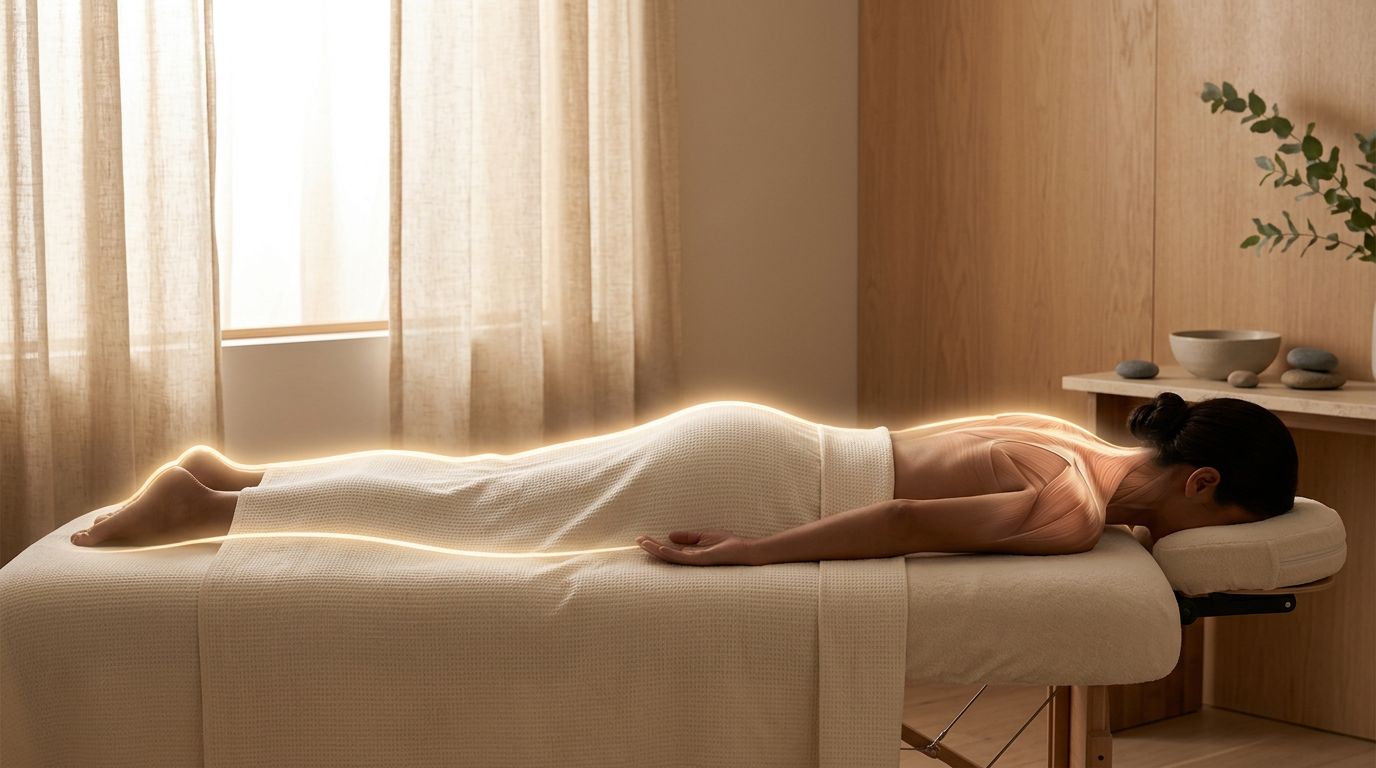
Fascia is the thin, strong tissue that wraps muscles and connects areas across the body. Think of it like a stretchy web that helps tissues glide. When that glide gets limited, you may feel stiffness, pulling, or a dull ache that doesn’t match a single muscle.
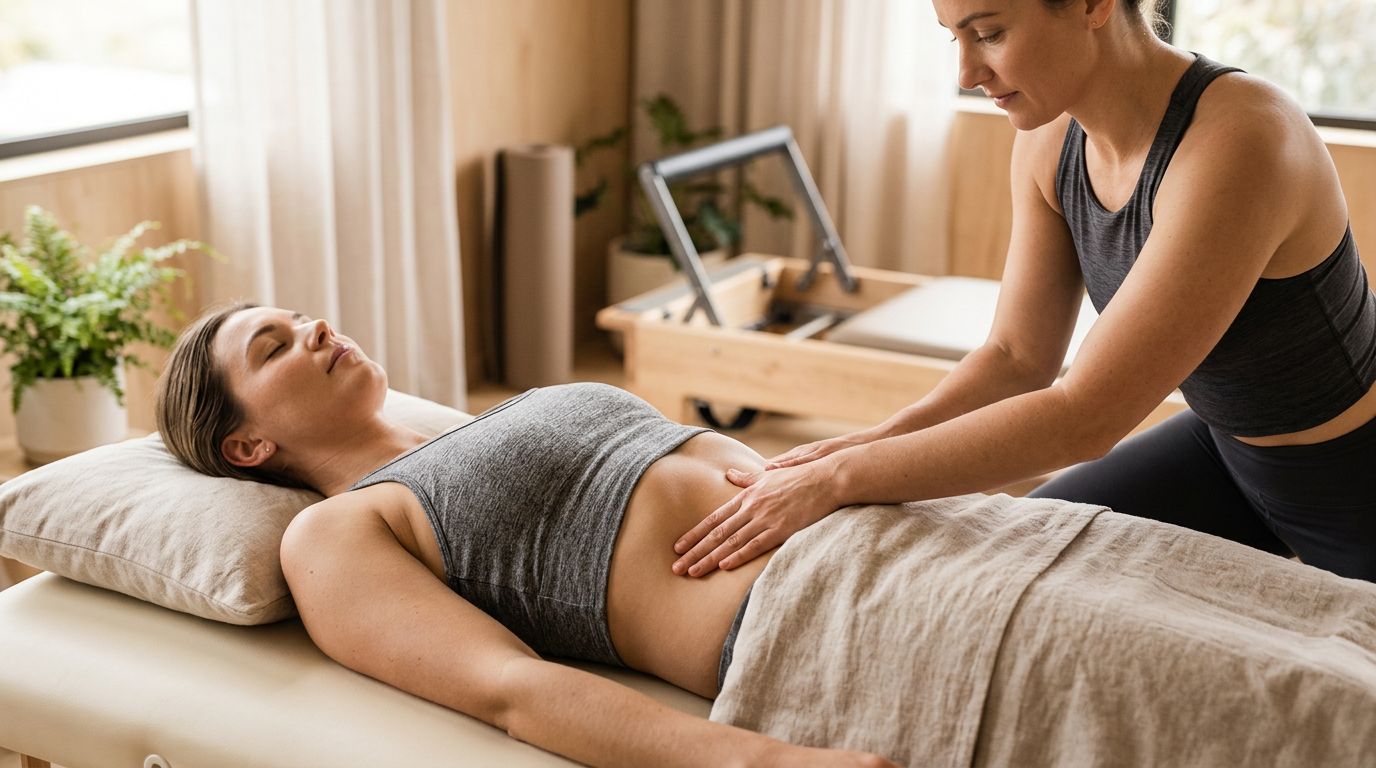
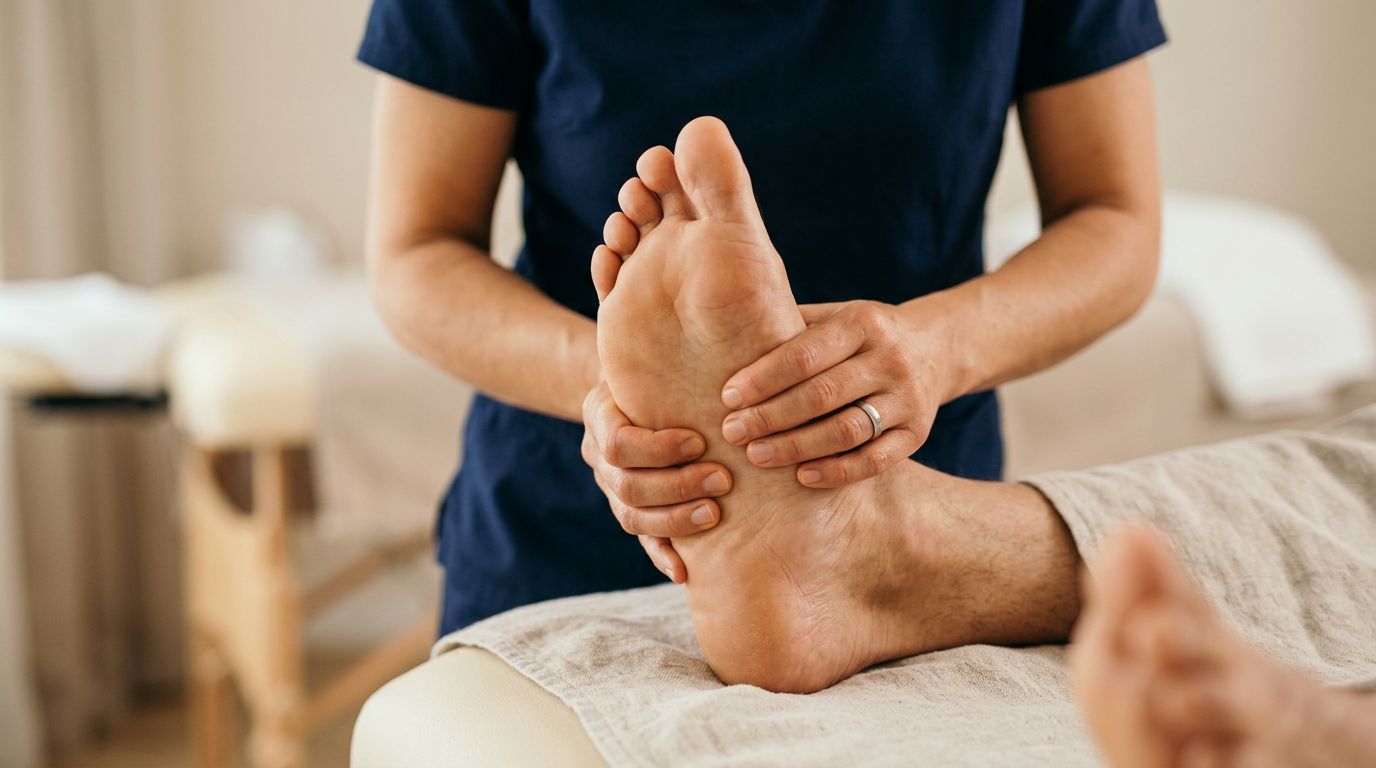
Myofascial release focuses on slow, sustained pressure and gentle stretching rather than quick rubbing. Many therapists use little to no oil, because they want traction on the skin and underlying tissue. The work often targets broad zones, not just one sore point, because fascia is continuous.
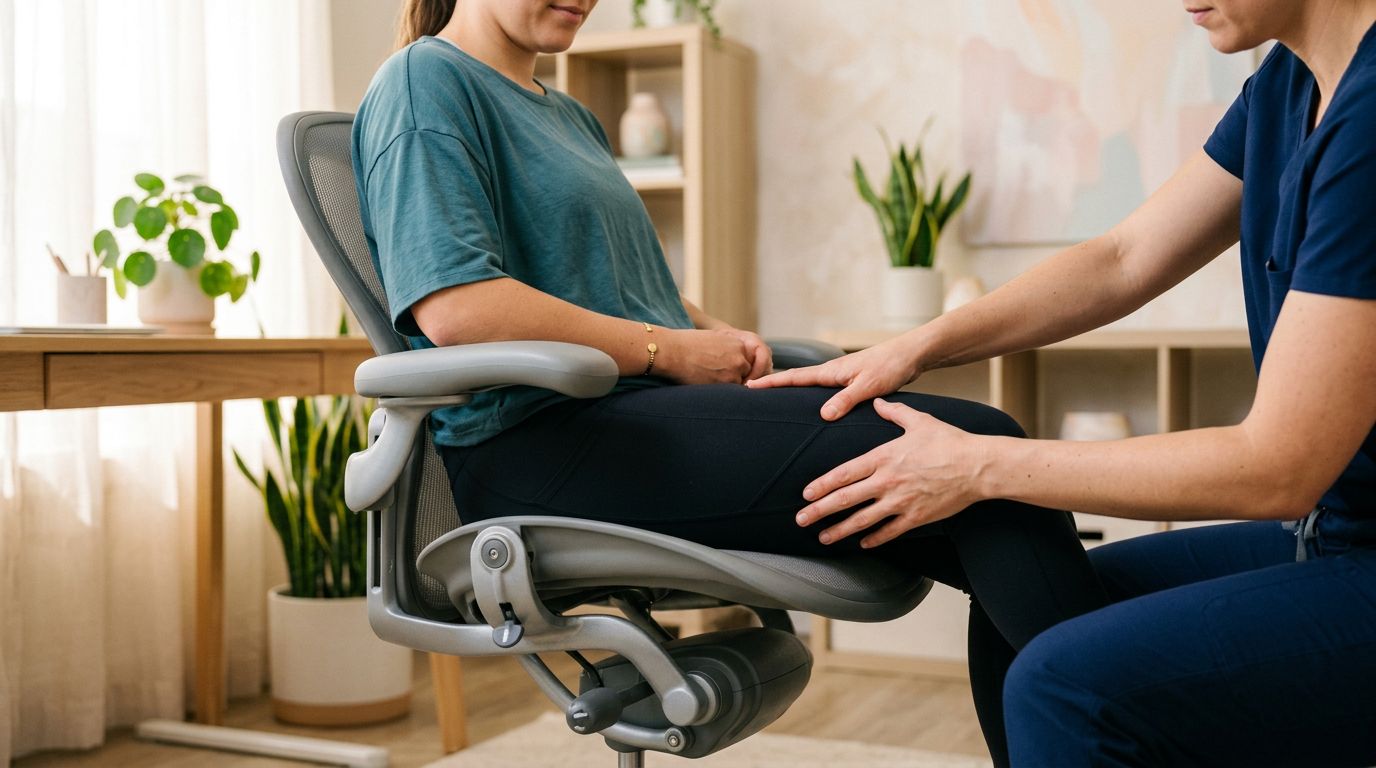
For tight hips and low-back stiffness, common areas include the hip flexors, glutes, deep hip rotators, outer hip (often near the IT band region), and the muscles that attach into the pelvis and lumbar spine. When these tissues feel guarded, your low back may “take the hit” during bending, walking hills, or standing from a chair.
What does research say? The evidence is still mixed, but reviews suggest myofascial approaches can help some people with chronic low back pain, especially when paired with movement and strengthening. For a deeper look at outcomes across studies, see this systematic review on myofascial release for chronic low back pain. The takeaway is simple: it can be helpful, but it’s not a magic fix, and results vary.
If your hip and back tension is tied to daily habits (desk work, long drives, side-sleeping that twists the pelvis, high stress, or weak glutes), myofascial work can be a reset, not the whole plan.
What it feels like during treatment (and what “good pain” is not)
People often expect myofascial release to feel like deep digging. It usually doesn’t. The pressure can be firm, but it’s applied slowly, then held. Many clients describe it as a steady stretch, a spreading warmth, or a “melting” sensation as the tissue lets go. Sometimes there’s an achy tenderness that refers into the hip, sacrum, or side of the thigh.
A common pattern is: mild discomfort at first, then a drop in intensity as your nervous system stops bracing. Breathing helps, and so does clear feedback.
Here’s a simple 0 to 10 guide you can use in the moment:
| Sensation level (0–10) | What it can feel like | What to do |
|---|---|---|
| 0–3 | pressure, mild stretch | easy, stay with it |
| 4–6 | strong but steady, “hurts good,” you can breathe normally | ok with communication, ask for small adjustments |
| 7–10 | sharp, burning, electric, or you tense and hold your breath | stop sign , reduce pressure or change approach |
Stop-sign symptoms are not the goal. If you feel sharp pain, burning, new numbness or tingling, or pain that shoots down the leg, say so right away. Those signals can mean the pressure is irritating a nerve or that the area needs a different plan.
Afterward, it’s normal to feel a little sore, like you worked out. Many people also notice easier hip rotation, a longer stride, or less “catching” in the low back when standing up. If you’re booking bodywork for hip and back tension and want a session tailored to how you feel that day, start with customized massage therapy services so the pressure and technique match your symptoms.
If you want extra background on how myofascial techniques are commonly used in massage settings, this overview of myofascial release techniques in massage therapy provides helpful context.
How long results last, what changes the timeline, and when to skip it
How long does relief usually last?
Duration depends on what’s driving the tightness.
- Right away to 24 hours: Many people feel looser immediately, mainly from nervous system downshift and improved tissue glide.
- 2–7 days: A common window for noticeable changes in stiffness and ease of movement, especially if you keep moving.
- 2–6 weeks: This is more realistic when myofascial release is part of a plan, like a short series plus home mobility and strength work.
If the root cause is still there (same chair, same driving posture, same training load, same sleep stress), the body often returns to the old pattern. That’s not failure, it’s feedback.
What makes results last longer (or fade faster)
A few factors have an outsized impact:
- Activity and training load: A hard leg day or long run can tighten hips again quickly. Light walking often helps.
- Ergonomics: Long sitting with hips flexed keeps the front of the hips short and the glutes sleepy.
- Sleep and stress: Poor sleep and high stress can raise baseline muscle tone and sensitivity.
- Strength deficits: Weak glutes and core endurance often shift work into the low back.
- Hydration and recovery: Not a cure-all, but dehydration and poor recovery can make tissues feel more irritable.
When to skip myofascial release (contraindications)
Avoid or postpone myofascial work, or get medical clearance first, if you have:
- Fever, systemic infection, or feeling acutely unwell
- Open wounds, skin infection, or contagious rash in the area
- Recent surgery, new implants, or a healing fracture
- Known blood clot, clotting disorder, or significant unexplained swelling
- Use of blood thinners , or easy bruising that’s not explained
- Severe osteoporosis or very fragile skin
- Active cancer in the area , or current cancer treatment without clinician guidance
- A flare where even light touch feels too intense (some chronic pain conditions can behave this way)
For more detailed safety considerations often taught in rehab settings, see Physiopedia’s summary of advanced myofascial release considerations.
Red flags that need prompt evaluation (don’t massage through these)
Get urgent or same-day medical help if low-back pain comes with:
- New bowel or bladder control problems
- Numbness in the groin or saddle area
- Progressive leg weakness , foot drop, or repeated falls
- Severe pain after a fall, car accident, or major lift
- Fever, chills, unexplained weight loss , or history of cancer with new back pain
- Pain that rapidly worsens , or constant night pain that doesn’t change with position
- Radiating pain with increasing numbness or tingling down the leg
Two quick follow-ups to help your hips stay open
To keep the gains, pair bodywork with simple movement:
- Half-kneeling hip flexor stretch (30–45 seconds each side): Tuck the pelvis slightly (think “zip up” the front ribs), squeeze the back-leg glute, then gently shift forward until you feel the front of the hip.
- Glute bridge (2 sets of 8–12): Feet hip-width, exhale, lift hips, hold 2 seconds, lower slowly. Aim for glutes doing the work, not the low back.
Conclusion
Myofascial release massage can feel slow, specific, and surprisingly calming, especially when tight hips are feeding low-back stiffness. Results may last a few days after one session, and longer when you support it with better movement, sleep, and basic strength. Watch your pain scale, respect stop-sign symptoms , and don’t push through red flags. When in doubt, get your low back checked, then use massage as one part of a smart, steady plan.
Recent Posts