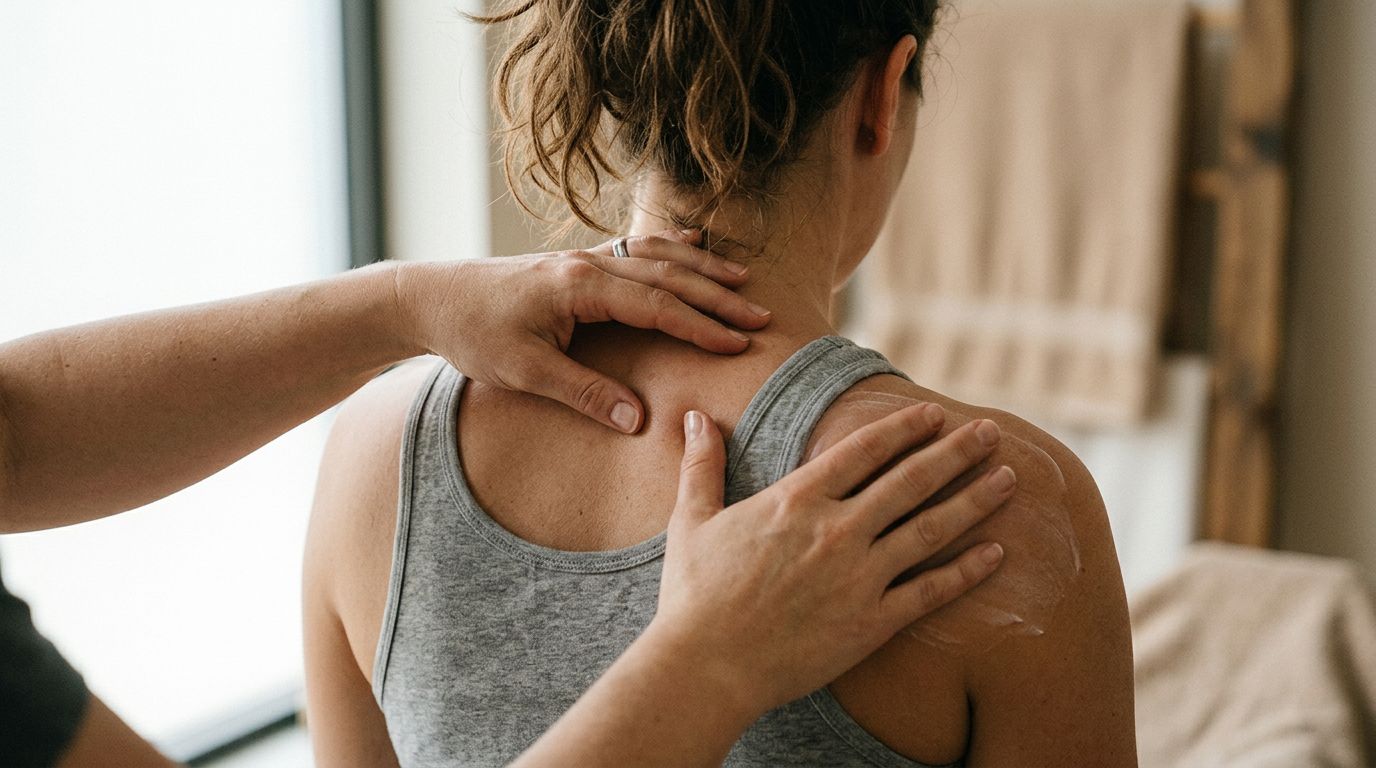
Massage For SI Joint Pain And Hip Pinch What To Expect
That sharp "pinch" in the front of your hip, plus an achy spot near your low back, can make simple things feel hard. Getting out of the car, walking the dog, even turning in bed can set it off. If you're looking into SI joint pain massage , you probably want two things, relief and a clear idea of what will happen in the session.
Massage can help, especially when the pain is coming from irritated, overworked muscles that tug on the pelvis and hip. At the same time, the SI joint is a sensitive area, so the best results come from a careful plan, not just "digging in."
Below is what to expect, how massage is usually approached, and how to know if the work is helping.
SI joint pain and hip pinch: why these two often show up together
Your sacroiliac (SI) joints sit where the spine meets the pelvis. They don't move much, but they transfer force with every step. When the pelvis is slightly irritated or not gliding well, nearby tissues often take the hit.
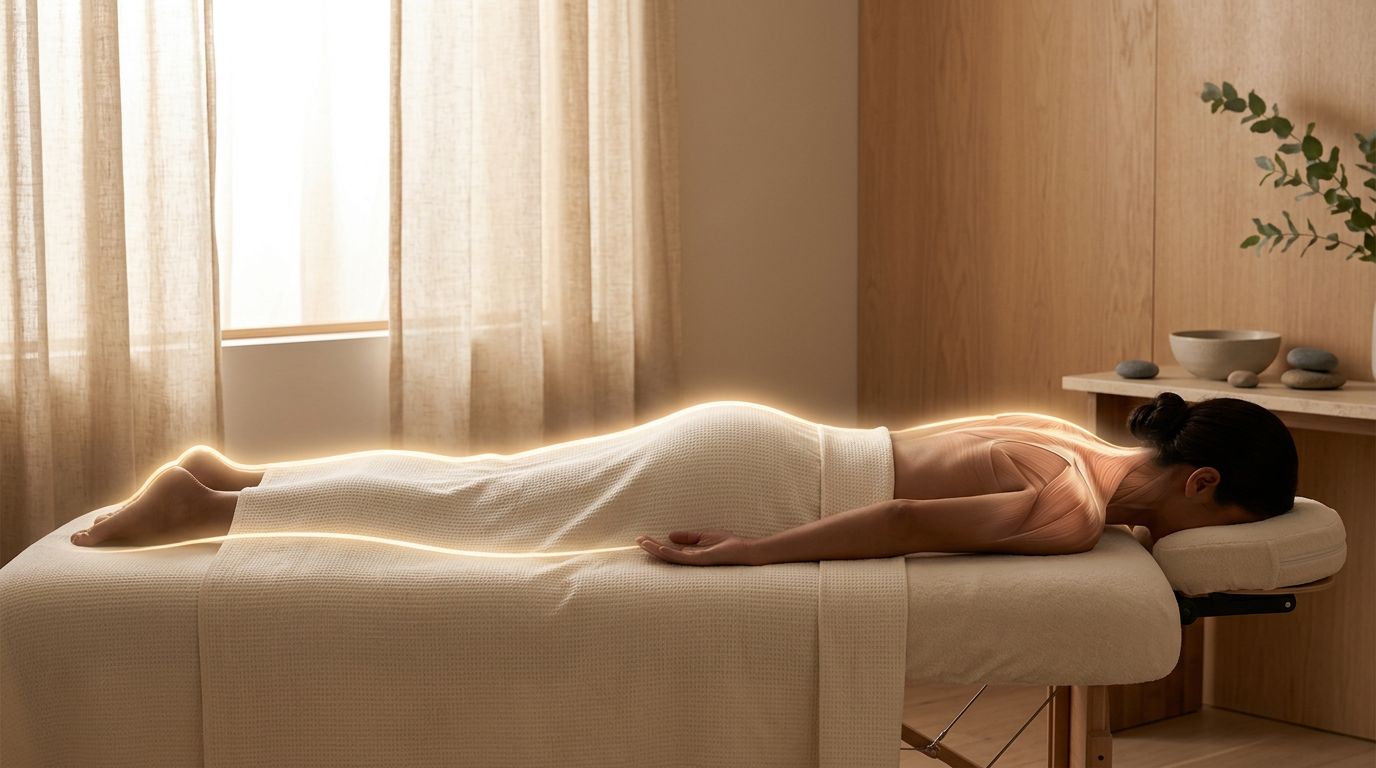
A "hip pinch" usually points to the front or side of the hip, often near the hip flexors or the front of the hip capsule. SI pain often feels more like one-sided low back pain, buttock ache, or a deep sore spot near the dimples above the butt. The tricky part is that muscles connect these zones like a web , so tightness in one area can pull on another.
Common patterns massage therapists see include:
- Glute muscles that stay clenched all day (especially the glute med and deep rotators).
- Hip flexors that feel short and guarded from sitting.
- Low back muscles that "brace" because the hips don't feel stable.
- One side working harder due to a habit, old injury, or uneven training.
In other words, the joint may be irritated, but the surrounding tissues often keep the cycle going. That's where massage can be useful.
What massage can and can't do for SI joint pain and hip pinching
A well-planned SI joint pain massage usually focuses on calming the tissues that control the pelvis and hip. Many people notice they can stand straighter, take a longer step, or roll over in bed with less effort afterward.
Massage may help by:
- Reducing protective muscle guarding around the pelvis and hip
- Improving circulation in tight, "ropey" areas
- Lowering sensitivity in trigger points that refer pain into the low back, butt, or hip
- Making it easier to stretch and strengthen afterward
However, massage doesn't "put the SI joint back in." If you've been told it's "out," think of it more like irritation and poor coordination than a bone that needs to be forced into place. Good bodywork supports better movement, then your daily habits and exercises keep it.
If your pain flares every time you load one leg (stairs, lunges, getting out of the car), your session should focus on stability and calm , not aggressive pressure.
For targeted care, it helps to work with a therapist who can customize pressure and positioning. You can learn more about options for massage therapy for SI joint pain relief and choose a session length that matches how sensitive the area feels right now.
What to expect during your SI joint pain massage session
The first few minutes should feel like a conversation, not an interrogation. Your therapist will usually ask where you feel the pain, what makes it worse, and what positions bother you (lying face down, side lying, back lying).
What you should tell your therapist before they start
Share details that change how the work is planned, such as:
- When the pinch happens (deep squat, walking, sitting, first steps in the morning)
- Whether pain travels down the leg, or stays local
- Recent falls, pregnancies, car accidents, or new workouts
- What has helped so far (heat, walking, stretching, rest)
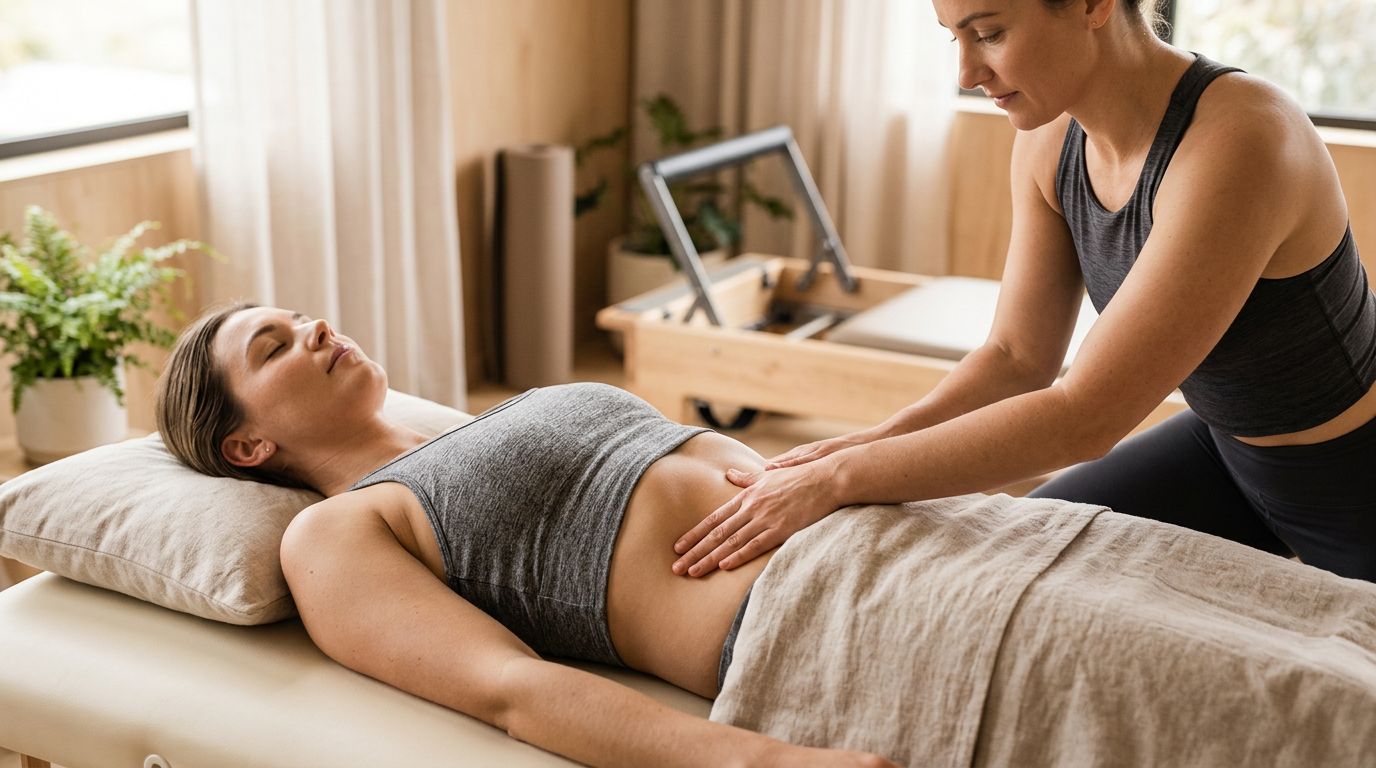
Then you'll get positioned for comfort. Many people with SI irritation do better in side lying with a pillow between the knees, or face down with support under the hips. If any position feels "wrong," speak up early.
What the work often feels like
Expect a mix of broad, warming strokes and focused work. Most therapists start away from the hot spot because it lets the nervous system relax first. Pressure should feel productive, not threatening. A good rule: you can breathe slowly and unclench your jaw.
It's also normal for the "problem" to show up in surprising places. For example, work along the side of the hip can ease a deep buttock ache, and gentle hip flexor work can reduce that front-of-hip pinch.
Techniques commonly used (and how to know if it's too much)
SI joint pain massage is usually less about one magic technique and more about choosing the right intensity. Therapists may use deep tissue methods, trigger point therapy, myofascial work, or slow compression. Some also include gentle stretching and range-of-motion work.
Areas often addressed include the glutes, piriformis and deep hip rotators, TFL and IT band region, hip flexors (iliopsoas area is approached carefully), and the quadratus lumborum in the low back. Work directly on the joint itself is usually light, if it's done at all.
Here's a quick way to tell the difference between helpful intensity and a flare-up risk:
| During and after massage | Usually OK | Time to adjust or stop |
|---|---|---|
| Sensation during pressure | "Hurts good," you can breathe | Sharp, zinging, or makes you hold your breath |
| After-session feeling | Looser, heavier, calmer | More pinching, limping, or guarding increases |
| Next-day response | Mild soreness, better movement | Pain climbs for 24 to 48 hours |
The takeaway: stronger isn't always better around the SI and hip. Often, slower and more specific wins.
After your massage: soreness, self-care, and when to get checked out
After a good session, you might feel tired, a bit sore, or surprisingly light. Mild tenderness is common, especially if trigger points were involved. Hydration helps, but movement helps more. A short walk later that day can keep the pelvis from stiffening back up.
Try these simple next steps:
- Use heat for comfort if you feel guarded, or ice if the area feels inflamed and hot.
- Avoid testing the pain with deep squats or heavy lifting that same day.
- Do gentle hip and glute movement, not long, aggressive stretching.
- Notice patterns for next time, such as "side lying felt best" or "hip flexor work flared me."
Also, know the red flags. Massage is not the right first step if you have symptoms that suggest something more serious. Get medical care if you notice new numbness, weakness, loss of bladder or bowel control, fever, unexplained weight loss, or pain after a major fall.
Most people fall into the middle zone, not an emergency, just stubborn pain. In that case, a plan works best: a few sessions close together, then spacing out as your body holds changes longer.
Conclusion: a good SI joint pain massage should feel calming, not like a battle
SI joint pain and hip pinching can feel confusing, because the ache isn't always where the real tension lives. The right massage approach focuses on the muscles that control the pelvis and hip, uses pressure you can breathe through, and leaves you moving easier afterward.
If you're scheduling SI joint pain massage , go in with one goal: relief you can keep. Ask for positioning that feels safe, give clear feedback, and pair the session with gentle movement later that day. Your body often responds best when it feels supported, not pushed.
Recent Posts