Carpal Tunnel Massage For Numb Hands What It Feels Like

STILL Massage + Skin • March 1, 2026

Share this article

When your hands go numb, it can feel like they don't quite belong to you. Keys slip, buttons fight back, and your grip turns unreliable at the worst times. If you're considering carpal tunnel massage , you probably want one simple thing answered first: what will it feel like, and will it make the numbness worse?

A good session usually feels focused and oddly "upstream." The work often happens more in the forearm and wrist than in the fingers themselves. You may feel tenderness, warmth, tingling, or a light "zappy" sensation that fades as tissues relax. You should not feel sharp, electric pain that lingers.

Below is what to expect, what's normal, what's not, and how to get the most comfort from your session.

Why carpal tunnel can make your hands feel numb (and why it's not always the wrist)

Carpal tunnel symptoms happen when the median nerve gets irritated as it passes through a narrow space in the wrist. That nerve helps power sensation in the thumb, index finger, middle finger, and part of the ring finger. When the area gets crowded from swelling, repetitive strain, or tense tissues, your hand can start sending weird signals.

Numbness doesn't always feel like "nothing." Many people describe it like:

  • Pins and needles that come and go
  • A hand that feels puffy or "asleep," even when it looks normal
  • Burning or buzzing in the fingers
  • A weak pinch grip, especially when opening jars or holding a phone
  • Night symptoms that wake you up, then ease when you shake your hand out

Here's the tricky part: not every numb hand is carpal tunnel. Similar sensations can come from neck or shoulder tension, elbow nerve irritation, tendon overuse, or health issues that affect nerves. That's one reason massage can be helpful, because a skilled therapist can check patterns of tightness in the forearm, wrist, hand, shoulder, and upper back.

Massage doesn't "cure" nerve compression on its own. Still, it can reduce surrounding tension, calm irritated tissues, and help you notice what positions or habits flare symptoms.

What carpal tunnel massage feels like during the session

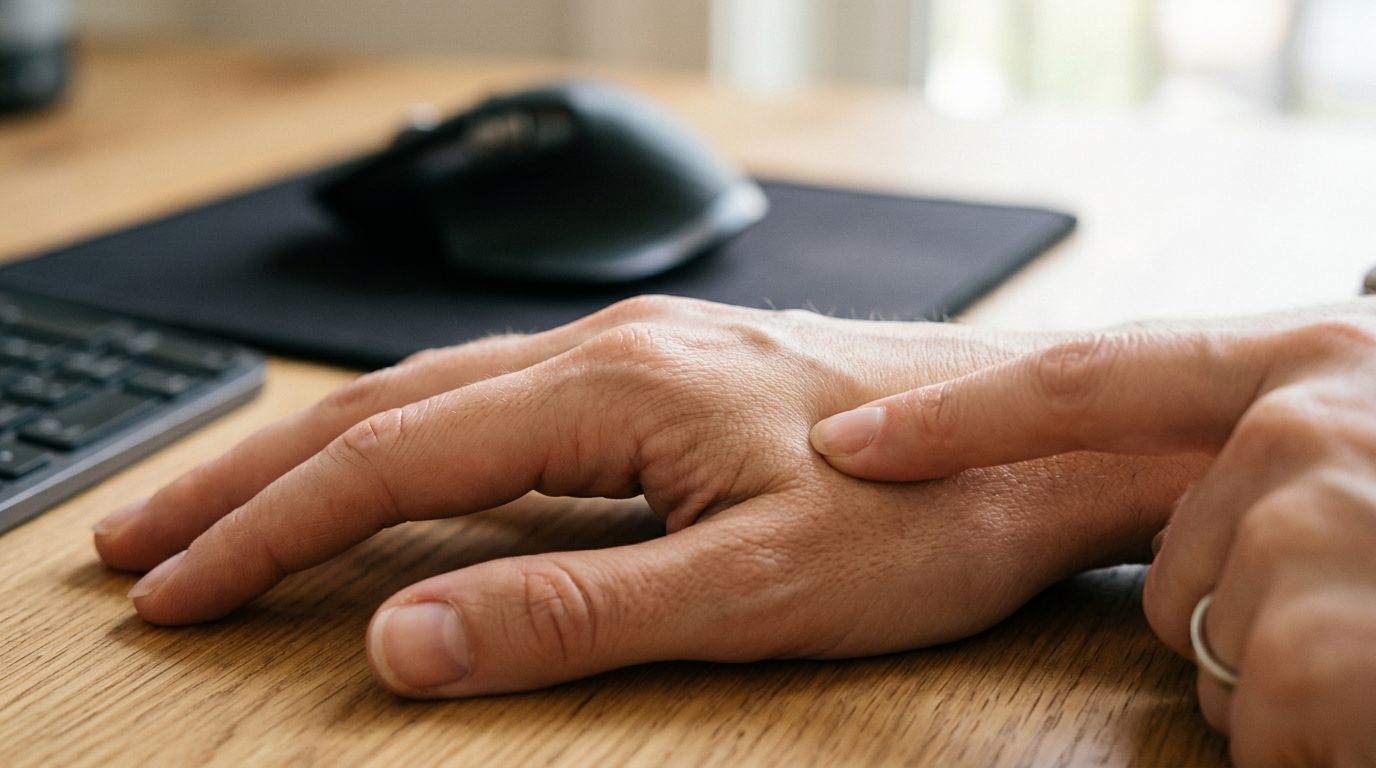
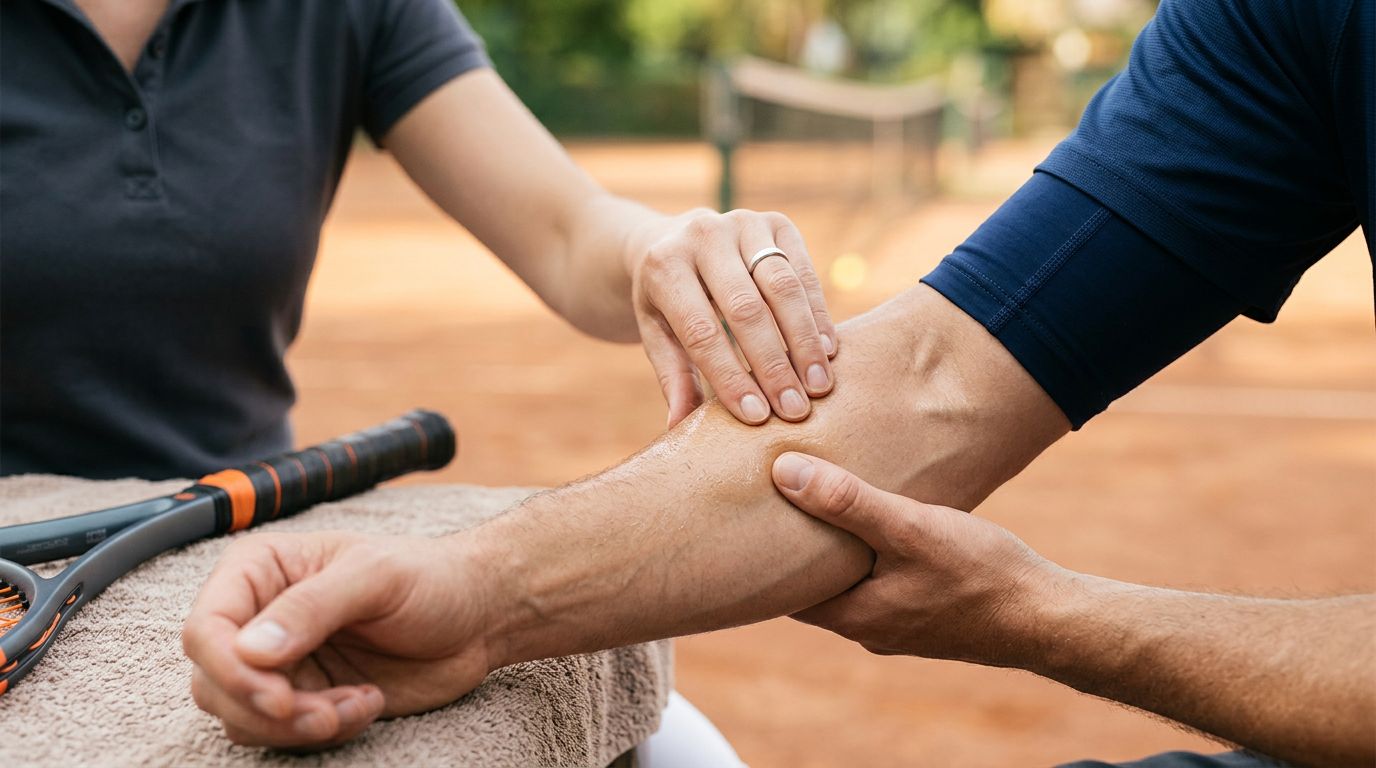
Most people expect hands-on work directly on the wrist crease, and some of that may happen. However, a smart approach usually starts in the forearm, because tight forearm flexor muscles tug on the wrist and load the tendons that share space near the carpal tunnel.

The first few minutes: pressure that feels "useful"

At the start, you'll likely feel steady pressure and slow strokes along the inner forearm. It can feel tender, especially if you type, grip tools, or do repetitive hand work. The tenderness often has a "good pain" quality, like pressing on a sore knot in your shoulder.

As the tissue warms, the sensation usually changes from sharp tenderness to a dull ache, then to relief. Your hand may start to feel heavier, warmer, or more present.

Tingling and "zings": when it's normal and when it's not

Because nerves are involved, it's common to feel brief tingles into the fingers during carpal tunnel massage. That can feel like a tiny current, a sparkle, or pins and needles that move and fade. A skilled therapist will adjust angle, depth, and location so the sensation stays mild.

A helpful rule: mild, fading tingles can be normal, but sharp, shooting, electric pain is a stop sign.

If you feel a strong zing that lasts, speak up right away. Massage should never leave your fingers feeling more numb for hours.

Where the work may happen (and what it feels like)

Even if your fingers are the issue, the massage may focus in several zones:

  • Forearm (flexor side) : Tender bands, slow compression, and gradual softening. This is often the "main event."
  • Wrist and palm : Gentle, specific pressure near tight fascia. It can feel sensitive but shouldn't feel stabby.
  • Thumb web and base of the thumb : A deep ache that releases, especially if you text or scroll a lot.
  • Upper arm, shoulder, and neck : Surprisingly soothing. If nerve irritation is "upstream," this can change hand symptoms fast.

Some people notice their hand starts to sweat slightly during release. Others feel their fingers spread more easily, like the hand is unclenching without trying.

If your therapist adds stretching or joint work

You may also feel gentle traction (a light pull) through the wrist or fingers, or slow stretching of the forearm muscles. This often feels like someone is lengthening a tight sleeve. It should feel relieving, not forced.

If you're booking a professional session, choosing a therapist who can personalize pressure matters. At Still Massage + Skin, sessions can be tailored as targeted massage therapy for hand tension , so you're not stuck with a one-size routine when your hands need specific care.

What it feels like after: the next 24 to 48 hours

Right after the massage, many people notice one of these outcomes:

  • Lighter numbness or a bigger gap between flare-ups
  • Warmth and circulation in the hand, especially after forearm work
  • Soreness in the forearm , like you worked out a muscle you forgot existed
  • Less nighttime waking , because the arm and wrist settle down

It's also normal to feel "quiet" in the hand, as if the background buzzing turned down. That calm can last hours, sometimes longer. If you've had symptoms for a long time, the change may come in small steps instead of one dramatic shift.

On the other hand, a session that's too deep can leave you achy and slightly more sensitive for a day. Mild soreness is fine. Increasing numbness, worsening burning pain, or new weakness is not.

A few simple choices help the benefits last:

  • Keep your wrist in a neutral position when you can, especially at night.
  • Use heat if you feel muscle tightness, and use cool packs if you feel irritated swelling.
  • Drink water, then notice if you grip your steering wheel or phone too hard.

How to get the most relief safely (and when to skip massage)

Massage works best when your therapist knows what you're feeling and when you feel it. Before the session, share what's going on in plain terms.

Tell your therapist these details

  • Which fingers go numb (thumb side vs pinky side matters)
  • Whether symptoms wake you up at night
  • What triggers it (mouse use, driving, hair styling, lifting, vibration tools)
  • Any recent injuries, surgeries, or steroid shots
  • Whether you've noticed dropping things or losing pinch strength

That last point matters because weakness can be a sign the nerve is struggling more.

Pressure guidelines that usually work well

For carpal tunnel massage, "harder" isn't automatically better. Slow, steady pressure often beats quick, intense digging. Many clients do best with moderate depth in the forearm and lighter, more specific work near the wrist and palm.

If your hand goes numb during the session, your therapist can change position, reduce depth, or move to supporting areas like the shoulder and neck.

The best sessions feel like your body is letting go, not like you're bracing through it.

Red flags that need medical attention

Massage is a comfort tool, not a substitute for diagnosis. Get checked by a healthcare professional if you notice:

  • Numbness that's constant, not just on and off
  • Hand weakness that's getting worse
  • Visible muscle wasting at the base of the thumb
  • Severe pain, swelling, redness, or fever
  • Numbness after a fall or sudden injury

If you're unsure whether it's carpal tunnel, a clinician can help rule out other causes and suggest a plan that may include splints, activity changes, therapy, and sometimes imaging or nerve testing.

Conclusion

Numb hands can make daily life feel clumsy and frustrating. A well-done carpal tunnel massage usually feels like steady forearm pressure, gentle wrist work, and a gradual "turning down" of tingles, not a sharp electric jolt. Pay attention to how your hand feels during and after, then adjust pressure and timing based on your body's feedback.

If your symptoms are stubborn or getting worse, get medical guidance, then use massage as part of a bigger plan. Your hands do a lot for you, and they deserve care that feels safe, specific, and calming.

Recent Posts

By STILL Massage + Skin March 3, 2026
After birth, your body can feel like a house that's been gently shifted off its foundation. Nothing is "wrong" with you, but the usual sense of steadiness can take time to return. Your core might feel soft or disconnected, your hips may ache, and your low back can start doing...
By STILL Massage + Skin March 2, 2026
That inside-elbow ache can feel oddly personal, like your arm's quietly protesting every handshake, grocery bag, or golf swing. If you've found yourself searching for golfers elbow massage , you're probably wondering two things: what it should feel like, and whether massage co...
By STILL Massage + Skin February 28, 2026
That sharp "pinch" in the front of your hip, plus an achy spot near your low back, can make simple things feel hard. Getting out of the car, walking the dog, even turning in bed can set it off. If you're looking into SI joint pain massage , you probably want two things, relief...
By STILL Massage + Skin February 27, 2026
When your shoulders feel like they're carrying a backpack of stress, "just relax" doesn't help much. Your body needs a clear signal that it's safe to soften. A salt stone massage uses smooth, warmed Himalayan salt stones to bring that signal through steady heat and gliding pre...
By STILL Massage + Skin February 26, 2026
Curious about raindrop therapy massage but not sure what you're signing up for? You're not alone. People hear "raindrops of essential oils" and imagine instant calm, like a spa day in a bottle. The reality can be wonderfully relaxing for some, and uncomfortably intense for oth...
By STILL Massage + Skin February 25, 2026
Shoulder pain has a way of sneaking into everything. Reaching into the back seat, putting on a bra, grabbing a towel off a hook, even sleeping can start to feel like a small battle. If you're considering rotator cuff tendonitis massage , the big question is simple: will it fee...
By STILL Massage + Skin February 24, 2026
That sharp heel pain on your first steps can feel like you're walking on a tack. Then, after a few minutes, it eases up, only to creep back later. If that sounds familiar, you're not alone. A well-done plantar fasciitis massage can reduce tension in the foot and calf, calm irr...
By STILL Massage + Skin February 23, 2026
That knot under your shoulder blade can feel like a pebble trapped under a rug. You stretch, roll on a ball, and book a massage, yet it keeps coming back. If your upper back stays tight after long desk days, stress, or workouts, the problem is often less about one "bad spot" a...
By STILL Massage + Skin February 22, 2026
A frozen shoulder can make your arm feel like it's stuck in wet cement. You try to reach for a seatbelt or pull on a shirt, and the shoulder answers with a sharp "nope." If you're considering frozen shoulder massage , the big questions are simple: what will it feel like, and c...
By STILL Massage + Skin February 13, 2026
Deep glute pain has a sneaky way of stealing your comfort. It can feel like a bruise under the muscle, a knot you can’t reach, or a sharp ache that shows up after sitting. When that tightness is tied to the piriformis (a small muscle that sits deep in the buttock near the scia...
Show More