Hot stone massage for muscle tension, what it feels like, who it’s best for, and when to skip it
Tight shoulders, a stiff lower back, that spot between your shoulder blades that feels like it’s been clenched all week, muscle tension can turn normal days into a grind.
A hot stone massage is one of the gentlest ways to help tight muscles let go. The warmth does a lot of the “softening” work, so your therapist often doesn’t need to use intense pressure to get results you can feel.
This guide walks through what hot stone massage feels like, who tends to love it, and the times it’s smarter to choose something else.
How hot stone massage helps release muscle tension

Photo by Tima Miroshnichenko
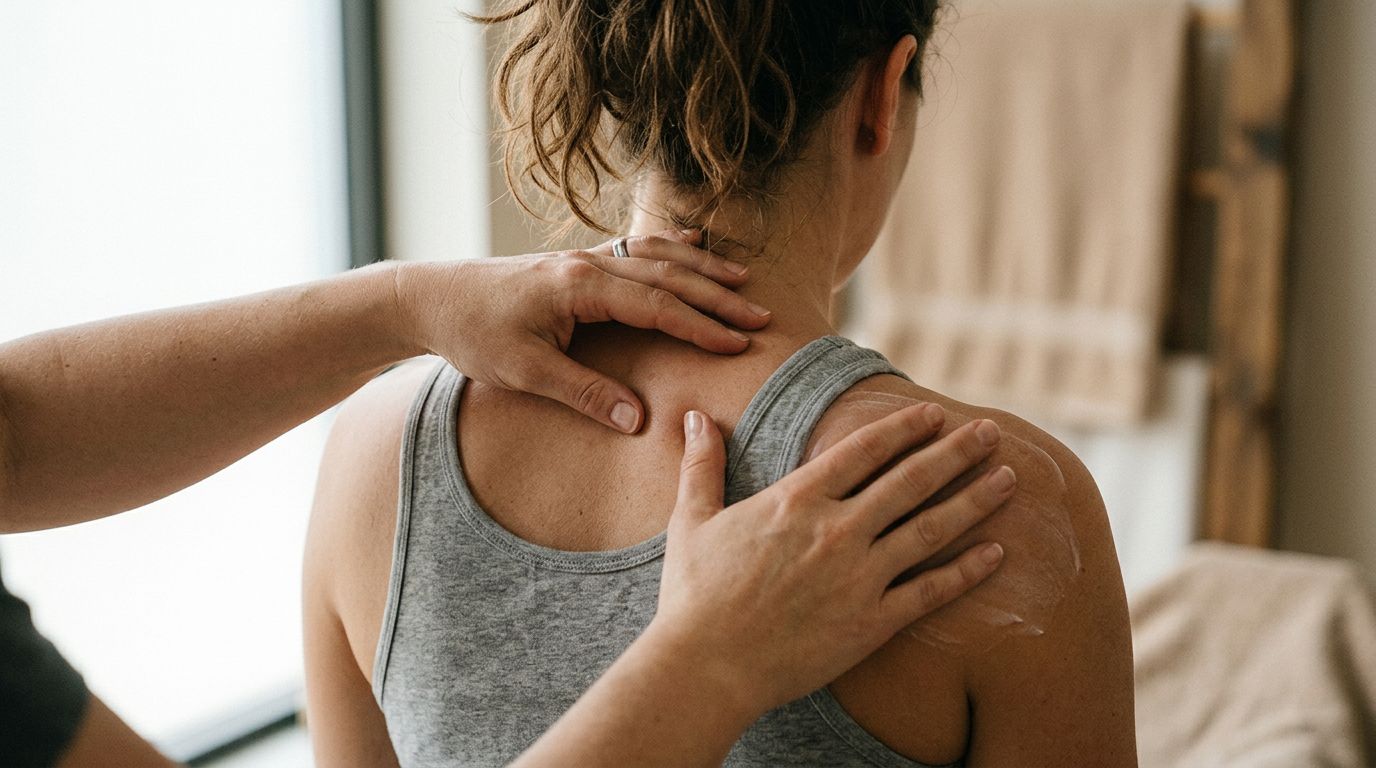
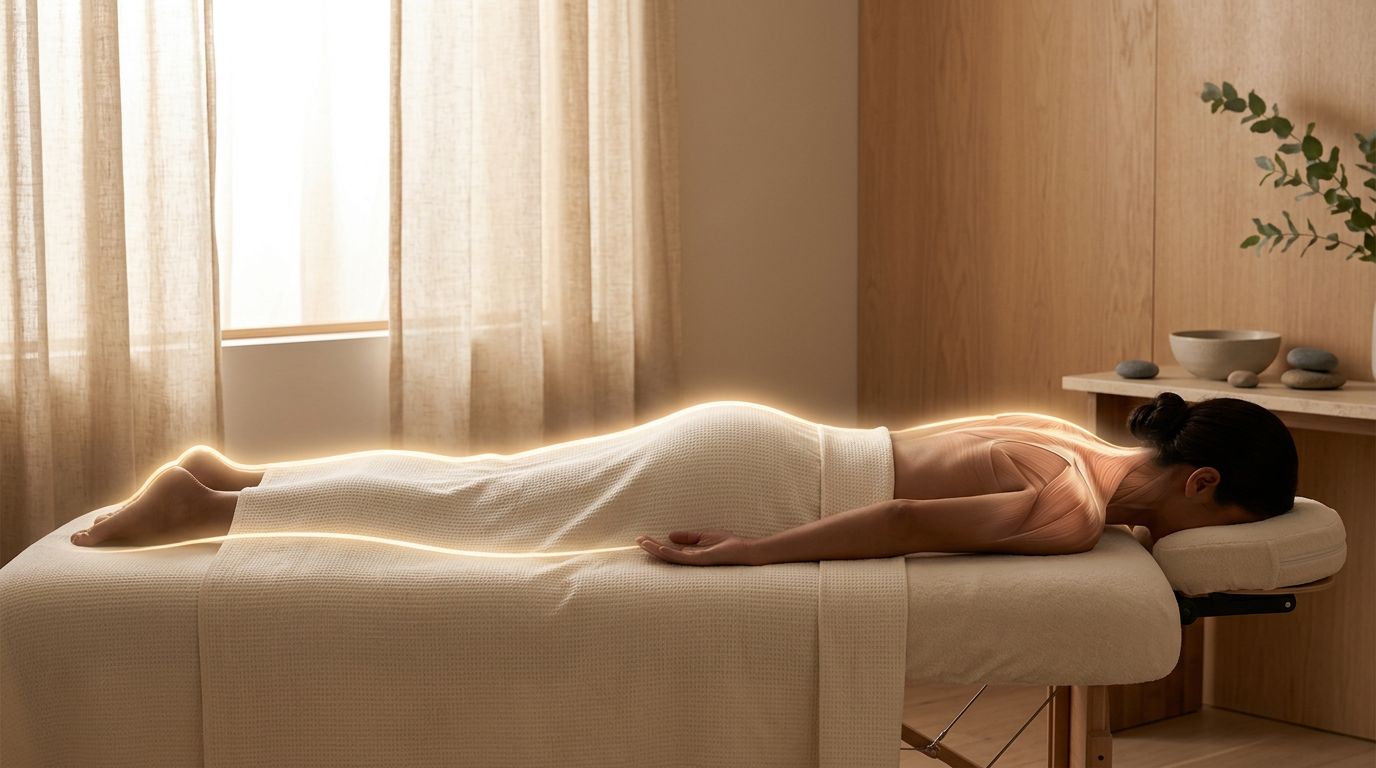
Hot stone massage blends classic massage strokes with smooth, heated stones (often basalt, because it holds warmth well). The stones may be placed on key areas, like along the spine or across the shoulders, and also used as a tool to glide and massage muscles.
Heat changes the way your body responds to touch. Warmth can help tissues feel more pliable, like warming taffy before you stretch it. When muscles soften, a therapist can work more slowly and precisely, without having to “dig” as much to reach the same tight bands. For people who brace during deep work, that can be a big deal.
There’s also the nervous system side of it. Warmth plus steady, safe pressure often signals “you’re okay” to the body. Breathing tends to slow down, the jaw unclenches, and those high, tense shoulders finally drop.
If you’re curious about the basics of the technique, this description of the recognized hot stone massage technique gives helpful context on how stones are used.
In practice, the best hot stone sessions feel customized. Your therapist should test the temperature, keep stones moving when needed, and check in often. If you’re exploring hot stone therapy sessions , look for language like “custom” and “based on how you feel that day,” because heat tolerance can change from one week to the next.
What it feels like during a hot stone massage (and what a session includes)
The first sensation is usually a wave of warmth that spreads outward from wherever the stones land. Most people describe it as comforting and heavy in a good way, like a warm compress that doesn’t slip off. As your muscles relax, you may notice your body feels “longer,” with less pull in the neck and low back.
A typical session starts with a short intake. You’ll talk about where you feel tension, any injuries, medications, and how you do with heat. Then you’ll get on the table under a sheet, fully draped the whole time. Most people undress to their comfort level, your therapist works with what feels safe for you.
Hot stone massage is often 60 or 90 minutes. Many sessions include:
- Warm stones placed on broad areas (back, shoulders, sometimes legs)
- Massage with oil or lotion, using hands and stones
- Focused work on common “knot zones,” like upper traps, low back, and hips
- Time at the end to rest for a moment before getting up
A few practical tips make the experience smoother:
Eat a light meal 1 to 2 hours before. Arriving overly hungry can make you feel shaky once you fully relax. Drink water before and after, but don’t chug right beforehand. You don’t want a full bladder on the table.
Speak up early about heat and pressure. It’s easier to adjust from “a little too warm” than from “ow, that’s hot.” If you enjoy warmth but don’t want full hot stone, some people choose hot stone massage upgrades added onto a more standard massage.
For a plain-language overview of what people commonly report from this style, see this overview of hot stone massage benefits.
Who hot stone massage is best for, and when to skip it
Hot stone massage tends to be a great match when you want muscle relief but your body doesn’t respond well to aggressive pressure. It’s often a favorite for:
- Desk-related neck and shoulder tension
- Stress-driven clenching (jaw, traps, upper back)
- Ongoing tightness that feels “stuck,” not fresh and sharp
- People who run cold and never fully relax during massage
- Anyone who wants deep relaxation along with muscle work
If you like warmth with a slightly different feel, a mineral-based option can be appealing, the Himalayan salt stone ritual is another popular way to pair heat with a grounding, spa-style experience.
When it’s smart to skip heat (contraindications and precautions)
Heat isn’t right for everyone. If any of these apply, ask your clinician first, and tell your massage therapist before you book:
- Pregnancy (precautions vary by trimester, and heat placement matters)
- Diabetes, neuropathy, or reduced sensation (you may not feel “too hot” in time)
- Poor circulation or peripheral vascular disease (PVD)
- Blood thinners or a bleeding disorder (bruising risk goes up)
- Recent surgery , recent injury, or acute inflammation
- Skin conditions , sunburn, rash, or open wounds
- Fever, illness, or active infection
- Heat sensitivity (including some medication side effects)
- Varicose veins in the area, or DVT risk (history of clots, unexplained swelling)
- Uncontrolled high blood pressure or lightheaded episodes with heat
- Cancer treatment considerations (chemo, radiation sites, lymphedema risk)
When in doubt, choose a no-heat massage first, then add warmth later if it feels appropriate.
Red flags during a session (and what to do)
A hot stone massage should never “power through” warning signs. Tell your therapist right away if you feel:
- Burning pain : Ask to remove the stones, cool the area, and lower the heat.
- Numbness or tingling : Stop heat on that region and switch to hands-only work.
- Dizziness or nausea : Ask to sit up slowly, take water, and end early if needed.
If symptoms don’t settle quickly after the session, or you notice one-sided swelling, chest pain, or shortness of breath, seek urgent medical care.
Best alternatives if you should skip hot stone massage
If heat isn’t a fit, you still have solid options. Swedish massage can calm the nervous system and ease surface tension. Deep tissue can target stubborn areas without heat (pressure should still feel safe, not sharp). Myofascial release uses slow, sustained contact that many people find effective for “stuck” tightness. Cold therapy (brief, targeted icing at home) can feel better than heat for fresh irritation or post-workout flare-ups.
Conclusion
Muscle tension doesn’t always need more force, sometimes it needs permission to soften. A hot stone massage can feel like warmth sinking in first, then your muscles finally letting go under steady, careful touch. The key is good communication and smart screening for heat risks. If you’re unsure about any health condition or medication, check with a clinician first, then book the option that matches your body today.
Recent Posts