Swedish massage vs relaxation massage, how to pick the right session for stress and sleep
When you’re stressed and sleep-deprived, booking a massage can feel like ordering off a menu in a language you don’t speak. You know you want to feel calm, heavy-eyed, and safe in your body again, but the options blur together.
The phrase Swedish massage vs relaxation comes up a lot because both can be soothing, but they don’t always feel the same. The right choice depends on what’s keeping you wired: muscle tension, a busy mind, or that tired-but-can’t-sleep feeling that won’t quit.
Swedish massage vs relaxation massage, in plain English

Photo by Antoni Shkraba Studio
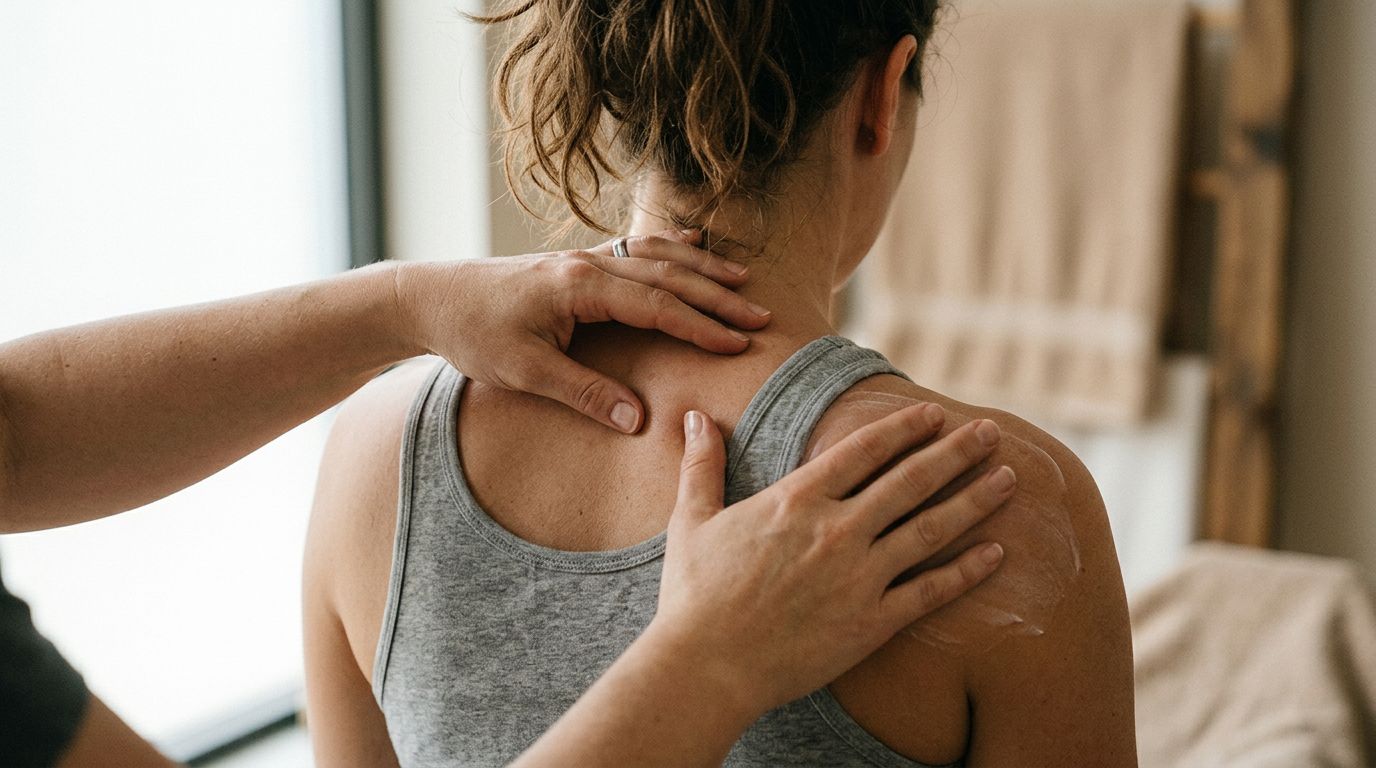
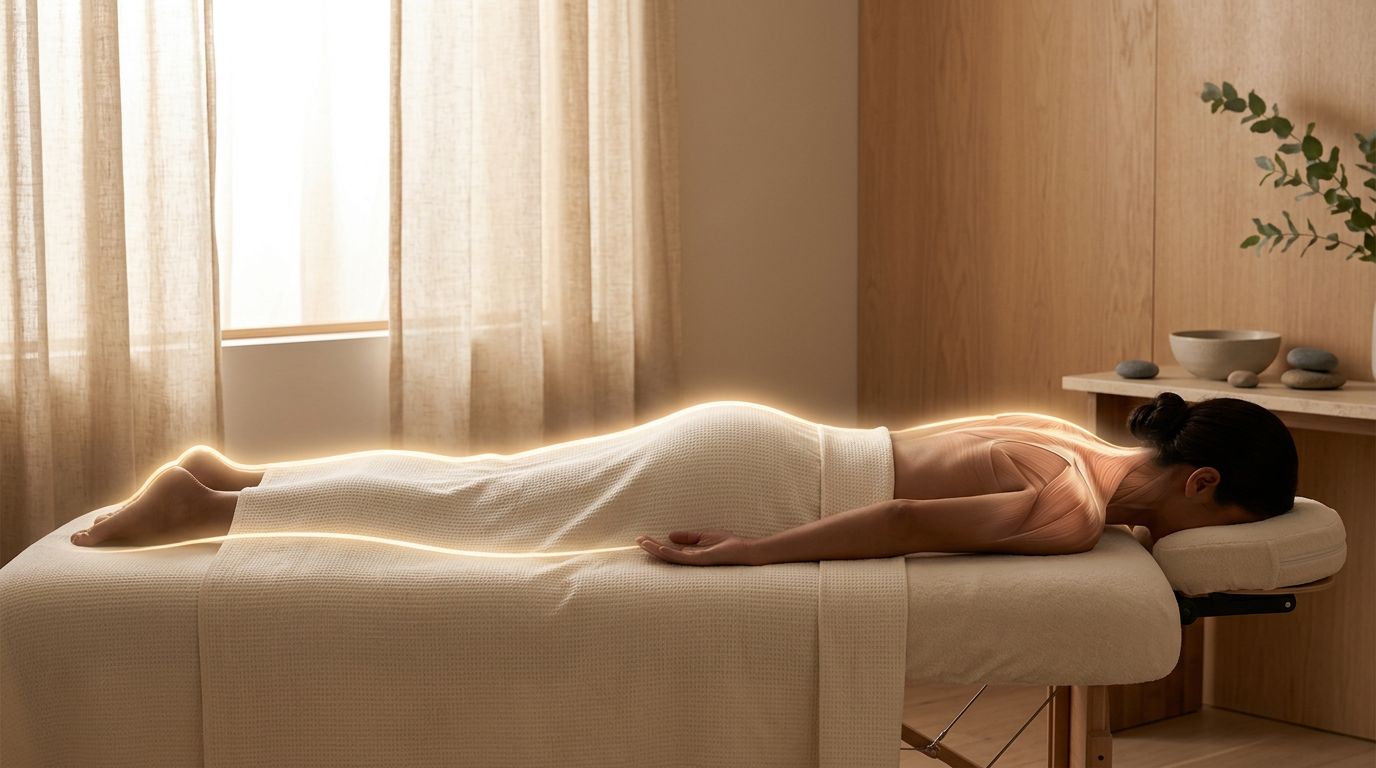
A helpful way to think about it: Swedish massage is like a full-body “reset” that can include some problem-solving. Relaxation massage is like putting your nervous system in a warm bath and letting it soften.
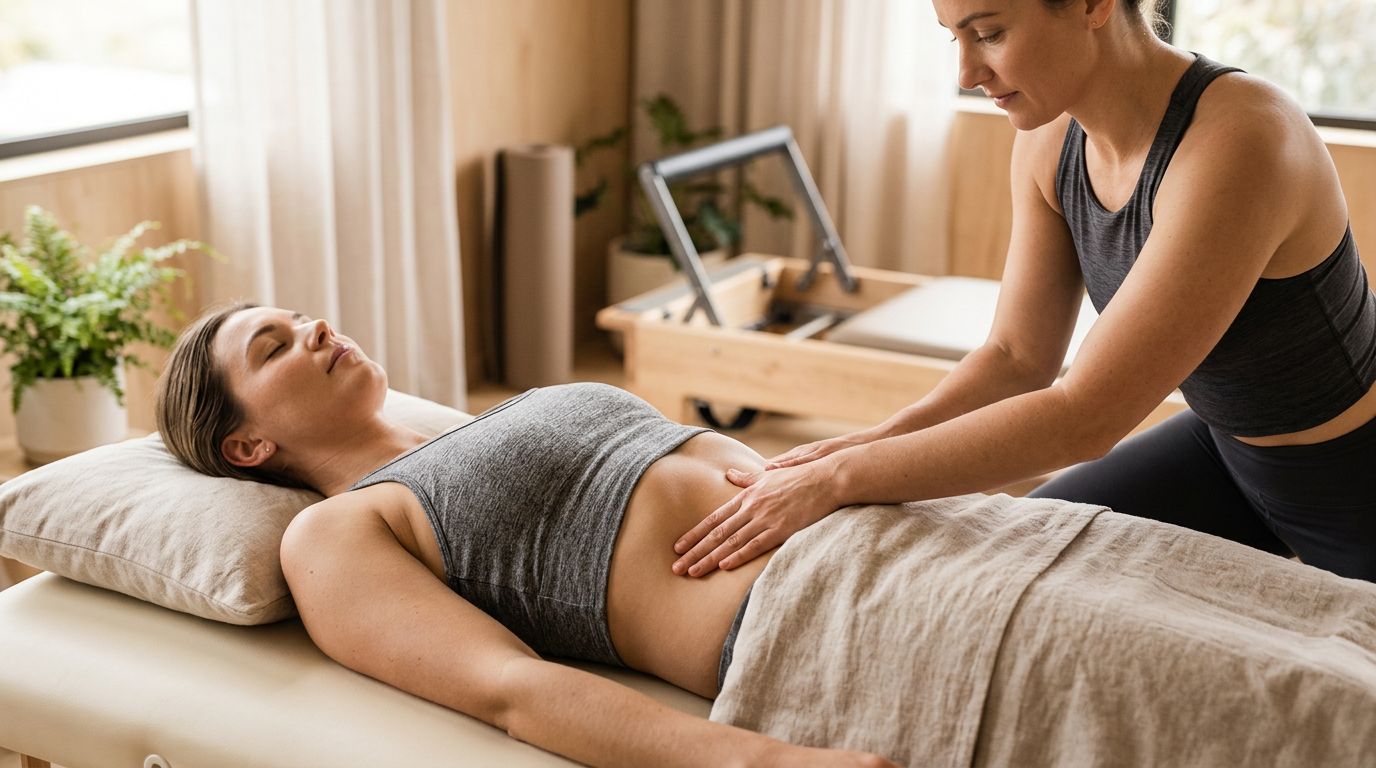
Swedish massage usually follows a classic set of techniques, long gliding strokes, kneading, gentle tapping, friction, and passive movement of joints. Pressure can be light to firm, and many therapists use Swedish work as the base for both relaxation and light tension relief. If you carry stress in your shoulders, jaw, low back, or hips, Swedish can be a good fit because it can be both calming and purposeful.
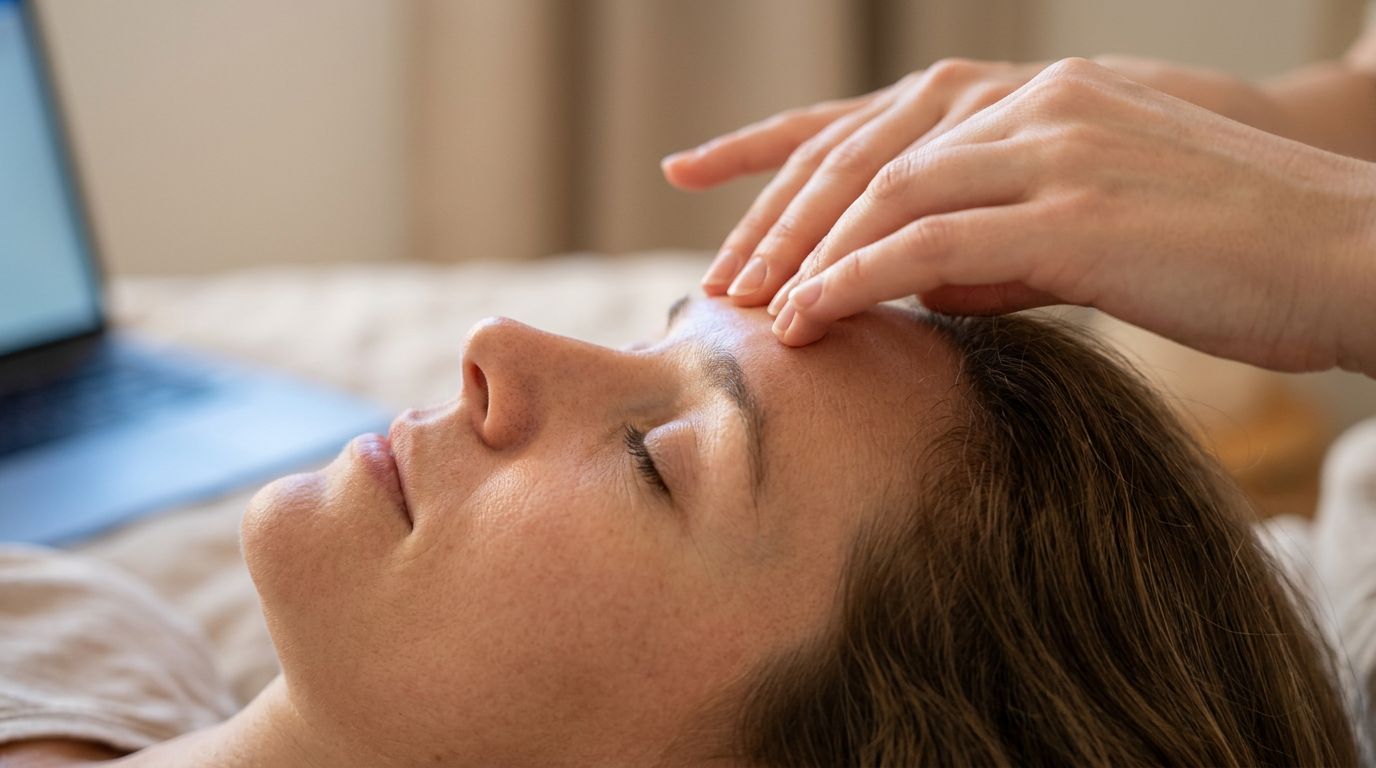
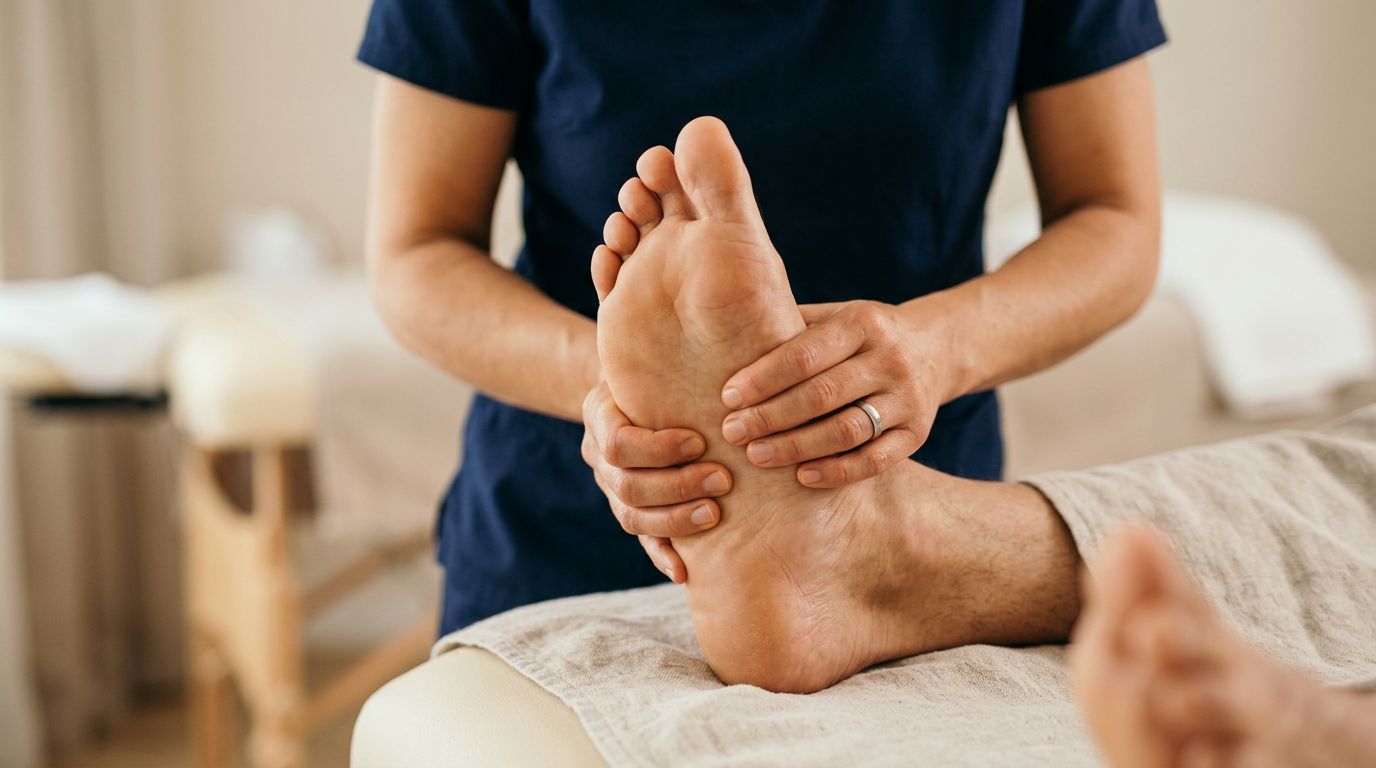
Relaxation massage (sometimes called a “stress relief” massage) is typically slower, lighter, and more rhythmic. The goal isn’t to chase tight spots. It’s to help you downshift. Many sessions keep the pressure consistent, avoid intense work, and spend longer on broad areas like the back, scalp, hands, and feet, because those can feel grounding when your mind is racing.
Neither option should feel like you’re “being worked on.” A good session feels like your body is being listened to. If you’ve ever braced for pressure, held your breath, or tried to tough it out, that’s the opposite of what helps stress and sleep.
A quick safety note: if you’re pregnant, have a new injury, blood clots, uncontrolled high blood pressure, or a medical condition where touch needs extra care, ask your provider first and tell your therapist before the session.
How each style can support stress relief and sleep (what you may notice)
Massage can help you feel calmer in the moment, and many people report better sleep the night of a session. Research on massage and sleep is promising in some groups, but results are mixed and personal. Your baseline stress level, caffeine, alcohol, hormones, and screen time can matter just as much as the massage style.
That said, the feel of the session often guides the outcome:
- With Swedish massage , some people notice their body feels looser and warmer afterward, like they can take a deeper breath without trying. If muscle tension is one of your stress triggers, that physical ease can make it simpler to fall asleep.
- With a relaxation massage , the benefit is often mental quiet. The slow pace can cue your system that it’s safe to rest. People who feel “on” all day sometimes prefer this because it doesn’t stir up soreness or activate that inner evaluator.
Here’s a simple comparison to make it concrete:
| Feature | Swedish Massage | Relaxation Massage |
|---|---|---|
| Main focus | Circulation, muscle tension, overall balance | Calming the nervous system, comfort, rest |
| Typical pace | Moderate, can vary by area | Slow and steady |
| Pressure range | Light to firm (your choice) | Usually light to medium |
| Best if you want | Looser muscles plus relaxation | Deep calm, minimal intensity |
| Next-day feel | Often refreshed, sometimes mildly tender | Usually floaty, rarely sore |
| Sleep goal | Ease physical tension that keeps you up | Help your mind and body “power down” |
If you’re dealing with ongoing insomnia, nightmares, or anxiety that feels unmanageable, massage can be a supportive tool, but it shouldn’t replace care from a licensed health professional.
How to choose the right session and stay comfortable the whole time
Choosing well starts with one honest question: what’s loudest right now, your muscles or your mind?
If your neck and shoulders feel like a clenched fist, Swedish massage may feel more satisfying. If your thoughts won’t slow down, relaxation massage often works better because it avoids sharp pressure changes that can keep your system alert.
Session length matters too. A 60-minute massage can be great, but it may feel rushed if you want full-body work plus extra time on problem areas. If stress is high and sleep is the goal, 90 minutes can feel like finally exhaling, because there’s time for your body to settle.
Pick this if…
- Pick Swedish massage if… you want relaxation plus help with tight areas, you like medium pressure, or you feel stiff from travel, workouts, or desk time.
- Pick relaxation massage if… you feel overstimulated, you’re sensitive to pressure, you don’t want soreness, or you mainly want to quiet your mind and drift.
- Ask for a blended session if… you want slow, soothing work overall, with a few minutes of focused attention on shoulders, hips, or low back.
A copy/paste booking script (adjust it to your needs)
Hi! I’m booking a massage mainly for stress and better sleep. I’d like a calming session with (light/medium) pressure, slower pace, and extra time on (neck/shoulders/scalp/hands/feet). Please avoid deep, intense work and check in with me about pressure. If you can, keep the room quiet and the scent light.
How to communicate pressure and boundaries without feeling awkward
Your therapist wants feedback, and you don’t need fancy words. Simple is best.
Try phrases like:
- “That’s a bit much, can you go 20 percent lighter?”
- “The pressure is good, but slower would help me relax.”
- “Please avoid my (low back/knees/abdomen) today.”
- “I’m cold, can we adjust the blanket?”
- “I’d rather not chat, I’m going to rest.”
A good rule: if you notice your breath getting shallow or your toes curling, it’s too intense for a sleep-focused session. Comfort is not “being picky.” It’s the point.
Sleep-friendly aftercare for the night of your massage
Plan like you’re protecting a tiny flame from the wind. Keep the rest of the evening simple.
- Drink water, and eat a light, protein-forward snack if you’re hungry.
- Skip a hard workout and choose an easy walk or gentle stretching.
- Take a warm shower, keep the lights low afterward.
- Avoid heavy alcohol, it can make sleep feel broken.
- If you can, stop screens 30 to 60 minutes before bed, or dim them and lower the sound.
- Go to bed a little earlier than usual, even 20 minutes helps.
If you feel unexpectedly sore, that’s a sign to request lighter pressure next time, especially if sleep is your top priority.
Conclusion
If you’re deciding between Swedish massage and relaxation massage, match the session to what’s keeping you up. Swedish can be great when tension is the problem, while relaxation massage shines when your system needs quiet and steadiness. The most important factor is how safe and comfortable you feel, because rest starts there. What would help you tonight, looser muscles, a calmer mind, or both?
Recent Posts