
Frozen Shoulder Massage: What It Feels Like And When To Skip
A frozen shoulder can make your arm feel like it's stuck in wet cement. You try to reach for a seatbelt or pull on a shirt, and the shoulder answers with a sharp "nope." If you're considering frozen shoulder massage , the big questions are simple: what will it feel like, and could it make things worse?
Massage can be a smart part of relief, but it depends on timing, pressure, and your symptoms that day. Below, you'll learn what's normal to feel during and after a session, what results are realistic, and the clear situations where it's better to pause and get medical advice.
Why frozen shoulder pain acts "different" than regular tight shoulders
Frozen shoulder (often called adhesive capsulitis) involves stiffness and pain from changes in the shoulder capsule and surrounding tissues. Unlike a basic knot in the upper traps, the problem often includes joint stiffness and a cranky nervous system that guards the area.
Many people notice two things at once:
- A deep ache that can spread into the upper arm
- A hard stop in range of motion , especially reaching behind your back or overhead
Frozen shoulder often moves through stages. In the early "freezing" stage, pain tends to run higher, and motion decreases week by week. Later, stiffness becomes the main issue, while pain can calm down. Eventually, motion slowly returns.
Massage fits differently in each stage. In other words, the goal usually isn't to "break up adhesions" with force. That approach can backfire. Instead, skilled bodywork aims to calm pain, reduce protective muscle guarding, and help you move a little easier without flaring things up. For a general explanation of massage therapy's role, see this overview on massage therapy for frozen shoulder.
If you want professional care that can be adjusted session by session, start with a therapist who offers customized pain relief massage sessions and understands that frozen shoulder changes week to week.
What a frozen shoulder massage typically feels like (and what it shouldn't)
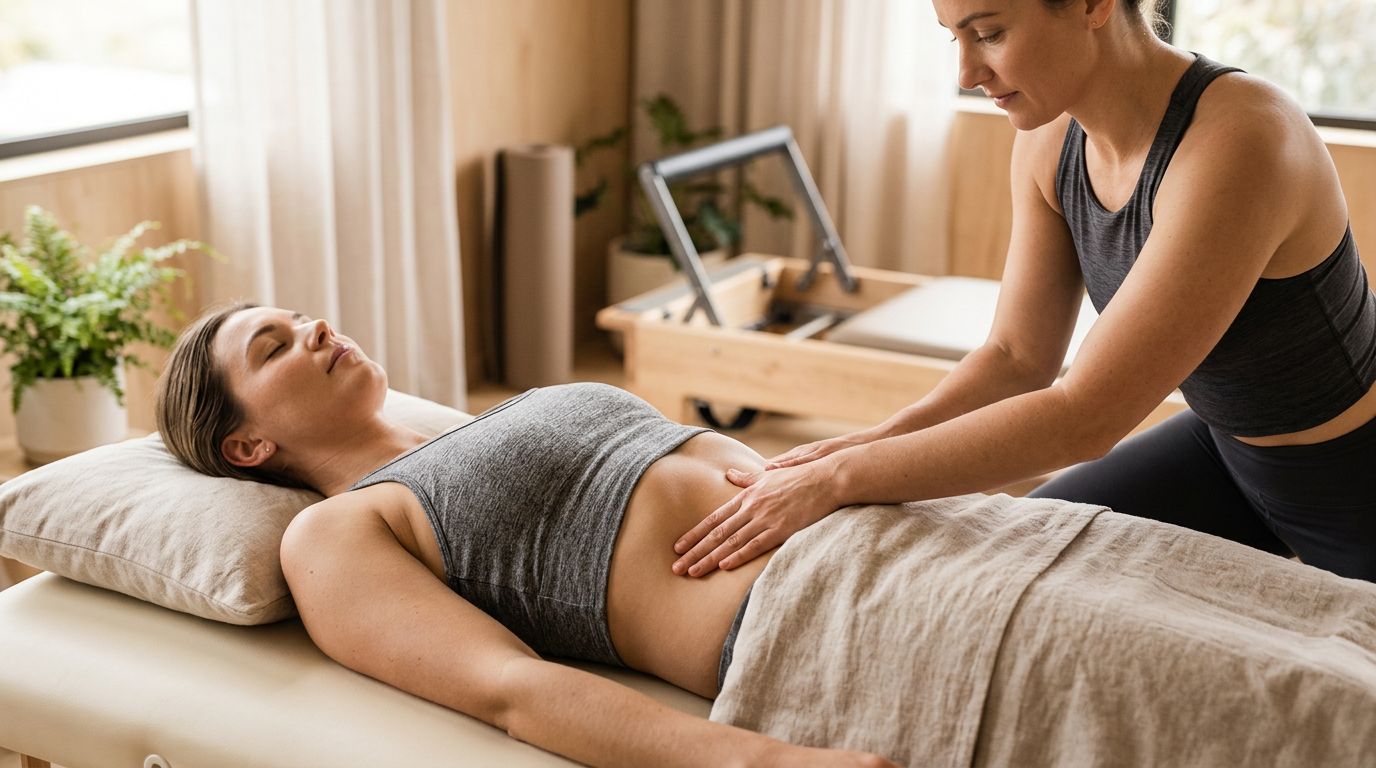
A good frozen shoulder massage rarely feels like a brutal deep-tissue session. Most people do best with "firm but respectful" pressure, especially near the front of the shoulder, upper arm, and chest.
Common sensations that can be normal:
- A dull, spreading tenderness in the pecs, deltoid, biceps, and upper back
- A pulling feeling when soft tissue work helps the shoulder blade move better
- Brief "zingy" discomfort when a sensitive spot releases, then softens
Sometimes the shoulder feels oddly protective, like it's bracing before you even move. That's common. Your nervous system learns to guard because certain angles hurt.
What it should not feel like is sharp, hot, escalating pain that makes you hold your breath or clench your jaw. That kind of pain often increases guarding and can leave you more stuck the next day.
A helpful rule: pressure should feel "productive," not punishing. If you can't relax into it, it's usually too much for frozen shoulder.
After the session, expect one of two outcomes: you feel looser right away, or you feel the same at first and better later that evening. Mild soreness for 24 hours can happen. A flare that ramps up for days is a sign to adjust the plan.
If you're curious how other clinics describe the experience and pacing, this article on how massage can support frozen shoulder recovery offers a similar "gentle progress" approach.
When massage helps most, and how to ask for the right kind of work
Massage tends to help most when the goal matches your stage and pain level. Think of frozen shoulder like a jammed door hinge. Forcing the door can strip the screws. Warming the area, reducing tension around it, and nudging it often works better.
In the more painful stage, massage usually focuses on comfort and calming the system. The therapist may work the neck, upper back, chest, and shoulder blade muscles to reduce overall load on the joint. Later, when pain is lower, massage can support mobility work by improving tissue glide and making stretching feel less threatening.
A few requests that often lead to better sessions:
Ask for slower pressure and check-ins
. Frozen shoulder responds well to gradual work.
Request chest and upper arm attention
, not just the back of the shoulder. Tight pecs can pull the shoulder forward and make motion feel blocked.
Include scapular (shoulder blade) work
. Better shoulder blade movement often makes reaching feel smoother.
Well-chosen add-ons can also make a difference because they reduce guarding before deeper work begins. Options like heat and stretching are popular for shoulders that feel "stuck." If your therapist offers upgrades, consider active stretching for shoulder mobility or gentle heat, then keep the pressure moderate.
The best sessions feel like a steady thaw, not a wrestling match.
When to skip frozen shoulder massage (and what to do instead)
Sometimes the smartest choice is to pause massage and get checked out. Frozen shoulder pain can overlap with other problems, and some red flags need medical attention first.
Here's a quick guide.
| Situation | Safer next step |
|---|---|
| Fever, sudden redness, warmth, or swelling in the shoulder or arm | Contact urgent care or your doctor |
| Recent fall or injury, pain with any movement, or suspected fracture | Get evaluated before bodywork |
| Numbness, tingling, new weakness in the arm or hand | Ask a clinician or physical therapist to assess nerves |
| Unexplained severe night pain or pain that's rapidly worsening | Get medical guidance to rule out other causes |
| Post-surgery shoulder restrictions | Follow the surgeon's timeline, ask before massage |
Also skip massage if your pain spikes with even light touch, or if you can't sleep after sessions. That's your body saying the dose is too high right now.
If you've been told you have frozen shoulder, a combo plan often works best: gentle massage for comfort, plus guided mobility or physical therapy for function. This overview on massage therapy for frozen shoulder explains why pairing approaches often helps.
Conclusion: Relief comes from the right pressure at the right time
Frozen shoulder can be stubborn, but it isn't hopeless. The most useful frozen shoulder massage feels steady and safe, with pressure you can breathe through. It should lower guarding, not trigger a flare.
If your symptoms include red flags, skip massage and get assessed first. Otherwise, choose a therapist who can adjust the session to your stage, then build progress slowly. Your shoulder doesn't need to be forced, it needs to be convinced.
Recent Posts