Quadriceps Tendon Massage for Pain Above the Kneecap
Pain above the kneecap can make stairs, squats, and even getting up from a chair feel annoying fast. Often, the trouble sits in the quadriceps tendon, the strong band that connects your thigh muscles to the top of the kneecap.
That area can get sore after overuse, tight training, long sitting, or a sudden jump in activity. In the right situation, quadriceps tendon massage can ease tension and help the front of the knee move with less effort, but the pressure needs to be smart, not aggressive.
A sore tendon is not the same as a knot in a shoulder. It needs calm, careful work, and sometimes it needs rest first.
Why pain above the kneecap starts in the thigh
The quadriceps tendon works every time you climb, brake, land, or stand from a deep seat. Because of that, it gets stressed more than people realize. When the thigh muscles stay tight, they can pull harder on the tendon and make the area feel tender.
Common triggers include hard workouts, repeated kneeling, lots of stairs, and sitting for long stretches. A sudden return to exercise after time off can also light up the front of the knee. In many cases, the pain feels focused just above the kneecap, but it can also spread into the lower thigh.
Sometimes the issue is simple irritation. Other times, it's tendon overload that has been building for weeks. That difference matters, because a mildly cranky tendon often responds well to gentle bodywork, while a more serious injury needs medical care.
If the pain began after a fall, a jump, or a sharp twisting move, pay attention to what came next. Swelling, weakness, or a popping sound changes the picture.
How quadriceps tendon massage can help
Massage works best when it reduces the pull on the tendon instead of attacking the sore point. The quads, hip flexors, and outer thigh often hold the tension that keeps the knee irritated. When those tissues soften, the front of the knee can feel less jammed.
A session focused on the muscles around the knee may also improve how you move afterward. You may bend, walk, and climb with less guarding. That doesn't mean the tendon is healed in one visit, but it can make daily movement easier.
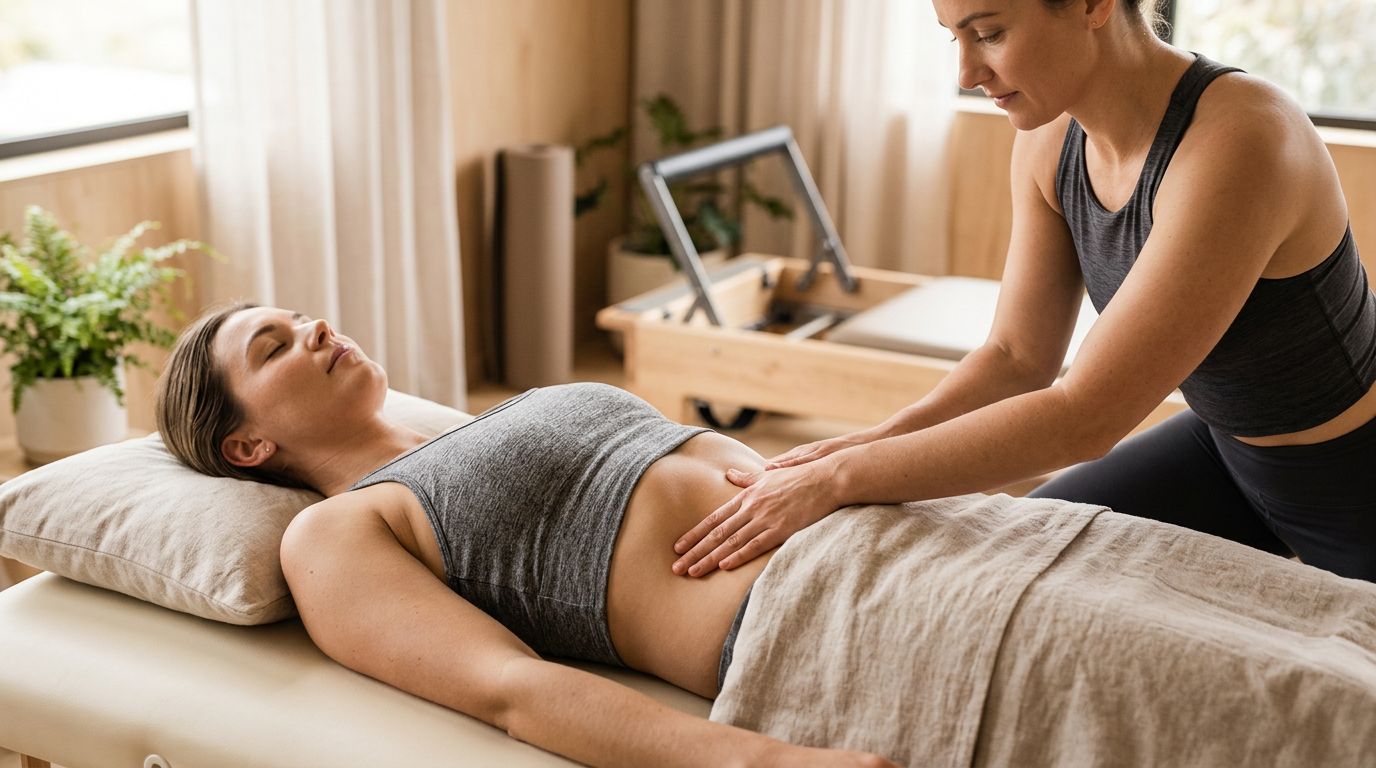
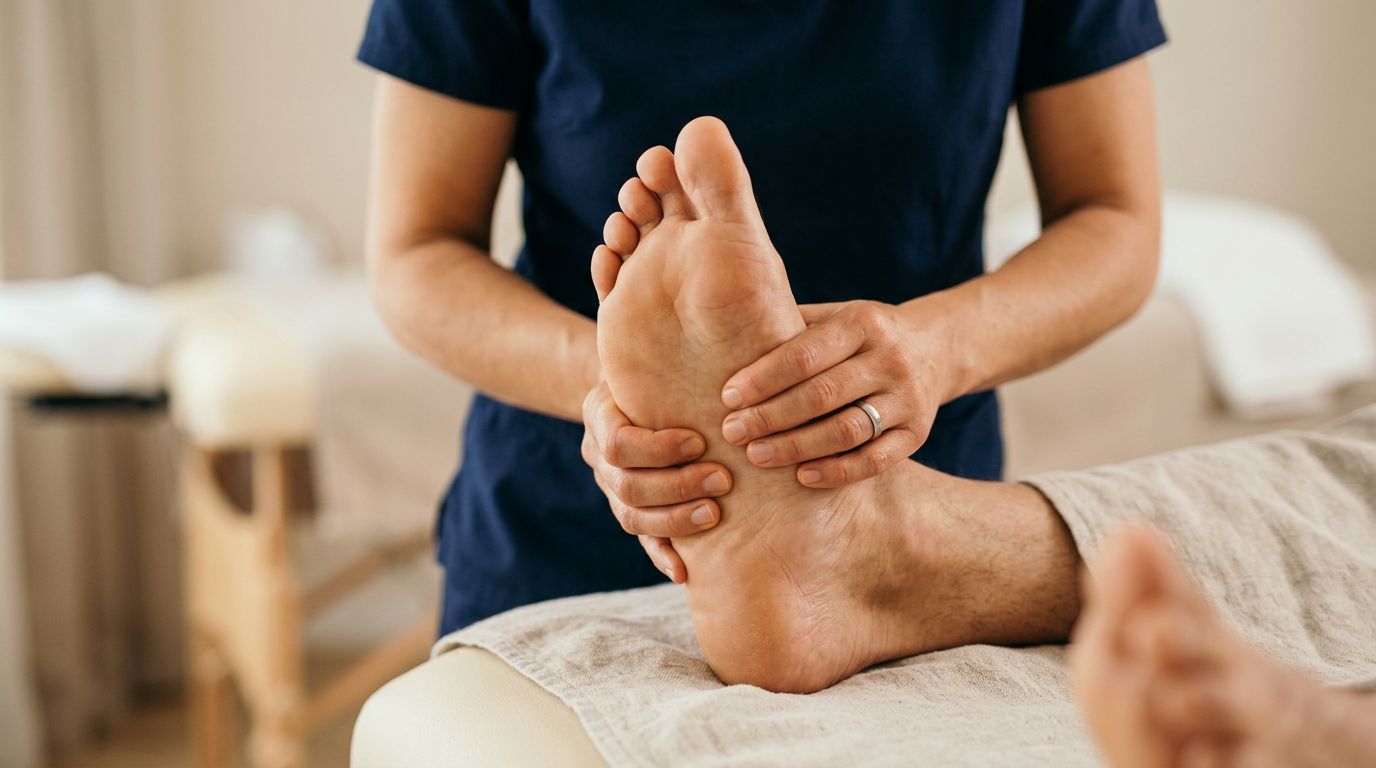
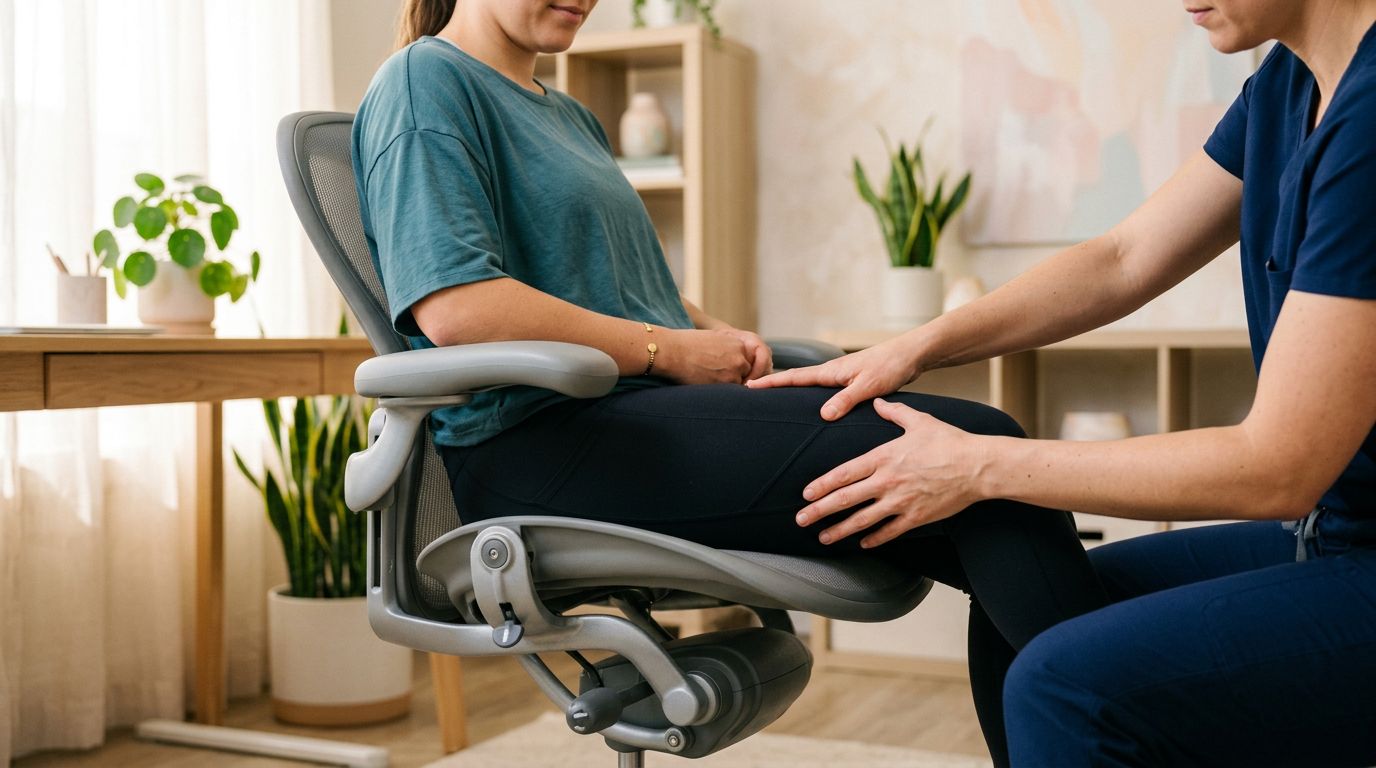
If you want hands-on help, professional massage therapy in Englewood can focus on the thigh and surrounding soft tissue without forcing pressure into a sensitive spot.
If the area feels hot, swollen, or sharply painful to touch, back off. A tendon that's irritated needs calm pressure, not force.
The best work usually starts higher up in the thigh. From there, pressure can move closer to the knee only if the tissue stays relaxed and the pain stays mild.
What a safe session usually looks like
A good session should feel controlled and responsive. It should not feel like someone is trying to grind through pain. The goal is to settle the tissue, then check how the knee reacts.
- Start with light to moderate pressure over the front of the thigh.
- Work the muscle belly before touching the tender area above the kneecap.
- Keep pressure steady and slow, then ease off if pain climbs.
- Finish with gentle movement, such as easy knee bends or a short walk.
This kind of approach keeps the work useful. It also helps you tell the difference between normal tenderness and a bad reaction.
You might notice the thigh feels looser right away. That's a good sign. Still, the knee should not feel more unstable, more swollen, or more painful later in the day.
What feels normal after massage, and what doesn't
Mild soreness after a session is common, especially if the quad muscles were tight. The area may feel warm, loose, or a little tender for a day. That usually settles on its own.
What you want to avoid is sharp pain, new swelling, or a limp that shows up after treatment. Those signs mean the tissue was pushed too hard, or the problem goes beyond simple tightness.
Pay attention to your next few hours, not only the moment the massage ends. If walking feels easier and the knee calms down, the session likely helped. If the pain spikes with regular movement, the body is asking for a gentler plan.
A simple test helps here: climb a few steps, sit down, then stand back up. If that feels smoother than before, you're on the right track. If it feels worse, stop chasing the area and scale back.
When massage is the wrong move
Some knee pain should not be treated like a routine tight muscle. Sudden swelling, bruising, a pop at the time of injury, or a knee that gives way needs a proper check. So does pain that stops you from straightening the leg.
Watch for these signs:
- A pop or snap at the moment the pain started
- Visible swelling around the knee
- Bruising above or around the kneecap
- Trouble bearing weight
- A knee that locks, buckles, or feels unstable
If any of those show up, skip self-massage and get evaluated by a medical professional or physical therapist. Massage can fit into recovery later, but it should not be the first move after a clear injury.
Simple habits that support recovery
Massage works better when you stop poking the same sore tissue all day. A few small changes can make a real difference. Reduce hard stair sessions for a bit, warm up before exercise, and keep squats or lunges within a range that doesn't spike pain.
Short walks often help more than total rest. Gentle movement keeps the front of the knee from stiffening up. Meanwhile, slow strength work, when it's ready for you, helps the tendon handle load again.
If you sit a lot, stand up now and then. Let the knee bend and straighten without forcing it. Small movement breaks are boring, but they help.
Conclusion
Pain above the kneecap can feel stubborn, but it often responds to the right kind of care. Quadriceps tendon massage can ease the pull from tight thigh muscles and make the knee feel less guarded.
The key is simple, gentle pressure, good timing, and a clear eye on warning signs. If the pain is sharp, swollen, or linked to an injury, get it checked before anyone works on it. When the tissue is simply overworked, careful massage and steady load management can go a long way.
Recent Posts