Levator Scapulae Massage For One-Sided Neck Pain What To Expect
One-sided neck pain has a way of taking over the day. You turn your head to back out of the driveway, glance at your phone, or look down at your laptop, and one sharp, stubborn spot lights up. In many cases, a levator scapulae massage is meant to calm the muscle that links the side of the neck to the top of the shoulder blade.
That small muscle works hard all day. It helps lift the shoulder blade and supports neck movement. So when it tightens up, pain can travel from the upper shoulder into the neck and even toward the head. Knowing what a massage session may feel like can make the whole process less stressful and a lot more useful.
Why the levator scapulae often hurts on one side
The levator scapulae can get overloaded in quiet, boring ways. Hours at a desk, sleeping with the neck twisted, carrying a bag on one shoulder, or holding tension while driving can all irritate it. Stress also plays a part, because many people unconsciously hike one shoulder up when they're tense.
Pain from this muscle often feels deep and nagging. You may notice it near the top inner corner of the shoulder blade, then up the side or back of the neck. Looking over one shoulder can feel restricted. Tilting the head down may also pull on the sore side.
That said, not every case of one-sided neck pain comes from this muscle alone. Nearby muscles, such as the upper traps, scalenes, and rhomboids, often join in. That's why a therapist usually looks at the whole pattern, not just one tender point.
A good session starts with simple questions. When did the pain start? What movements make it worse? Do you also get headaches, jaw tension, or shoulder stiffness? Those details help shape the work.
If pain shoots down the arm, comes with numbness, or started after a fall or accident, massage may not be the first step. In that case, medical care makes more sense.
What happens during a levator scapulae massage session
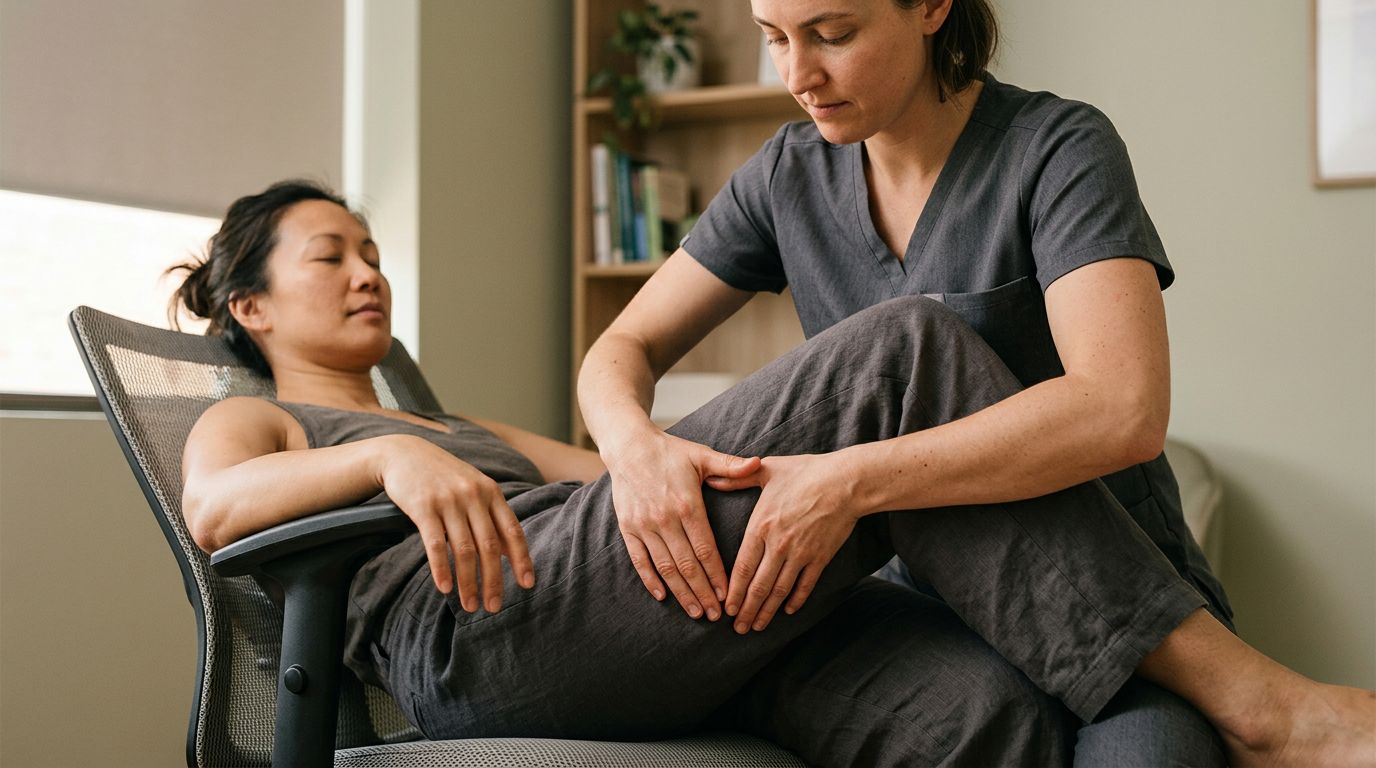
Most sessions begin with a quick check-in and movement test. The therapist may ask you to turn your head, shrug your shoulders, or tilt the neck. This helps confirm where the restriction shows up and how strong it feels that day.
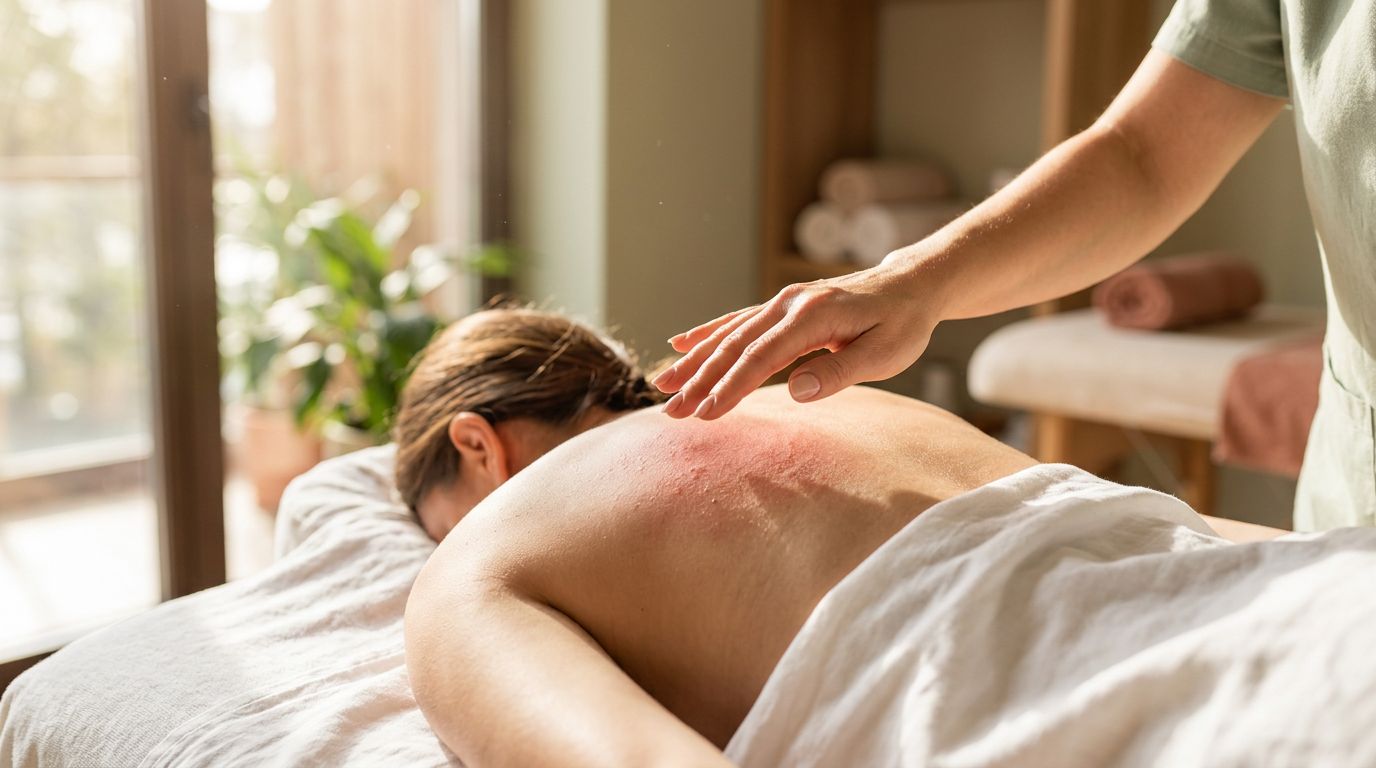
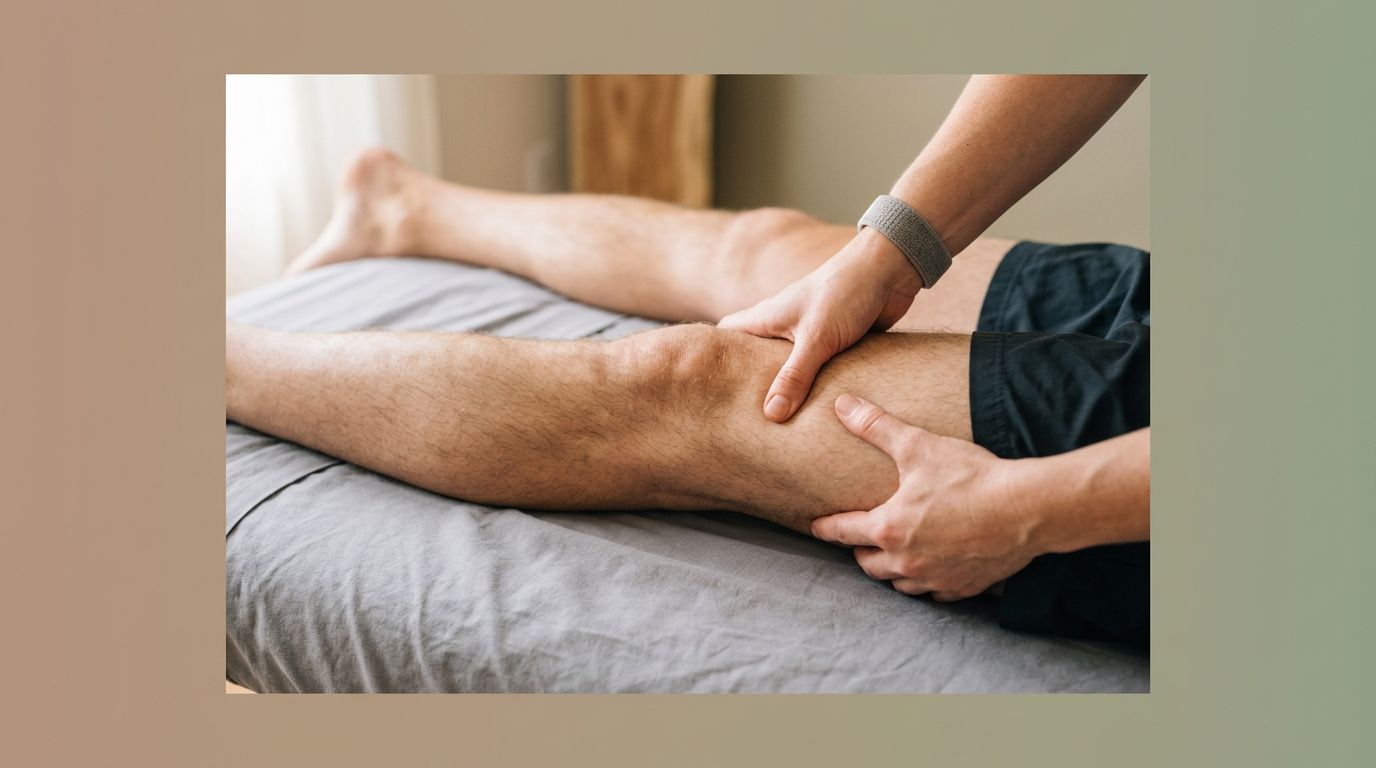
Then the hands-on work begins. You might lie face down, face up, or switch positions during the session. For one-sided neck pain, therapists often work around the neck, upper shoulder, and shoulder blade. If you're booking neck and shoulder massage therapy , this focused style is often part of the plan.
At first, the pressure may feel broad and calming. That helps the body relax so the tight area doesn't fight back. After that, the work may become more focused. A therapist might use slow strokes, compression, trigger point pressure, or gentle stretching while supporting the neck.
The sore spot can feel tender, but it shouldn't feel like punishment. A "that hurts but in a helpful way" feeling is common. Sharp, electric, or breath-stealing pain is not the goal.
Pressure should feel productive , not punishing.
During the session, you may notice pain in the exact spot you've been chasing. You may also feel referral pain, where pressure near the shoulder blade sends sensation up the neck. That's normal for this area. Some people even notice that turning the head gets easier halfway through the treatment.
Communication matters here. If the pressure feels too deep, say so. If you want more focus on one side, mention it. Massage works best when the therapist can adjust in real time instead of guessing.
Why therapists often treat more than the neck
It may seem strange when a therapist spends time on the upper back, chest, or even the scalp when your pain is on one side of the neck. Still, that wider approach often helps the most. Tight muscles pull on each other like knots in a sweater. If you only work on one thread, the whole pattern stays tense.
For example, rounded shoulders can keep the levator scapulae under load. A stiff upper trap can make the neck feel braced. Shallow breathing can tighten the chest and pull posture forward. So a smart session may include the traps, rhomboids, and front of the shoulder, along with the sore area itself.
Heat can help too. Some clients like a hot towel neck and shoulder wrap before deeper work starts. Others benefit from active stretching for levator scapulae , especially when the neck feels stuck but not inflamed. These add-ons can make focused work more comfortable.
This wider treatment doesn't mean the therapist missed the problem. It usually means they found the pattern behind it. That's often the difference between brief relief and relief that lasts longer than a day.
What to expect after the massage
Some people feel better right away. The head turns more easily, the shoulder drops, and the area feels warm instead of guarded. Others notice a deep ache for a day, then more comfort the next morning. Both responses are common.
A little mild soreness after a focused neck session can happen, especially if the area was very tight. That soreness should fade within 24 to 48 hours. What you do after the massage matters too.
A few simple steps can help the relief last:
- Move gently : Turn your head, roll the shoulders, and take short walks to keep the area from tightening again.
- Use heat if it feels good : A warm shower or heating pad can calm post-massage soreness.
- Skip aggressive stretching : Pulling too hard on a fresh, tender muscle can stir it up again.
- Notice your habits : Check your pillow, desk setup, and how often you hunch over a phone.
If the pain has been building for months, one session may help, but it may not solve everything. Chronic tension often needs a few treatments, plus better daily habits, to really settle down.
A small muscle can create a surprisingly loud problem. The good news is that a well-planned levator scapulae massage can reduce guarding, ease one-sided neck pain, and help you move with less effort. If your neck keeps complaining every time you turn your head, a focused session may be the reset your body has been asking for.
Recent Posts