
Long walks should leave you feeling loose, not pinched on the inside of your thigh. When that inner thigh tightness shows up, it can make every step feel shorter, tighter, and more guarded. The gracilis is a small muscle, but it works hard during walking, especially when your...
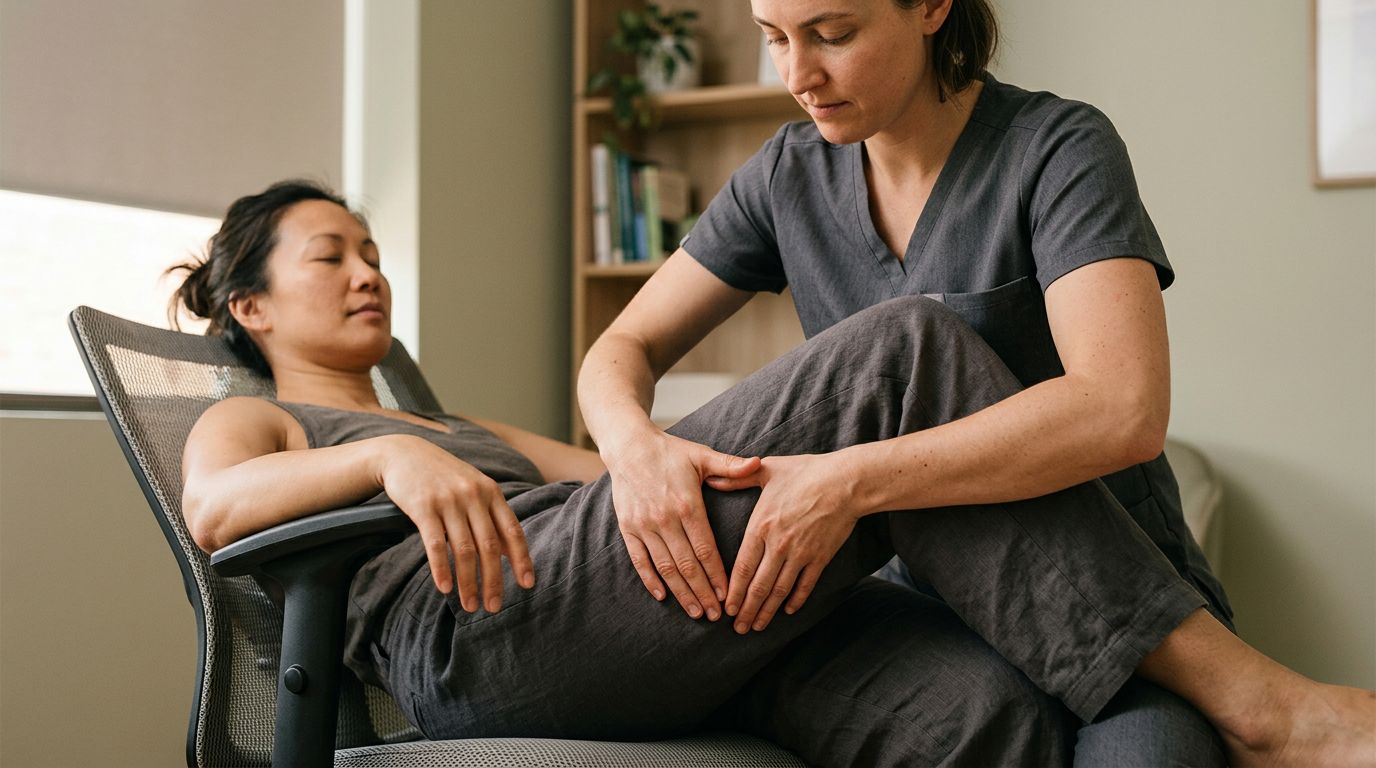
Sitting for hours can leave the front of your hip feeling short, pinched, or stubbornly tight. When that discomfort sits high in the groin, the pectineus muscle is often part of the picture. That small muscle can get grumpy after long desk days, car rides, or lazy weekends on...
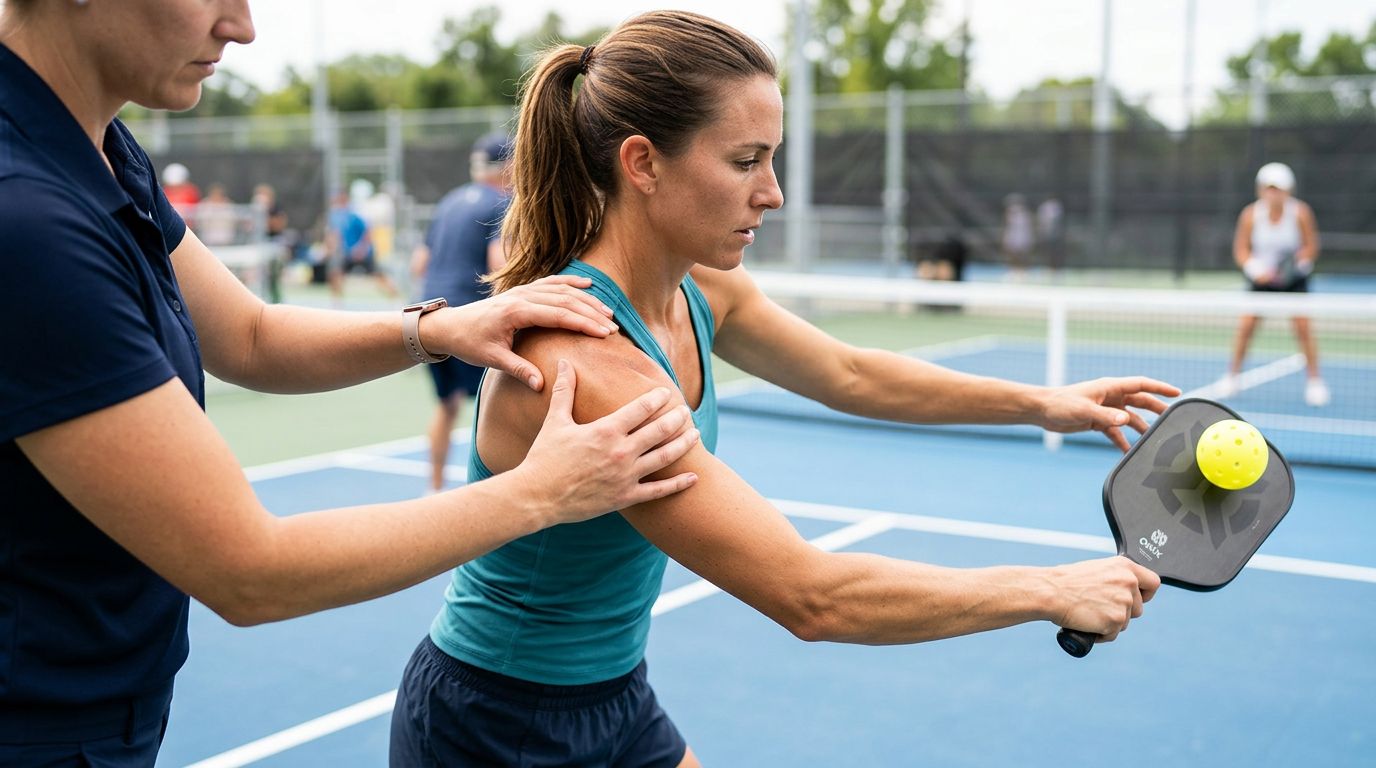
Pickleball shoulder pain can show up after a few matches, then hang around long after you leave the court. The same goes for tight forearms, especially when your grip never seems to relax and your shoulder keeps bracing for the next shot. Sports massage can help ease that over...
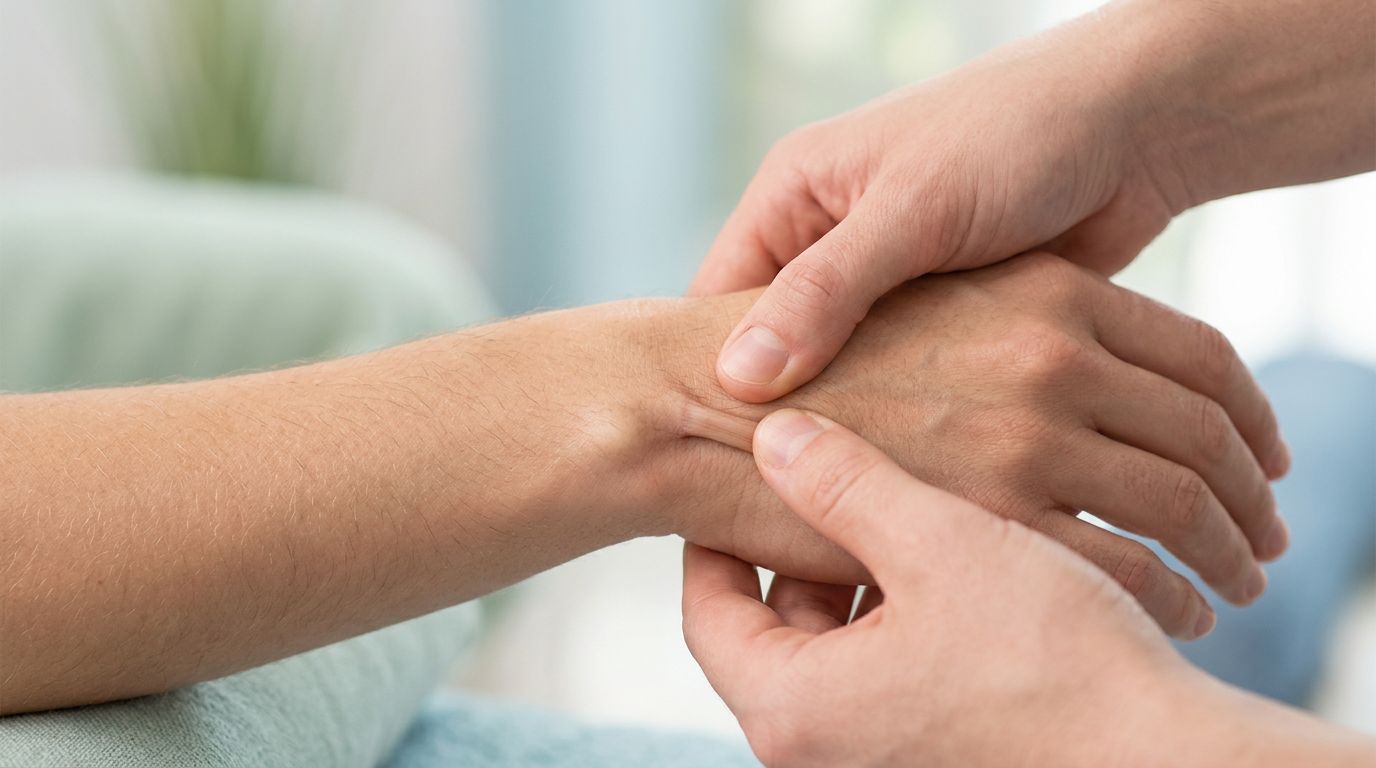
Pain on the pinky side of your wrist can make small tasks feel annoying fast. Opening a jar, lifting a bag, or pushing up from a chair can all bring on that same sharp tug. One small forearm muscle, the extensor carpi ulnaris, often plays a bigger role than people expect. When...
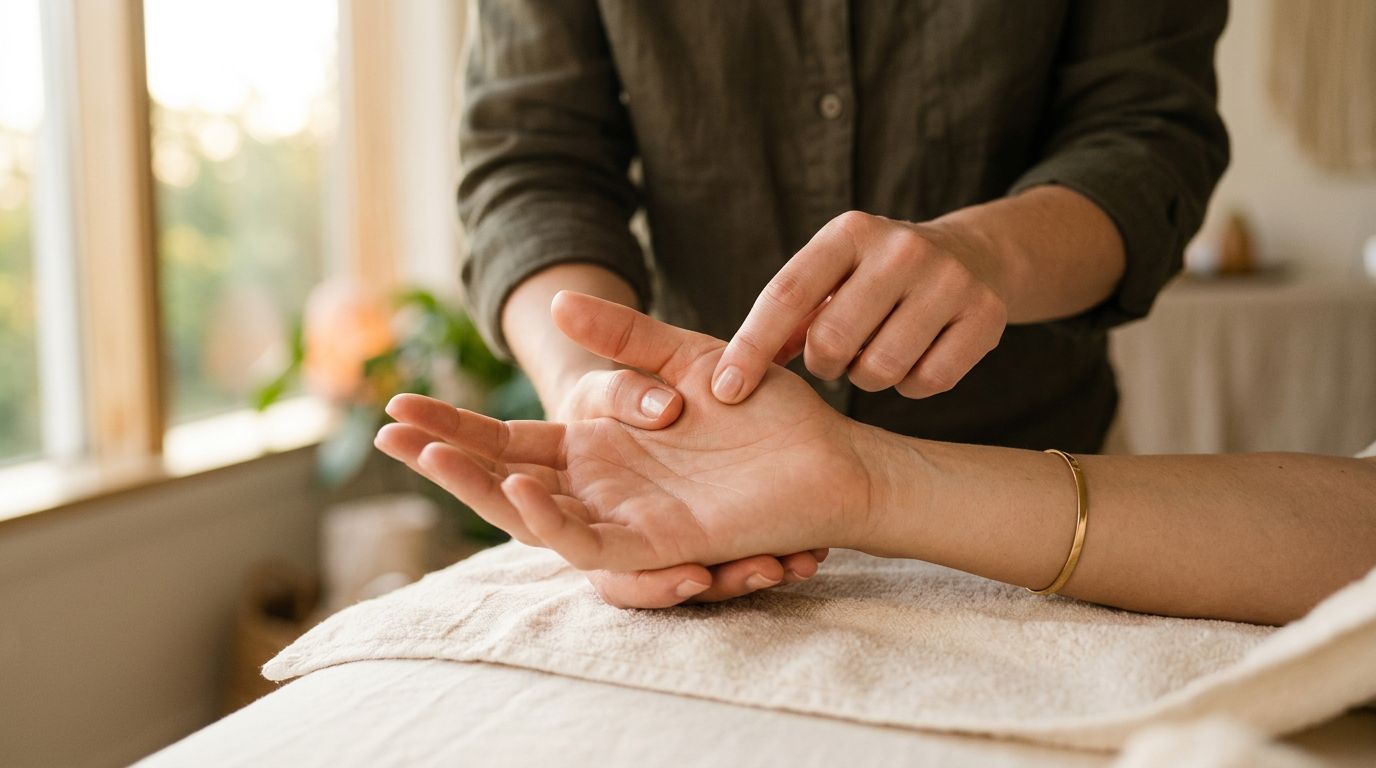
Waking up with a stiff thumb can make simple tasks feel clumsy. A zipper, a coffee mug, or a phone screen can feel harder than they should. A thumb arthritis massage routine can help ease that morning tightness. It works best when you use gentle pressure, warm tissue first, an...
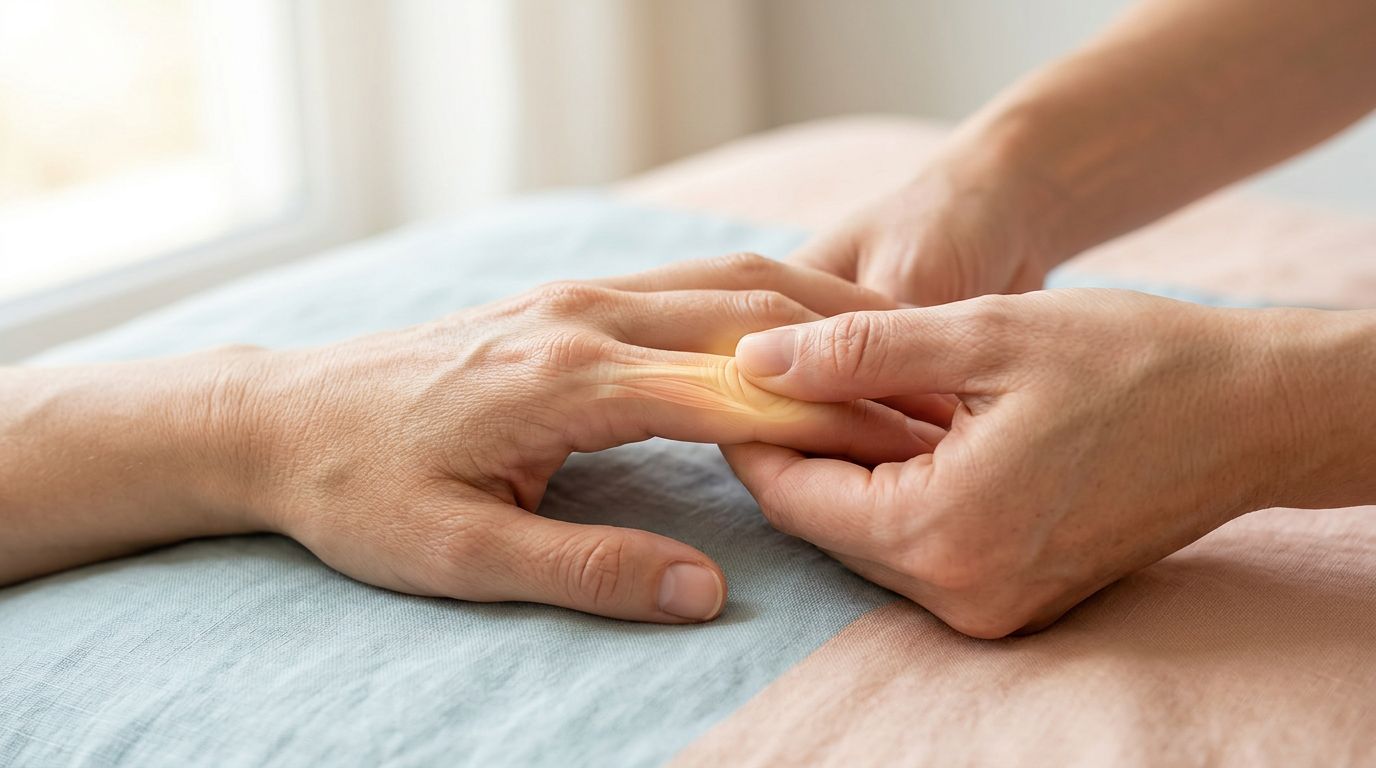
Waking up with a finger that clicks, catches, or feels stuck can make a normal morning feel clumsy fast. A mug, a toothbrush, even a button can become annoying when your hand needs a few minutes to loosen up. This kind of stiffness often shows up after rest, then eases a littl...
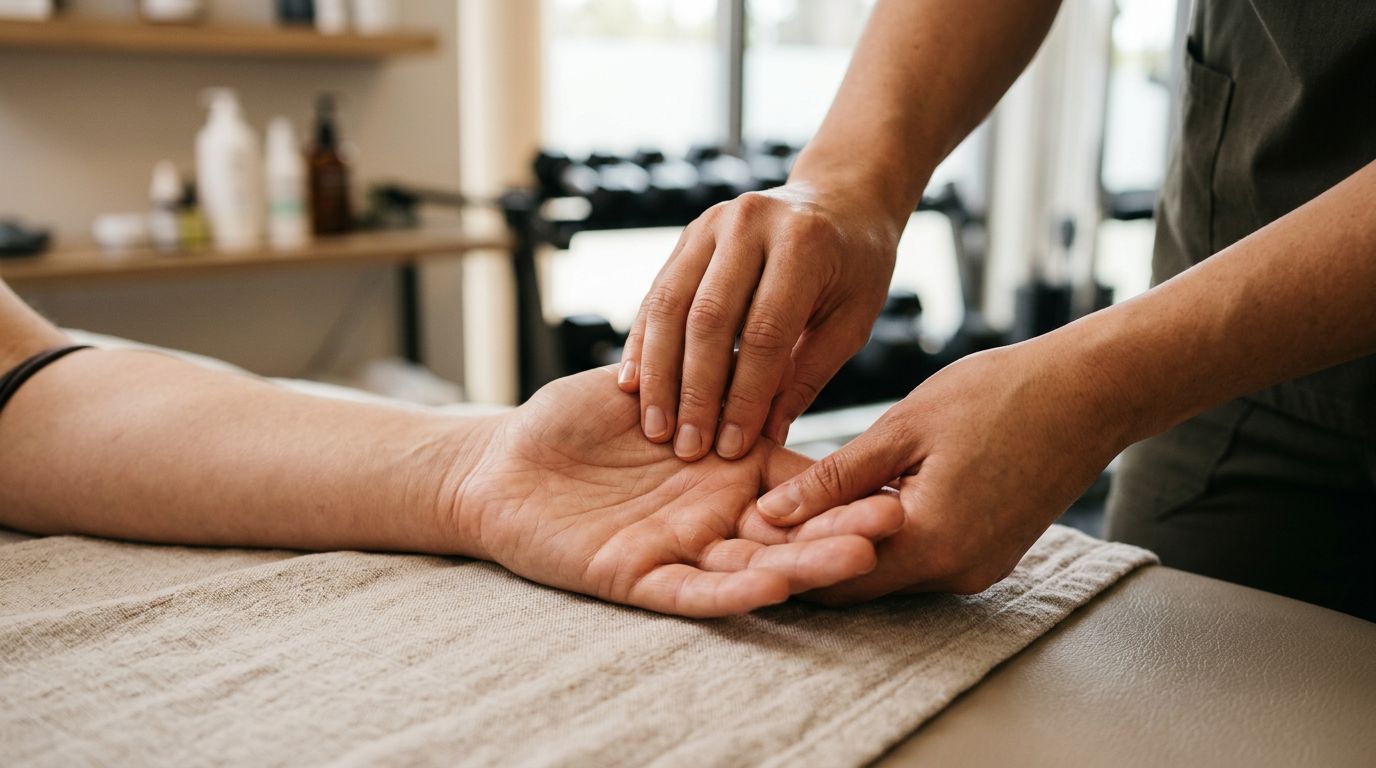
A sore pinky-side palm can make even simple tasks feel awkward. Jar lids, dumbbells, tools, grocery bags, and steering wheels all ask the same small part of your hand to work hard. That spot is the hypothenar area, the padded edge of the palm below the pinky. When it gets tigh...
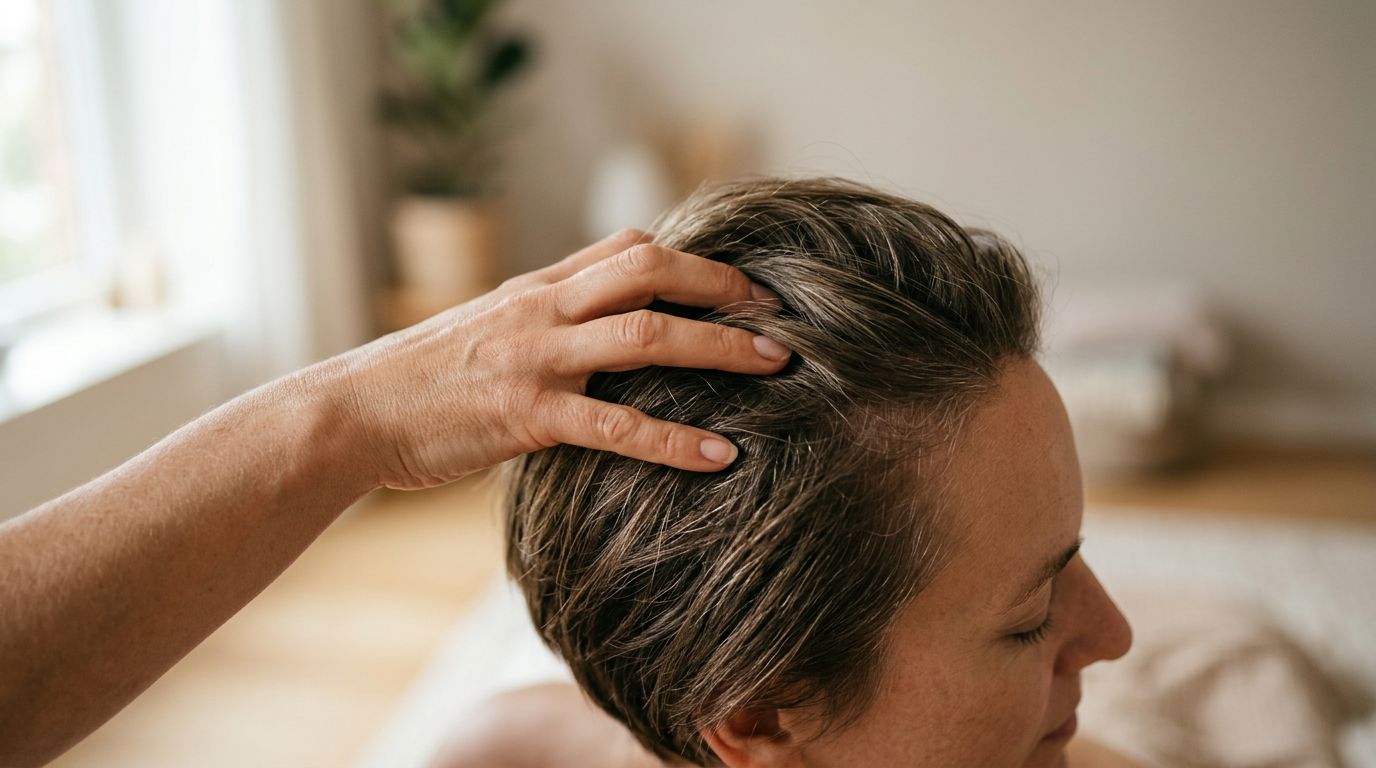
That tight, buzzing spot at the top of your head can turn a normal day into a hard one. Stress often shows up in the crown before you notice it anywhere else. Your shoulders rise, your jaw grips, and the scalp starts to feel pulled, tender, or heavy. A steady scalp massage can...
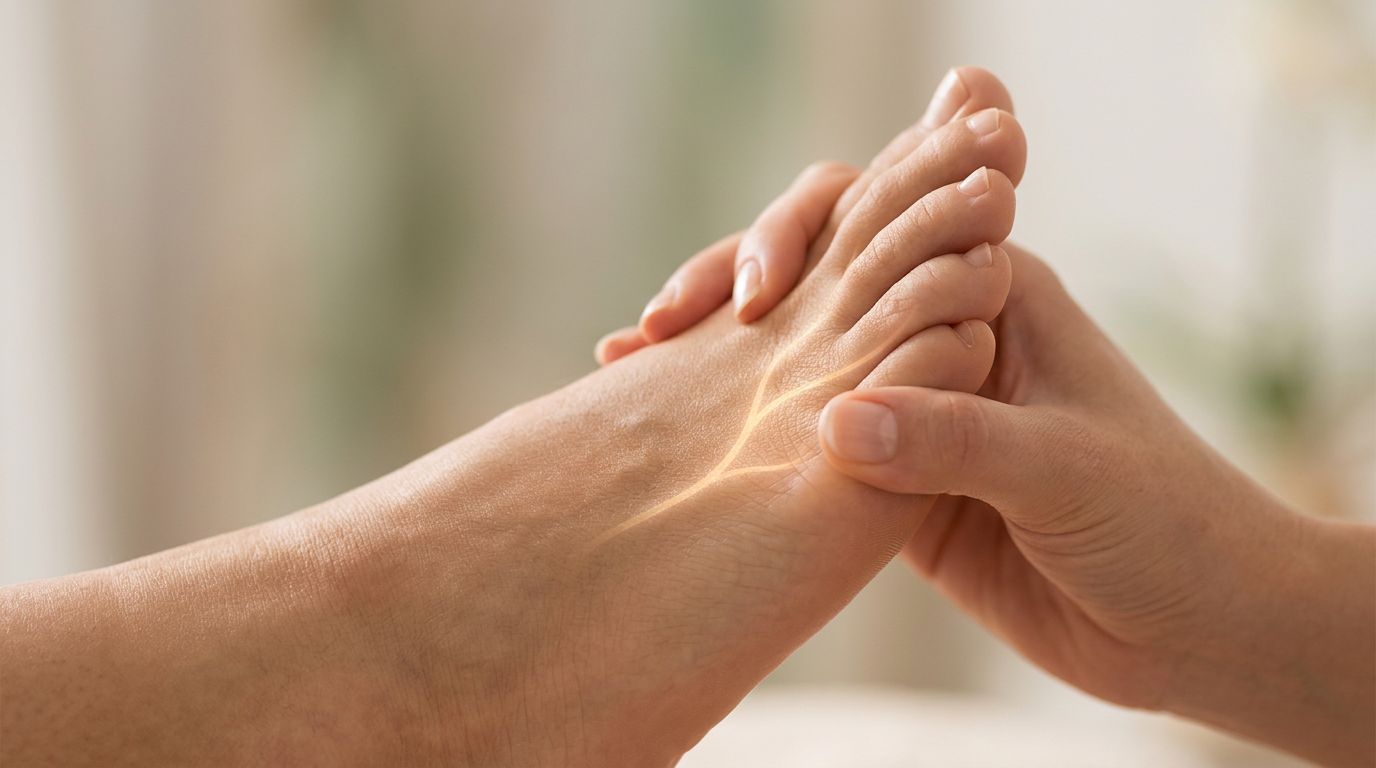
Burning pain between the toes can turn a short walk into a stubborn problem. If your foot feels like it has a pebble in the front, or a hot wire runs through the ball of the foot, Morton's neuroma may be part of the picture. A careful Morton's neuroma massage can ease tension...
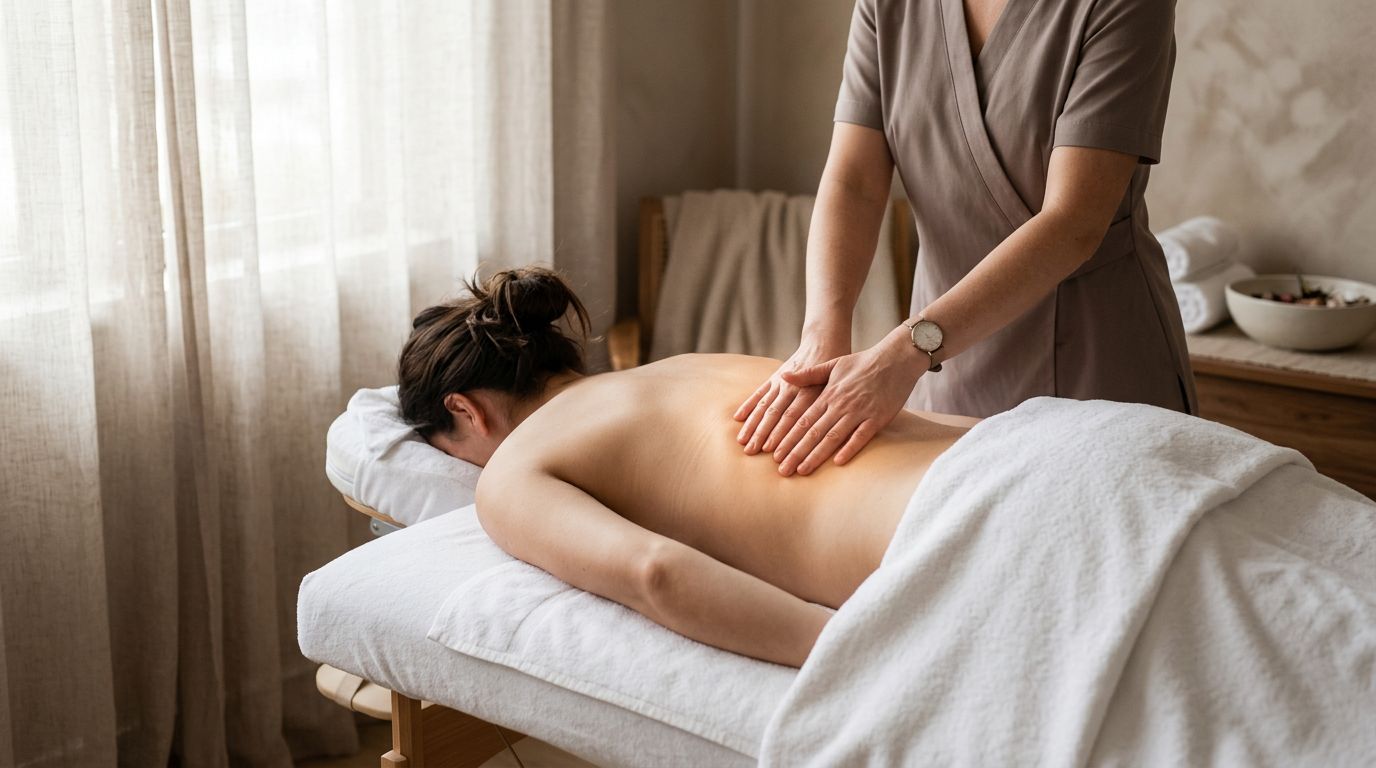
A little soreness after a deep tissue massage can be normal, but it should not hang around forever. For many people, deep tissue massage soreness feels a lot like a tough workout, with tightness, tenderness, or a dull ache that fades on its own. The tricky part is knowing wher...