Hamstring Tightness Massage After Running: What to Expect

STILL Massage + Skin • March 20, 2026

Share this article

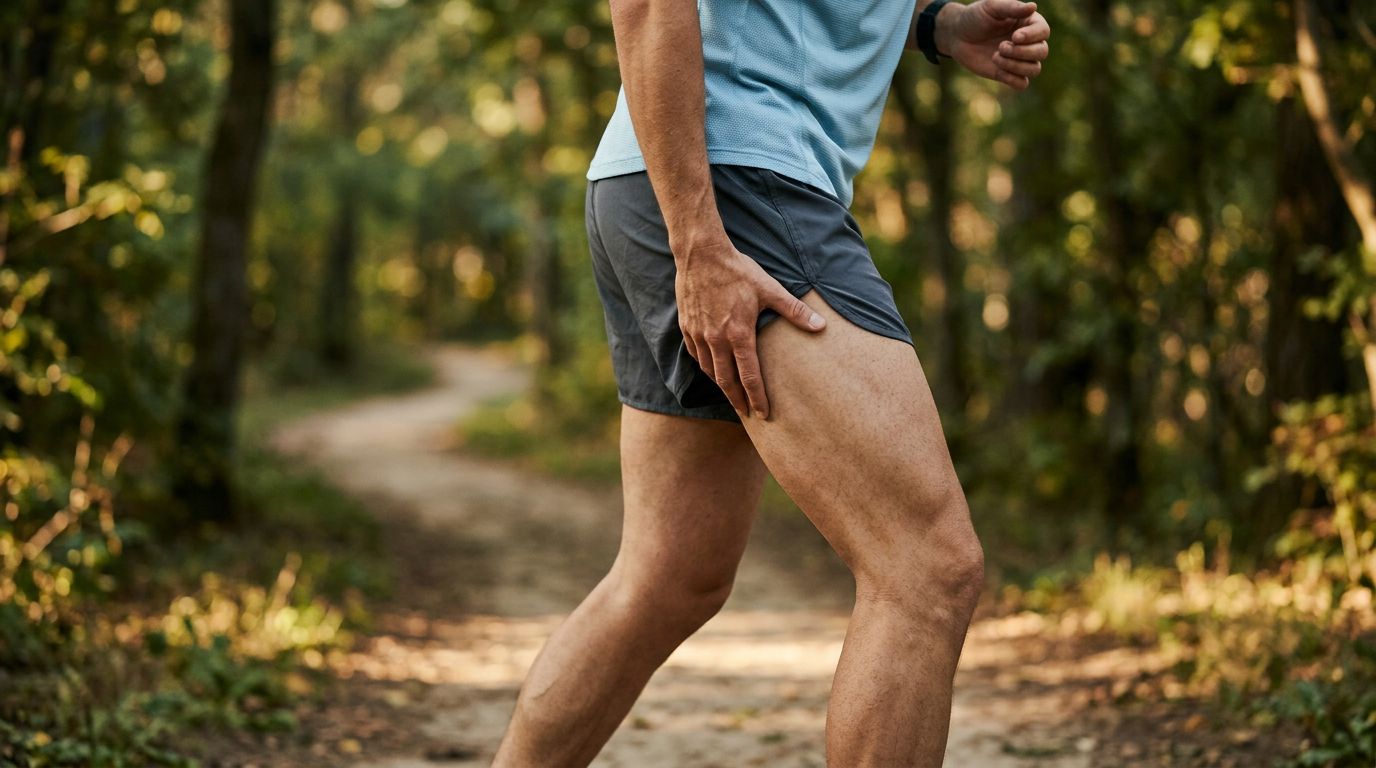
Ever finish a run feeling fine, then tighten up the second you stop moving? That post-run stiffness is common, and it can make even an easy walk feel awkward. Your hamstrings do a lot of work with every stride, so they often complain when mileage, speed, or hills start stacking up.

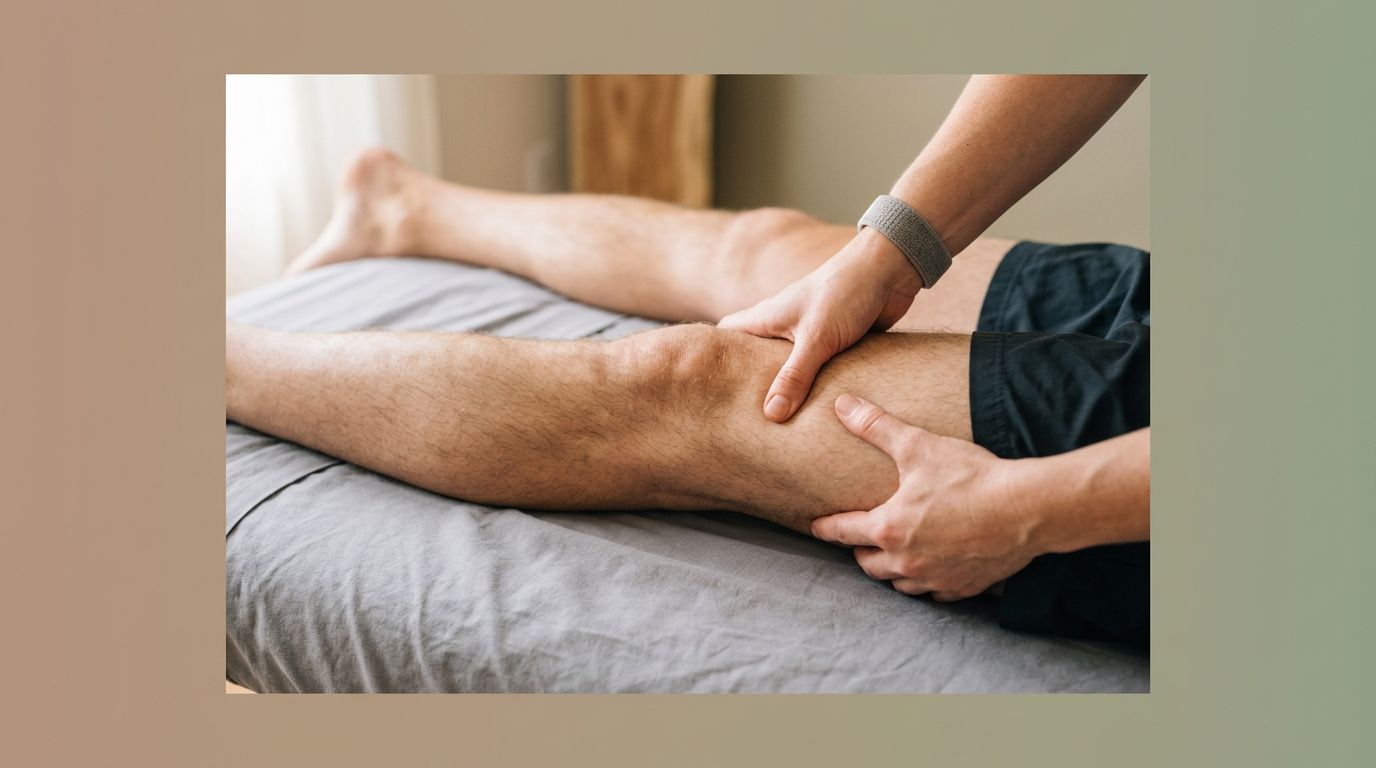
A hamstring tightness massage can help calm that tension and make movement feel smoother. It also gives you a better sense of whether you're dealing with normal muscle fatigue or something more serious. If you're booking a session, here's what to expect before, during, and after treatment.

Why running leaves hamstrings feeling short and stiff

Hamstrings help extend your hip and bend your knee, so running asks a lot from them. They lengthen and contract over and over, almost like a rope being pulled and released thousands of times. When training load climbs, they can start to feel heavy, grabby, or stiff.

Sometimes the hamstrings are the main issue. Other times, they're just the loudest part of the chain. Tight calves, tired glutes, limited hip movement, and long hours of sitting can all add tension to the back of the leg.

That's why a good therapist usually doesn't focus only on the sore spot. They look at how the whole area works together. If your glutes aren't helping enough, for example, your hamstrings may pick up extra work and never get a real break.

Timing matters too. A massage right after a hard race may feel different from one you book two days later. Right after a tough run, your tissues can be more sensitive, so lighter work often makes more sense. A day or two later, you may tolerate slower, deeper pressure better.

In other words, the best results come from matching the massage to your body that day. Harder isn't always better. The goal is to reduce tension, improve motion, and help you recover, not to win a pain contest.

What happens during a massage for hamstring tightness

Your session usually starts with a short conversation. You'll likely talk about when the tightness began, where you feel it, whether it's one side or both, and what kind of running you've been doing. That information matters because a runner sore from hill repeats needs a different approach than someone dealing with months of chronic stiffness.

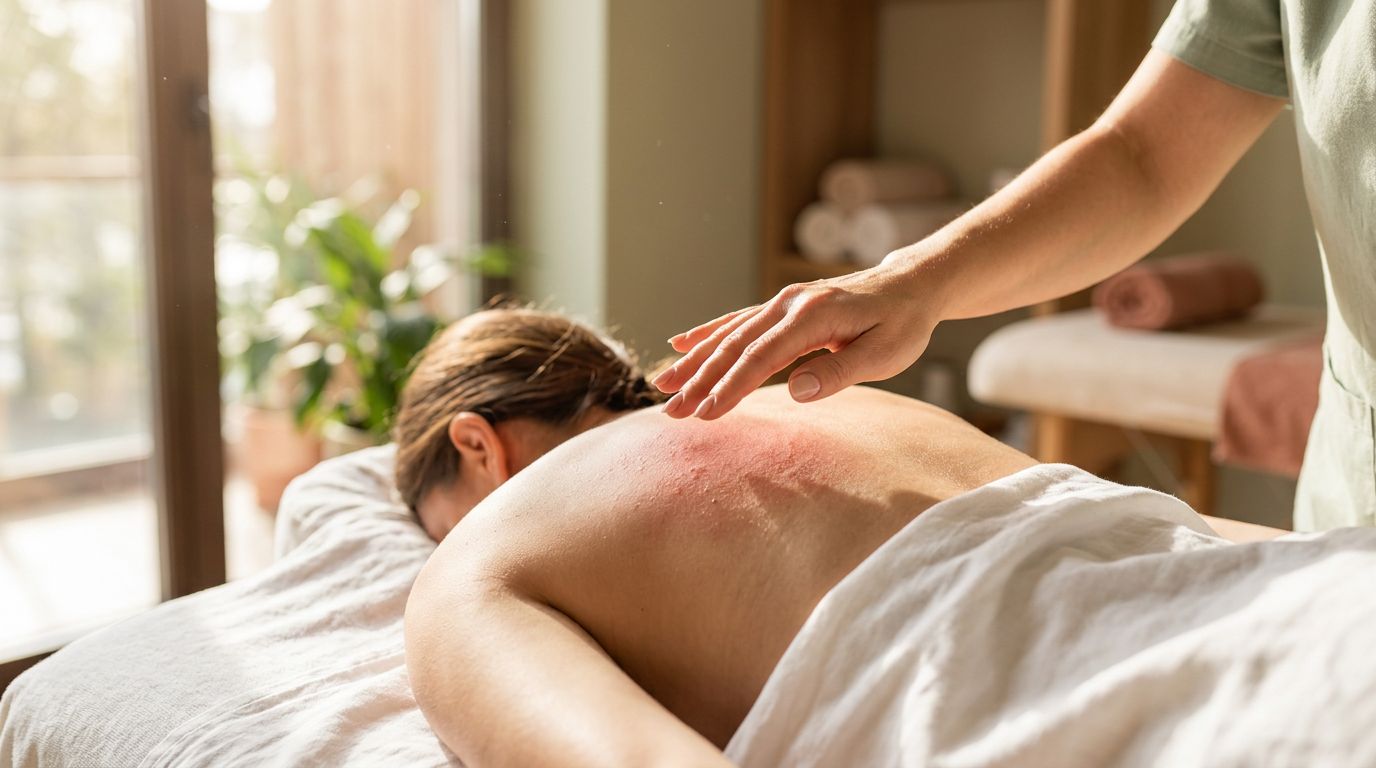
Once the session begins, most therapists won't jump straight into deep work on the back of your thigh. They often start with broader areas first, such as the calves, glutes, hips, or lower back. That helps your body relax and gives them a better read on where the tension is coming from.

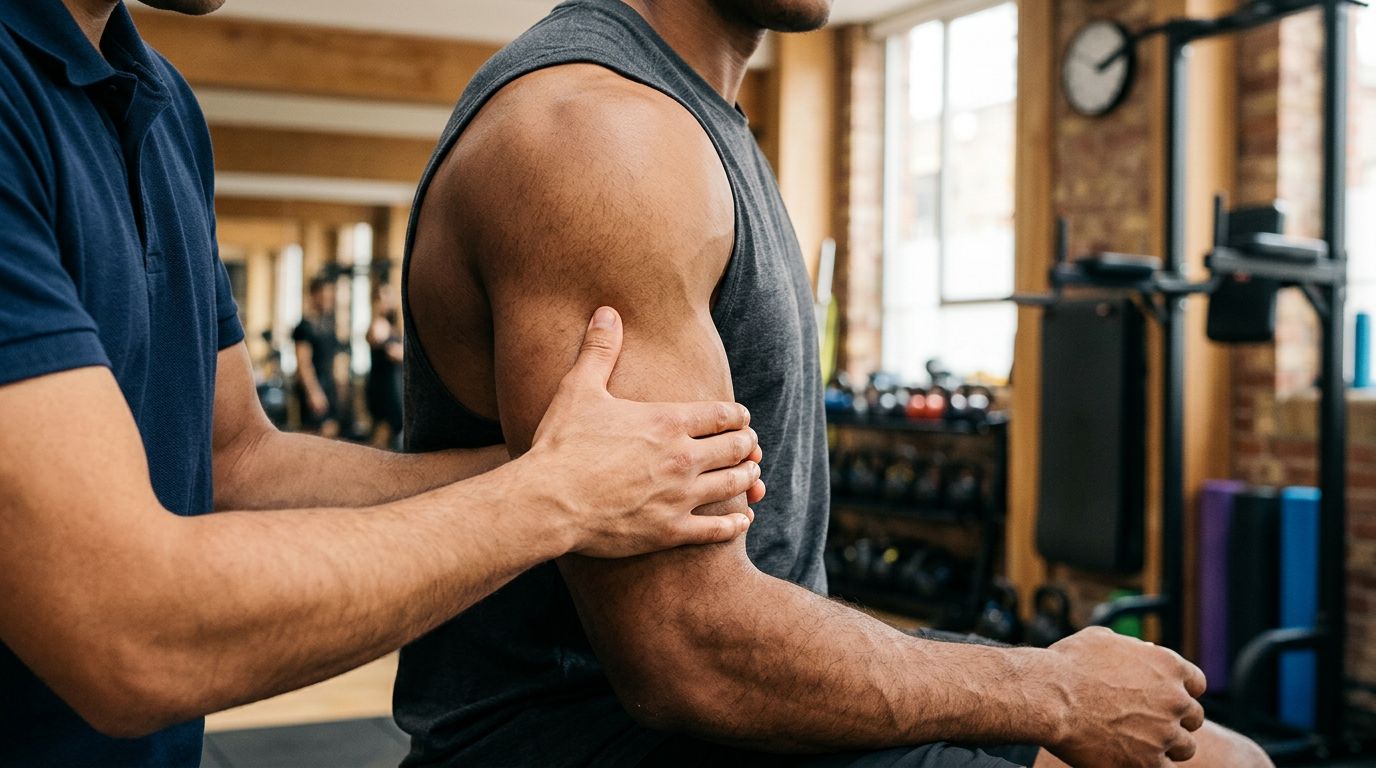
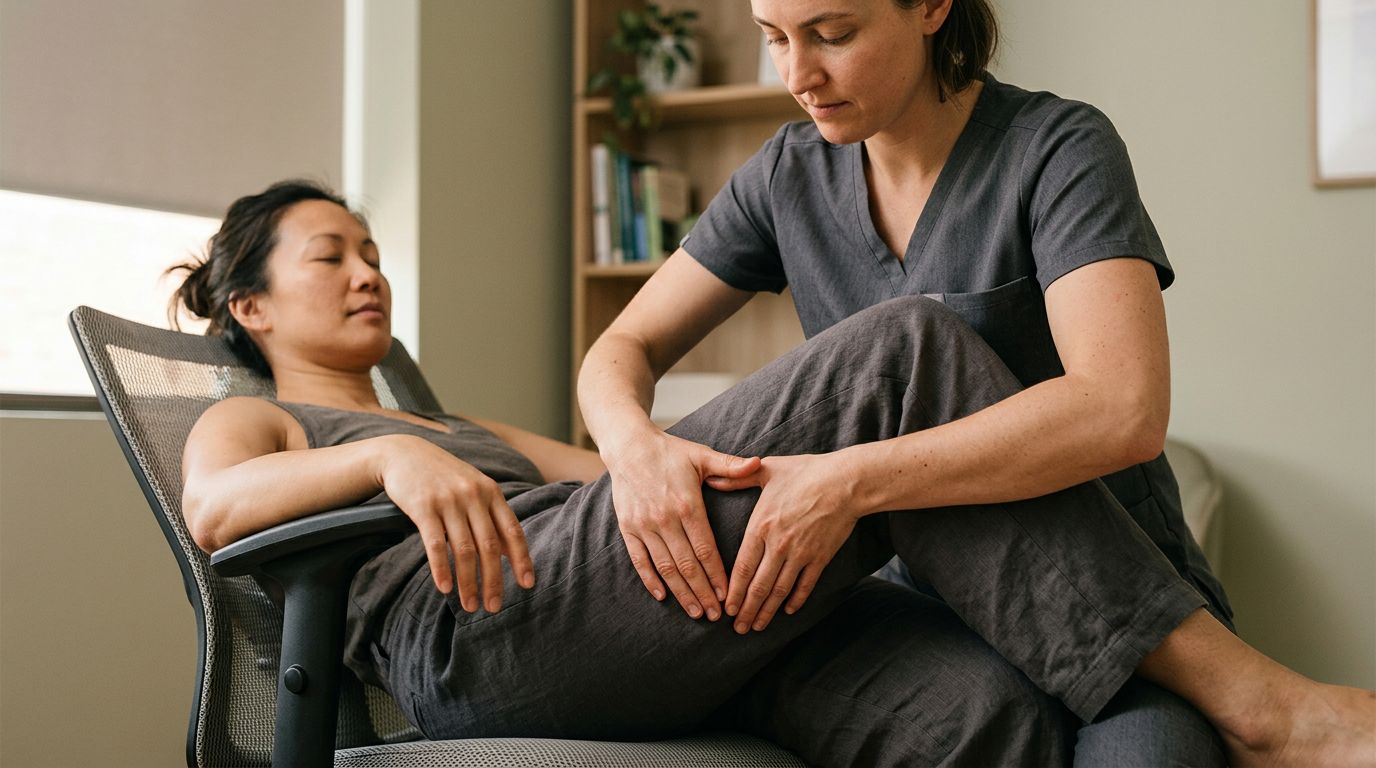
From there, they may use a mix of long strokes, slow compression, targeted pressure, and gentle movement. Some sessions also include light stretching or range-of-motion work if it fits your comfort level. You may notice your therapist working near the attachment points at the sit bone or behind the knee, but they should do that with care, since those areas can be sensitive.

If you're looking for targeted massage therapy for runners , a customized sports-focused session can be a smart option when training keeps your legs tight.

How much pressure should you expect?

You should expect some intensity , but not sharp pain. A useful massage often feels tender, warm, or slightly uncomfortable in spots. Still, you should be able to breathe normally and stay relaxed.

A good massage should feel productive, not punishing.

If you tense up, hold your breath, or pull away, the pressure is probably too much. Speak up. Clear feedback helps your therapist adjust and usually leads to a better result.

How to prepare for your appointment

A little prep can make your session more useful. Try not to show up right after a sprint workout if your legs feel wrecked. If that's your only option, tell your therapist so they can keep the work appropriate.

Wear easy clothes, and arrive with a clear sense of your recent training. Mention pace work, hills, long runs, and any old injuries. Also share what the tightness feels like, dull, pulling, cramped, or sharp, because those details shape the session.

It also helps to know your goal. Maybe you want to loosen up before your next run. Maybe you're trying to stop the same tightness from returning every weekend. Those are different goals, and they call for different pressure, pacing, and focus.

What you may feel after the session, and when to get checked

Right after the massage, your legs may feel looser, warmer, and easier to move. Some runners notice a longer stride or less pulling when they stand up. Others simply feel less guarded, which is still a good sign.

You might also feel mild soreness later that day or the next morning. That's normal, especially if the area was very tight going in. Most post-massage soreness fades within 24 to 48 hours.

For the rest of the day, keep things simple. Walk a bit, move gently, and skip an all-out workout. Light mobility can help, but aggressive stretching right away can irritate an already worked area. Water and regular meals are fine; your body doesn't need anything fancy.

Massage also works best as part of the bigger picture. If your hamstrings tighten after every run, look at recovery, strength, running load, and form. Massage can calm the signal, but it won't fix poor load management on its own.

At times, tightness is more than tightness. Pause and get medical advice if you have:

  • A sudden pop during a run
  • Bruising or swelling in the back of the thigh
  • Sharp pain instead of simple stiffness
  • Weakness or limping that doesn't improve
  • Numbness or pain traveling below the knee

Those signs can point to a strain or another issue that needs more than massage. Deep pressure on a fresh injury can make things worse, so it's better to get checked first.

A massage for post-run hamstring tightness shouldn't feel mysterious. It should feel thoughtful, targeted, and matched to what your body needs that day. When the pressure is right and the timing makes sense, massage can help your legs settle down and recover faster. If your hamstrings keep acting like overworked rubber bands, a little recovery now can help your next run feel much smoother.

Recent Posts

By STILL Massage + Skin May 4, 2026
If your wrist aches after a long mouse session, the trouble may not start in the wrist at all. The small muscles on the back of your forearm work hard every time you click, drag, or hold tension in your hand. A gentle forearm extensor massage can ease that load and make the wr...
By STILL Massage + Skin May 3, 2026
A hard coughing spell or a tough core session can leave your ribs feeling pinned in place. Even a deep breath can feel tight, and turning in bed may make you wince. Intercostal massage can help when the problem comes from irritated muscles between the ribs, not from a serious...
By STILL Massage + Skin May 2, 2026
A sore tailbone can turn a normal chair into a problem. One long meeting, a car ride, or a hard bench can make every shift feel sharp and annoying. Tailbone pain massage can help when the pain comes from tight muscles, protective tension, or strain around the lower back and hi...
By STILL Massage + Skin May 1, 2026
A golf round can leave your side waist feeling pulled tight, even when your back feels fine. That stretch across the ribs and waist often comes from the obliques working hard through every swing. When those muscles stay braced after the round, twisting, bending, and even getti...
By STILL Massage + Skin April 30, 2026
Tightness at the base of your skull can feel like a band pulling backward. It can show up as neck pain, a dull headache, or a stiff turn when you check your blind spot. The splenius capitis is one of the muscles that often sits behind that pattern. When it gets overworked, a f...
By STILL Massage + Skin April 29, 2026
Front hip pain that seems to slide toward the inner knee can be maddening. You may feel it during stairs, long walks, squats, or after sitting too long. That pattern often points to the sartorius, a long muscle that crosses both the hip and knee. A careful sartorius massage ca...
By STILL Massage + Skin April 28, 2026
If your breath feels stuck high in your chest, your body is probably working harder than it should. Tightness around the upper belly and lower ribs can make every inhale feel small and shallow. That pattern often shows up with stress, long hours at a desk, or a body that has b...
By STILL Massage + Skin April 27, 2026
Your feet ache after a long day. Stress knots up your shoulders, and you just want relief. Reflexology offers a targeted way to ease tired feet and melt away tension. This foot therapy presses specific points to boost relaxation. It helps with common issues like sore soles and...
By STILL Massage + Skin April 26, 2026
You've just crushed a heavy lifting session. Your outer forearm throbs with that familiar ache. It's the brachioradialis muscle crying out for relief. Lifters often ignore this spot until soreness hits hard. Curls, rows, and pulls strain it fast. Brachioradialis massage target...
By STILL Massage + Skin April 25, 2026
Ever feel a sharp tug in your front shoulder when you reach for something overhead? That ache often comes from a small but mighty muscle called the coracobrachialis. It sits deep in your upper arm and helps flex your shoulder, but tightness builds up fast from daily habits lik...
Show More