Diaphragm Release Massage for Shallow Breathing and Upper Belly Tightness

STILL Massage + Skin • April 28, 2026

Share this article

If your breath feels stuck high in your chest, your body is probably working harder than it should. Tightness around the upper belly and lower ribs can make every inhale feel small and shallow.

That pattern often shows up with stress, long hours at a desk, or a body that has been bracing for too long. Diaphragm release massage can help soften that holding pattern and give your breath more room again.

Why the diaphragm gets tight

The diaphragm is the main muscle that drives breathing. It sits under the ribs and moves down as you inhale, then rises as you exhale. When it moves well, breathing feels easy and smooth.

Tension changes that rhythm. Stress can keep the belly wall tight. Slumped posture can crowd the ribs. Shallow breathing can become a habit, and then the body starts treating it like normal.

Upper belly tightness often goes with that pattern. Some people notice a band of pressure under the ribs. Others feel a hard, guarded spot in the upper abdomen. The chest may lift first, while the belly barely moves.

That does not always mean something is wrong. It does mean the breathing muscles may need help relaxing. Gentle work around the ribs, belly, and side body can support that change.

A good release session should feel like space opening, not pain forcing its way through.

What diaphragm release massage feels like

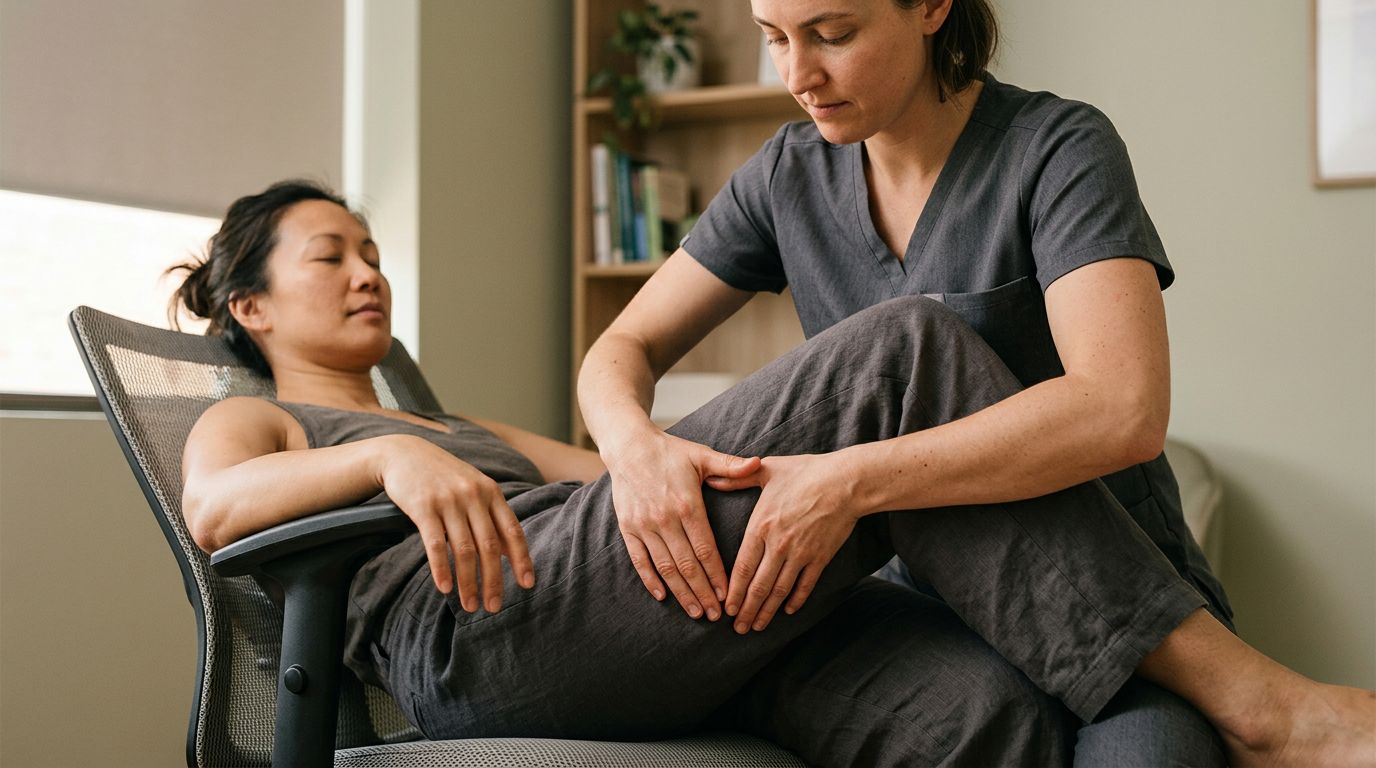
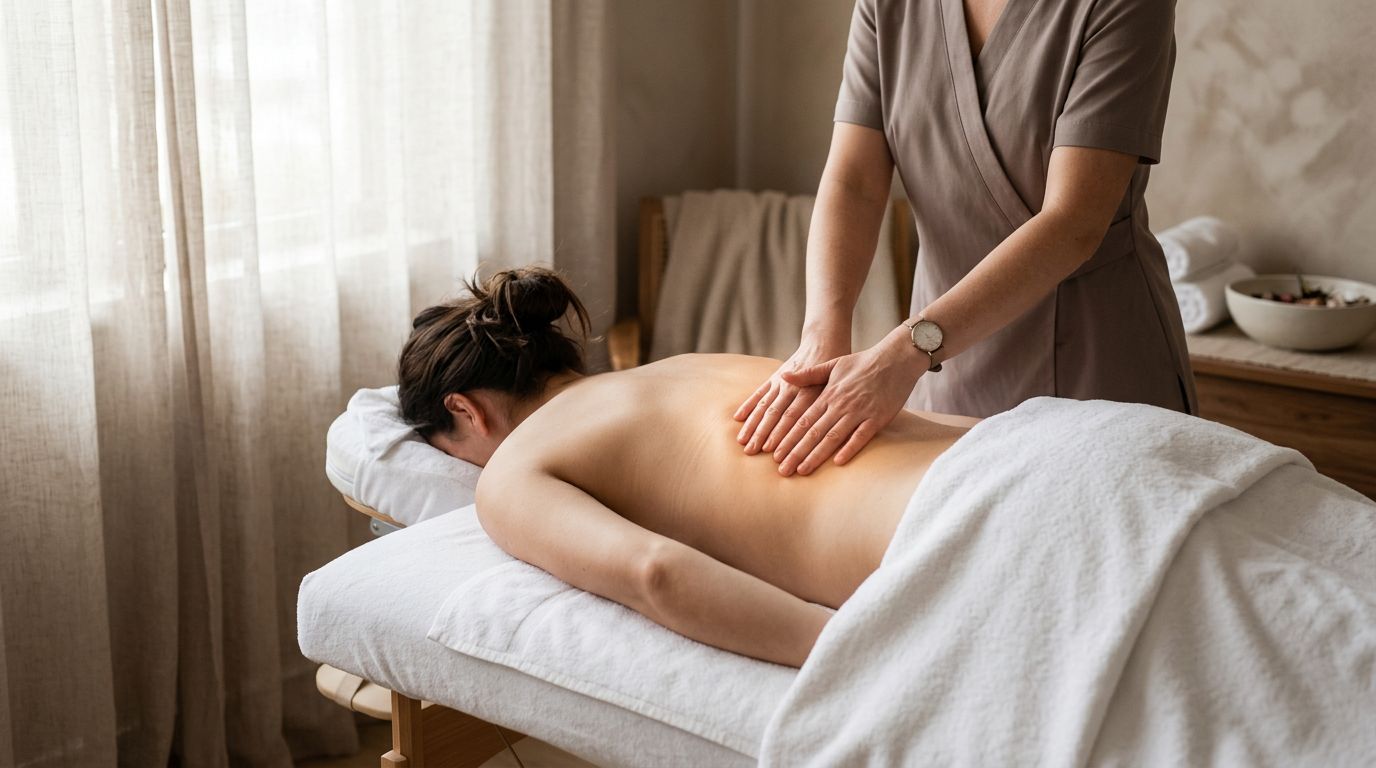
This work is usually slow and careful. A therapist may use light to moderate pressure along the lower rib margin, upper abdomen, or side waist. The goal is to reduce guarding and help the area move with the breath.

A session should not feel like deep digging. In fact, too much pressure can make the body brace more. The best work often starts with calm touch, patient timing, and a steady exhale.

During the release, you may be asked to breathe in and out slowly. That helps the ribs expand and lets the tissue soften on its own. Many people notice a change before the session ends. The breath gets lower. The belly softens. The shoulders stop lifting so much.

For people who want support from a trained therapist, massage therapy for muscle tightness relief can be a helpful place to start. It gives the therapist a chance to look at the whole pattern, not just one tight spot.

Signs your breathing pattern may need attention

Not every case of shallow breathing is about the diaphragm alone. Still, certain signs often show up together. If a few of these sound familiar, your body may be asking for a reset.

  • Your breath stays high in the chest, even when you try to relax.
  • The upper belly feels firm, tender, or hard to expand.
  • You catch yourself holding your breath during work or stress.
  • Your shoulders rise on every inhale.
  • Deep breathing feels tiring instead of calming.

These signs do not point to one single cause. However, they do suggest that the lower ribs and diaphragm may not be moving freely.

People sometimes wait until the tension feels severe. That usually makes the body harder to read. Earlier care is often easier because the muscles have not been holding on for as long.

If you also have chest pain, dizziness, severe shortness of breath, or sudden symptoms, get medical help. Massage is not the right tool for those situations.

How a session supports the whole body

The diaphragm does more than help you breathe. It also works with the ribs, abdomen, low back, and even the pelvic floor. When one area tightens, the others often compensate.

That is why this kind of massage can feel broader than a single breathing fix. When the upper belly softens, the rib cage can move more freely. When the ribs move better, the breath often drops lower. Then the shoulders and neck may stop doing extra work.

A session may also reveal how much stress you hold without noticing it. Many people are surprised by how often they brace through the day. The breath becomes a small, guarded motion. Then the body starts to treat that as the default.

The best results usually come from consistency, not force. One session can help, but repeated work and better breathing habits often create a steadier change. Slow exhales, posture breaks, and relaxed belly breathing can support the massage after you leave.

A gentle approach matters

Diaphragm work should never feel harsh or rushed. If the pressure feels too sharp, the body may tighten more to protect itself.

A skilled therapist will adjust touch, pace, and position based on your response. That matters because the diaphragm is tied to breath, not just muscle tone. When the touch feels safe, the nervous system can settle, and the tissue often follows.

Supporting better breathing between sessions

A massage session can open the door, but your daily habits help keep it open. Small changes often make a bigger difference than people expect.

Try these simple habits:

  • Pause every hour and let your exhale be a little longer than your inhale.
  • Sit tall enough for the ribs to move, but avoid stiff posture.
  • Place one hand on the upper belly and notice whether it moves at all.
  • Walk for a few minutes after long periods of sitting.
  • Avoid forcing deep breaths if they make you tense.

These are not complicated steps. They work because they give the diaphragm a chance to move without pressure. Over time, that can reduce the sense of being stuck in the upper chest.

If your breathing stays shallow despite these changes, massage can be part of a larger plan. The goal is not perfect breathing all day. The goal is a body that can breathe without fighting itself.

Conclusion

Shallow breathing and upper belly tightness often go together because the body holds stress in the same places it uses to breathe. When that happens, diaphragm release massage can help restore easier motion through the ribs and upper abdomen.

The most useful sessions are calm, slow, and responsive. They give the breath room to settle instead of forcing a change.

If your chest feels busy and your belly feels locked down, that pattern is worth paying attention to. A lighter, freer breath often starts with less tension under the ribs.

Recent Posts

By STILL Massage + Skin April 27, 2026
Your feet ache after a long day. Stress knots up your shoulders, and you just want relief. Reflexology offers a targeted way to ease tired feet and melt away tension. This foot therapy presses specific points to boost relaxation. It helps with common issues like sore soles and...
By STILL Massage + Skin April 26, 2026
You've just crushed a heavy lifting session. Your outer forearm throbs with that familiar ache. It's the brachioradialis muscle crying out for relief. Lifters often ignore this spot until soreness hits hard. Curls, rows, and pulls strain it fast. Brachioradialis massage target...
By STILL Massage + Skin April 25, 2026
Ever feel a sharp tug in your front shoulder when you reach for something overhead? That ache often comes from a small but mighty muscle called the coracobrachialis. It sits deep in your upper arm and helps flex your shoulder, but tightness builds up fast from daily habits lik...
By STILL Massage + Skin April 24, 2026
You've just finished a long ride. Your outer thigh feels tight and sore. That nagging pull makes every step hurt. Cyclists often face this after pushing hard on the bike. The culprit is usually the vastus lateralis muscle. It's part of your quads and takes a beating during rid...
By STILL Massage + Skin April 23, 2026
Pain just below your kneecap stops you in your tracks. You feel it most when you climb stairs or jump during a game. Patellar tendonitis massage offers real relief from this common issue, also called jumper's knee. Athletes and active folks often deal with it. The patellar ten...
By STILL Massage + Skin April 22, 2026
You climb the stairs and feel that sharp pull on the inner knee. It stops you every time. Vastus medialis massage targets the muscle behind this ache and brings quick relief. This tightness often stems from the vastus medialis, a key quad muscle. It stabilizes your knee during...
By STILL Massage + Skin April 21, 2026
Mid-back stiffness hits hard. You bend to pick up something simple, and pain shoots up your spine. That nagging ache between your shoulder blades makes every day tougher. The erector spinae muscles run along your spine. They keep you upright and stable. When they tighten, dail...
By STILL Massage + Skin April 20, 2026
Sharp pain hits the top of your shoulder when you reach overhead. You wince reaching for a coffee mug or buckling your seatbelt. That nagging ache often points to the supraspinatus muscle . This small rotator cuff muscle stabilizes your shoulder. It sits above the shoulder bla...
By STILL Massage + Skin April 19, 2026
Acne scars linger long after breakouts fade. They dent your confidence and frustrate your routine. Microneedling for acne scars offers real hope by sparking your skin's repair process. You might worry about downtime or pain. Most people find the recovery manageable with the ri...
By STILL Massage + Skin April 18, 2026
You sit at your desk all day. Then your buttocks ache by evening. That tightness builds up fast from hours in one spot. The gluteus maximus takes the hit. It shortens and stiffens. A targeted glute max massage loosens it up. You'll move better and hurt less. This guide shows w...
Show More