Craniosacral Therapy For Stress And Migraines What It Feels Like
When stress sits in your body long enough, it can start to feel like it's running the show. Your shoulders stay up near your ears, your jaw won't unclench, and your head feels one trigger away from a migraine.
That's why many people get curious about craniosacral therapy . If you've searched "craniosacral therapy migraines," you've probably noticed it's described as gentle, quiet, and surprisingly calming. But what does that actually feel like on the table?
Below is a clear, honest look at what happens in a session, the sensations people often notice, and how it may fit into a stress and migraine care plan.
What craniosacral therapy is, and why stress can feed migraines
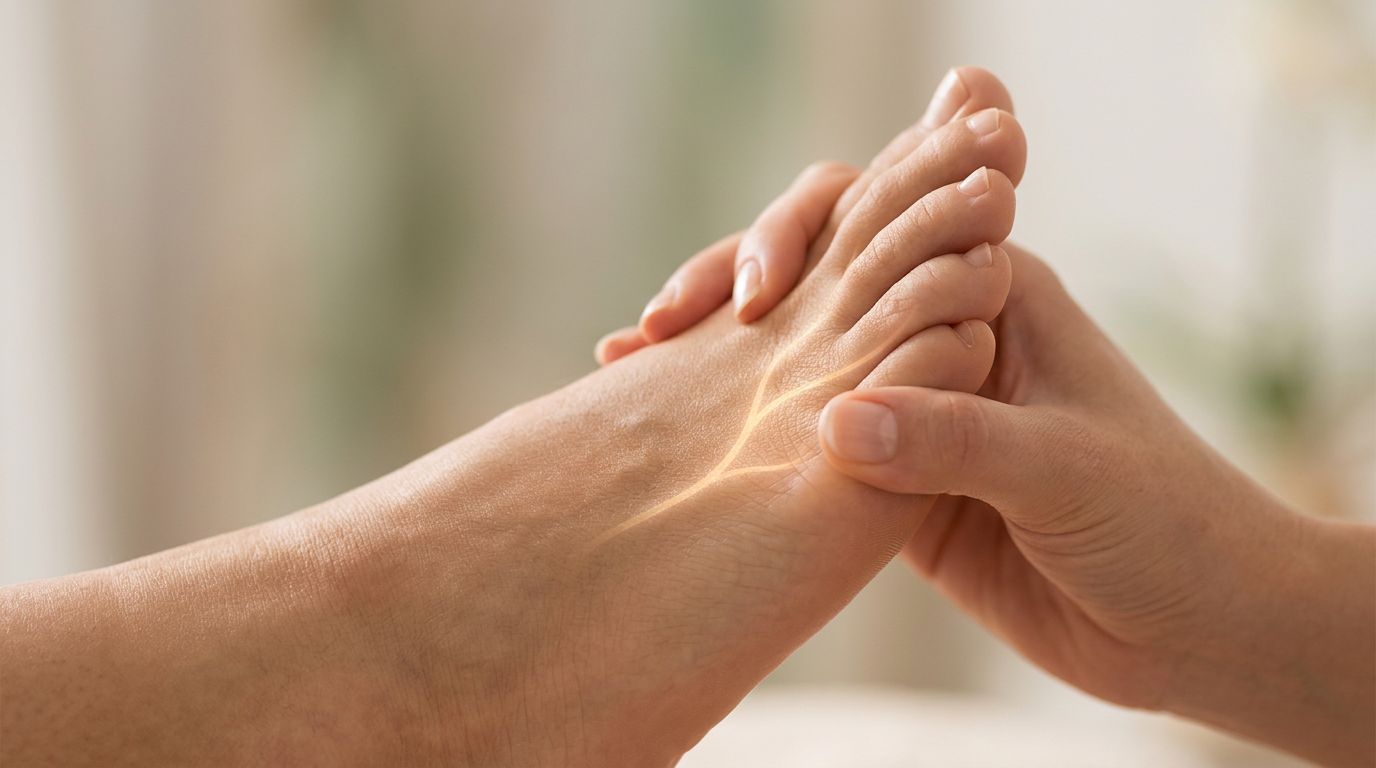
Craniosacral therapy (often shortened to CST) is a light-touch bodywork approach. Instead of deep pressure or vigorous stretching, the practitioner uses gentle contact, often at the head, neck, and along the spine (including the sacrum, which sits at the base of your spine).
The goal isn't to "force" anything to change. The session is more like giving your nervous system a quieter room to settle in. Think of it like lowering the volume in your body when everything feels stuck on loud.
Stress and migraines often travel together because stress changes how your whole system behaves. For example:
- Stress can tighten the neck, scalp, jaw, and upper back, which may add strain around common headache areas.
- It can make sleep lighter and more broken, which can raise migraine risk for some people.
- It can keep your body in a high-alert state, so normal input (light, sound, screens) feels more intense.
CST is commonly chosen by people who don't want more stimulation. If deep work sometimes leaves you sore or "wired," the softer pace can feel safer.
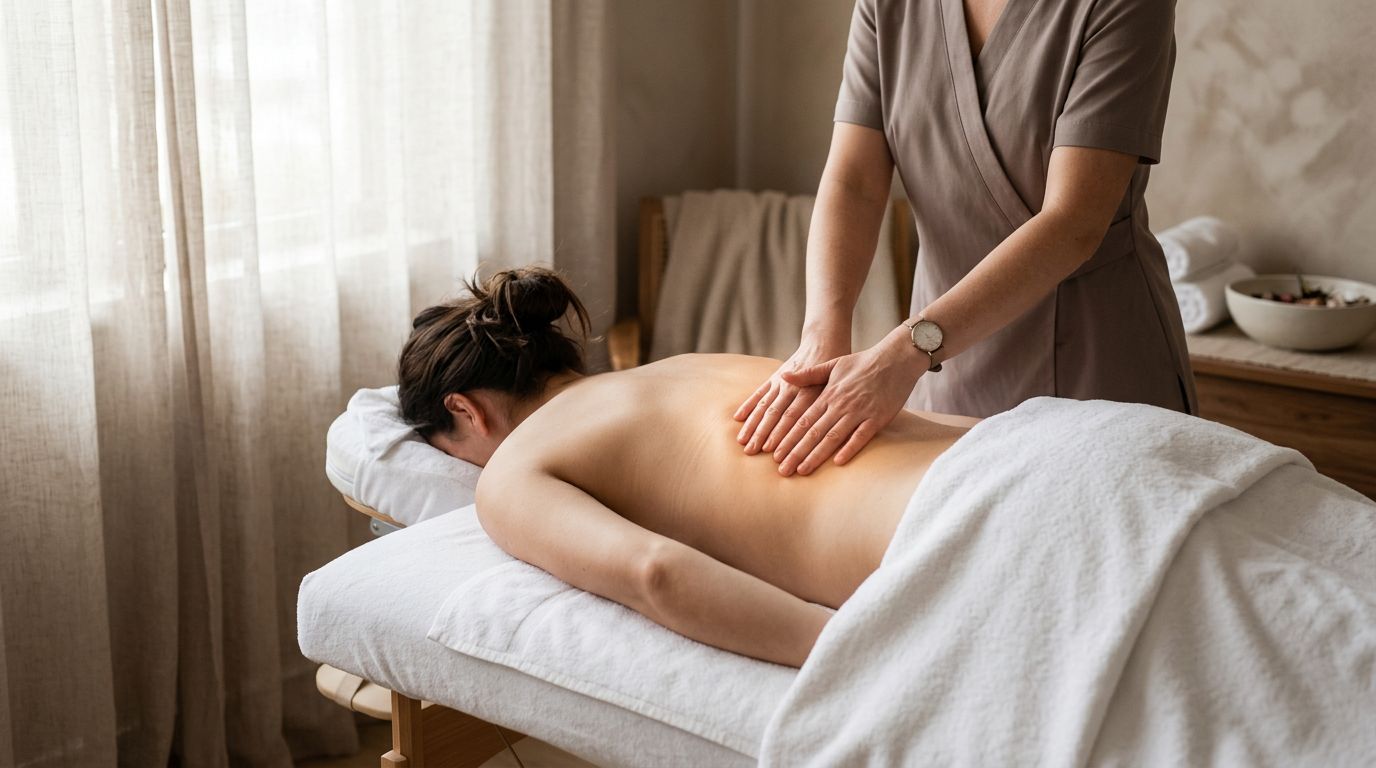
That said, plenty of migraine pain also ties to muscular tension. If your headaches feel strongly linked to neck and shoulder tightness, a more direct approach may help too, including stress-relieving massage therapy. Many people rotate gentle nervous system work with targeted muscle work, depending on the week they're having.
What it feels like during craniosacral therapy (moment by moment)
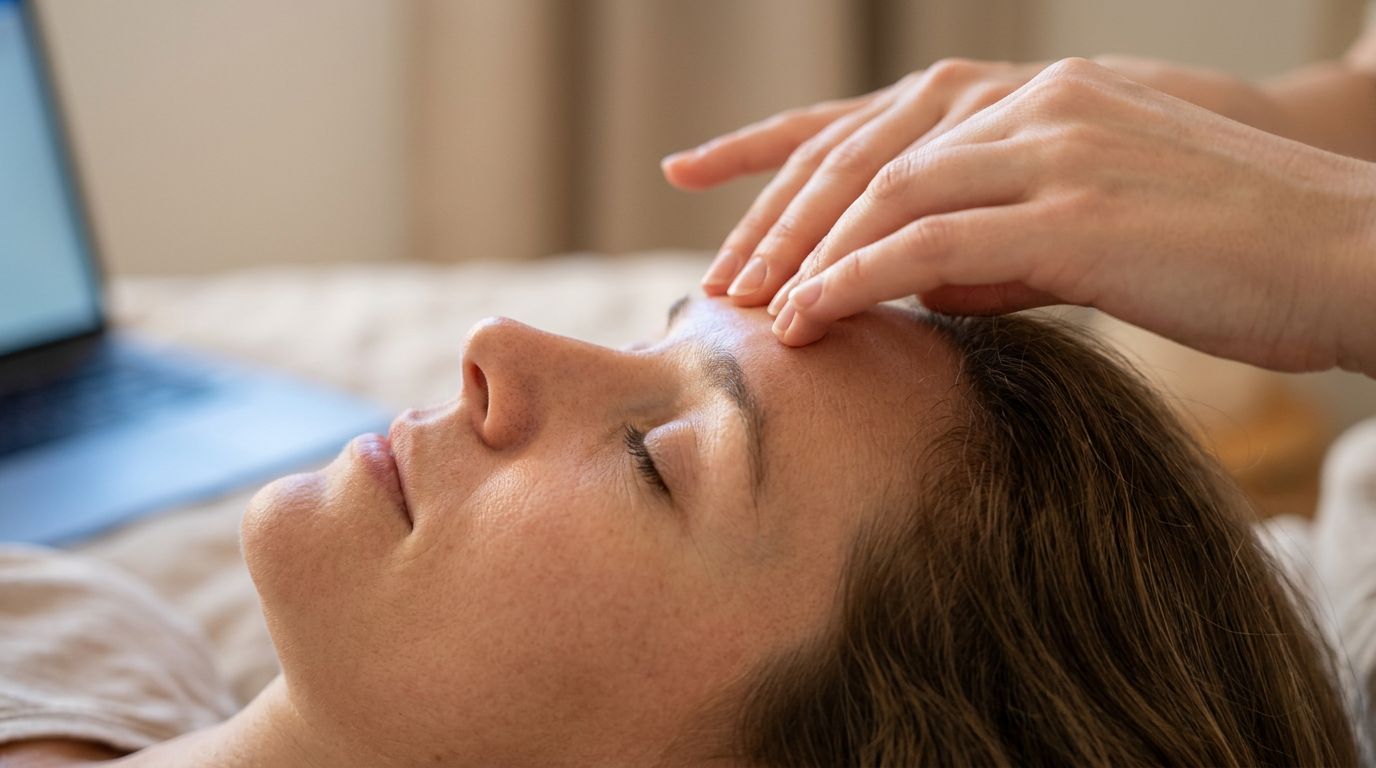
A craniosacral session usually happens fully clothed on a massage table. The room is quiet. The pace is slow. In many sessions, the practitioner checks in, then begins with still, light contact.
Most people notice the first "surprise" right away: the touch can be so light that your mind keeps waiting for the massage to start. Then you realize the session already is the work.
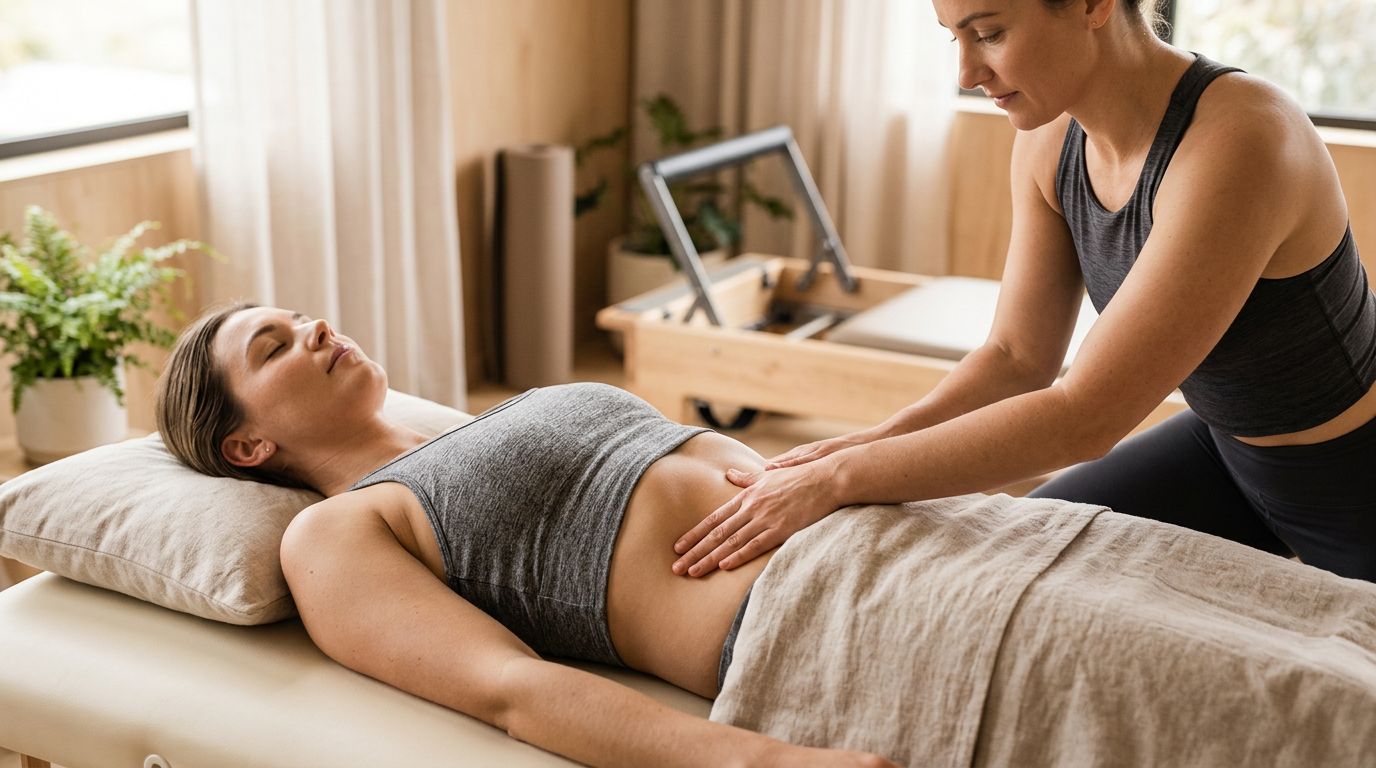
Common starting points include the back of the head, the sides of the skull, the forehead, the neck, or the sacrum. The practitioner may stay in one place for several minutes. While that sounds uneventful, your body often responds in small, real ways.
Here are sensations people often report, especially when stress is high:
- A deep exhale that feels involuntary . Like your ribs finally drop.
- Warmth or gentle pulsing under the hands, sometimes in spots far from the contact.
- Swallowing, gurgling, or stomach sounds , as your system downshifts.
- A "spreading" feeling across the scalp or forehead, like tension unwinding in layers.
- Drifting in and out of sleep , even if you don't usually nap.
- A wave of emotion (teary, relieved, heavy), without a clear story attached.
Some people feel almost nothing at first. That doesn't mean it isn't working. If you live in a high-stress body, "quiet" can feel unfamiliar. Your system may need time to trust it.
A craniosacral session often feels less like "getting fixed" and more like being given permission to stop bracing.
If you're migraine-prone, the calmness can be the whole point. Instead of chasing pain, the session supports rest. For many clients, that change in state is the most noticeable shift.
How craniosacral therapy may help with stress and migraine patterns
It's smart to keep expectations grounded. CST isn't a guaranteed migraine cure, and migraine triggers vary a lot. Still, people often try it because it may support the systems that migraines tend to involve: stress response, sleep quality, tension holding, and recovery after overload.
Here's how that can look in real life.
First, many clients describe a nervous system "reset." When your body spends more time in fight-or-flight, it's harder to recover from normal stressors. A gentle session may help you spend more time in a rest state afterward. As a result, you might notice fewer jaw clench days, less shoulder hiking, or an easier time falling asleep.
Next, CST may help with head and neck strain that sneaks in during stressful weeks. Migraines often show up with neck tightness, scalp sensitivity, or pressure behind the eyes. While CST doesn't use deep pressure, it can still feel like it creates space, especially around the base of the skull, the temples, and the jaw area.
Also, the stillness can be useful for people who get migraines from overstimulation. If bright lights, strong scents, or noisy environments set you off, the quiet structure of CST can feel supportive.
After a session, reactions vary. Some people feel floaty and calm. Others feel tired and want a nap. Occasionally, you might feel tender, spaced out, or mildly headachy for a short time, especially if you came in already flared up. Plan a softer schedule if you can.
A simple way to track change is to keep it practical. Note your sleep, jaw tension, neck tightness, and migraine frequency for a few weeks. Patterns show up faster when you write them down.
Who it's best for, who should be cautious, and how to prepare
Craniosacral therapy can be a great fit if your body feels "maxed out" and you want gentler care. It also works well for people who have trouble relaxing during typical massage because their nervous system stays on guard.
Still, migraines and headaches deserve respect. If your headaches are new, quickly worsening, or different than usual, check with a medical provider first. The same goes for red-flag symptoms like fainting, weakness, confusion, fever, sudden severe headache, or vision changes.
CST may not be appropriate for everyone, especially without clearance, in situations like recent concussion or head trauma, certain brain or spinal fluid concerns, or other serious neurological conditions. When in doubt, ask your healthcare team.
To get the most from a session, keep it simple:
- Eat a light meal beforehand so you don't feel shaky.
- Arrive a few minutes early so your body isn't rushing.
- Skip heavy perfume or strong essential oils if scents trigger headaches.
- Give yourself recovery time after, even 20 quiet minutes helps.
The biggest "pro tip" is scheduling space afterward, because your body may want rest more than productivity.
If stress and migraines have been a long-term pattern, consider a short series instead of a one-off. Many people start with a few sessions close together, then space out as they learn what their body responds to.
Conclusion
Craniosacral therapy can feel almost like pressing pause on a noisy day. The touch is light, the pace is slow, and the effects can be subtle but real. For some people, that calm shift is exactly what helps when stress and migraines keep looping.
If you're curious, go in with a simple goal: notice how your body feels during and after, then build from there. The best sign you chose well is often the quietest one, a steadier nervous system, and a little more ease when your week gets heavy.
Recent Posts