How Long Deep Tissue Massage Soreness Should Last

STILL Massage + Skin • June 3, 2026

Share this article

A little soreness after a deep tissue massage can be normal, but it should not hang around forever. For many people, deep tissue massage soreness feels a lot like a tough workout, with tightness, tenderness, or a dull ache that fades on its own.

The tricky part is knowing where normal ends and too much begins. If you've ever wondered whether your body is recovering or complaining, the timeline tells you a lot.

What normal soreness feels like

Most mild soreness starts within a few hours or the next day. It often peaks around 24 hours, then eases over the next day or two. For many people, it is gone within 24 to 72 hours .

Normal soreness tends to feel like this:

  • A dull ache in the muscles that were worked on
  • Mild tenderness when you press the area
  • Stiffness when you first get up
  • A looser feeling once you start moving

That pattern is common after deep pressure work. The muscles have been pushed, stretched, and loosened, so a little after-feel is expected. The key is that it improves, not worsens.

If the massage was focused on a tight neck, low back, or shoulders, those areas may stay tender a bit longer. Still, the soreness should stay mild and manageable. You should be able to go about your day without feeling thrown off.

What changes how long soreness lasts

Not every body reacts the same way. Deep pressure that feels fine to one person can feel like too much to another. Your pain tolerance, muscle tension, and the amount of pressure used all change the recovery time.

A few things can make soreness last longer:

  • The therapist worked on very tight or overused muscles
  • You were already tense before the session
  • The pressure was stronger than your body prefers
  • You had a long gap between bodywork sessions
  • You did a hard workout soon after the massage

Hydration and rest also matter, even if they do not fix everything on their own. A calm body tends to recover more smoothly than one that goes straight back into stress mode.

If you want the pressure adjusted to your body, customized deep tissue massage therapy can help keep the session in a range that feels productive instead of punishing. That kind of communication often makes the after-effect easier to predict.

Mild tenderness that fades day by day is common. Pain that gets sharper, spreads, or lasts too long needs attention.

Ways to ease deep tissue massage soreness

You do not need to tough it out. A few simple habits can help your muscles settle down faster.

Drink water after your session, and keep sipping through the day. Water will not erase soreness, but it supports recovery. Light movement helps too. A short walk or easy stretching can keep you from stiffening up.

Heat can feel good once the initial tenderness starts to calm. A warm shower or heating pad may relax tight spots. Use heat gently, and skip anything that makes the area feel worse.

It also helps to give your body a break. Try to avoid a heavy workout, long run, or intense lifting session for about 24 hours after deep work. Your muscles already had a challenge, so let them rest.

A simple aftercare plan looks like this:

  1. Drink water and eat normally.
  2. Move a little, but keep it easy.
  3. Use heat if the area feels tight.
  4. Rest if your body feels tired.
  5. Tell your therapist how you felt next time.

That last step matters. If you were sore for two full days, the next session can be adjusted. If you barely felt anything, the pressure can be changed too. Good bodywork should meet your body where it is.

When soreness is a warning sign

Normal soreness should fade. It should not become sharper, spread down a limb, or turn into a different kind of pain. If the area feels worse after the second day, pay attention.

Watch for these signs:

  • Sharp or stabbing pain
  • Swelling or strong bruising
  • Numbness or tingling
  • Pain that keeps getting worse
  • Soreness that lasts longer than 3 to 5 days
  • Trouble moving the area as usual

If you notice any of those, contact the massage therapist and, if needed, a medical professional. A deep tissue massage should not leave you feeling injured.

The main test is simple. Normal soreness moves in one direction, and that direction is better. Problem pain often changes shape, grows stronger, or lingers without relief.

How to tell the difference the next day

The day after your massage often tells the story. If your body feels tender but looser, you are probably dealing with normal deep tissue massage soreness. If you wake up stiff, but movement helps, that is also a good sign.

On the other hand, if you feel guarded, swollen, numb, or increasingly uncomfortable, the massage may have been too intense. That does not always mean something is seriously wrong. It does mean you should slow down and check in.

A useful question is this, does the area feel worked, or does it feel hurt? That small shift in how it feels can be the difference between healthy soreness and a bad reaction.

Conclusion

Most deep tissue massage soreness should be mild and short-lived. It often peaks within a day and fades within two or three days. That is normal for muscles that have been worked hard.

If the soreness keeps getting better, your body is settling in. If it sharpens, spreads, or lasts too long, it is a sign to pay closer attention. The right pressure should leave you feeling helped, not punished.

Recent Posts

By STILL Massage + Skin June 2, 2026
Upper back knots can turn ordinary things into work. A desk chair feels harsher. A deep breath can pull. Even carrying groceries can wake up the same sore spot again. Both trigger-point massage and myofascial release can help, but they do not work the same way. One goes after...
By STILL Massage + Skin June 1, 2026
Hours at a mouse can leave your hand sore in a spot that feels oddly specific, right between the thumb and index finger. That little web of muscle does more work than most people realize. When it gets tight, clicking, dragging, and gripping start to feel heavy. A gentle first...

By STILL Massage + Skin May 31, 2026
A long walk should leave you tired, not aching on the outside of your hip. When side hip pain shows up after a few miles, it often points to a small muscle that has been doing more than its share of the work. The glute minimus sits deep in the outer hip and helps steady your p...
By STILL Massage + Skin May 30, 2026
After a long stretch on your phone or laptop, your forehead can feel tired in a way that's hard to ignore. The skin may look normal, but the muscles above your brows can feel tight, heavy, or slightly sore. That's where frontalis massage can help. It gives the forehead a break...
By STILL Massage + Skin May 29, 2026
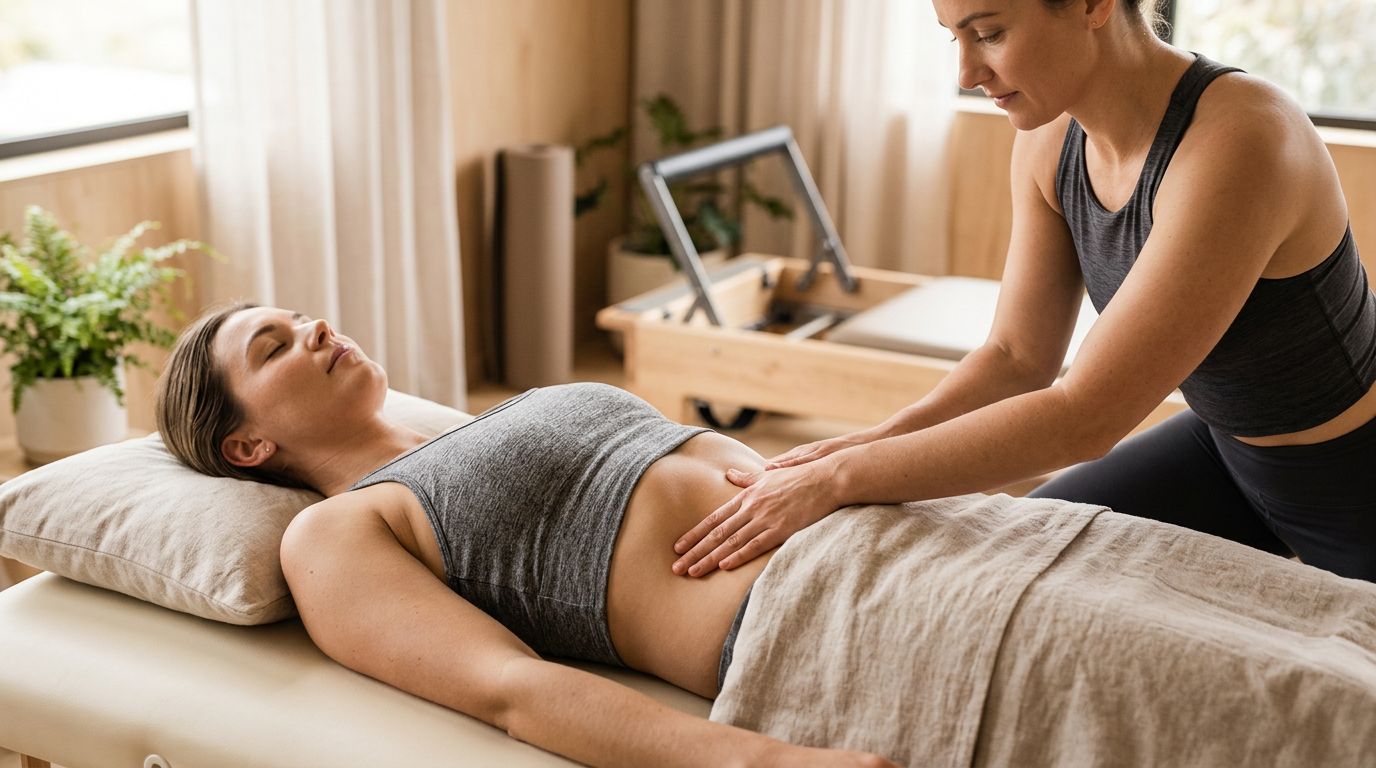
Pilates can leave your core feeling strong, stable, and a little locked up. If the front of your abdomen feels tight after class, you may be holding tension in the rectus abdominis , the long muscle that runs down the front of your stomach. That tight, braced feeling often sho...
By STILL Massage + Skin May 28, 2026
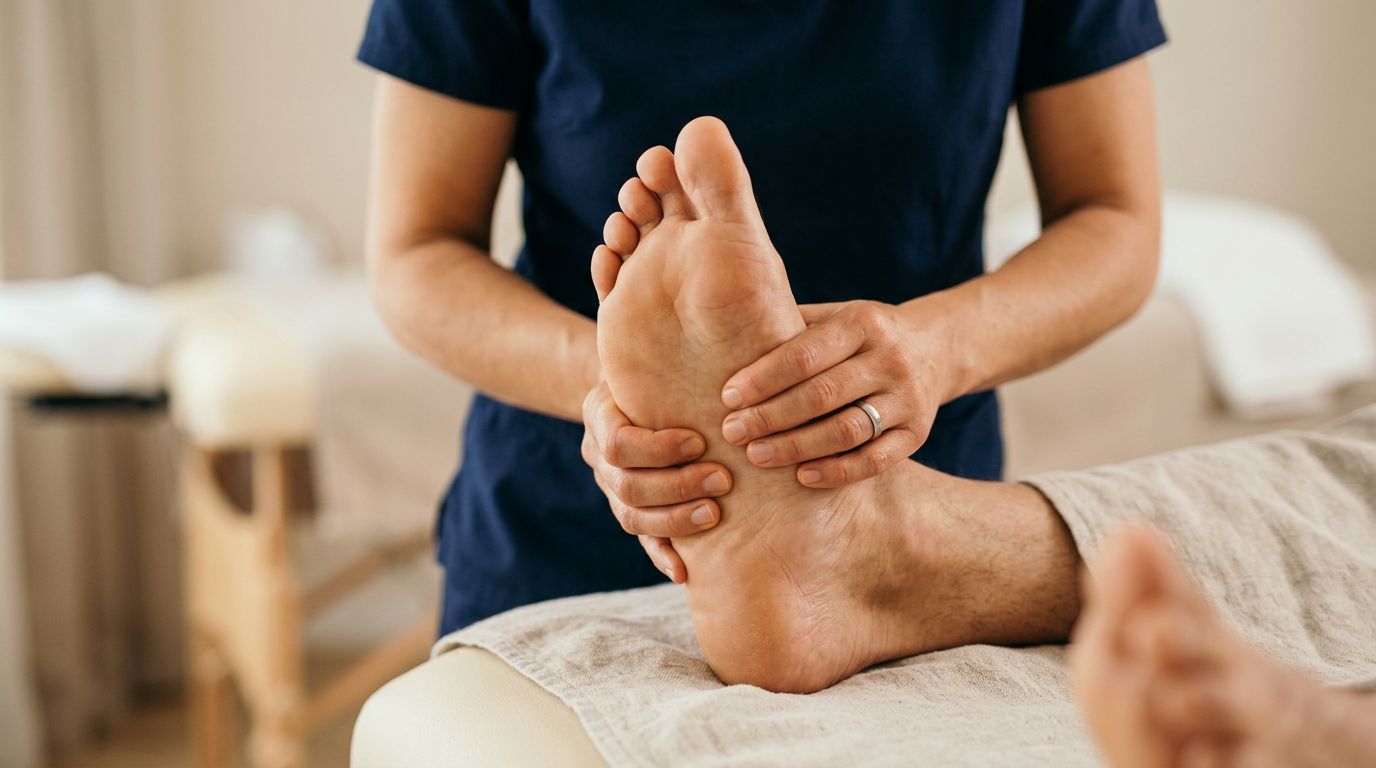
Ball of foot pain can turn an easy walk into a careful shuffle. If the ache sits under the front of your foot, the flexor digitorum brevis may be part of the problem. This small muscle helps bend your toes and support the arch. When it gets tight, irritated, or overworked, eve...
By STILL Massage + Skin May 27, 2026
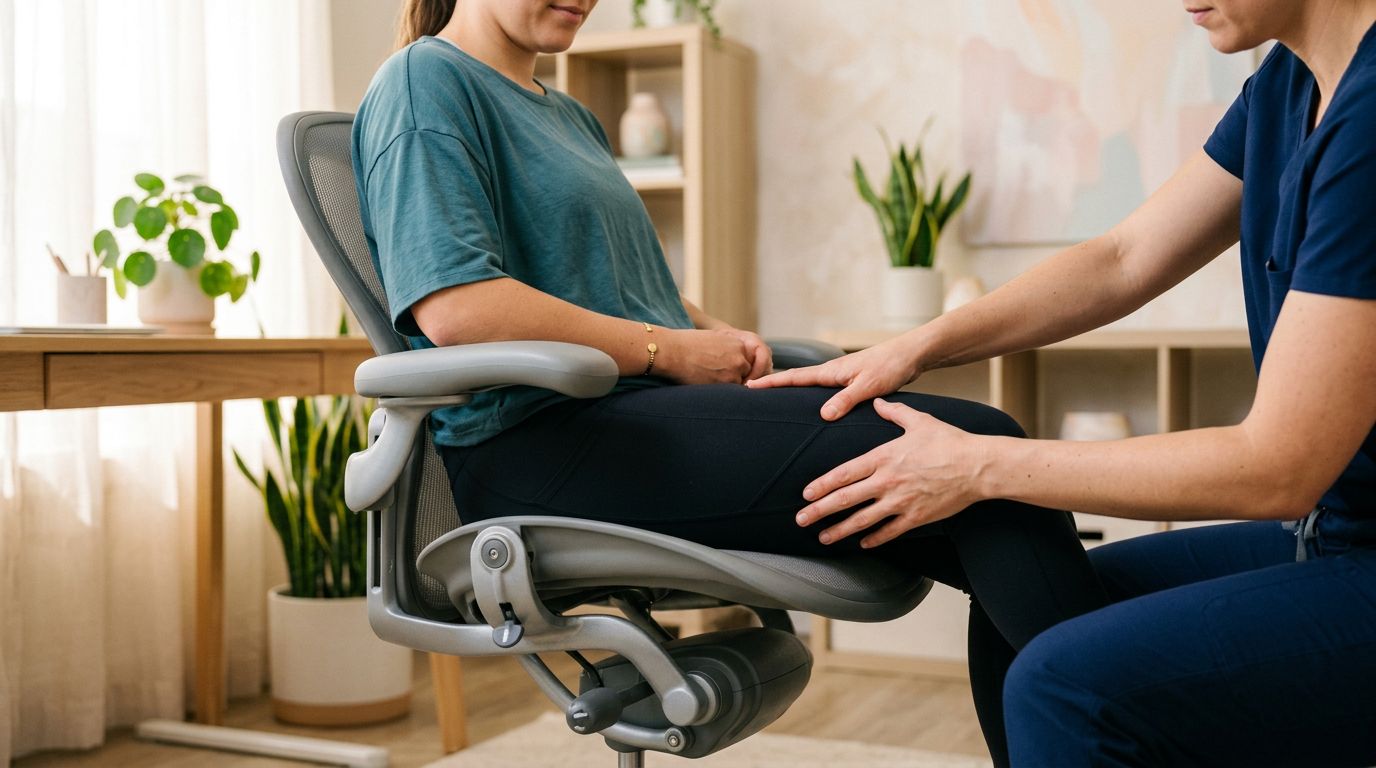
Hours in a chair can leave your hips feeling like they forgot how to open. When the discomfort sits deep in the front of the hip, stretching harder usually makes it worse, not better. That tight, stuck feeling often points to the iliacus, a deep hip flexor that works every tim...

By STILL Massage + Skin May 26, 2026
One afternoon in the yard can leave your low back feeling twisted, locked, and irritated on just one side. That kind of pain often shows up after repeated bending, lifting, raking, or hauling bags of mulch. A multifidus massage can help when the tightness comes from deep spina...
By STILL Massage + Skin May 25, 2026
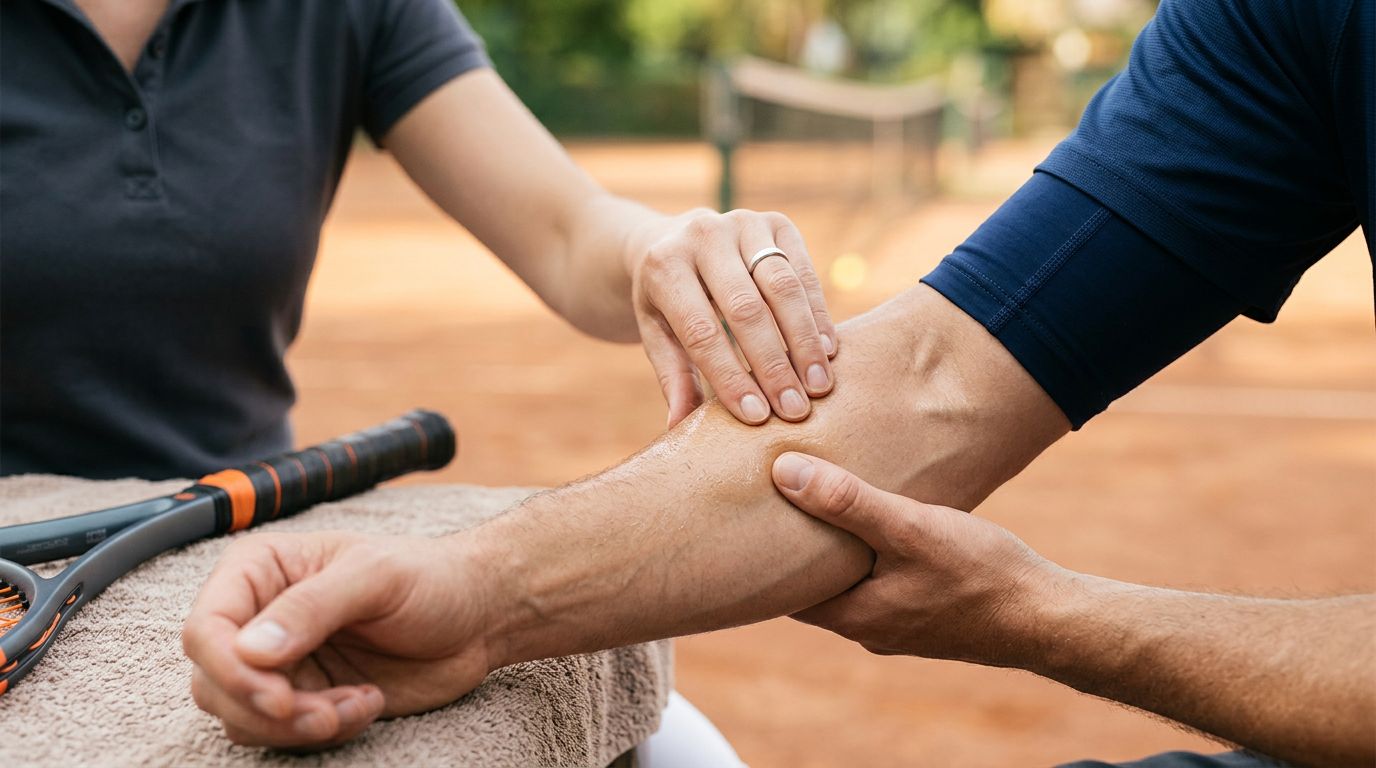
A tight outer forearm after tennis, pickleball, squash, or badminton can make even simple things feel awkward. Turning a door handle, holding a coffee cup, or picking up your racquet can all pull on the same sore spot. The supinator massage approach focuses on a small muscle t...
By STILL Massage + Skin May 24, 2026
Chronic tension can feel small at first, then it spreads into your neck, shoulders, back, jaw, or hips. That is why the choice between full-body massage and targeted work matters more than many people think. The best chronic tension massage is not always the strongest one. It...
Show More