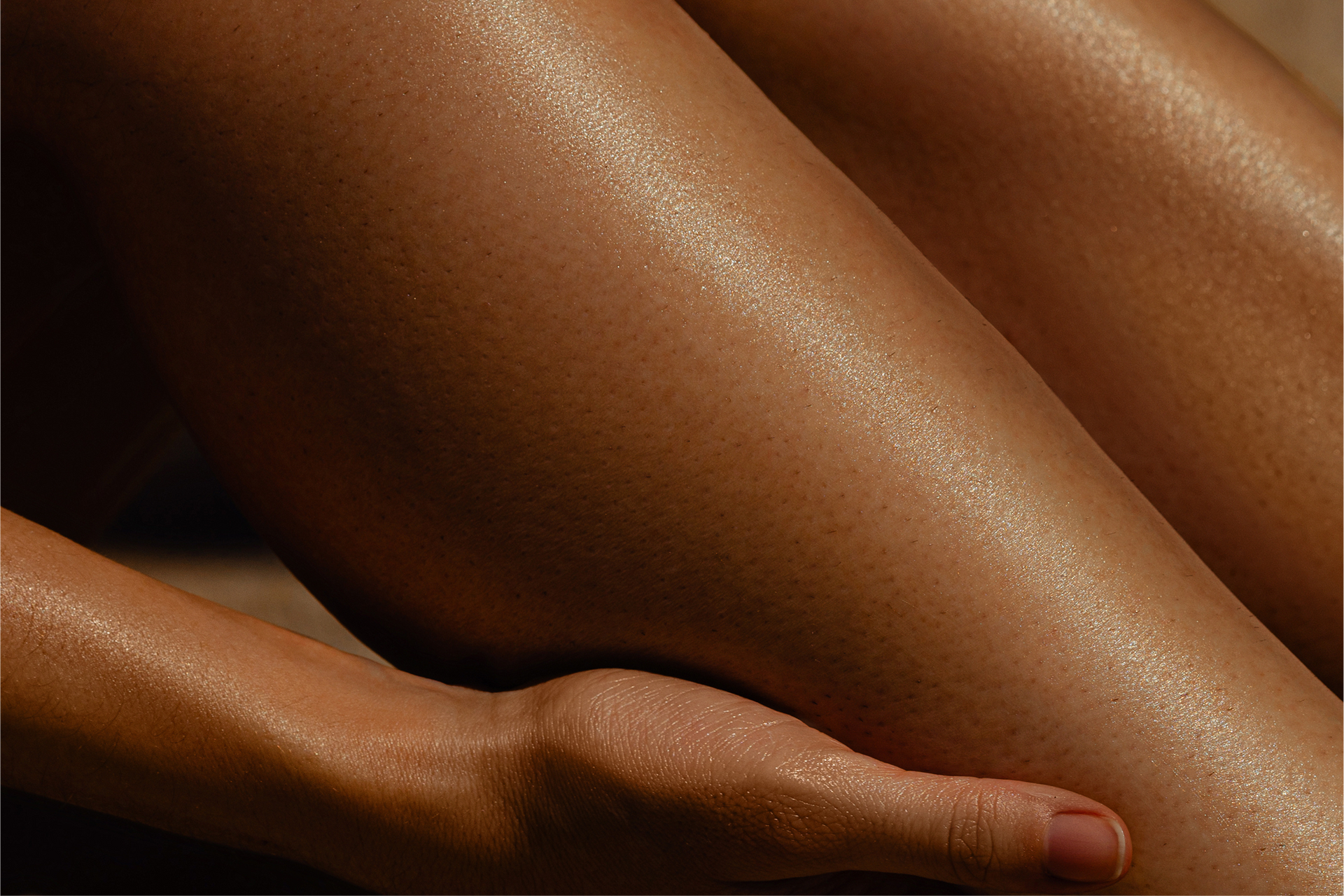

Adductor Massage For Groin Tightness After Pickleball
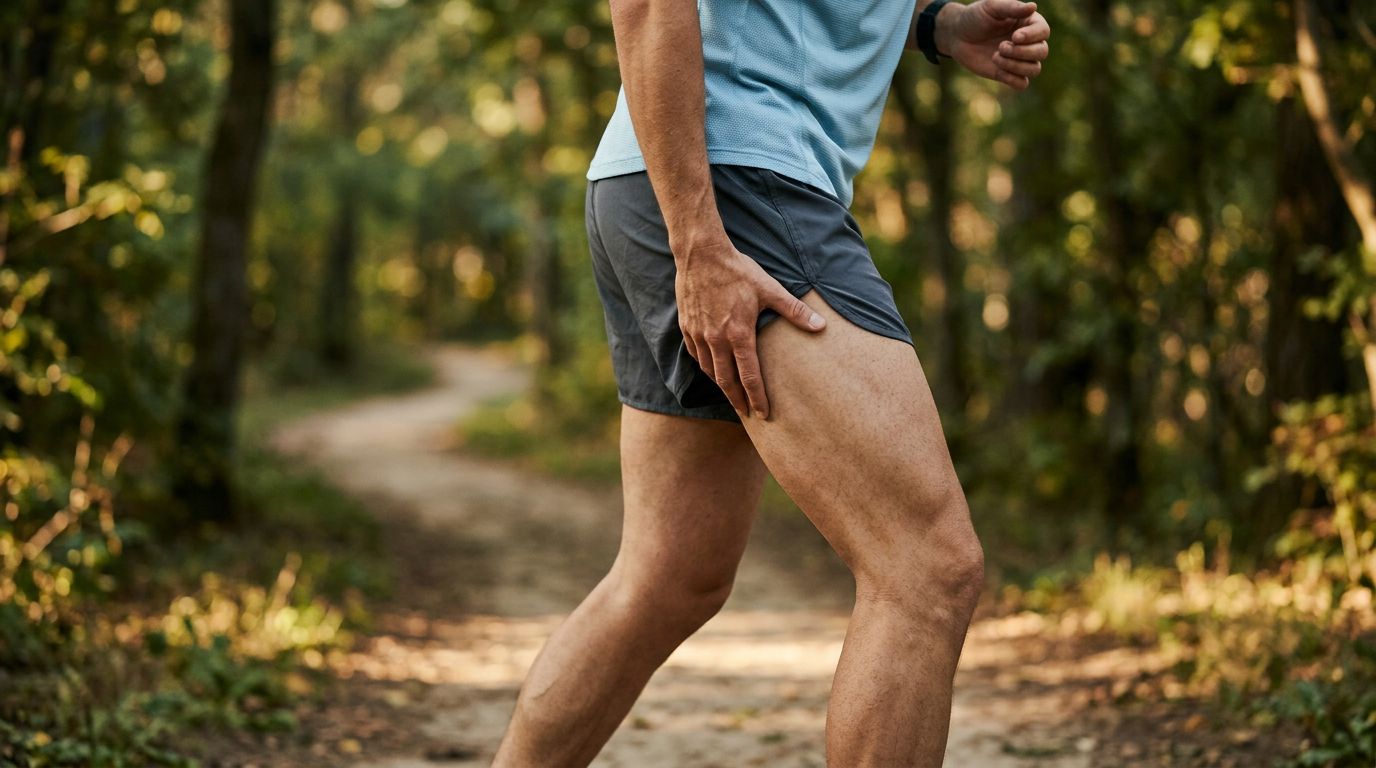
Finished a few pickleball games and now your inner thigh feels like a pulled rubber band? That stiff, grabby feeling often points to the adductors, the muscles along the inner thigh that help you push off, change direction, and stay balanced.
When the problem is mild muscle tightness, adductor massage can help calm the area and make movement feel easier. Still, not every sore groin needs massage. Sharp pain, bruising, or a sudden pop needs a closer look first.
Why pickleball can leave your groin feeling locked up
Pickleball looks simple until your body tallies the bill. Short sprints, quick pivots, low reaches, and wide lunges ask a lot from the hips and inner thighs. Your adductors work like guide ropes. They pull the leg inward, steady the pelvis, and help you brake when you move side to side.
That matters because pickleball is full of stop-and-go movement. You shuffle, plant, reach, then recover. After enough repeats, those inner-thigh muscles can stay switched on, even after the match ends. As a result, the groin starts to feel tight, sore, or tender the next day.
Recent 2026 reporting shows pickleball injuries keep rising as the sport grows. U.S. participation climbed from 3.5 million in 2019 to 19.8 million in 2024. Overuse injuries account for about 35% of reported injuries, and players who play three or more times a week have a higher injury risk. That pattern fits groin tightness well. It often builds over time instead of arriving in one dramatic moment.
Age and experience play a part, too. Many players are middle-aged or older, and newer players get hurt more often than seasoned ones. Usually, it's not because they're fragile. It's because they haven't yet built the strength, timing, and recovery habits that the sport demands.
So if your groin feels tight after pickleball, you're not imagining it. The sport asks for repeated side-to-side force, and the adductors often pay for it.
How adductor massage helps after pickleball
A good massage for groin tightness is less about "digging out knots" and more about helping the area stop guarding. Tight muscles often act like a clenched fist. The harder you attack them, the tighter they may hold.
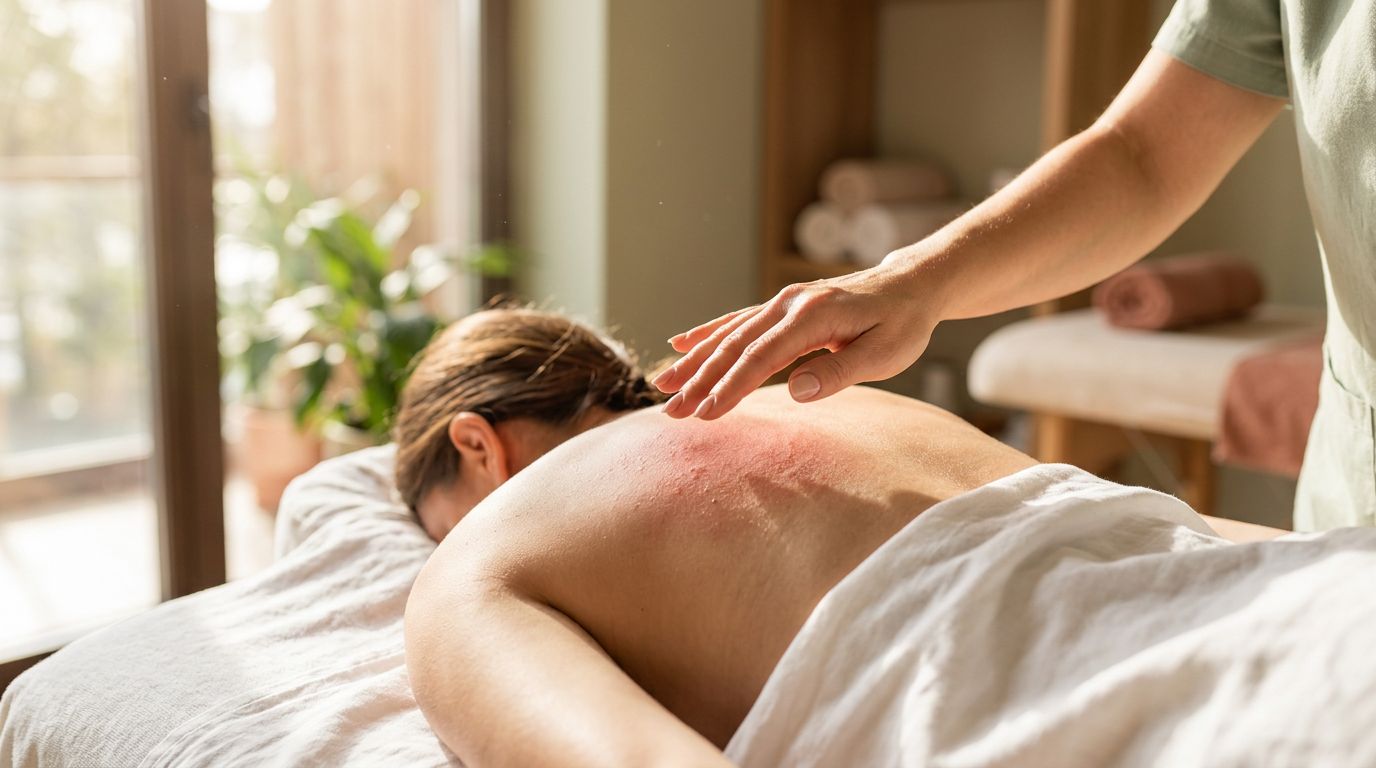
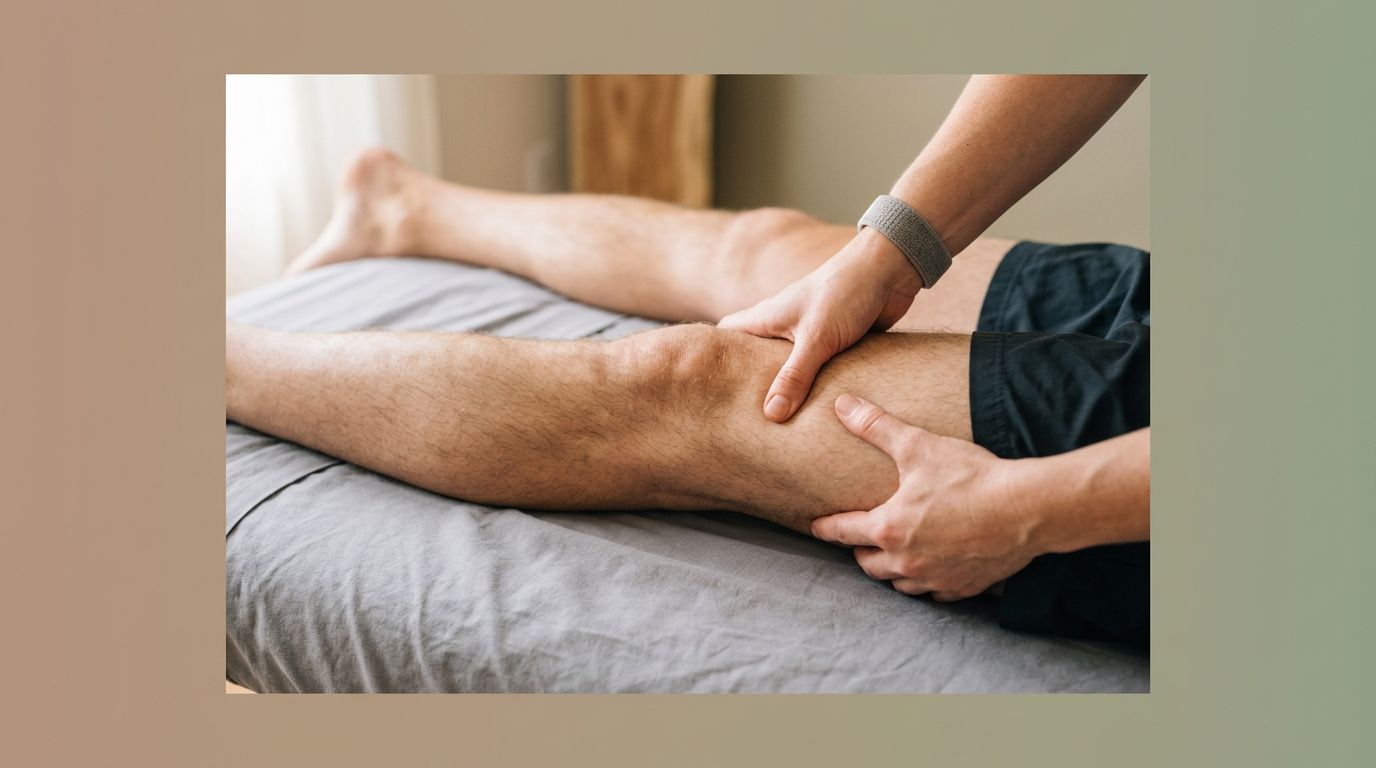
That's why smart adductor massage uses the right amount of pressure, not the most pressure. A therapist may work the inner thigh, but also the nearby muscles that affect it, such as the hip flexors, glutes, hamstrings, and outer hip. When those tissues loosen up, the groin often feels less trapped.
Massage may help in a few ways:
- It can reduce muscle tone and tension.
- It may improve local blood flow.
- It often makes walking, squatting, and lunging feel smoother.
- It can lower the "protective" tightness that shows up after hard play.
For many players, the biggest win is simple: less pulling with daily movement. Getting out of the car feels easier. Stairs feel less awkward. Your next warm-up doesn't feel like starting with the brakes on.
A helpful massage should leave the area calmer, not angrier.
Because the groin is a sensitive area, professional treatment should always include clear consent, proper draping, and plain communication. You should know what will be worked on and why. If a spot feels sharp or makes you tense up, say so right away. Good bodywork is a conversation, not a test of pain tolerance.
Also, massage is not a fix for every groin issue. If the tissue is badly strained, deep pressure too early can make things worse. In other words, timing matters just as much as technique.
Tightness or strain? Know when massage should wait
Mild tightness and a true strain can feel similar at first, but the recovery plan is not the same. This quick guide helps sort out the difference.
| Likely muscular tightness | Signs you need assessment first |
|---|---|
| Soreness after play or the next morning | A sudden pop during a lunge or split step |
| Stiffness that eases with light walking | Sharp pain with walking or lifting the leg |
| Mild tenderness in the inner thigh | Bruising, swelling, or marked tenderness |
| Pulling that improves with gentle heat or movement | Limping, weakness, or pain that keeps getting worse |
If your symptoms sit mostly in the left column, massage may be a good fit. If they lean toward the right, press pause and get checked by a doctor or physical therapist first. Adductor strains and even adductor magnus tears can happen in court sports, including pickleball.
Sharp pain needs assessment, not deeper pressure.
A simple rule helps here. If the area feels stiff but usable, conservative care often works well. If the leg feels unstable, weak, or sharply painful, don't try to "work it out."
How to make the relief last after your session
Massage works best when it's part of a bigger recovery plan. If you go straight from the table to hard court movement, the tightness often returns fast.
Start with easy motion later that day. A short walk is enough. Gentle movement tells the nervous system that the area is safe, and that can help the muscle stay relaxed.
The next day, add a few low-stress moves:
- Rock side to side in a shallow stance for one minute.
- Do a light adductor squeeze with a pillow or ball between the knees.
- Try a supported lateral lunge without pushing into pain.
Keep the effort low. This is not the time for aggressive stretching. In fact, yanking on a sore groin can backfire, especially if the tissue is already irritated.
Warm-ups matter just as much as recovery. Before you play, spend five to seven minutes getting the hips and core awake. Marching, leg swings, mini squats, and side steps with control usually help more than static stretching alone.
Training habits count, too. If you're new to the sport, avoid jumping from one casual game a week to four. The body likes steady progress. Add court time slowly, and your adductors will have a better chance to keep up.
Groin tightness after pickleball can feel small at first, like a whisper. Ignore it long enough, and it starts shouting. The good news is that adductor massage can be a useful part of recovery when the issue is muscle tension, not a fresh injury. Pair it with smart warm-ups, gradual play, and a little strength work, and your inner thighs have a much better shot at staying loose for the next match.
Recent Posts