Soleus Massage for Deep Calf Tightness: What It Feels Like
A tight calf can feel like a knot that never lets go. If the ache sits deep, low, and stubborn, the soleus massage you need may be different from a basic calf rub.
That deep calf muscle works every time you walk, stand, climb stairs, or push off the ground. So when it tightens up, your ankle can feel stiff, your stride can shorten, and even your feet may start to complain.
Knowing what to expect makes the session feel less intimidating and a lot more useful.
Why the Soleus Gets Tight So Easily
The soleus sits underneath the larger calf muscle, the gastrocnemius. Because it's deeper, it often gets missed. Yet it does a huge amount of work.
Unlike the more visible calf muscle, the soleus stays active for long stretches. It helps control your ankle when you walk. It also supports you when you stand for hours. That means desk workers, runners, servers, gym-goers, and people in supportive shoes can all end up with the same problem, deep calf tension.
When the soleus tightens, the feeling isn't always sharp. Often, it's more like a heavy, dense ache. You may notice:
- stiffness near the lower calf
- soreness when walking uphill or downstairs
- a pulling feeling at the ankle
- tightness that doesn't improve much with simple stretching
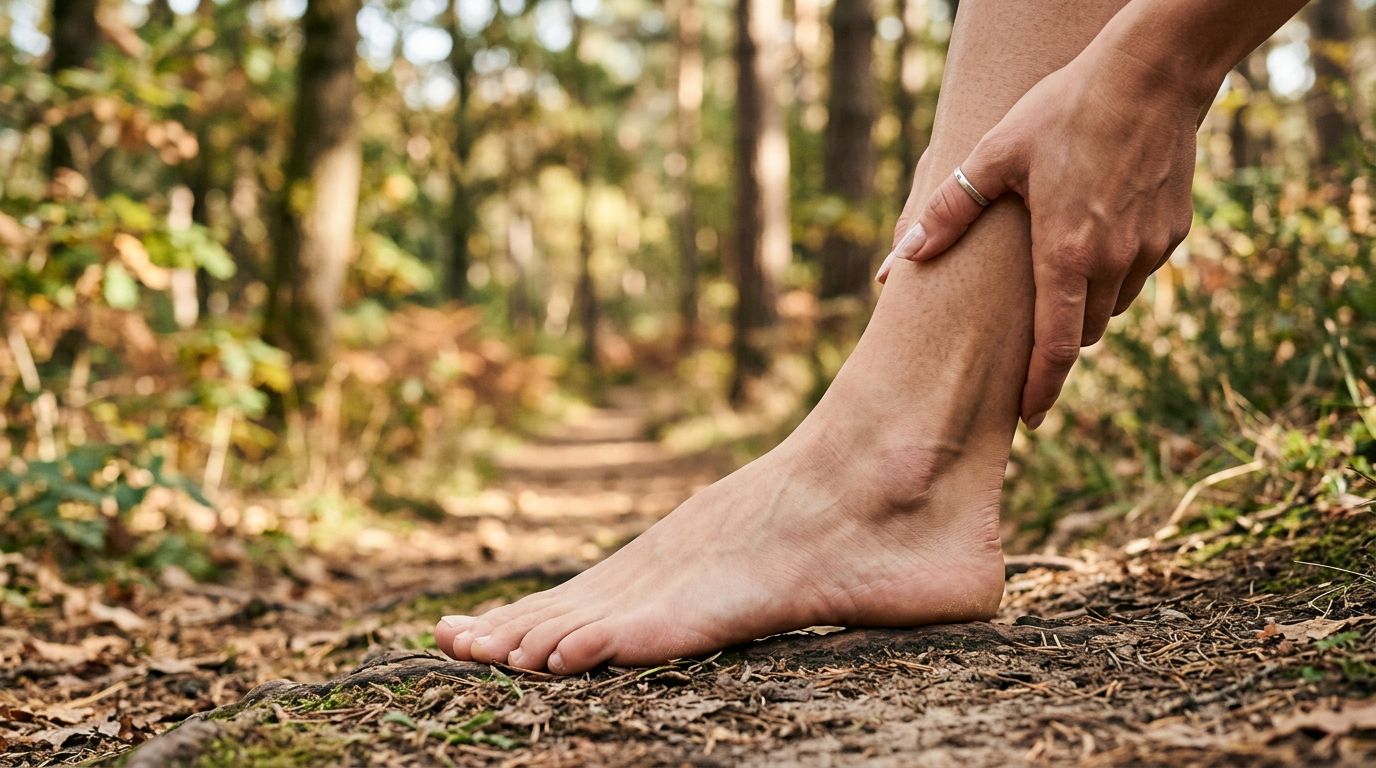
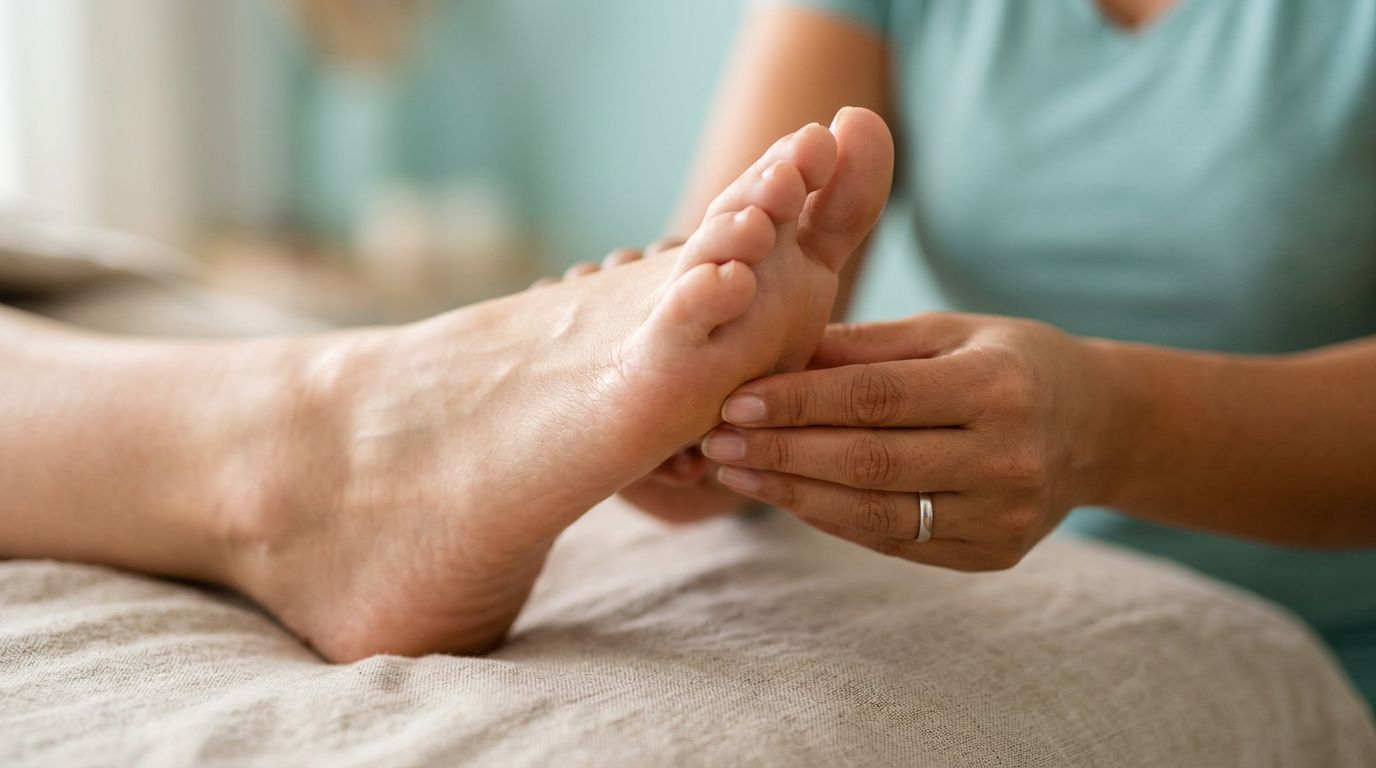
Because the soleus crosses the ankle and works closely with the foot, tightness can also feed into heel pain and foot fatigue. In other words, that "just a tight calf" feeling can ripple farther than you expect.
A good soleus massage targets that deeper layer without turning the session into a pain contest.
Deep pressure isn't the goal. Useful pressure is.
What Happens Before a Soleus Massage Starts
A skilled therapist usually begins with a few questions. Where do you feel the tightness? Does it show up after workouts, long shifts, or first thing in the morning? Does ankle movement feel limited?
Next, they'll often look at how the calf responds to touch and movement. Since the soleus sits deep, the therapist may bend your knee while checking the area. That matters because the soleus becomes easier to reach when the knee is bent, while the larger upper calf muscle relaxes a bit.
This early part of the session helps narrow down the source of the tension. Sometimes the lower leg feels tight because of the soleus. Other times, the Achilles tendon, plantar fascia, or the outer calf tissues also play a role.
What Soleus Massage Feels Like During the Session
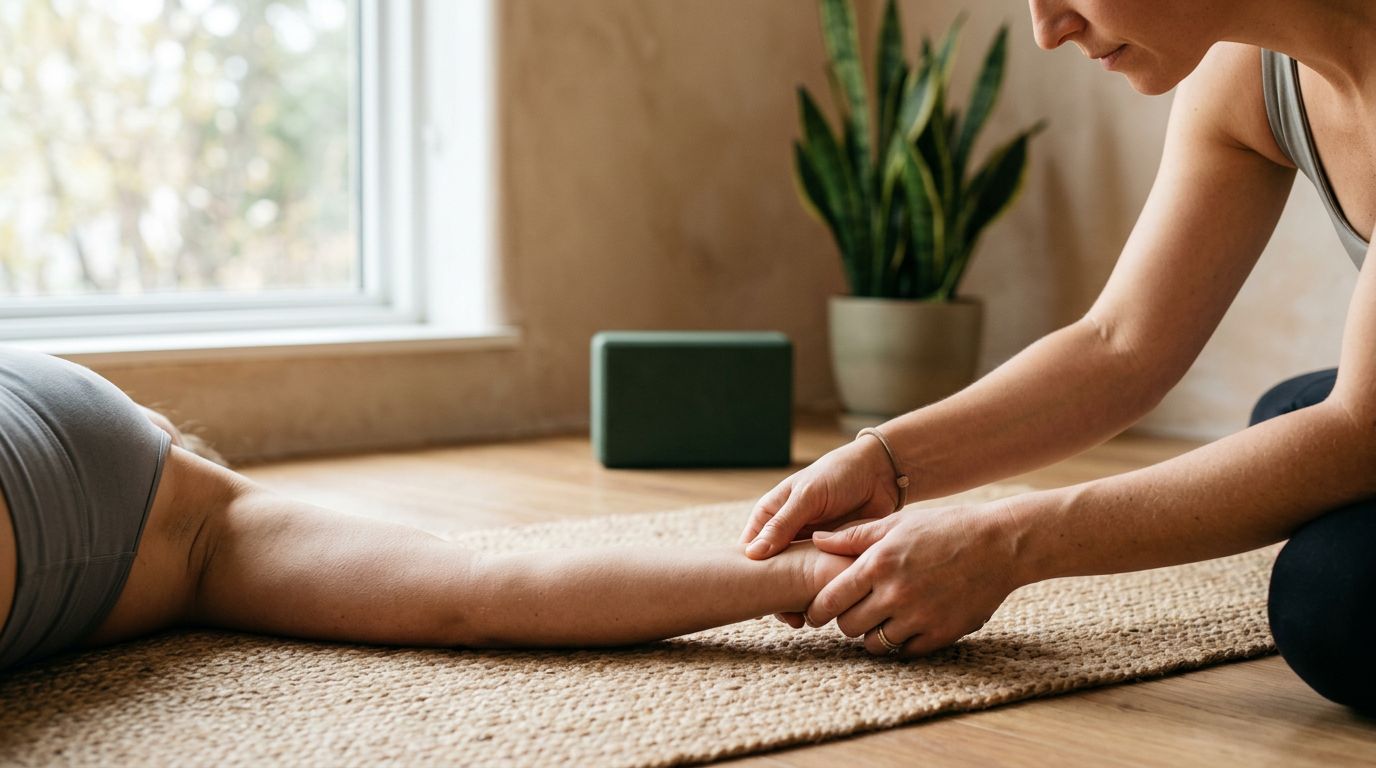
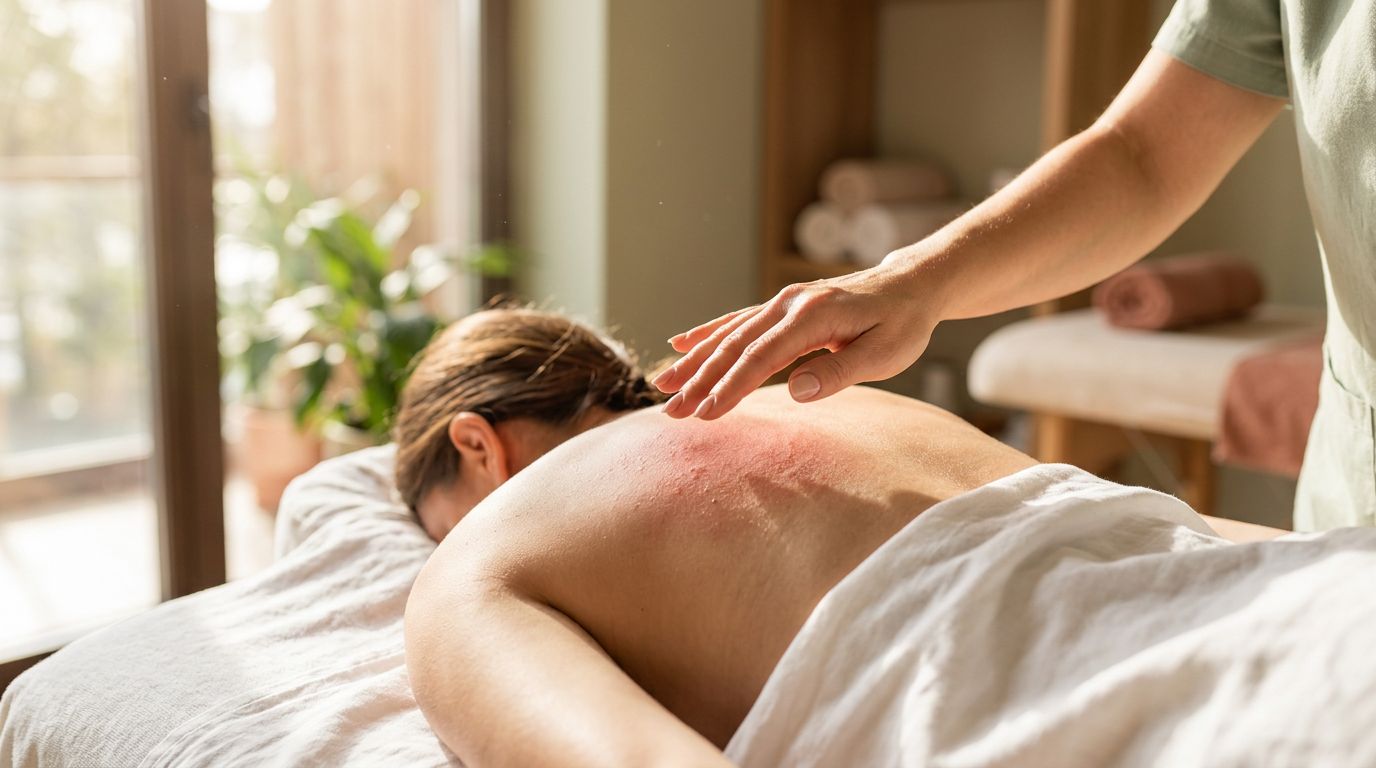
Once the work begins, don't expect random rubbing. A focused soleus massage often uses slow, steady pressure through the lower and mid-calf. The therapist may use thumbs, knuckles, forearms, or supported fingers, depending on your tissue and comfort.
Because the muscle is deep, the pressure can feel intense. Still, intense doesn't mean harsh. You should feel that the therapist is sinking into the right spot, not scraping across your skin or forcing through the muscle.
At certain points, you may notice a "good hurt." That's the kind of pressure that feels tender yet relieving, like someone finally found the hidden knot. You might also feel referral sensations into the ankle or foot. That's common when deep calf tissue has been tense for a while.
Breathing helps more than most people think. If you hold your breath, the calf often braces. When you exhale, the tissue tends to soften, and the work becomes more effective.
Some sessions also pair massage with movement. For example, the therapist may press into the soleus while gently moving your ankle. That can help the muscle let go in a more complete way.
A focused session may include nearby areas too, such as:
- the Achilles region
- the upper calf
- the shin muscles
- the bottom of the foot
That broader approach often makes sense because the lower leg works like a team. If one part grips, another part usually compensates.
The Difference Between Helpful Pressure and Too Much
People often assume deeper is better. That's not always true.
If the pressure makes you tense up, pull away, or feel sharp pain, it's too much. Your body won't relax into the work if it thinks it's under attack. On the other hand, pressure that feels steady, tolerable, and targeted can help the soleus release without causing a flare-up.
A good therapist adjusts as they go. They may start broad, then narrow in. They may also pause on tender points, then ease off before the muscle fights back.
That balance matters, especially with chronic calf tightness. Tissue that has been guarded for months often responds better to patient, layered work than brute force.
What You May Feel Right After the Massage
Most people notice the calf feels lighter, warmer, or less dense after the session. Ankle motion may feel easier too. Walking can feel smoother, as if the lower leg suddenly has more spring.
Still, some post-massage soreness is normal. Think of it like the feeling after a solid workout, not a fresh injury. Mild tenderness can last a day or two, especially if the calf was extremely tight before treatment.
You may also feel:
- less pulling near the heel
- easier squatting with heels down
- less cramping at night
- better comfort after standing
Drink water if that helps you feel better, but don't expect water alone to "flush out" the soreness. Time, gentle movement, and light stretching usually help more.
When Deep Calf Tightness Needs Extra Care
Massage can help a lot, but some calf pain needs medical attention first.
Get checked promptly if you have sudden swelling, heat, redness, severe pain, or calf pain after an injury. The same goes for numbness, marked weakness, or pain that keeps getting worse.
If you've had the tightness for a long time, massage still may help, but it may not be a one-session fix. Chronic patterns often involve footwear, training load, posture, ankle mobility, or time spent on your feet. In that case, relief builds faster when hands-on work is paired with better daily habits.
How to Make the Results Last Longer
The hours after a soleus massage matter. If you jump straight into hard runs, long shifts, or heavy leg work, the calf may tighten up again fast.
Instead, give the area a better chance to settle. Short walks help. Gentle ankle motion helps too. A bent-knee calf stretch can be useful because it targets the soleus more directly than a straight-knee stretch.
Warmth often feels good later that day. So does taking breaks from long periods of sitting or standing. If tight calves are a repeat issue, regular bodywork can help keep the muscle from returning to that hard, ropey state.
Consistency usually beats intensity. A few smart changes often do more than one overly aggressive session.
Deep calf tightness can make every step feel heavier than it should. The good news is that a well-done soleus massage can ease that dense, low calf tension and help you move with less strain.
If your calf keeps acting like a knot that won't let go, targeted work may be the missing piece.
Pay attention to how your body responds, and don't ignore a stubborn lower leg that keeps asking for help.
Recent Posts