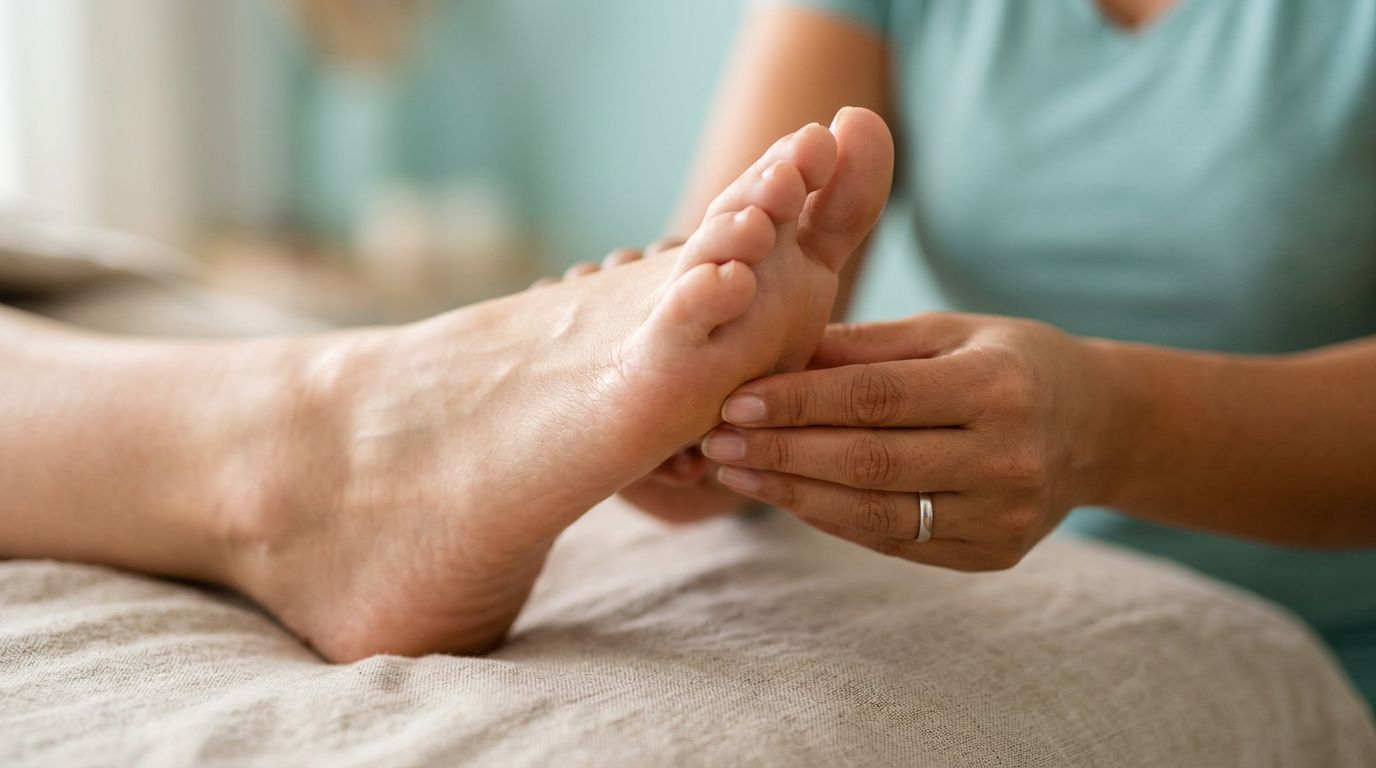
Outer foot pain can make every step feel off. Sometimes the ache sits near the little toe, along the edge of the sole, or just behind the pinky side of the foot. When that pain keeps showing up, abductor digiti minimi massage may help ease tight tissue and reduce that nagging...

A tight inner hamstring after running can make every step feel guarded and awkward. The semitendinosus is often part of that ache, especially after hills, faster pacing, or a sudden jump in mileage. A smart semitendinosus massage can help the muscle settle down without turning...
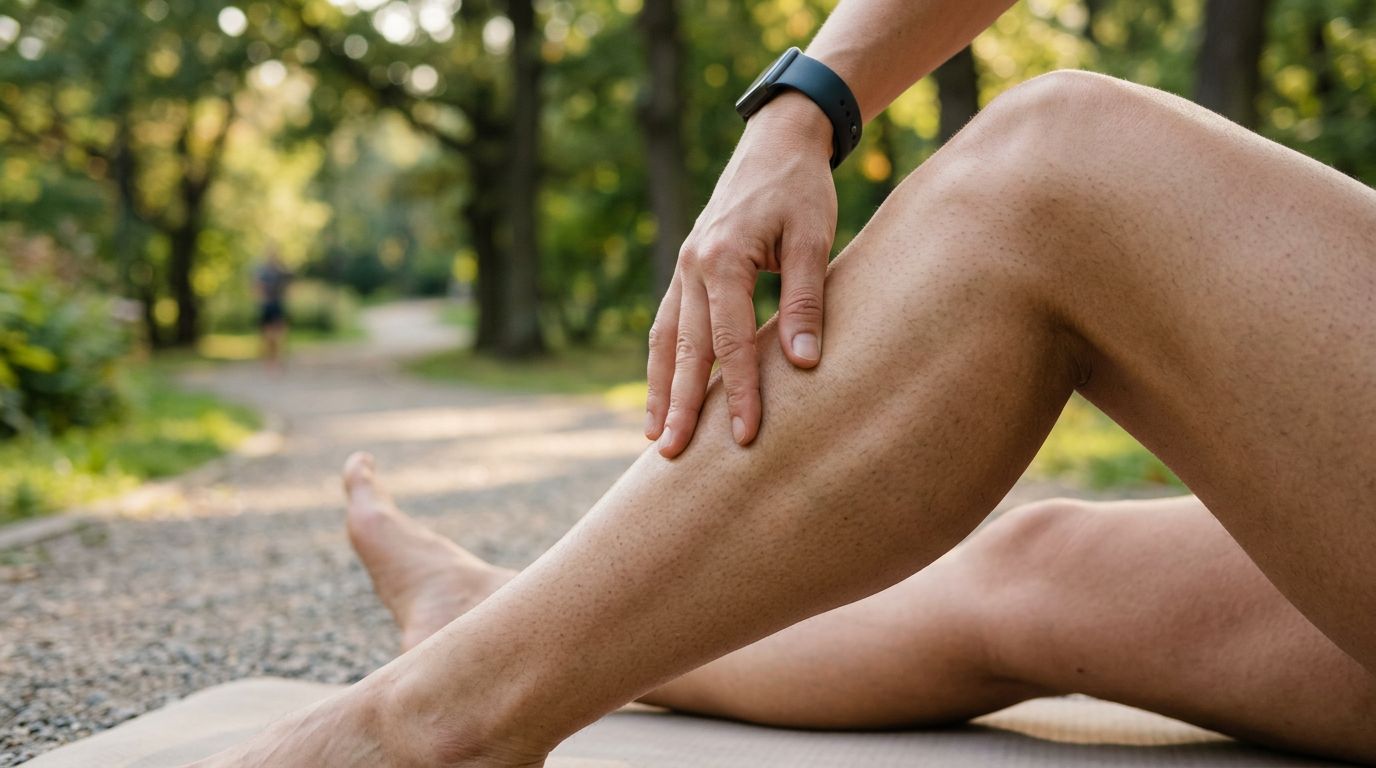
Fast walking can wake up muscles you barely notice during an easy stroll. When the front of your shin feels sore afterward, a careful tibialis anterior massage can help the area relax and recover. That ache often comes from overworked muscle tissue, but sometimes it points to...
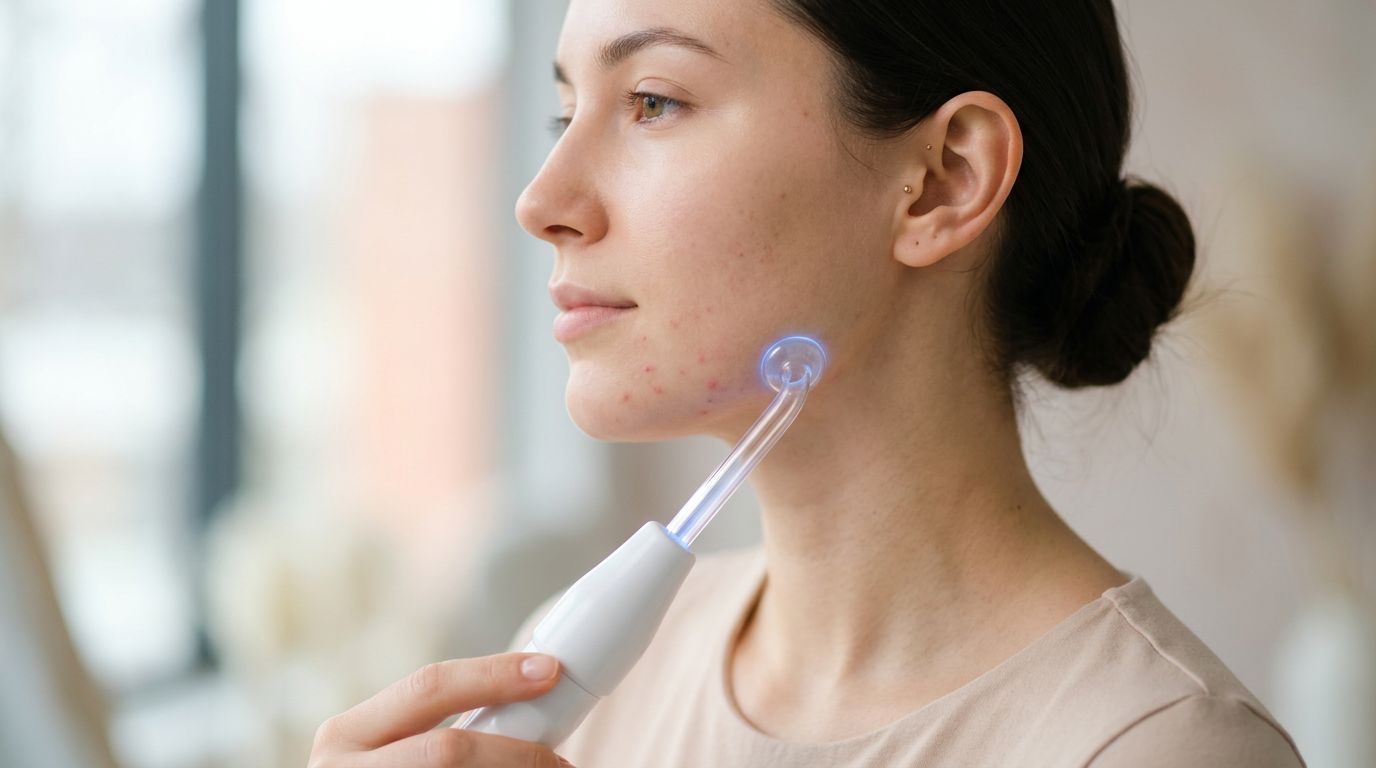
Jawline breakouts have a way of sticking around after the rest of your skin settles down. A high-frequency facial for hormonal acne can be a smart option when you want to calm active blemishes without harsh scrubbing or heavy products. Hormonal acne is stubborn because it ofte...
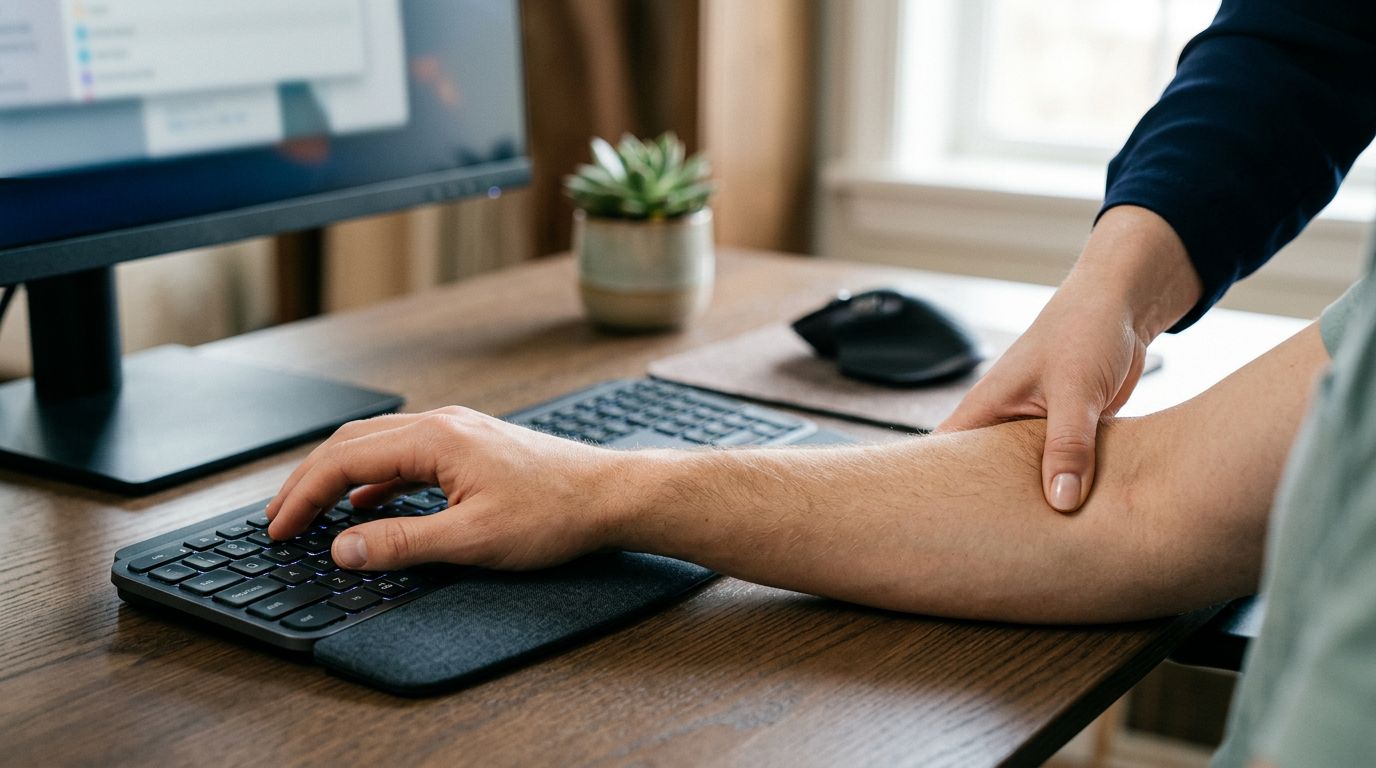
Typing all day can leave your forearm feeling like it has been worked with a dull tool. The ache may sit near the outside of the elbow, travel down the top of the forearm, or show up after a long stretch at the computer. A gentle radial tunnel massage can help when tight muscl...

Wrist soreness after yoga often starts in the forearm, not the joint itself. The flexor carpi radialis helps bend and steady the wrist, so poses like downward dog, plank, and low push-up can make it work overtime. When that muscle gets irritated, the ache can feel like tightne...

Dull skin can make your face look tired, even when you feel fine. If makeup clings to rough spots or your skin never looks quite bright, microdermabrasion for dull skin may be the reset you need. This treatment helps lift away buildup that sits on the surface and keeps skin lo...
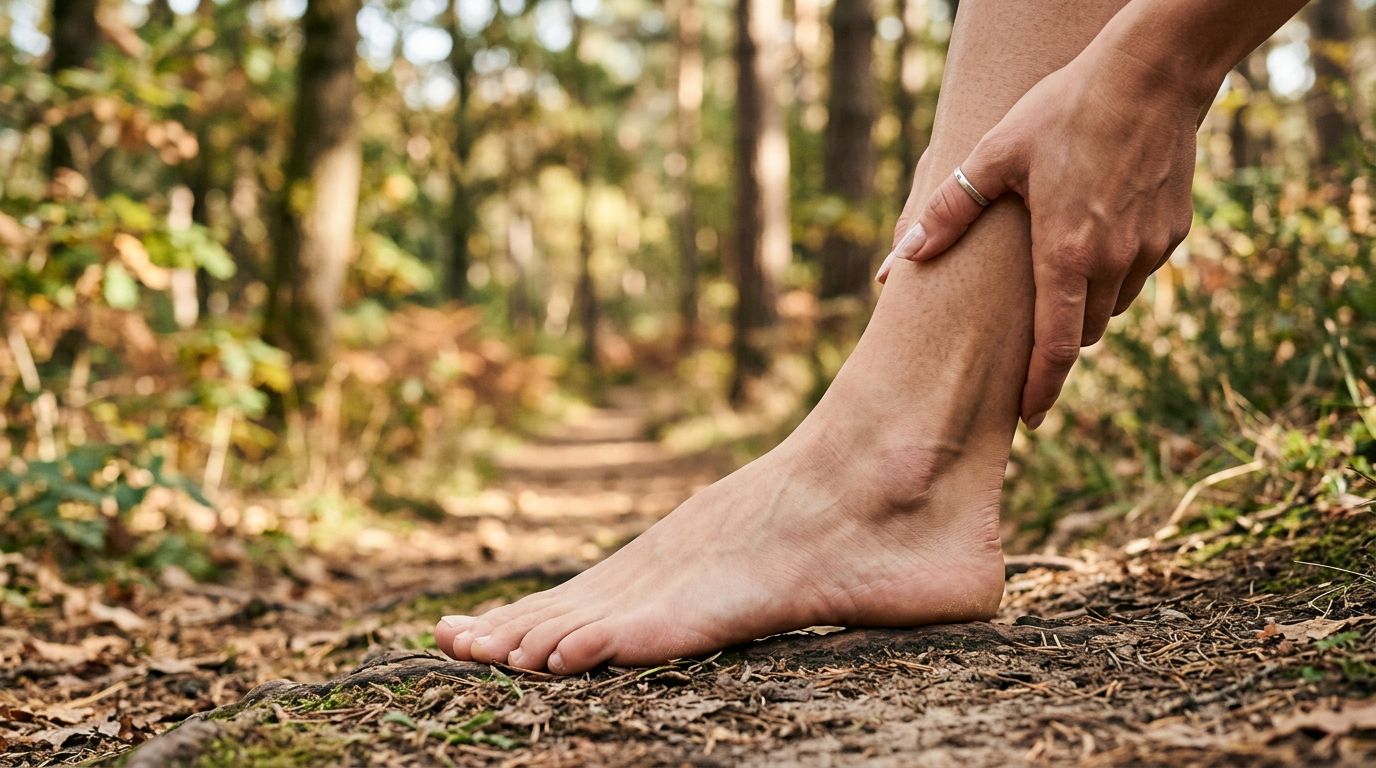
Toe cramps after a long walk can stop you in your tracks. One minute you're enjoying the pace, the next your toes lock up and refuse to relax. When that happens, flexor digitorum longus massage can ease the deep tension that runs through the foot and lower leg. This muscle hel...

Sun spots, dull patches, and rough texture can make skin look older than it feels. A chemical peel for sun damage can help soften that look by lifting away damaged surface cells. The experience is usually more manageable than people expect, but the details matter. When you kno...
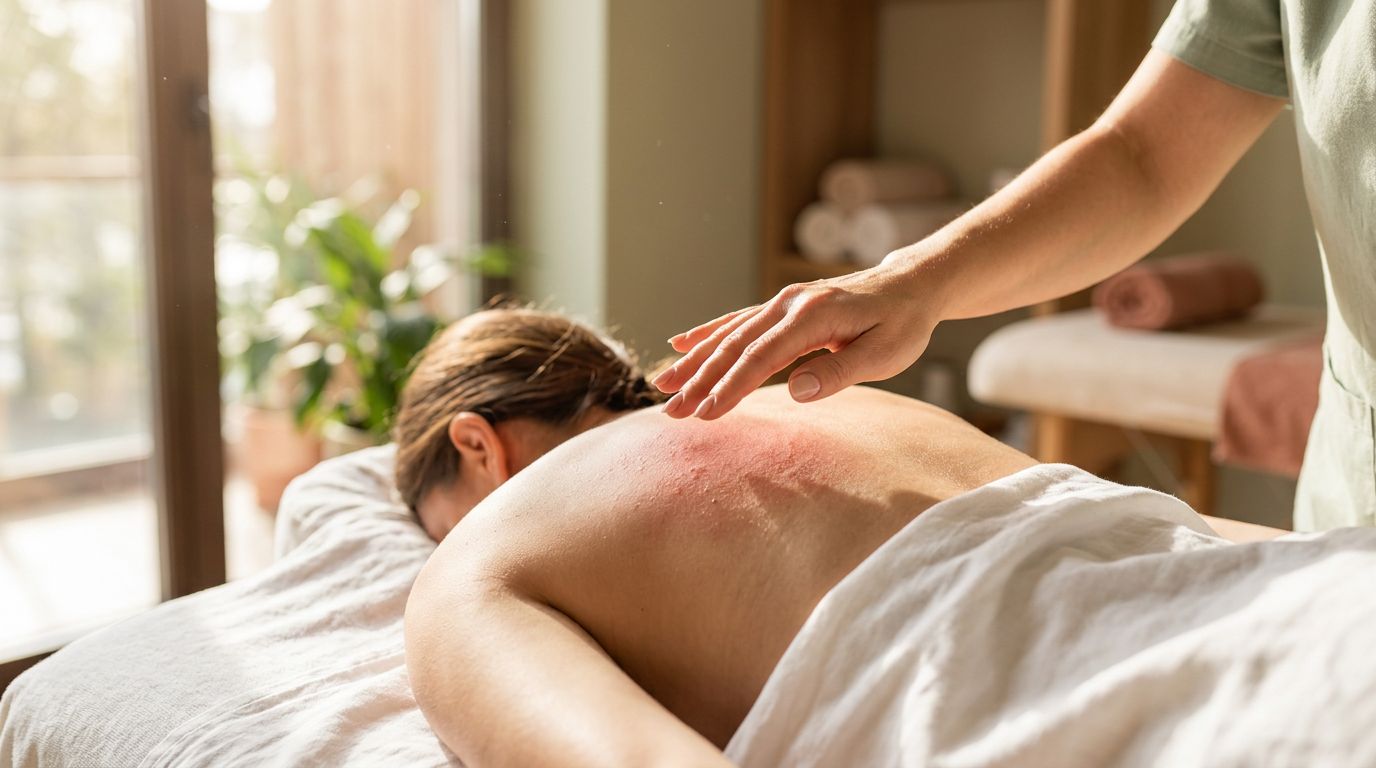
A sunburn can turn a relaxing massage into a sharp, uncomfortable experience. If your skin feels hot, tender, or tight, massage sunburned skin is usually a bad idea. The pressure, heat, and friction can make the burn sting more. It can also leave you feeling more sore afterwar...