Posterior Tibialis Massage For Inner Ankle Pain What To Expect
Inner ankle pain strikes when you least expect it. You step off a curb or finish a walk, and a sharp ache flares up along the inside of your ankle. That discomfort often ties back to the posterior tibialis muscle , a key player in foot stability.
This muscle runs down the back of your lower leg and supports your arch. When it tightens or gets inflamed, pain spreads to the inner ankle. Many runners, hikers, or even daily walkers face this issue. Luckily, posterior tibialis massage offers real relief.
Keep reading to learn what causes the pain, how massage helps, and exactly what your session feels like. You'll walk away ready to book relief.
Understanding the Posterior Tibialis Muscle
The posterior tibialis muscle sits deep in your calf. It starts behind the shinbone and wraps under your foot. This muscle lifts your arch and turns your foot inward with each step.
Picture it as a support beam for your foot. Without it working right, your arch flattens, and pain builds. Overuse from running on uneven ground often strains it. Flat feet or tight calves make matters worse.
Inflammation here, called posterior tibial tendonitis, causes that nagging inner ankle ache. You might notice swelling or weakness too. Early signs include pain after activity that lingers.
Therapists target this spot because it responds well to hands-on care. Regular work loosens the tissue and boosts blood flow. As a result, you move easier.
Common Causes of Inner Ankle Pain from This Muscle
Tight shoes squeeze the tendon first. Then, sudden increases in activity overload it. Runners who skip rest days feel it most.
Weak arches contribute too. If your feet roll inward, the muscle works overtime. Old injuries or poor posture add stress over time.
Daily habits play a role. Standing on hard floors for hours tires it out. Excess weight puts more pressure on the ankle.
Spot the pain early. It starts dull but sharpens with use. Walking downstairs often hurts worst.
Ignore it, and the tendon weakens further. Pain spreads up the calf or into the arch. Massage steps in here to break the cycle.
Key Benefits of Posterior Tibialis Massage
Massage eases tension in the muscle fibers. It breaks up knots that cause pain. Blood rushes in, carrying oxygen and nutrients.
You gain better flexibility fast. The tendon glides smoother, so steps feel natural again. Inflammation drops, reducing swelling around the ankle.
Strength returns over sessions. The muscle supports your arch better. This prevents future flare-ups.
Clients report less pain in days. One session cuts discomfort by half for many. Combine it with stretches for lasting results.
Professional hands reach deep. They find spots you miss at home. That's why spa care shines.
Preparing for Your Posterior Tibialis Massage Session
Arrive hydrated and rested. Wear loose pants for easy access to your calf. Share your pain history with your therapist.
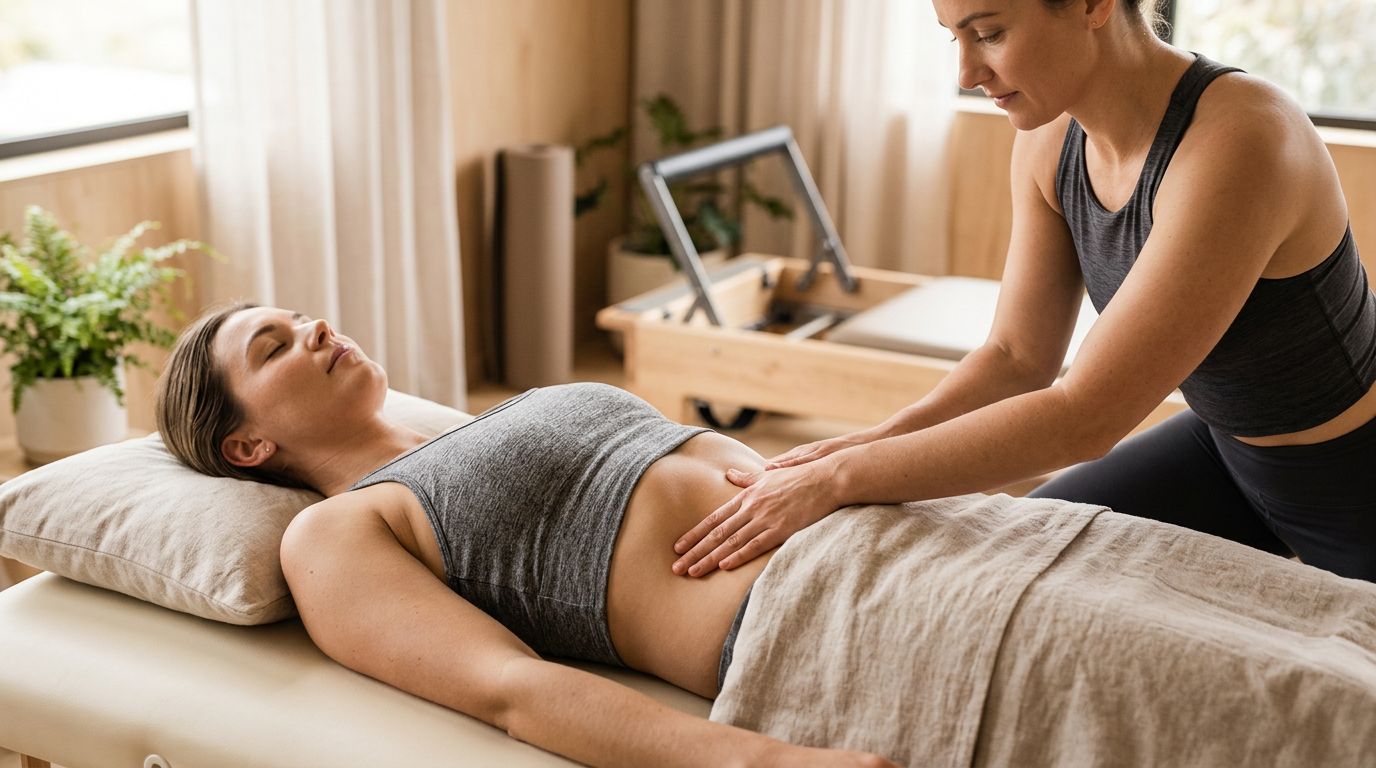
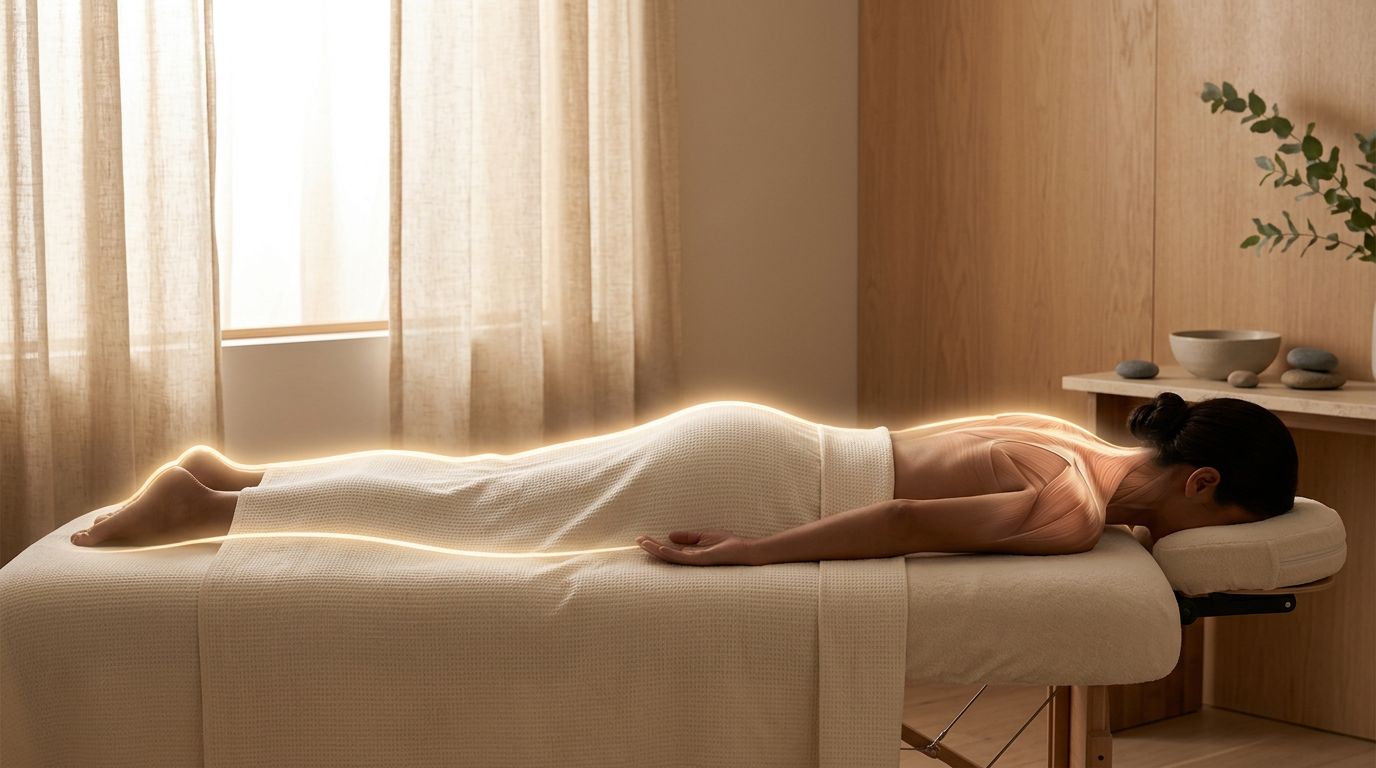
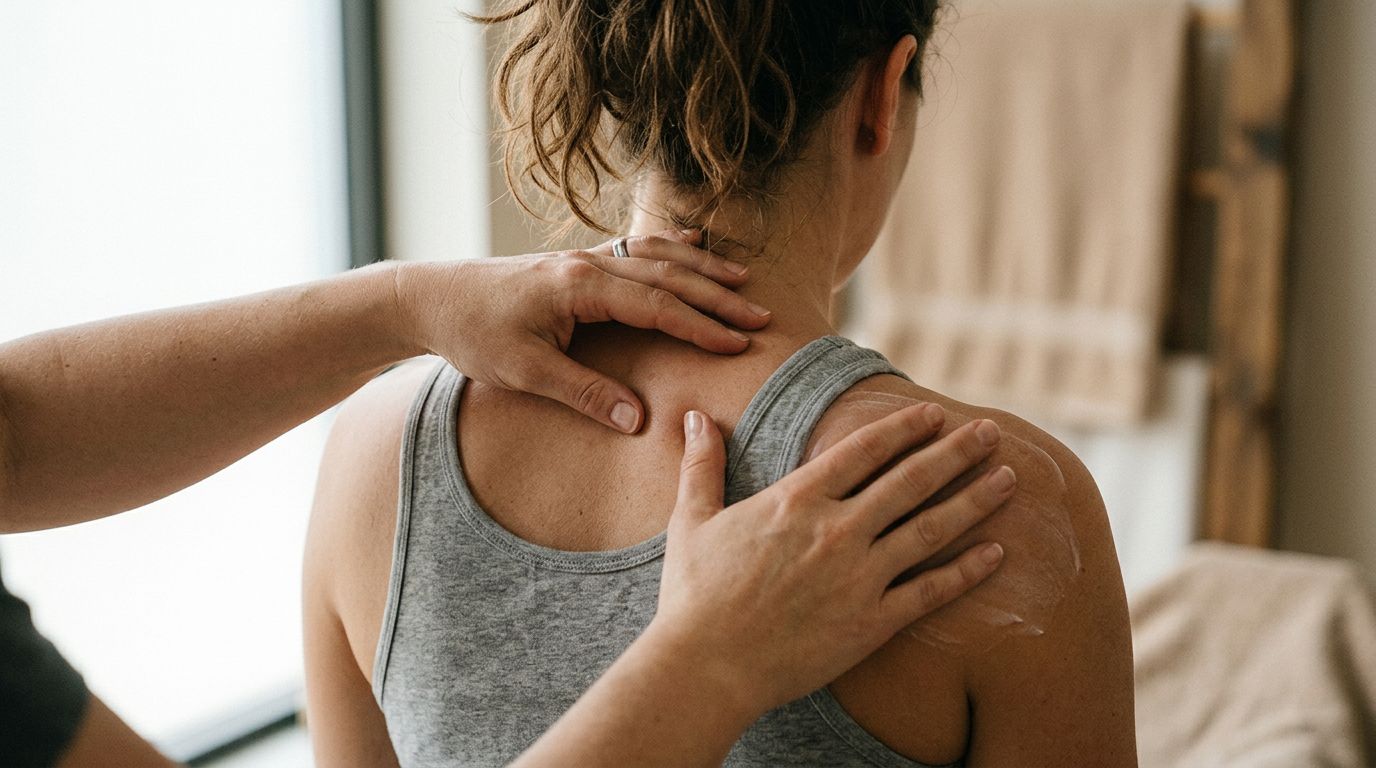
Expect a quiet room with soft lighting. You'll lie face down on a padded table. A sheet covers you for comfort.
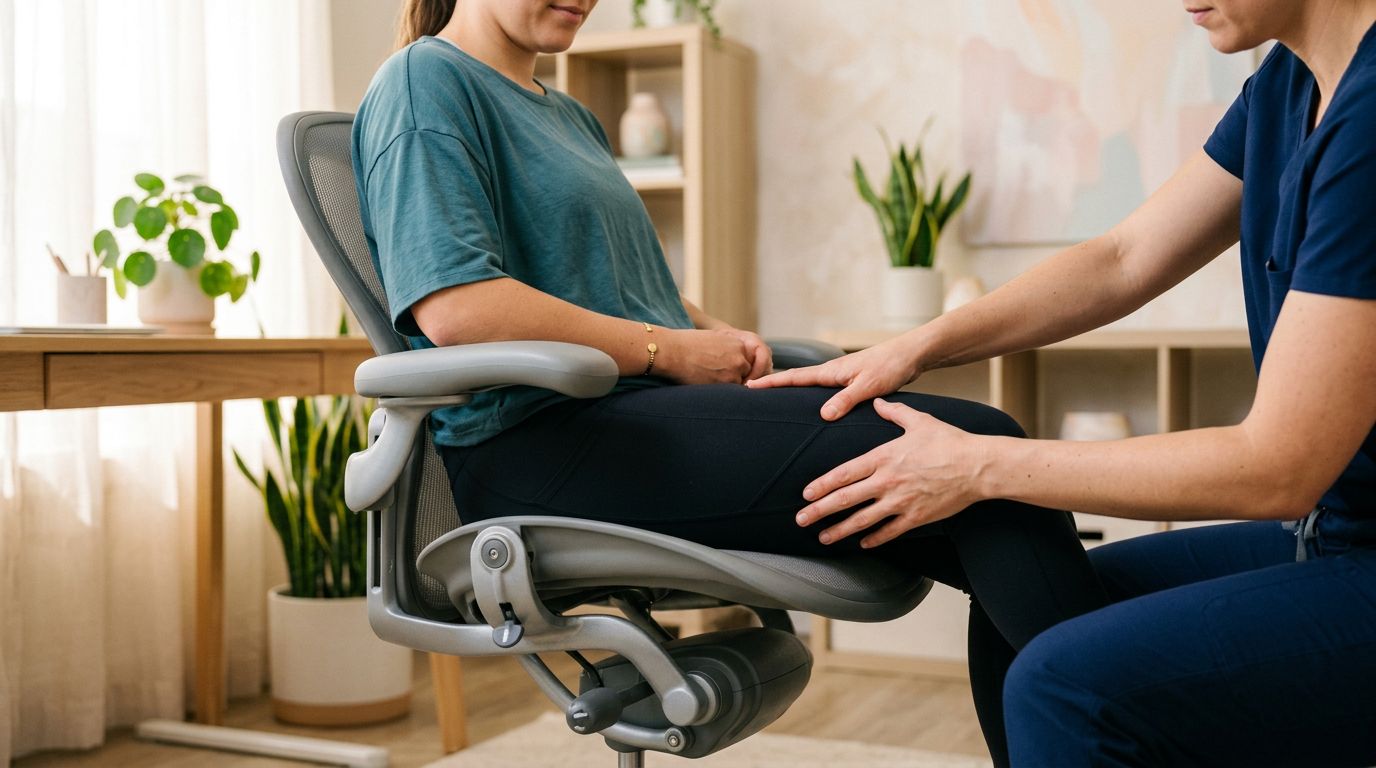
Your therapist checks the ankle first. They press gently to find tender areas. This guides the work.
Breathe deep during prep. It relaxes muscles ahead of touch. No need to worry; pros like Natasha or Jess at STILL Massage + Skin handle this daily.
What Happens Step by Step in the Massage
The session starts with warm-up strokes. Your therapist glides oil over the calf. This loosens surface layers.
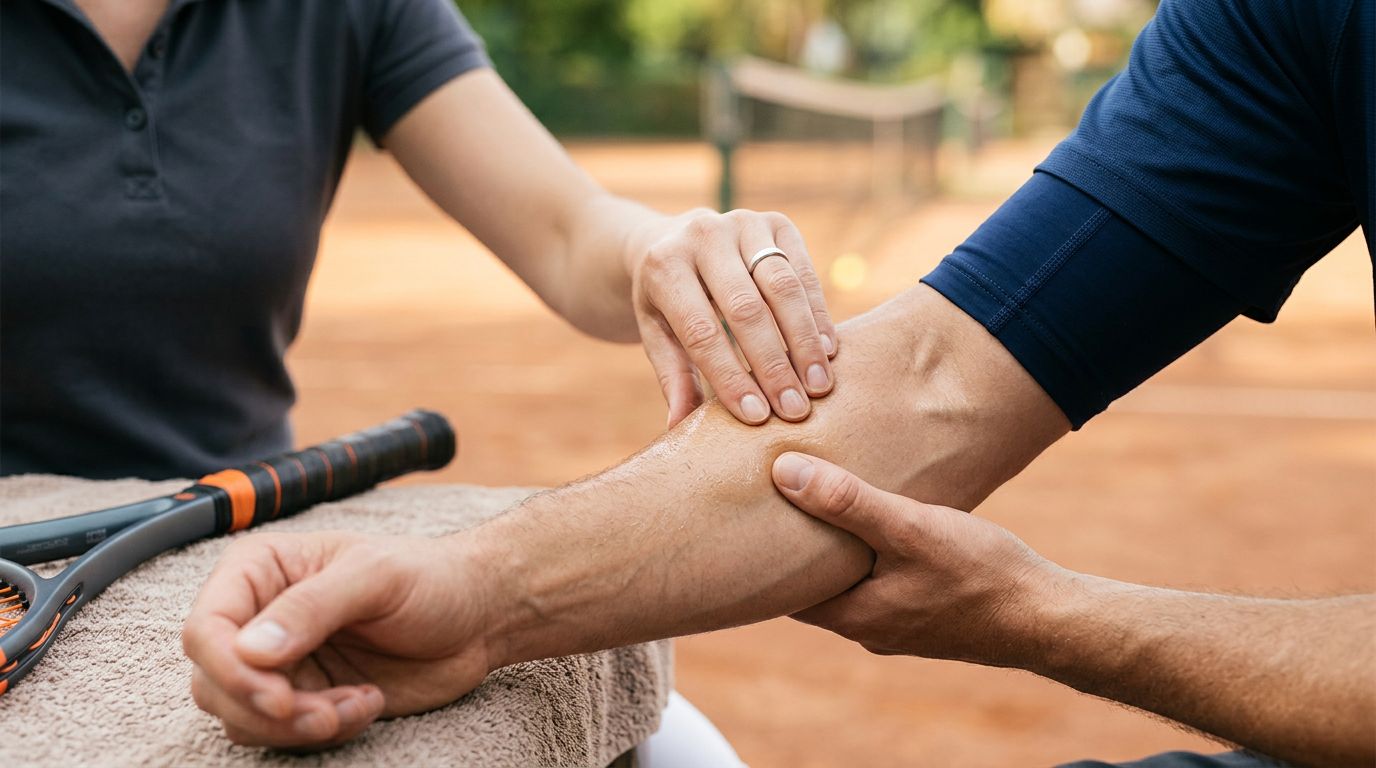
Next, they target the posterior tibialis. Fingers dig in with steady pressure. It traces from knee to ankle along the inner shin.
You feel firm kneading. Some spots pinch at first, then release. They use elbows for deeper layers if needed.
Cross-friction comes in. It rubs the tendon side to side. This breaks scar tissue and boosts healing.
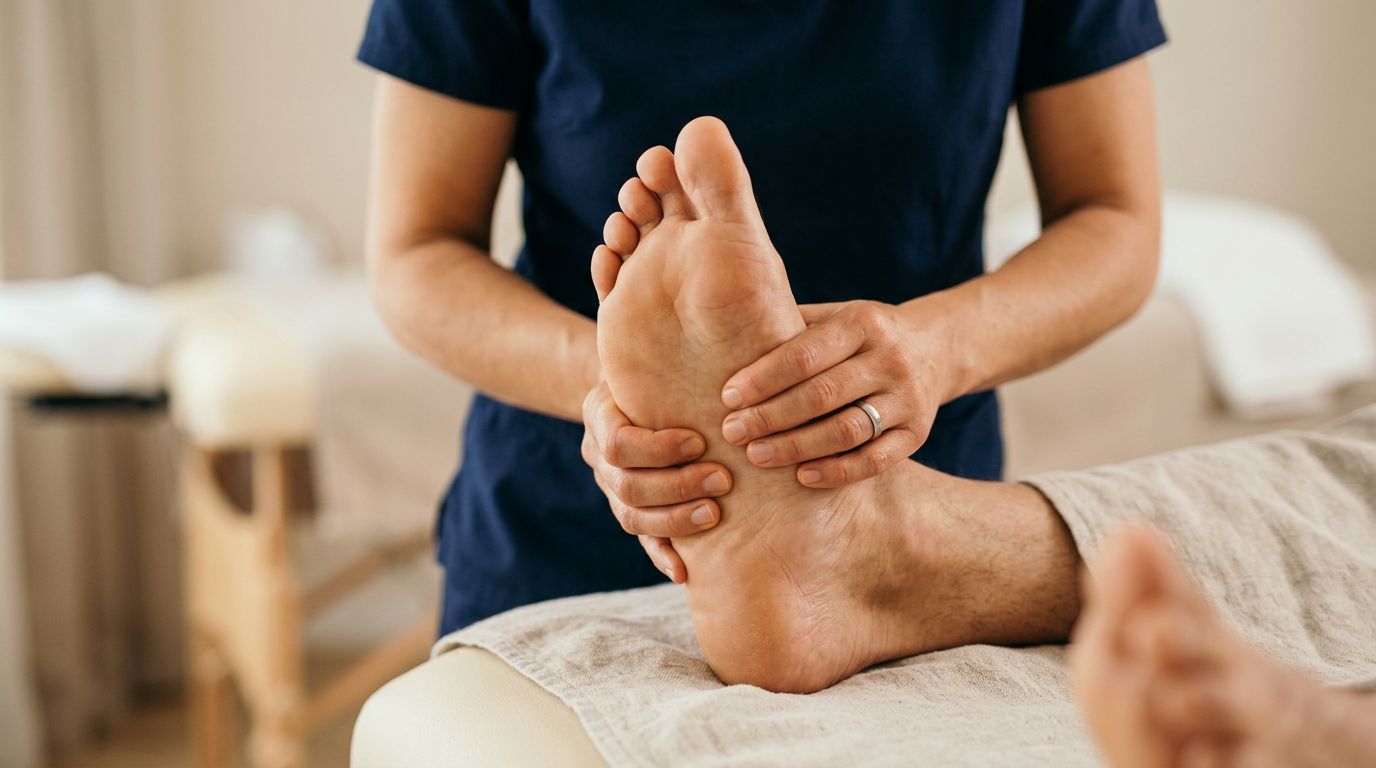
The foot gets attention too. Arch pressure supports the whole chain. Sessions last 15 to 30 minutes, often as part of a full therapeutic massage options.
Heat or cold packs finish it. Your ankle feels looser right away.
Sensations During and Immediate Aftermath
Pressure builds gradually. It might ache like a good workout. Breathe through it; the release follows.
Warmth spreads as circulation improves. Tension melts, leaving calm. No sharp pain if done right.
Post-massage, your ankle lightens. Steps come easier. Some soreness lingers, like after exercise.
Drink water to flush toxins. Walk gently that day. Avoid hard activity for 24 hours.
Swelling drops overnight for most. Pain eases by 50% or more. Full benefits build over weeks.
Home Care Tips to Support Your Sessions
Roll a frozen water bottle under your foot daily. It calms inflammation while stretching the arch. Do it for five minutes.
Strengthen with towel scrunches. Grab a towel with your toes 10 times per foot. This builds muscle support.
Self-massage works lightly. Use your knuckles along the inner calf. Press for 30 seconds per spot, twice a day.
Add active stretching therapy in sessions for extra gains. It pairs well with pro work.
Rest matters most. Ice after walks. These steps extend massage results.
When to Book Professional Posterior Tibialis Massage
See a therapist if pain lasts over two weeks. Home fixes help mild cases. Pros handle stubborn spots.
Red flags include swelling or instability. Don't wait; it worsens fast. Book for customized massage therapy sessions tailored to you.
Combine with foot orthotics if arches flatten. Therapists spot related issues.
At places like STILL Massage + Skin in Englewood, experts like Jess create plans. They blend techniques for your needs.
Posterior tibialis massage transforms inner ankle pain. You expect targeted pressure, quick relief, and smoother steps. Sessions build strength and prevent comebacks.
Start with one today. Your ankles deserve the care. How long has pain held you back? Book now and step free.
Recent Posts