Microneedling vs Nanoneedling for Acne Marks and Texture
Acne marks can linger long after breakouts calm down. Uneven texture can do the same, leaving skin rough, bumpy, or dull even when it looks clear from a distance.
That is where microneedling vs nanoneedling comes in. Both treatments aim to smooth the skin and improve how it looks, but they work at different depths and suit different concerns.
If you are trying to decide between them, the details matter. The right choice depends on how deep your marks go, how sensitive your skin is, and how much downtime you can handle.
What acne marks and uneven texture need from treatment
Acne marks are not all the same. Some are flat red or brown spots left behind after a breakout. Others are true scars, with shallow dips or more noticeable pits in the skin.
Uneven texture can show up in a few ways, too. You may notice tiny bumps, enlarged pores, rough patches, or old acne scars that catch light in a harsh way. A treatment has to match the problem, or results can feel slow and uneven.
That is why people often compare microneedling and nanoneedling instead of picking one at random. One is better for deeper change. The other is better for gentler surface work and skin that wants a lighter touch.
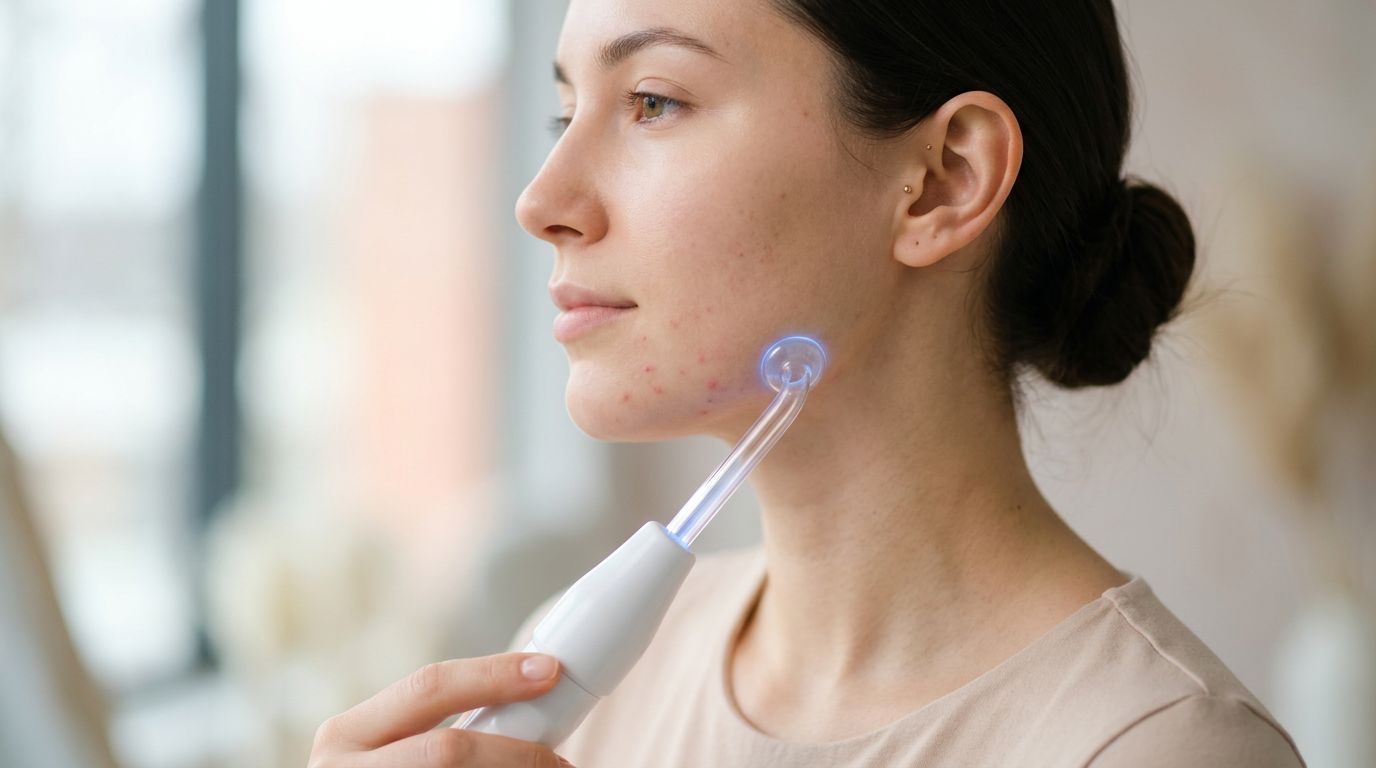
Microneedling makes controlled microchannels with fine needles. Those channels trigger a repair response and can help soften the look of acne scars over time. Nanoneedling works closer to the surface and is usually chosen for mild texture issues, glow, and better product absorption.
The closer the concern sits to the surface, the more likely nanoneedling can help. Deeper scars usually need more than that.
Microneedling vs nanoneedling at a glance
A side-by-side view makes the difference easier to see.
| Feature | Microneedling | Nanoneedling |
|---|---|---|
| How it works | Fine needles create controlled channels in the skin | Tiny tips work on the outermost layer |
| Best for | Acne scars, deeper texture, larger pores | Mild roughness, dullness, early marks |
| Sensation | More noticeable | Very light |
| Downtime | Usually more redness and a longer recovery | Little to no downtime |
| Main goal | Stimulate a stronger repair response | Smooth the surface and support a brighter look |
The table tells the story well. Microneedling is the stronger option when texture is etched into the skin. Nanoneedling is a good match when the problem is lighter and you want a gentler visit.
When microneedling makes more sense for acne marks
Microneedling usually fits best when acne marks have left a real change in texture. That includes shallow scars, rolling scars, and areas that feel uneven to the touch. It can also help if you see pores that look stretched or skin that has lost some firmness.
Because the treatment works deeper, it gives the skin a stronger signal to repair itself. That is helpful when smoothness is the goal, not just a fresher surface. Results usually build over time, so it is not a one-and-done fix.
Microneedling also makes sense when you want more noticeable change and can handle a little recovery. Redness and sensitivity are common for a short time after treatment. For some people, that tradeoff is worth it because the skin has more room to improve.
Still, microneedling is not the right match for every acne concern. If your marks are mostly flat discoloration and your texture is mild, a gentler option may make more sense. Deep scars often need a treatment plan that goes beyond one service.
When nanoneedling is the better fit
Nanoneedling is a smart choice when your skin is already close to smooth, but not quite there. It can help with slight roughness, dullness, and early post-acne marks that sit near the surface. It is also popular with people who want a lower-key treatment and minimal interruption to their routine.
Because it works more lightly, nanoneedling is often easier to tolerate. That matters if your skin gets irritated fast or if you are cautious about redness. It can be a nice option before an event, or as part of regular skin maintenance.
Nanoneedling is also appealing when your main goal is hydration and glow. It helps skin care products spread more evenly and can leave the face looking fresher. For some people, that is enough. For others, it is a stepping stone before choosing microneedling.
If your acne marks are mostly color changes instead of dents, nanoneedling may be enough at first. If the marks are paired with pits or roughness, it may need help from a stronger treatment.
What the visit and recovery usually feel like
The appointment itself is usually straightforward. Your provider cleanses the skin, checks the area, and chooses the right depth or setting for your concerns. Then the device moves across the skin in sections.
Microneedling tends to feel more intense. Many people describe it as prickly or scratchy, but still manageable. Nanoneedling feels much lighter, so it is easier for people who want a gentler experience.
Recovery is another clear difference. Microneedling often brings redness, warmth, and some dryness for a day or more. Nanoneedling usually has less downtime, so you can often return to normal life faster.
After either service, the skin needs care. Keep products simple, avoid harsh scrubs, and stay out of strong sun. Hydration and sun protection matter because the skin is more open to stress right after treatment.
A few aftercare habits help both treatments work better:
- Use a gentle cleanser and lukewarm water.
- Skip exfoliating acids for a few days.
- Wear sunscreen every day.
- Hold off on picking at flaky skin.
Those small steps protect your results and keep your skin calmer while it heals.
Pairing texture treatments with other services
Some skin concerns need more than one tool. If acne marks are flat and discoloration is the main issue, another service may fit alongside needling. In some cases, a peel can help with tone and roughness, especially when the skin needs more surface renewal than depth.
That is why treatments like a chemical peel for uneven skin texture can be part of a broader plan. Peels focus more on the top layers, while microneedling reaches deeper and nanoneedling stays gentler on the surface.
The right mix depends on what your skin shows on the day of your consultation. One person may need scar support and a peel later. Another may do well with nanoneedling plus a solid home routine.
Skin rarely changes in one step. It usually responds best to the right sequence, given enough time between treatments.
Choosing the right option for your skin
Microneedling is usually the stronger pick for acne scars and deeper uneven texture . It asks for more recovery, but it also reaches concerns that lighter treatments may miss. Nanoneedling is better for surface smoothness, mild marks, and a lower-downtime visit.
The safest way to choose is by looking at depth, sensitivity, and your goal for the next few weeks, not just the next few hours. If your skin has pitted scars or stubborn texture, microneedling often makes more sense. If your skin is mostly clear but still a little rough or dull, nanoneedling can be the better first step.
Both treatments can support healthier-looking skin when they match the concern. The difference is in how much change you need and how much treatment your skin can handle. That is the real decision behind microneedling vs nanoneedling .
Recent Posts