
Flexor Carpi Radialis Massage for Sore Wrists After Yoga
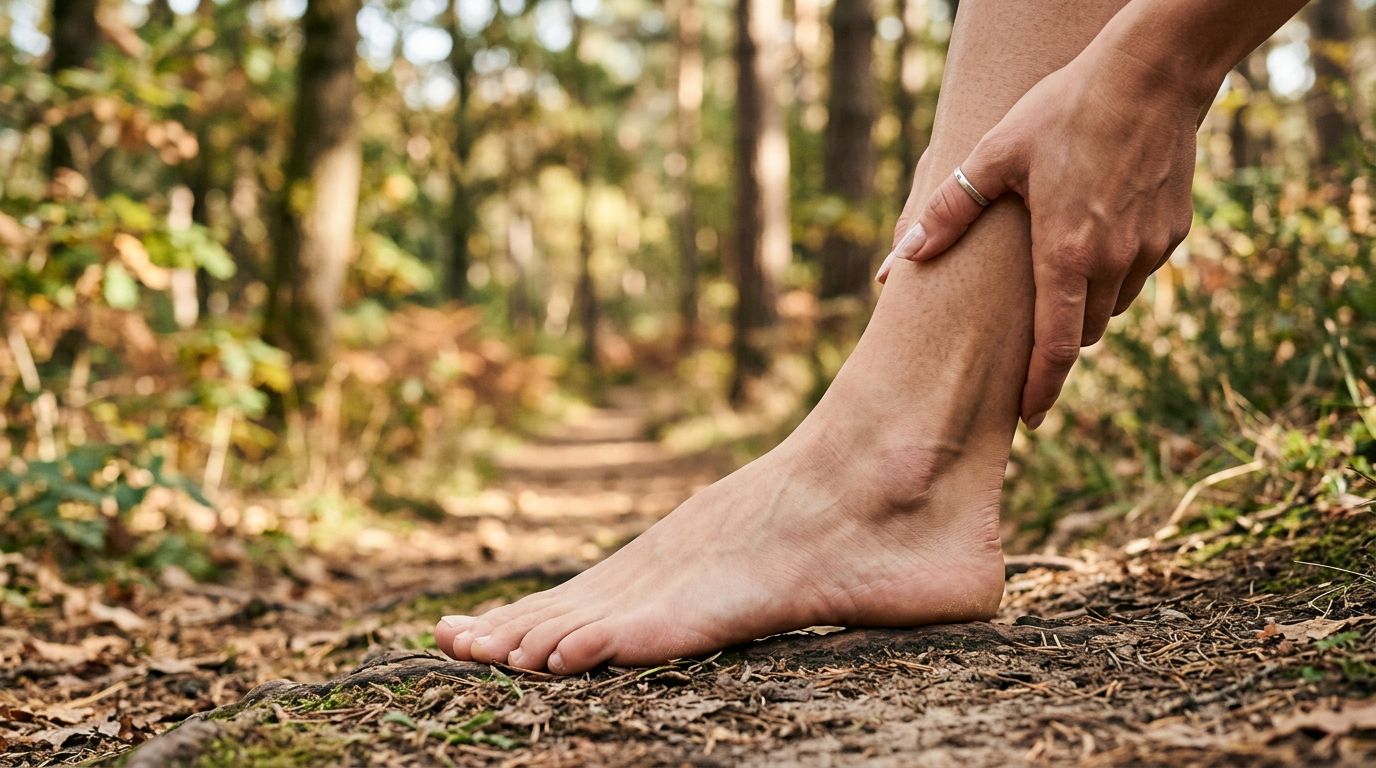
Wrist soreness after yoga often starts in the forearm, not the joint itself. The flexor carpi radialis helps bend and steady the wrist, so poses like downward dog, plank, and low push-up can make it work overtime. When that muscle gets irritated, the ache can feel like tightness, tenderness, or a dull pull near the thumb side of the forearm.
A thoughtful flexor carpi radialis massage can ease that pull, especially when your wrists feel stiff after class. The key is using the right pressure in the right spot, so the muscle relaxes instead of guarding harder. Then, a few small changes in class can keep the problem from coming back.
Why yoga can make this forearm muscle sore
The flexor carpi radialis runs along the front of the forearm and helps bend the wrist while keeping the hand steady. That job sounds simple, but yoga asks a lot from it.
In weight-bearing poses, the wrist stays bent back while the forearm muscles hold the hand in place. Downward dog, plank, side plank, and arm balances all demand that support. If your shoulders dump too much weight forward, the forearm muscles do even more work.
Repeated classes can add up. So can long hours at a keyboard, carrying a bag on the same side, or gripping weights in the gym. Yoga may be the moment you notice the strain, but the load often started earlier in the day.
This is why sore wrists after yoga do not always mean the wrist joint is the problem. Sometimes the muscle that controls the joint is simply tired, shortened, or overworked.
Signs the flexor carpi radialis is the source
A flexor carpi radialis issue often feels like a line of soreness rather than a single sharp point. You may feel it along the thumb side of the forearm, close to the wrist crease or a little higher up.
Common signs include:
- Tenderness when you press the front of the forearm on the thumb side.
- A pulling feeling when you bend the wrist forward or grip hard.
- Stiffness after class that eases a little once you move around.
- Discomfort when pushing up from the floor, opening jars, or holding a heavy bag.
- A tight, rope-like band in the forearm that feels better after gentle work.
If the pain sits deep in the joint, feels sharp, or shows up after a fall, the issue may be different. That matters, because massage should match the cause.
Numbness, swelling, bruising, or pain that shoots into the hand are not normal post-yoga soreness. Those signs need a professional check.
When the muscle is involved, it often responds better to slow pressure than to hard poking. The goal is to help the tissue soften, not to test how much pain you can tolerate.
How to massage the flexor carpi radialis safely
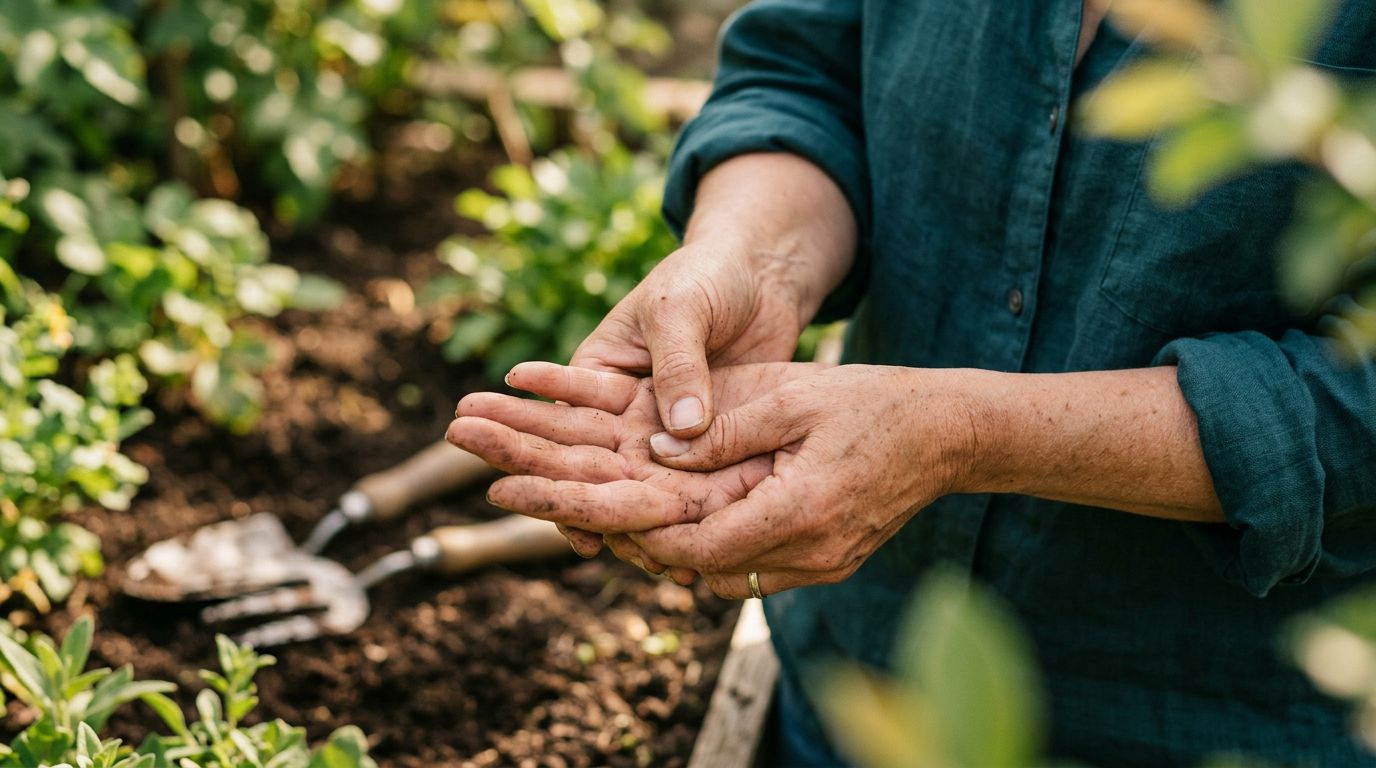
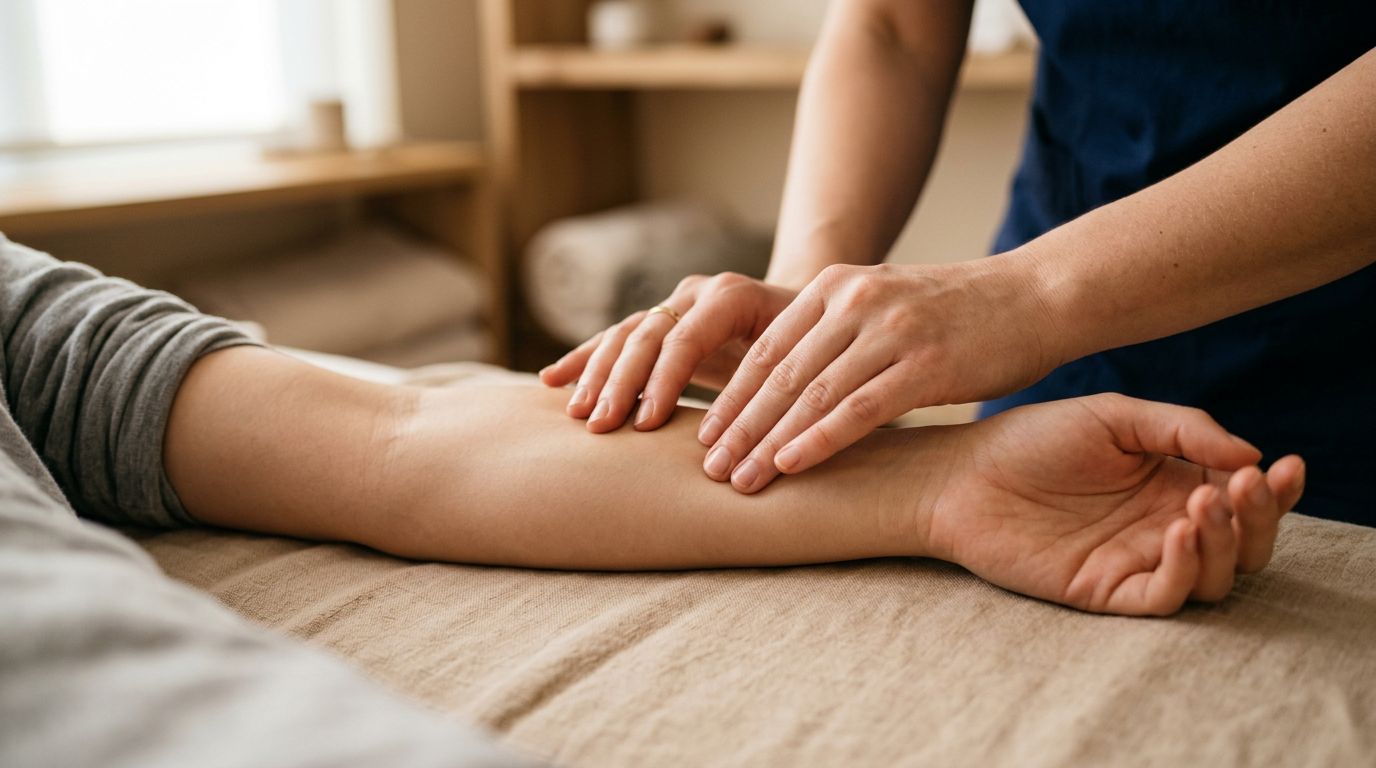
Start with warm hands and a relaxed forearm. A little lotion or massage oil helps your fingers glide instead of drag. Place your forearm palm up on a table or on your thigh so the muscle can soften.
A simple self-massage sequence
- Find the tender strip on the thumb side of the forearm.
Start a few inches below the elbow and move toward the wrist. You want the fleshy part of the muscle, not the bone. - Use slow, small strokes along the grain of the muscle.
Press lightly at first, then increase pressure only if the tissue loosens. Aim for a mild, tolerable ache, not a wince. - Pause on the tight spots.
Hold steady pressure for 10 to 20 seconds, then breathe out and let the area soften. - Finish with gentle wrist movement.
Open and close the hand several times, then bend the wrist forward and back without forcing it.
Pressure that feels helpful, not harsh
The goal is to calm the muscle, not bruise it into submission. Pressing hard can make a sore forearm tense up more. If you feel tingling, sharp pain, or a cold sensation in the hand, back off right away.
Skip deep poking near the wrist crease. That area has small tendons and sensitive tissue. Keep the focus on the muscle belly, which is the softer part of the forearm.
You can repeat the sequence once or twice a day for a few days. Keep it short. A few focused minutes often work better than a long grind.
After the massage, try a light flexor stretch. Straighten the elbow, turn the palm up, and gently draw the fingers back until you feel an easy pull. Hold for 15 to 20 seconds. The stretch should feel mild, like opening a window, not forcing a stuck hinge.
What to change in your yoga practice
If your wrists are already irritated, the next class should feel easier on them. Use blocks under your hands, spread your fingers wide, and press through the base of the index finger and thumb instead of dumping weight into the heel of the hand. That small shift can change the load on the forearm.
You can also swap some full palm-planted poses for smarter options. Fists, forearm plank, or a shorter hold can give the wrist a break while you keep moving. Many teachers welcome that kind of adjustment, because good alignment is personal, not one-size-fits-all.
A brief warm-up helps too. Wrist circles, gentle palm lifts, and forearm stretches before class can wake the tissue up. After class, a little heat may help if the area feels tight. Ice can be useful if the muscle feels hot or freshly irritated.
If your class moves fast, take the first round slowly. The forearms warm up over time, and rushed weight-bearing is where many wrists complain first.
The biggest mistake is pushing through pain because the pose looks easy. Pain is a signal, and wrists often whisper before they shout. If you listen early, the fix is usually simpler.
Outside the studio, give the forearm a break from extra strain. Loosen your grip on bags, take short keyboard breaks, and avoid sleeping with your wrist folded under your body. Small changes add up fast when the same muscle is already tired from yoga.
When hands-on care makes a bigger difference
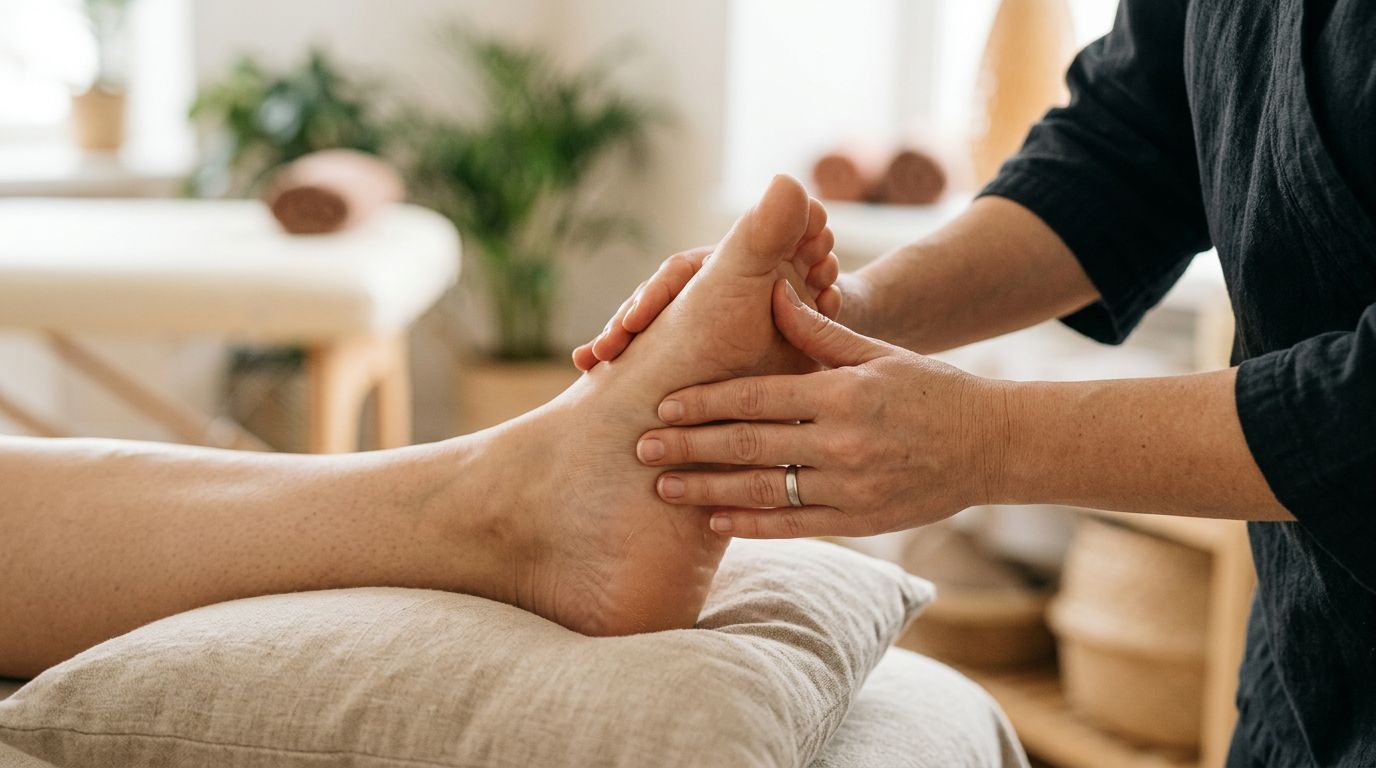
Self-massage helps when the soreness is mild and recent. It may not be enough if the tightness keeps coming back after every flow, or if your forearm feels guarded all day. In those cases, a massage therapist can work the wrist flexors, the elbow area, and the shoulder chain that feeds the same tension pattern.
A custom massage therapy session can focus on the places that are actually overloaded, instead of only chasing the pain at the wrist. That matters because the forearm often complains after the shoulder, chest, or upper back has been doing poor work for too long. When those areas relax, the wrist does not have to brace as hard.
Hands-on care is also helpful when you want a clearer read on what the tissue needs. Some muscles like slow, steady pressure. Others need movement, heat, or a lighter touch. A skilled therapist can tell the difference by how your tissue responds.
If the ache lingers for more than a week, or if it returns every time you load the hands, it's time to get it checked. Persistent pain deserves more than guesswork.
Conclusion
Yoga asks your wrists to carry more than they seem to at first glance. When the flexor carpi radialis gets irritated, the problem often feels like a wrist issue even though the trouble starts higher in the forearm.
A gentle flexor carpi radialis massage , paired with better load choices in class, can help sore wrists settle down faster. If the pain keeps returning, listen to it early and adjust before the tension turns into a pattern.
Your wrists should support your practice, not complain through it.
Recent Posts