
Microdermabrasion for Dull Skin and Rough Texture
Dull skin can make your face look tired, even when you feel fine. If makeup clings to rough spots or your skin never looks quite bright, microdermabrasion for dull skin may be the reset you need.
This treatment helps lift away buildup that sits on the surface and keeps skin looking flat. It can also soften stubborn texture that shows up as rough patches, uneven tone, or a sandpapery feel.
The trick is knowing what it can do well, and what needs a different plan. That starts with how dull skin and texture build up in the first place.
Why dull skin looks tired
Skin loses its glow for a few simple reasons. Dead cells collect on the surface, dry air pulls moisture out, and daily stress can leave the face looking less fresh.
That top layer matters more than many people think. When it gets thick, it scatters light instead of reflecting it cleanly. As a result, skin looks flat, dry, or uneven.
Products can also stop working as well. Serums, moisturizers, and masks sit on top of buildup instead of reaching skin that needs them. So even a good routine may feel like it is missing something.
Microdermabrasion helps by gently removing part of that surface buildup. It does not change your skin overnight, but it can reveal a smoother layer beneath. Many people notice a brighter look after one session, especially when dullness comes from dryness or rough buildup.
Still, dull skin is not always the same as damaged skin. If your face looks gray because it is dehydrated, exfoliation can help. If the problem comes from deeper scars, you may need a different treatment plan.
How microdermabrasion softens stubborn texture
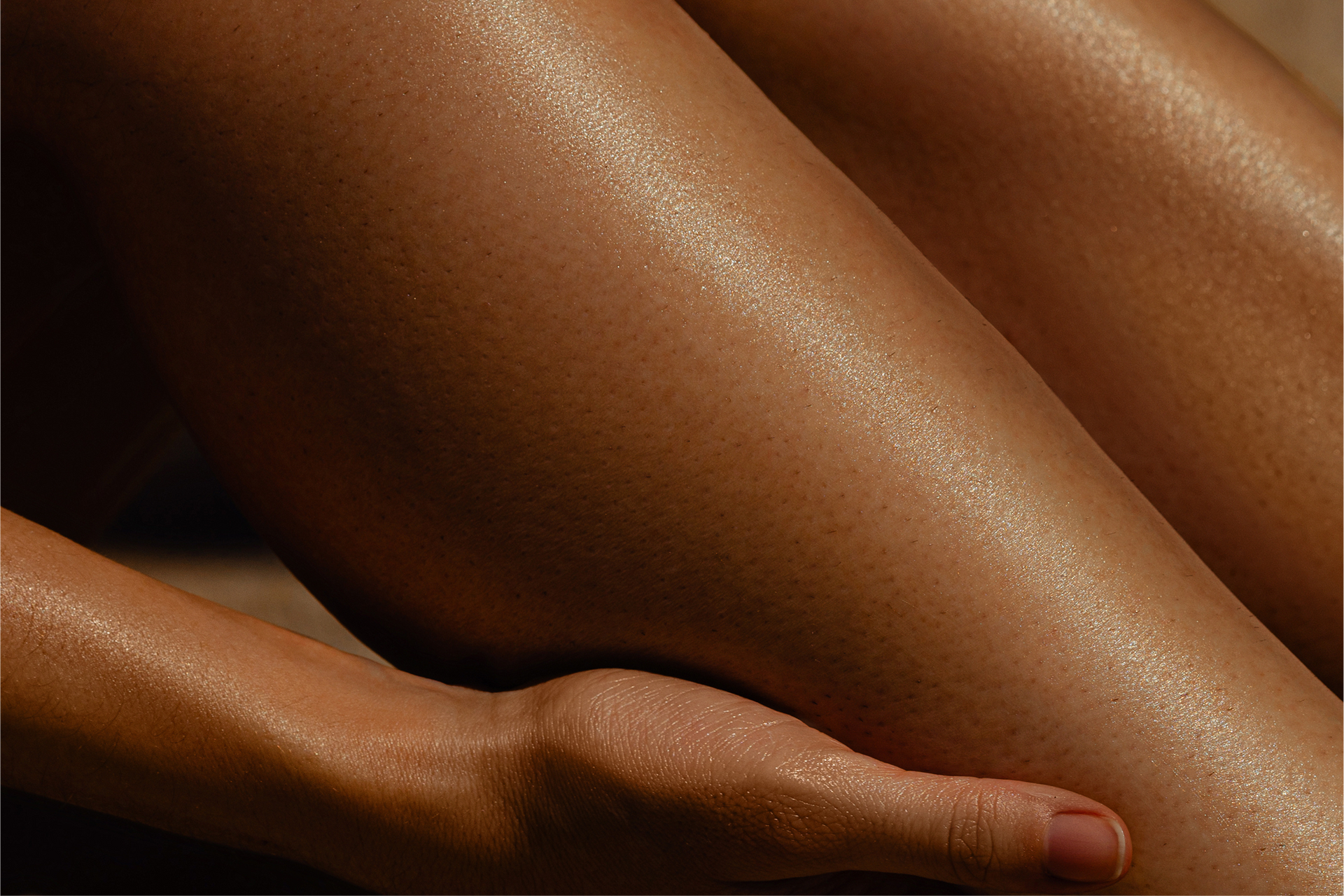
Stubborn texture usually means the skin feels uneven under your fingertips. It can show up on the cheeks, chin, nose, or anywhere dead skin hangs on too long.
Microdermabrasion works with controlled exfoliation. A trained provider uses a device that buffs the outer layer and lifts away debris at the same time. Some systems use a diamond tip, while others use fine crystals. Either way, the goal is the same, which is to smooth the surface without a harsh peel.
That makes it useful for several common concerns:
- Flaky, dry patches that catch light in a harsh way
- Mild congestion that leaves skin feeling bumpy
- Rough areas that make foundation settle unevenly
- Post-breakout texture that sits on the surface
The treatment can also help skin look more even. When the top layer is rough, pores can seem more noticeable and makeup can look heavier than usual. Once that buildup is reduced, the face often looks cleaner and less patchy.
However, microdermabrasion has limits. Deep acne scars, pitted texture, and active irritation usually need a different approach. The best results happen when the treatment matches the actual concern, not just the wish for smoother skin.
Texture that comes from buildup often responds well. Texture that comes from deeper damage usually needs more than exfoliation.
If you want a treatment that feels a little more customized, customized facial treatments can also be a smart fit when your skin needs hydration, calming care, or gentle extractions.
What happens during a session
A good appointment starts with a quick skin check. The provider should look at your current texture, recent sun exposure, sensitivity, and any products you use at home. That matters because skin that is already irritated needs a lighter touch.
During the treatment, the device passes over the skin in small, controlled strokes. The sensation is usually scratchy or sandy, not sharp. Most people describe it as odd more than painful.
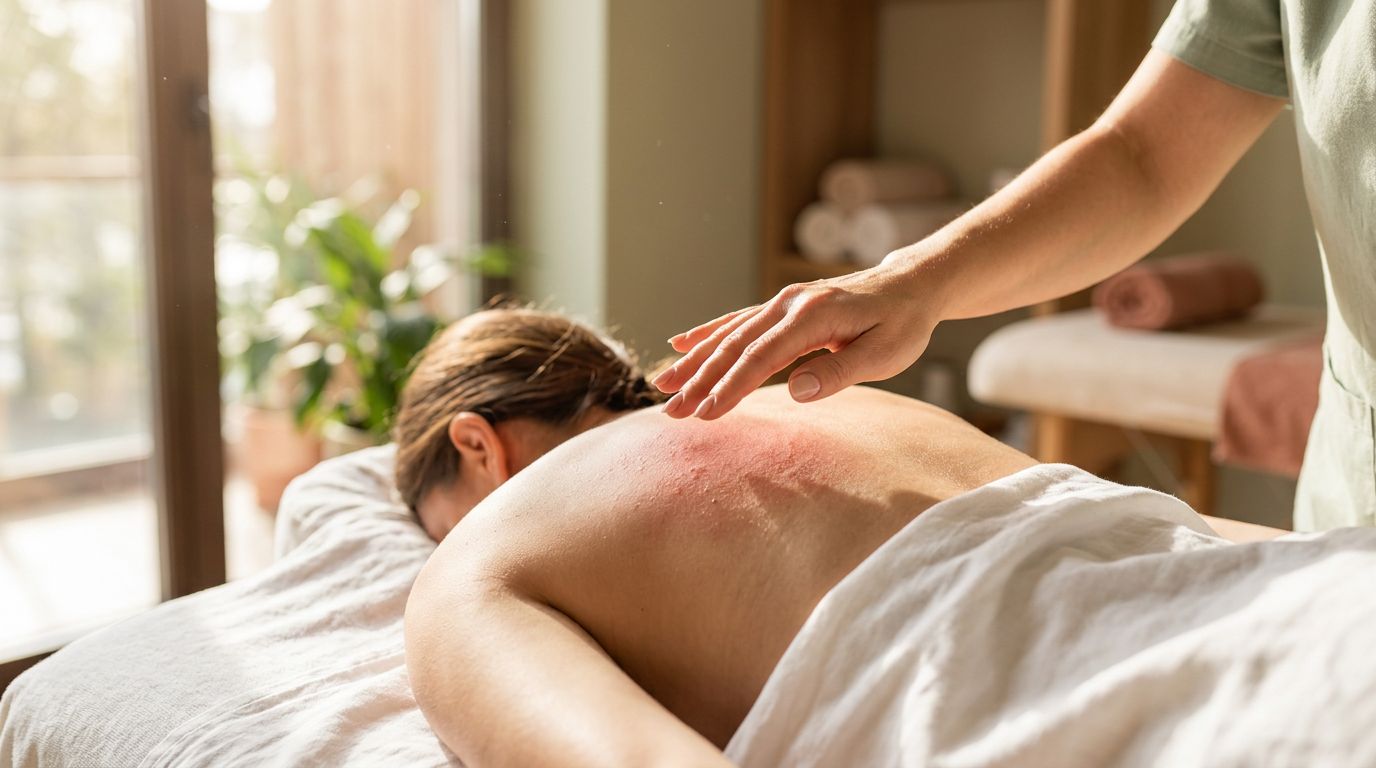
Afterward, the skin may look pink for a short time. It can also feel warm or slightly tight. That is common and usually fades within hours.
You can often go right back to normal life, which is part of the appeal. Even so, your skin may need a gentle evening. Skip heavy sweating, scrubs, and strong acids right after the visit unless your provider says otherwise.
A simple rule helps here:
Mild redness is normal. Burning, swelling, or lasting irritation is not.
That is why aftercare matters as much as the treatment itself. If you treat your skin gently, the smoother look tends to last better.
How to keep skin smooth after treatment
Microdermabrasion can make skin look fresh, but your routine decides how long that feeling sticks around. The days after treatment are the time to keep things simple.
Use a mild cleanser and a plain moisturizer. Your skin does not need a long list of active ingredients right away. It needs calm, water, and protection.
A few habits make a real difference:
- Wear sunscreen every day, even when it looks cloudy
- Avoid picking at dry spots or clogged pores
- Hold off on retinoids and exfoliating acids until your provider clears them
- Drink water and use moisturizer when your skin starts to feel tight
Sun protection deserves special attention. Freshly exfoliated skin can be more reactive to light, so SPF is not optional.
Also, do not chase smoothness with too much exfoliation. More is not better. If you scrub too often, skin can turn red, feel raw, and look even duller.
A steady schedule works better than aggressive treatment. Many people do well with periodic sessions and a calm home routine. That balance gives the surface time to renew without getting stripped.
When a customized facial makes more sense
Some skin needs more than one kind of care. If dullness comes with sensitivity, dehydration, or congestion, a facial built around your skin's needs may be a better first step.
That is where tailored facial care matters. A provider can choose hydration, gentle extractions, calming masks, or enzyme-based exfoliation based on what your skin is doing that day. For some people, that gentle route creates a better base before or after microdermabrasion.
This also helps when your skin changes with the season. Winter dryness, summer oil, and post-travel stress all call for different care. A one-size-fits-all plan usually misses those shifts.
Microdermabrasion and a customized facial do not compete with each other. They can work as separate visits or as part of a longer skin plan. One treatment clears the surface, while the other supports the skin underneath.
That matters if your goal is more than a quick glow. It matters if you want skin that looks smoother in everyday light, not just right after a treatment room finish.
Conclusion
Dull skin often needs a fresh start at the surface. Stubborn texture needs the same kind of attention, but with a careful hand and the right follow-up.
Microdermabrasion can brighten, smooth, and make skin care work a little better. It gives the best results when the treatment matches your skin type, your current condition, and your aftercare routine.
When skin looks flat and feels rough, the answer is often simpler than people expect. Clear away the buildup, treat the skin gently, and let the surface breathe again.
Recent Posts