
Abductor Digiti Minimi Massage for Outer Foot Pain
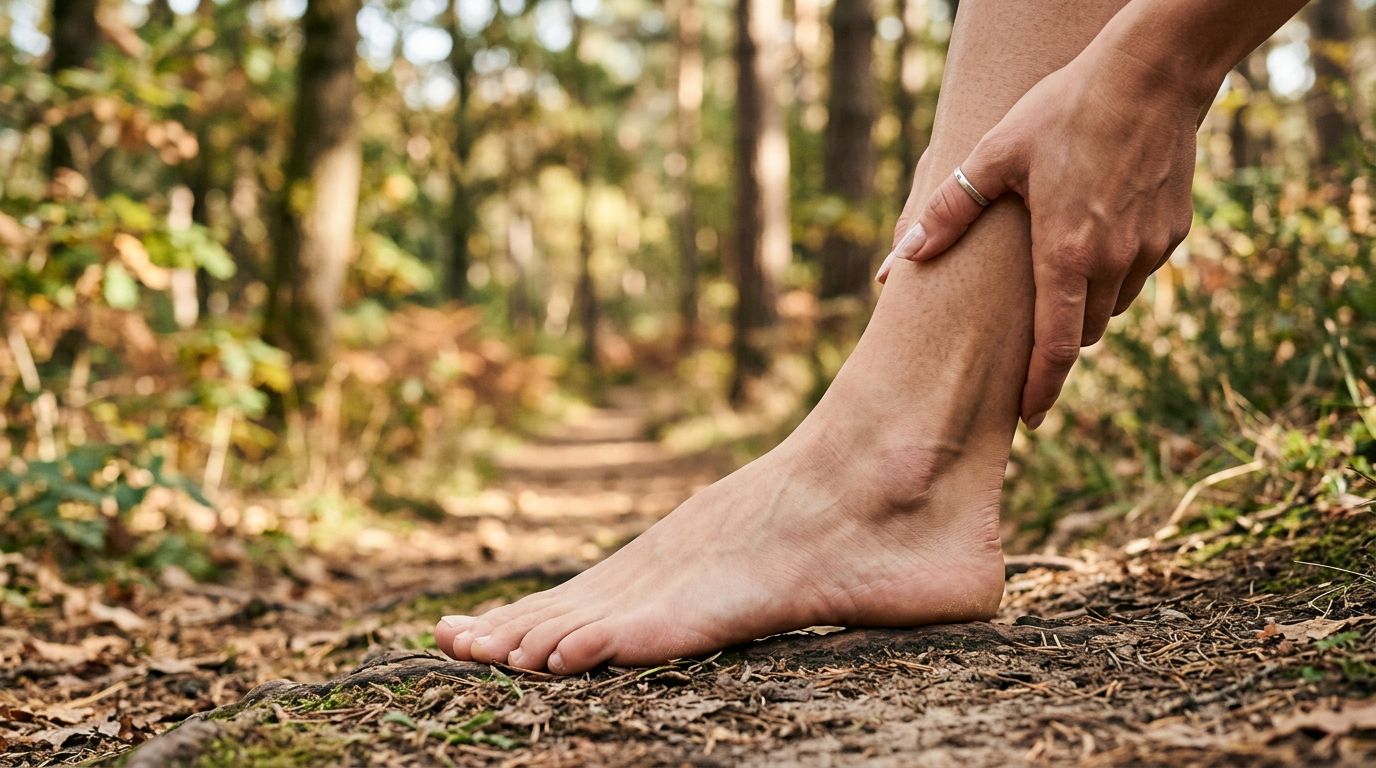
Outer foot pain can make every step feel off. Sometimes the ache sits near the little toe, along the edge of the sole, or just behind the pinky side of the foot. When that pain keeps showing up, abductor digiti minimi massage may help ease tight tissue and reduce that nagging pull.
This small muscle does more work than most people realize. It helps move the little toe and supports the outside of the foot, so when it gets tight, sore, or overloaded, walking can start to feel uneven. A careful massage can calm the area, improve circulation, and make the foot feel less guarded.
Why the Outside of the Foot Gets Tight
The abductor digiti minimi runs along the outer part of the sole. It sits near the heel and travels toward the little toe. Because it helps stabilize the foot, it can pick up strain during long walks, workouts, standing shifts, or shoes that squeeze the forefoot.
Outer foot pain does not always come from one muscle alone. Tight calves, poor foot support, and repeated pressure can all feed into the problem. If your foot rolls outward, grips the ground hard, or spends long hours in narrow shoes, the small muscles on the outside can start to feel overworked.
That soreness often feels dull at first. Later, it may turn sharp when you push off, climb stairs, or stand barefoot on a hard floor. The pain can also show up after a day of more activity than usual.
The good news is that muscle tension often responds well to slow, steady care. Massage can help the tissue relax, which gives the foot more room to move without feeling braced all the time.
How Massage for the Abductor Digiti Minimi Can Help
Massage works best when the pain comes from muscle tightness, trigger points, or overuse. Gentle pressure can soften the tissue around the little-toe side of the sole and help the foot feel less stiff. It can also improve awareness of how hard you grip the ground with each step.
For many people, the real benefit is not just in the foot itself. The lower leg, ankle, and arch often share the load. When those areas loosen up, the outside of the foot does not have to compensate as much.
If your pain keeps returning, a trained therapist can look at the whole pattern, not just the sore spot. That matters because the foot often reacts to what happens up the chain. For people who want a hands-on approach, therapeutic massage treatments can address the foot, calf, and surrounding muscles together.
Pressure should feel like steady discomfort, not a sharp or burning jolt.
Massage is most useful when the area feels tight, tender, or tired. It is less helpful when the foot is hot, swollen, bruised, or painful after an obvious injury. In those cases, the problem may need a different kind of care first.
A Safe Way to Massage the Small Foot Muscle
You do not need a hard tool or strong force. In fact, too much pressure can make the outer foot more irritated. Slow work usually gets better results.
Try this simple approach:
- Sit comfortably and rest one ankle over the opposite knee.
- Warm the foot with your hands first. A few minutes of light rubbing helps.
- Use your thumb to press along the outer edge of the sole, starting near the heel.
- Move in small circles over tender spots. Keep the pressure slow and even.
- Spend extra time where the tissue feels ropey or stiff, but stop if pain gets sharp.
- Finish with gentle strokes toward the little toe and a few slow ankle circles.
A tennis ball can help too, but keep it light. Place the ball under the foot and roll only as much as feels pleasant. If the spot feels angry, back off. Less pressure often works better than more.
Breathing matters as well. Tight feet often relax faster when your breath slows. That makes the whole leg less tense, and the massage feels smoother.
When Outer Foot Pain Needs More Than Self-Massage
Massage is not the right answer for every kind of pain. Some problems need a closer look before you press on the area again.
Pay attention if you notice any of these signs:
- swelling that does not go down
- numbness or tingling
- bruising after a twist or fall
- pain that gets worse with each step
- soreness that spreads into the ankle or up the leg
- a burning feeling that does not ease with rest
If the pain started after a sudden injury, skip the massage and get it checked. The same goes for pain that keeps waking you up at night or makes walking hard. A muscle issue can feel stubborn, but a stress injury or nerve problem can look similar at first.
Footwear also matters here. Shoes that are too tight across the forefoot can press on the outer side and keep the muscle irritated. On the other hand, shoes that give too little support can make the foot work harder than it should.
Simple Habits That Keep the Pain from Coming Back
A little daily care can keep the outside of the foot calmer between massage sessions. Start with the basics and stay consistent.
- Wear shoes with enough room in the toe box.
- Change out of worn-out shoes that no longer support the arch.
- Stretch the calves after walking or exercise.
- Rest the foot after long standing shifts.
- Use short massage sessions instead of aggressive digging.
- Ease back into new workouts instead of jumping in hard.
If you spend a lot of time barefoot on hard floors, give the foot a break. A soft mat or supportive slide can reduce strain without much effort. Small changes add up fast when a tiny muscle is doing too much work.
Conclusion
Outer foot pain often starts in a small place, but it can affect every step. When the abductor digiti minimi is tight, gentle massage can calm the tissue and help the little-toe side of the foot move with less strain.
The best results come from slow pressure, good shoes, and a little patience. If the pain is sharp, swollen, or linked to an injury, get it checked before you keep pressing on it.
Recent Posts