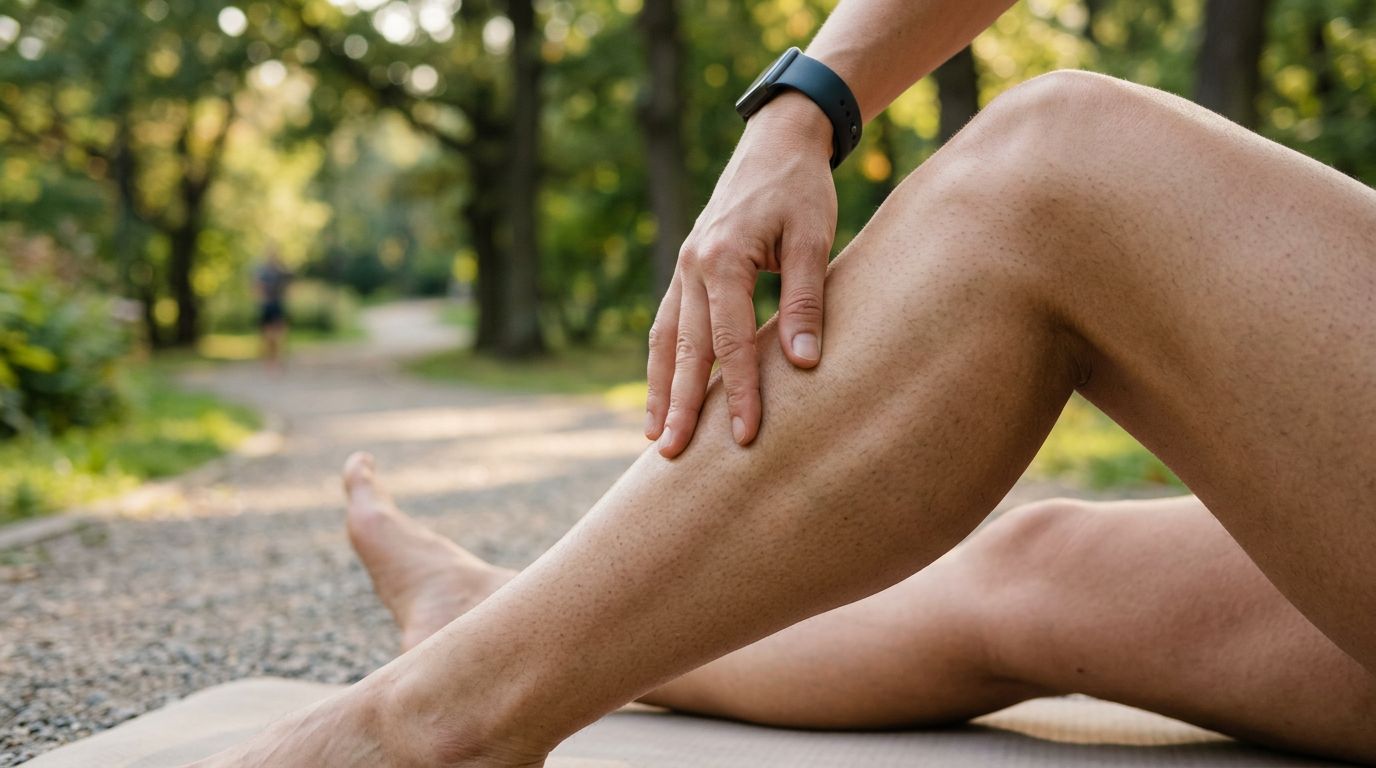
Semitendinosus Massage for Post-Run Hamstring Tightness
A tight inner hamstring after running can make every step feel guarded and awkward. The semitendinosus is often part of that ache, especially after hills, faster pacing, or a sudden jump in mileage.
A smart semitendinosus massage can help the muscle settle down without turning mild soreness into a bigger problem. The goal is simple, ease the tight spot, restore comfortable motion, and let your stride feel normal again.
What the semitendinosus does during a run
The semitendinosus is one of the inner hamstring muscles. It runs along the back of your thigh, closer to the inside edge than the outside.
During running, it helps bend the knee and extend the hip. It also helps steady the leg when your foot lands and pushes off. That means it works hard every time you run, even on easy days.
When this muscle gets overloaded, it can feel ropey, tender, or stubbornly tight. Some runners notice the feeling high near the sit bone. Others feel it lower along the inner back thigh.
That tightness is often a sign of guarding. The muscle is bracing after repeated work, not always injured in a major way. Still, the sensation can build quickly if you keep running through it.
A useful way to think about it is this, the semitendinosus is like a support cable. When it gets pulled a little too often, it loses smooth movement and starts to feel stiff.
Why inner hamstring tightness shows up after running
Post-run tightness does not come from one cause. More often, it comes from a mix of load, form, and recovery.
A hill session can put extra demand on the hamstrings. So can sprint work, long strides, or a run where you overreach in front of your body. Fatigue also matters, because tired muscles lose control faster.
Sometimes the problem shows up after a break in training. A small mileage jump can make the semitendinosus feel like it worked much harder than usual. On the other hand, a stiff body that sits a lot during the day may feel tight before the run even starts.
The line between normal post-run tension and a strain can be blurry. Tightness that eases as you move is usually more manageable. Sharp pain, a pop, or sudden weakness needs more caution.
Here is a simple way to sort out what you feel.
| Feels more like post-run tightness | Needs closer attention |
|---|---|
| Dull, local soreness | Sharp or tearing pain |
| Eases with walking or light movement | Pain that gets worse with each step |
| Tender but still strong | Weakness or limping |
| Comes after hills or speed work | Bruising or swelling |
| Settles within a day or two | Pain that keeps returning every run |
That table is a guide, not a diagnosis. If the pain feels sharp, unstable, or odd, stop treating it like routine tightness.
How semitendinosus massage helps the hamstring settle
Massage works best when the muscle is overworked, guarded, or simply holding too much tone. Gentle pressure tells the tissue to stop bracing so hard. It also gives you a chance to find the exact area that feels sticky or sore.
A good semitendinosus massage should feel controlled, not punishing. You want steady pressure, slow movement, and a clear sense that the tissue is softening over time. If you brace against the pressure, it's too much.
The best target is usually the muscle belly, not the bony area right behind the knee or the top of the hamstring near the pelvis. Those spots can be more sensitive, and aggressive pressure there can irritate things further.
Massage may also help you notice how the rest of the leg is contributing. Tight hamstrings often travel with tight glutes, stiff hips, or a calf that never fully lets go. When those areas relax, the inner hamstring often follows.
A massage should leave the area easier to move, not more sore the next day.
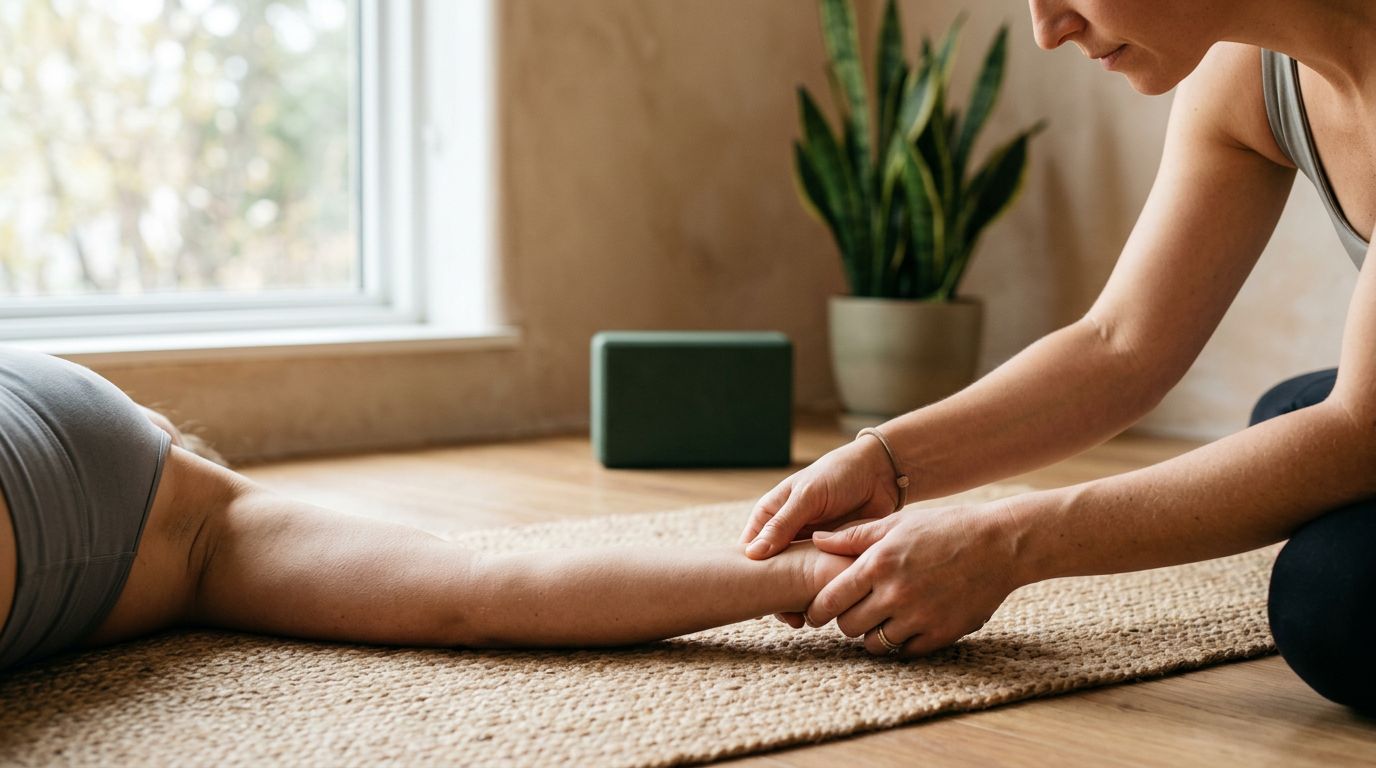
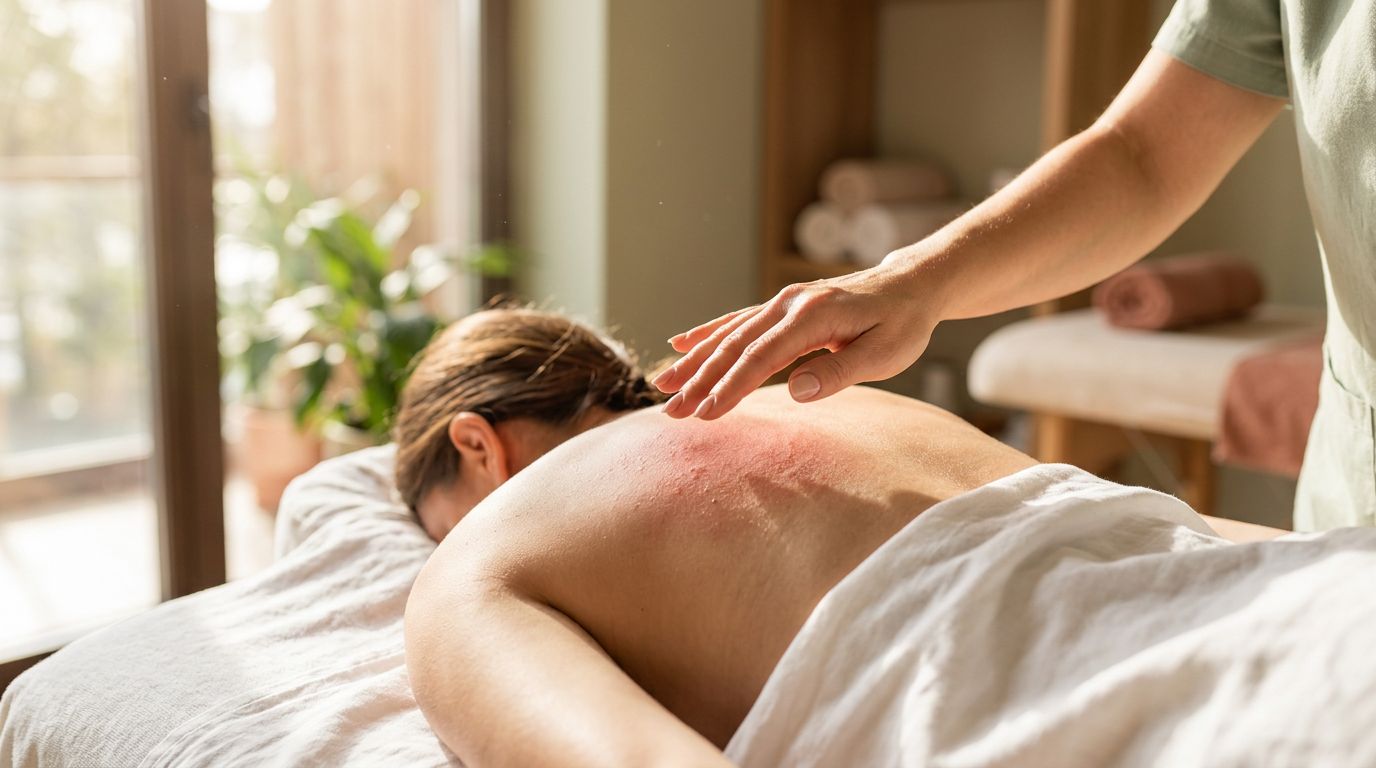
If the muscle stays stubborn, professional massage therapy services can help you get the right pressure in the right spot. A therapist can work the hamstrings with more control than a quick self-massage.
A safe post-run massage routine you can use
A short routine works better than a hard, rushed session. Start with warmth and light movement first. Then bring in pressure slowly.
- Walk for five minutes after your run.
This helps the muscle come down from the effort before you touch it. - Sit or stand in a stable position.
Use your thumb, fingers, or a small ball against a wall. Keep your balance easy. - Find the sore line along the inner back thigh.
Work along the soft muscle, not on the knee joint or inner groin. - Apply gentle, slow pressure for 20 to 30 seconds.
Breathe normally and let the muscle soften under the pressure. - Move a little higher or lower and repeat.
Keep the pressure in a comfortable range, about a 4 or 5 out of 10. - Finish with easy leg swings or a short walk.
If the leg feels smoother, you're on the right track.
A foam roller can also help, but it needs a light touch. A ball gives more focus, while your hands give more control. If the leg is already irritated, hands are usually the safer start.
Do not grind into the tissue for long periods. More pressure is not better. If the muscle fights back, ease off and keep the work short.
When massage is enough and when it isn't
Some post-run hamstring tightness settles with a gentle massage, a short walk, and a lighter next workout. Other times, the muscle is telling you to slow down and get checked.
| A massage may be enough | Get checked sooner |
|---|---|
| Mild tightness after a hard run | A pop, snap, or sudden tear feeling |
| Soreness that improves within 24 to 48 hours | Bruising or visible swelling |
| No limp, no weakness | Trouble bending the knee or extending the hip |
| Tenderness that stays local | Pain that spreads or feels sharp |
| Better after warm-up and rest | Numbness, tingling, or repeated flare-ups |
If your inner hamstring keeps tightening in the same spot, look at the bigger picture. Running form, strength, and recovery all matter. A therapist may also check the hips, glutes, and surrounding tissue, because the hamstring rarely works alone.
Pain that changes your stride needs respect. So does pain that feels worse after you stop moving. In those cases, more massage is not the answer.
Keeping the inner hamstring happier after your runs
The best way to calm semitendinosus tension is to stay ahead of it. A few small habits can make the muscle easier to manage.
Warm up before faster runs. Keep the first miles easy. Build mileage in small steps. Give tight spots a little attention before they turn into a bigger complaint.
After a run, use a short cool-down and a gentle massage if the muscle feels loaded. If the leg keeps tightening despite that, the issue may be more than simple soreness.
Conclusion
A tight semitendinosus after running usually needs calm, not force. Gentle semitendinosus massage can help the inner hamstring relax, move better, and recover without extra irritation.
The main signs are easy to spot, dull tightness, better movement after warming up, and no sharp pain. If the pain is sudden, strong, or keeps returning, stop treating it like routine post-run stiffness.
A good massage session should leave your stride feeling easier. That's the signal that the muscle is ready to let go.
Recent Posts