Radial Tunnel Massage for Forearm Ache After Typing
Typing all day can leave your forearm feeling like it has been worked with a dull tool. The ache may sit near the outside of the elbow, travel down the top of the forearm, or show up after a long stretch at the computer. A gentle radial tunnel massage can help when tight muscles and repetitive strain are part of the problem.
That pain is easy to ignore at first. Then it starts showing up every afternoon, every workday, or every time you grip a mouse. Knowing what massage can help, and where it falls short, makes a big difference.
Why typing can trigger a deep forearm ache
Typing seems small, but it asks a lot from the forearm. Your wrist extensors, finger muscles, and the muscles near the elbow keep working with little rest. Over time, that steady load can leave the tissue irritated and sore.
The ache often feels deep rather than sharp. Some people notice it when they lift a coffee mug, turn a doorknob, or use a mouse for too long. Others feel it during the workday and then notice stiffness later.
The radial tunnel is a narrow area near the outside of the elbow where the radial nerve passes through muscle and soft tissue. When the nearby muscles get tight, that space can feel crowded and sensitive. Massage can help ease the tension around it, but direct pressure on a painful spot is not the goal.
What radial tunnel massage focuses on
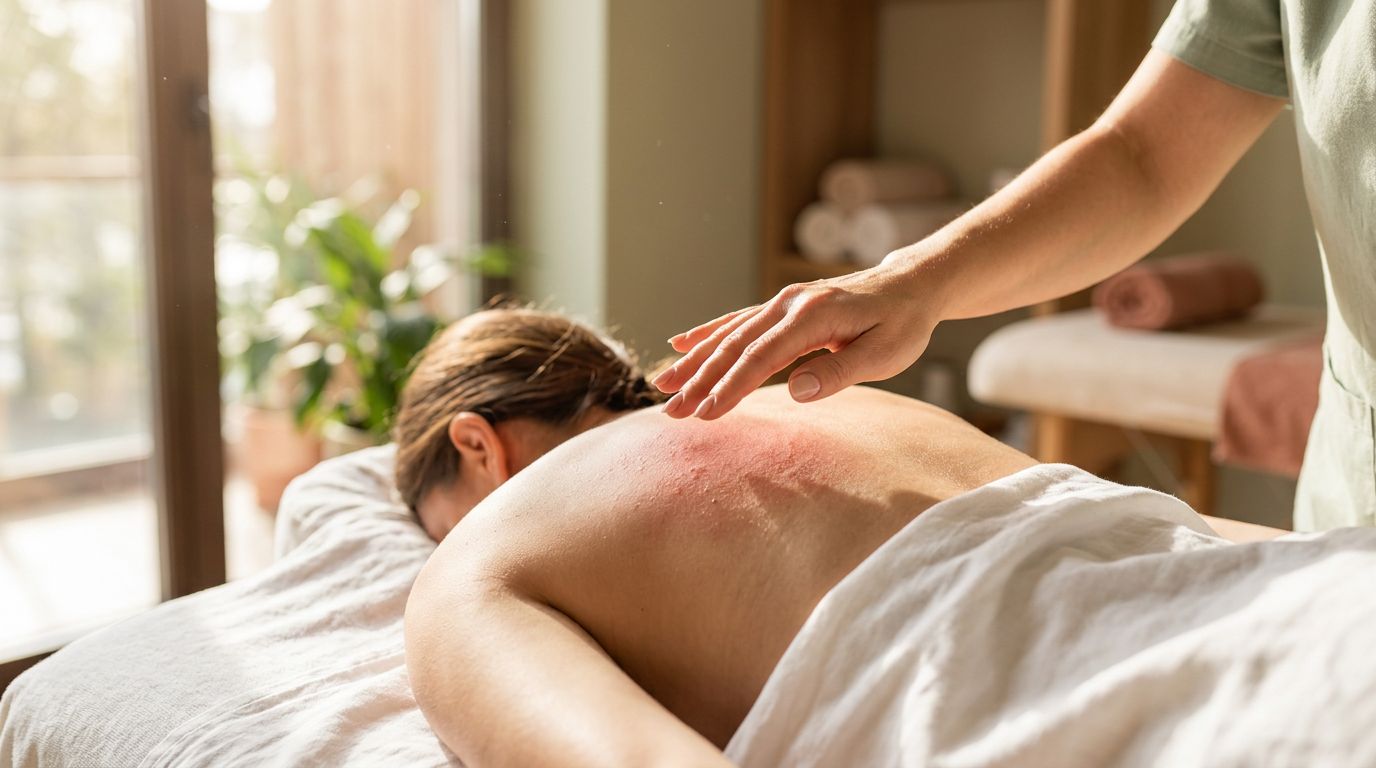
A good session does not chase pain with heavy pressure. It works on the soft tissue around the forearm, elbow, and sometimes the upper arm, shoulder, and neck. Those areas often share the load when you type, reach, and hover over a keyboard all day.
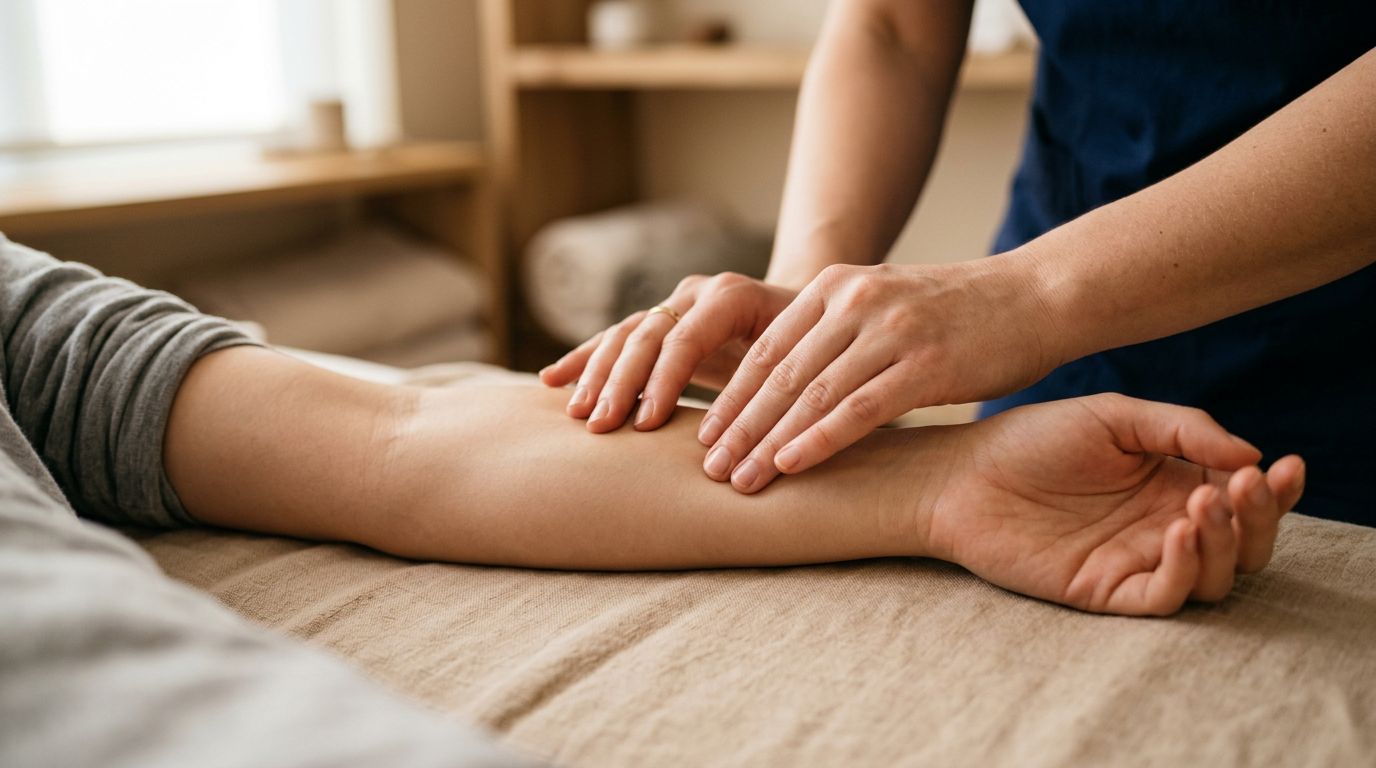
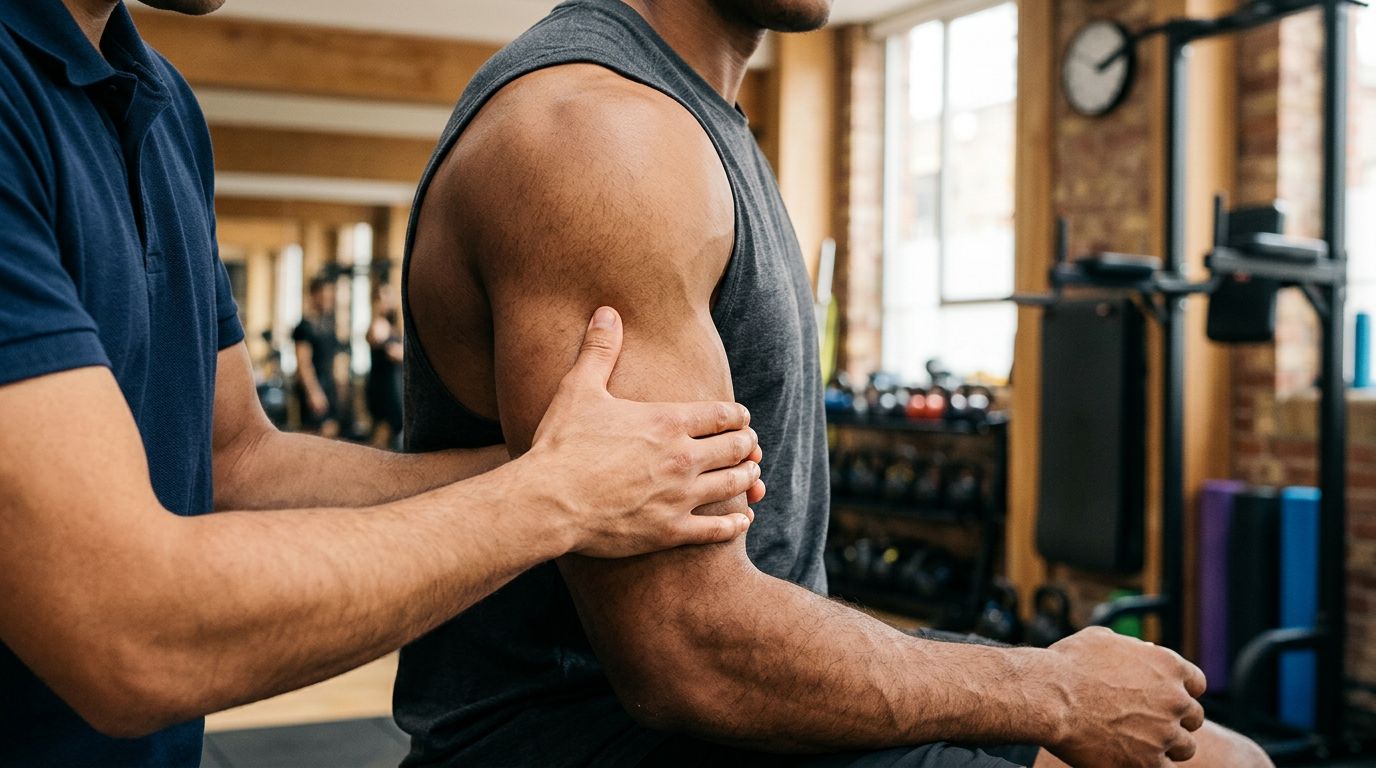
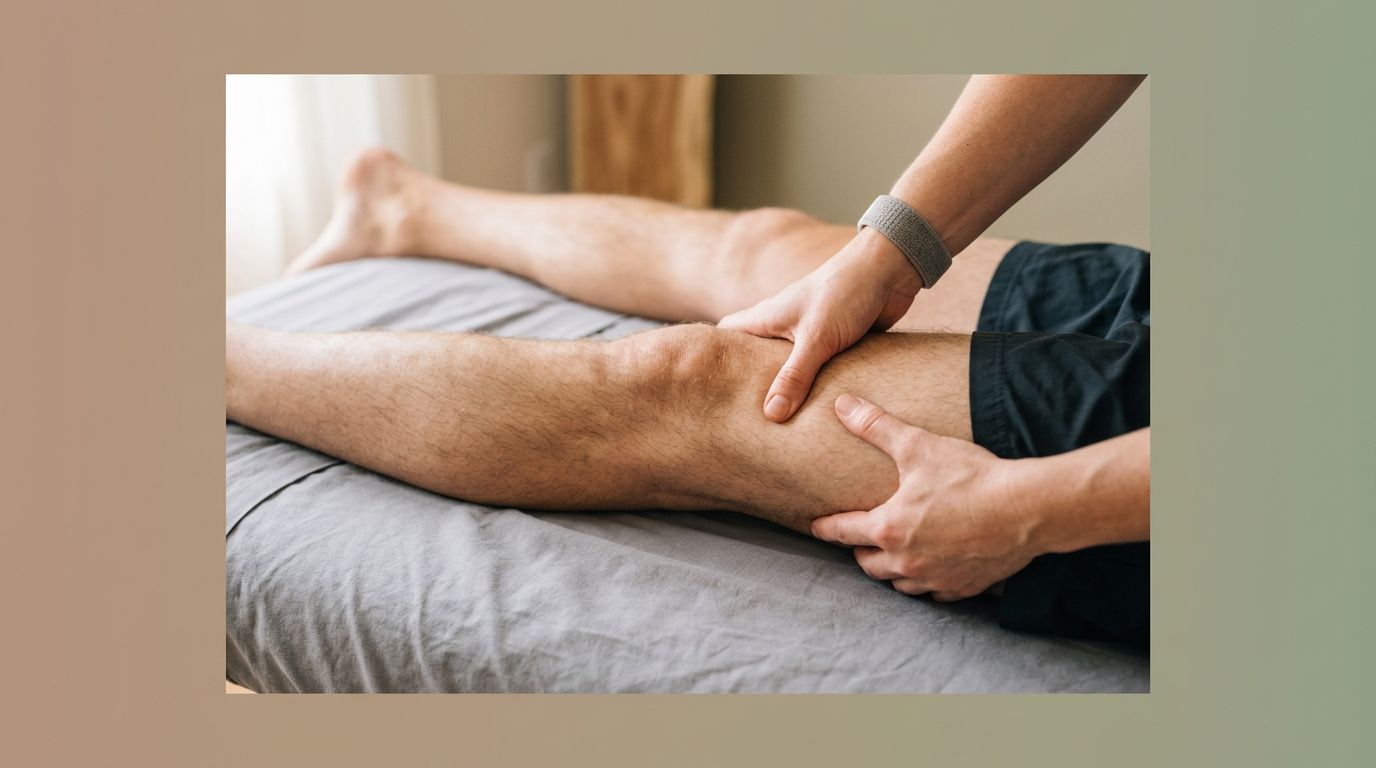
The work usually focuses on the extensor muscles on the top of the forearm, the brachioradialis, and the tissues around the outer elbow. Slow compressions, light stripping strokes, and careful trigger point work may help the muscles let go. If the neck and shoulder are tight, they may need attention too, because tension there can travel down the arm.
If the ache keeps returning, therapeutic massage services can help calm the surrounding tissue and make day-to-day movement feel easier. The goal is less guarding, less strain, and better comfort during work.
Sharp pain, numbness, or weakness deserves a closer look. Massage should never make the arm feel more irritated afterward.
Pressure matters here. Deep work can help some people, but only when it stays within a comfortable range. A skilled therapist will adjust based on your feedback and avoid pressing directly into pain that feels nerve-like.
What a session may feel like
A session often starts with a short conversation about where the pain lives and what makes it worse. Typing, mouse use, lifting, sleeping position, and old injuries all matter. That helps the therapist decide whether the problem looks more like muscle overuse, joint strain, or a nerve issue that needs extra care.
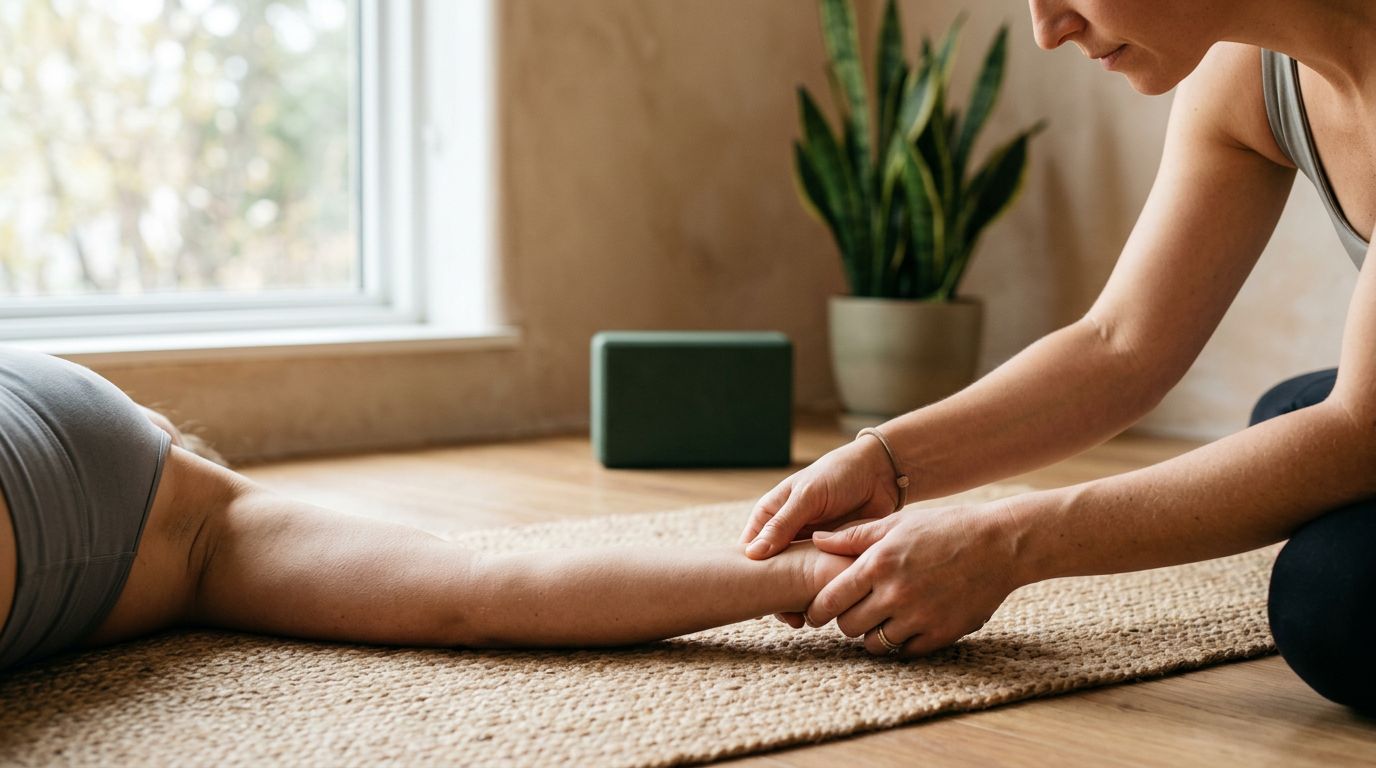
Then the forearm is usually treated with the arm supported. The therapist may work from the elbow down toward the wrist, then move to the upper arm or shoulder if needed. The touch may feel slow and specific, not rushed.
You should feel pressure, not a fight. Mild soreness after treatment can happen, but pain should not spike sharply during the work. If it does, speak up right away.
After the session, many people do best with water, rest, and short movement breaks. Gentle heat can also help if the area feels tight later in the day. Heavy gripping or a long typing session right after treatment can undo some of the work.
Habits that help the forearm recover
Massage works better when your daily habits stop feeding the strain. Small changes can lower the load on the radial tunnel area and give the tissue a break.
A few simple shifts can help:
- Keep your wrists in a neutral position instead of bent up or down.
- Let your elbows stay close to your sides when possible.
- Take brief breaks every 30 to 45 minutes to open and close your hands.
- Use a lighter grip on the mouse and avoid pressing the keys harder than needed.
- Change hand position now and then so one spot does not do all the work.
- Stop any stretch that causes a sharp or electric feeling.
Forearm stretches can help, but they should stay gentle. A mild pull is fine. Pain that travels, tingles, or makes the hand feel weak is a warning sign.
Ergonomics matters too. A chair that supports your shoulders, a keyboard that keeps your wrists level, and a mouse that fits your hand can all reduce strain. Even better, those changes can prevent the same ache from coming back after a massage gives you relief.
When the pain needs more than massage
Some forearm pain is simple overuse. Other pain needs a medical check. If the ache lasts despite rest, gets worse at night, or starts coming with numbness, tingling, or weakness, don't treat it like routine soreness.
Dropping things, trouble turning the palm up, or pain that flares with every small movement can point to something beyond tight muscle tissue. A clinician can tell the difference and help you avoid making it worse.
The same goes for pain after a fall, swelling, or pain that spreads far beyond the forearm. Massage can support recovery, but it should not replace an exam when the symptoms look off.
Conclusion
A deep forearm ache after typing often builds slowly, then hangs around long after the keyboard is closed. A careful radial tunnel massage can ease the tight tissue around the elbow and forearm, especially when repetitive work is part of the problem.
The best results usually come from gentle pressure, smart pacing, and small changes in how you work. If the pain keeps returning, or if it starts to feel sharp, numb, or weak, it's time to get it checked.
Recent Posts