Tibialis Anterior Massage for Shin Ache After Fast Walking

STILL Massage + Skin • June 25, 2026

Share this article

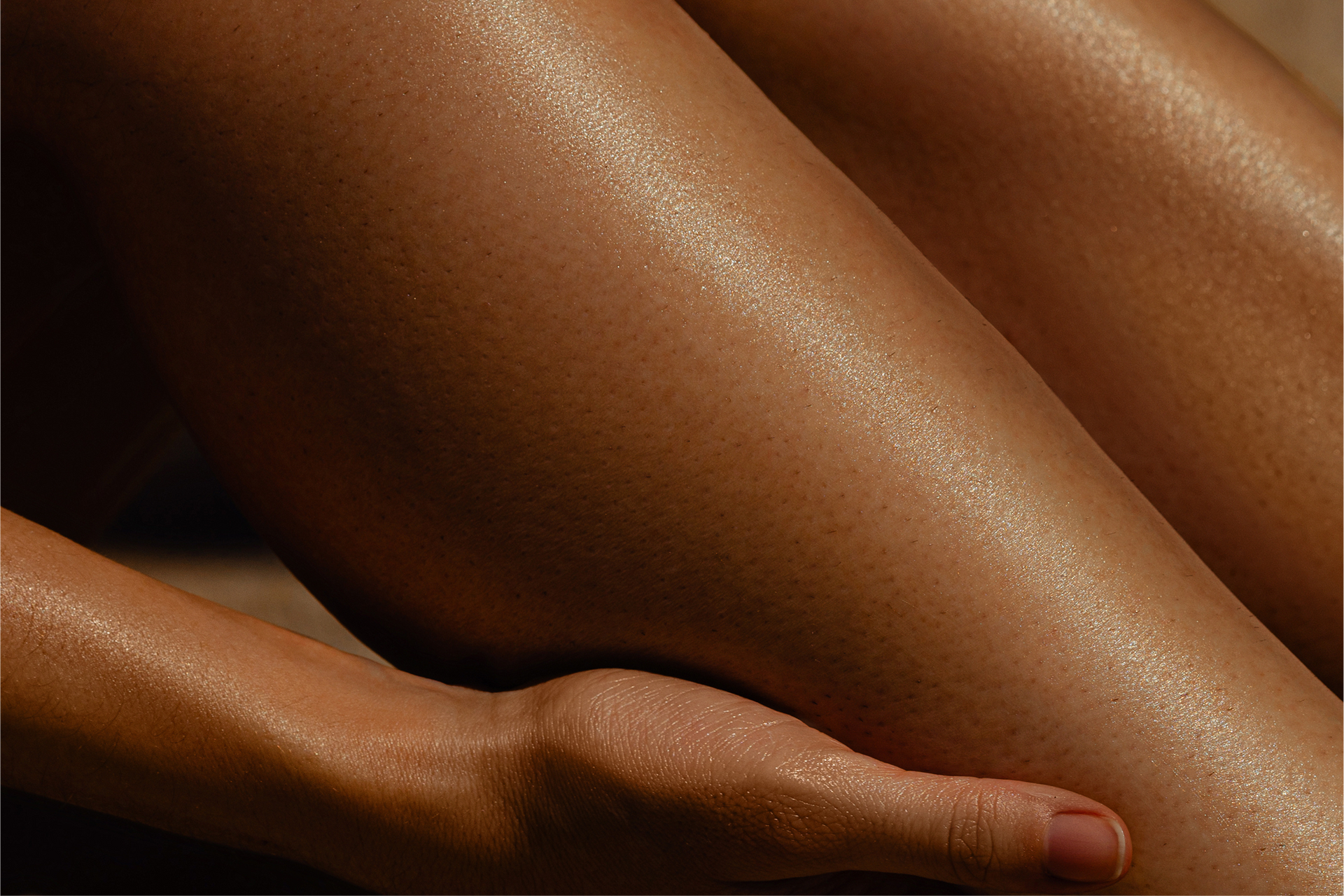
Fast walking can wake up muscles you barely notice during an easy stroll. When the front of your shin feels sore afterward, a careful tibialis anterior massage can help the area relax and recover.

That ache often comes from overworked muscle tissue, but sometimes it points to something that needs more than home care. Knowing which one you're dealing with keeps you from pressing on the wrong spot and hoping for the best.

Why fast walking can leave the front of your shin sore

The tibialis anterior runs along the front and outer side of the shin. It lifts your foot as you step, helps control how the foot lowers, and works harder when you walk fast.

That extra work adds up quickly. A brisk pace means more toe lift, more foot control, and more repeated tension through the lower leg. Hills, hard pavement, worn shoes, and a sudden jump in distance can make the muscle complain even louder.

The pain often feels dull, tight, or tender to the touch. You may notice it when you climb stairs, walk uphill, or pull your toes up after a long walk. That pattern points to muscle overload more than a bone problem.

Still, not every shin ache is the same. Use the table below to separate common muscle fatigue from signs that deserve more attention.

More likely muscle fatigue Get checked sooner
Dull ache after a fast walk Sharp pain with each step
Tender front-of-shin muscle Swelling, bruising, or numbness
Improves with rest and light massage Pain that keeps building or lasts for days

A sore muscle usually eases with rest, gentle pressure, and better pacing. A pain pattern that changes fast or gets worse needs a closer look.

Sharp pain, swelling, numbness, or pain that keeps building after you stop walking needs medical evaluation.

What tibialis anterior massage can do

A good massage does not just chase pain. It helps the tissue soften, lets blood move through the area, and lowers the grip of tense muscle fibers.

The tibialis anterior sits in a narrow space, so pressure should stay controlled. Slow work on the muscle belly feels better than hard digging near the bone. That's one reason many people get relief from light, steady strokes instead of aggressive pushing.

Tibialis anterior massage can help when the ache comes from:

  • Muscle tightness after a long or fast walk
  • Overuse from hills, speed work, or new shoes
  • Local trigger points that feel like small tender knots
  • Stiff ankles or calves that force the shin to work harder

Massage works best when the whole lower leg gets attention. The calf, ankle, and foot all affect how the tibialis anterior performs. If one part stays tight, the shin often picks up the slack.

For pain that keeps coming back, therapeutic massage sessions can help address the lower leg as a whole, not only the sore spot. That broader view matters when your walking pattern keeps loading the same tissue.

A safe self-massage routine for the tibialis anterior

Self-massage should feel controlled, not intense. Aim for relief, not punishment.

Start by sitting with the lower leg relaxed. Warm the area first with a short walk, ankle circles, or a warm towel. Cold, tense tissue usually resists pressure.

Then follow these steps:

  1. Find the muscle , trace the front and outer edge of the shin, just off the bone. The tibialis anterior feels soft and slightly rope-like when you press it gently.
  2. Use light pressure first , your fingers, thumbs, or a soft massage ball can work. Stay on the muscle, not the shin bone.
  3. Stroke slowly upward , move from the ankle toward the knee in short passes. Keep the pace slow and steady for 30 to 60 seconds.
  4. Pause on tender spots , hold gentle pressure on a tight area for 10 to 15 seconds. Breathe and let the muscle soften.
  5. Stop before it hurts , discomfort should stay mild. If the area feels sharp, hot, or bruised, back off right away.
  6. Finish with movement , ankle circles, heel raises, or a short easy walk help the muscle settle after massage.

A small amount of pressure often works better than a hard push. The goal is to calm the tissue, not stir up more irritation.

If you're using a massage ball, place it against a wall or floor and keep the pressure low. Rolling too hard along the shin can make the muscle guard even more.

Habits that keep the ache from coming back

Massage helps, but the real fix usually includes a few walking changes. If fast walking keeps triggering shin ache, the muscle may be doing more than it should.

Shorter strides often help right away. Long steps pull the foot forward and make the front of the shin work harder to control each landing. A slightly quicker step with less reach can reduce that load.

Shoes matter too. Worn-out soles, poor support, or a shoe that feels too stiff can change how the lower leg works. If your shoes are old or uneven on the bottom, that can feed the problem.

These habits usually help the most:

  • Ease into pace changes instead of jumping straight into long fast walks
  • Warm up the ankles and calves before you head out
  • Rotate walking shoes if you walk often
  • Add calf and shin strength work a few times a week
  • Take rest days after longer or faster walks

Calf stretches can also help, because tight calves make the shin work harder. A simple wall stretch or step stretch after walking is enough for many people. Just keep the stretch gentle and short.

If you walk for exercise, pay attention to the surfaces too. Hard pavement, steep hills, and long downhill sections can all increase strain on the front of the lower leg.

When shin pain needs a closer look

Some shin aches settle down with rest and better pacing. Others keep coming back because the problem sits deeper than a tight muscle.

Get checked if the pain is sharp, one-sided, or tied to swelling. A stress injury, nerve irritation, or compartment problem can feel different from a simple sore muscle. Pain that wakes you up, changes your walking, or lasts well after the walk deserves attention.

Also watch for numbness, tingling, redness, warmth, or pain that gets worse the more you move. Those signs do not fit a routine post-walk muscle ache.

A skilled therapist can still be part of the solution. They can work around the lower leg, check the surrounding tissue, and keep the pressure appropriate for what your body is telling them. If your shin pain feels more like repeated tension than a true injury, that kind of hands-on care can be a smart next step.

Conclusion

Fast walking can place a surprising load on the tibialis anterior, especially when your pace changes too fast or your shoes are working against you. A gentle tibialis anterior massage can ease that front-of-shin tightness and help the muscle recover.

The best results usually come from pairing massage with smarter walking habits, like shorter strides, a brief warm-up, and enough rest between harder sessions. If the pain is sharp, swollen, or lingering, it's time to get it looked at.

A sore shin often settles faster when you treat the muscle early and keep the pressure gentle.

Recent Posts

By STILL Massage + Skin June 24, 2026
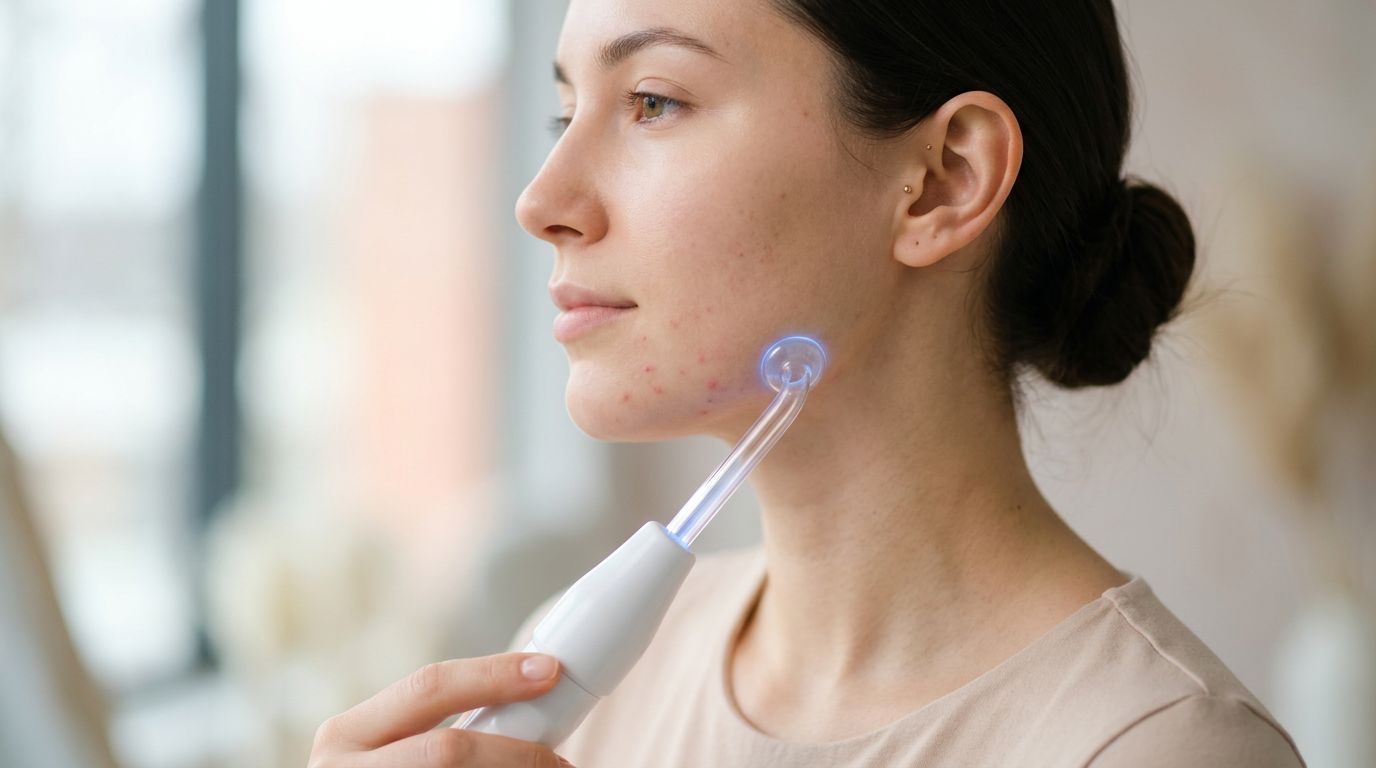
Jawline breakouts have a way of sticking around after the rest of your skin settles down. A high-frequency facial for hormonal acne can be a smart option when you want to calm active blemishes without harsh scrubbing or heavy products. Hormonal acne is stubborn because it ofte...
By STILL Massage + Skin June 23, 2026
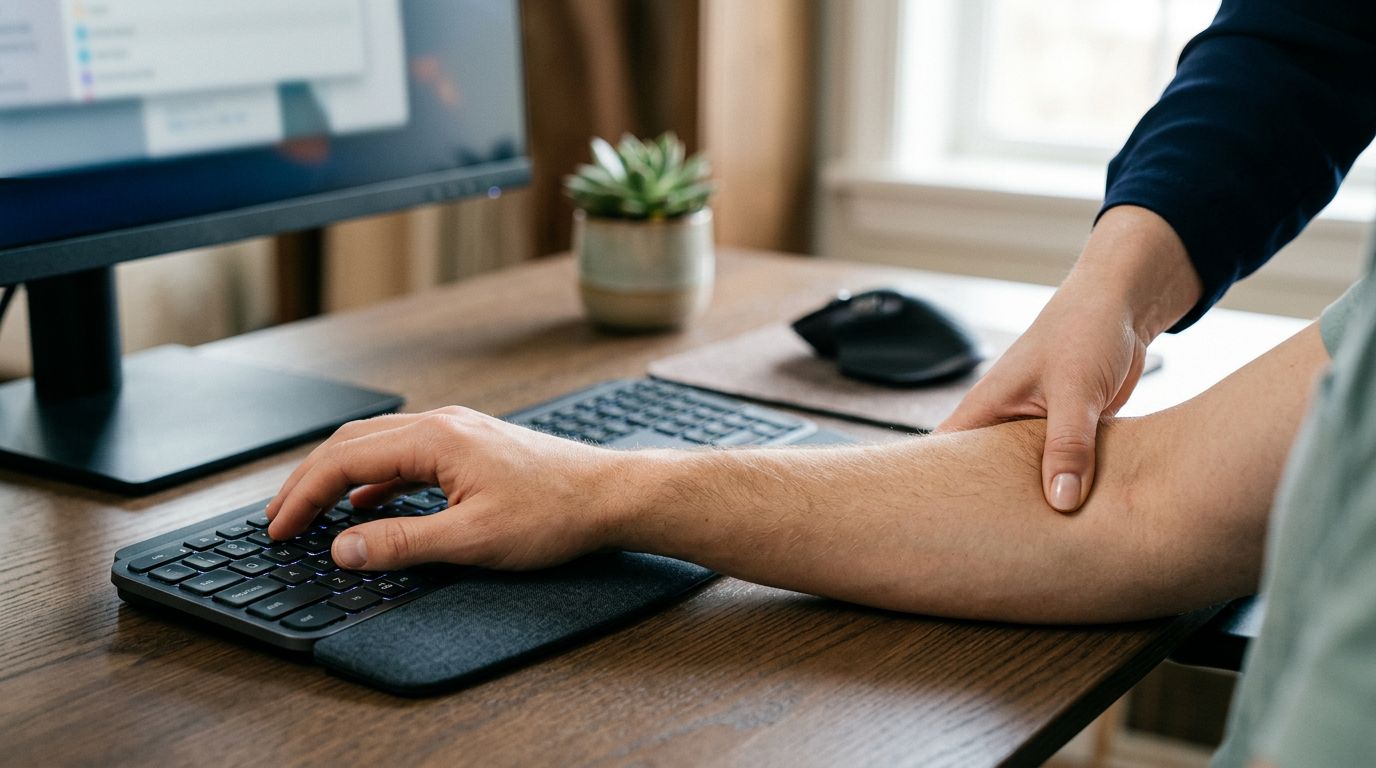
Typing all day can leave your forearm feeling like it has been worked with a dull tool. The ache may sit near the outside of the elbow, travel down the top of the forearm, or show up after a long stretch at the computer. A gentle radial tunnel massage can help when tight muscl...
By STILL Massage + Skin June 22, 2026
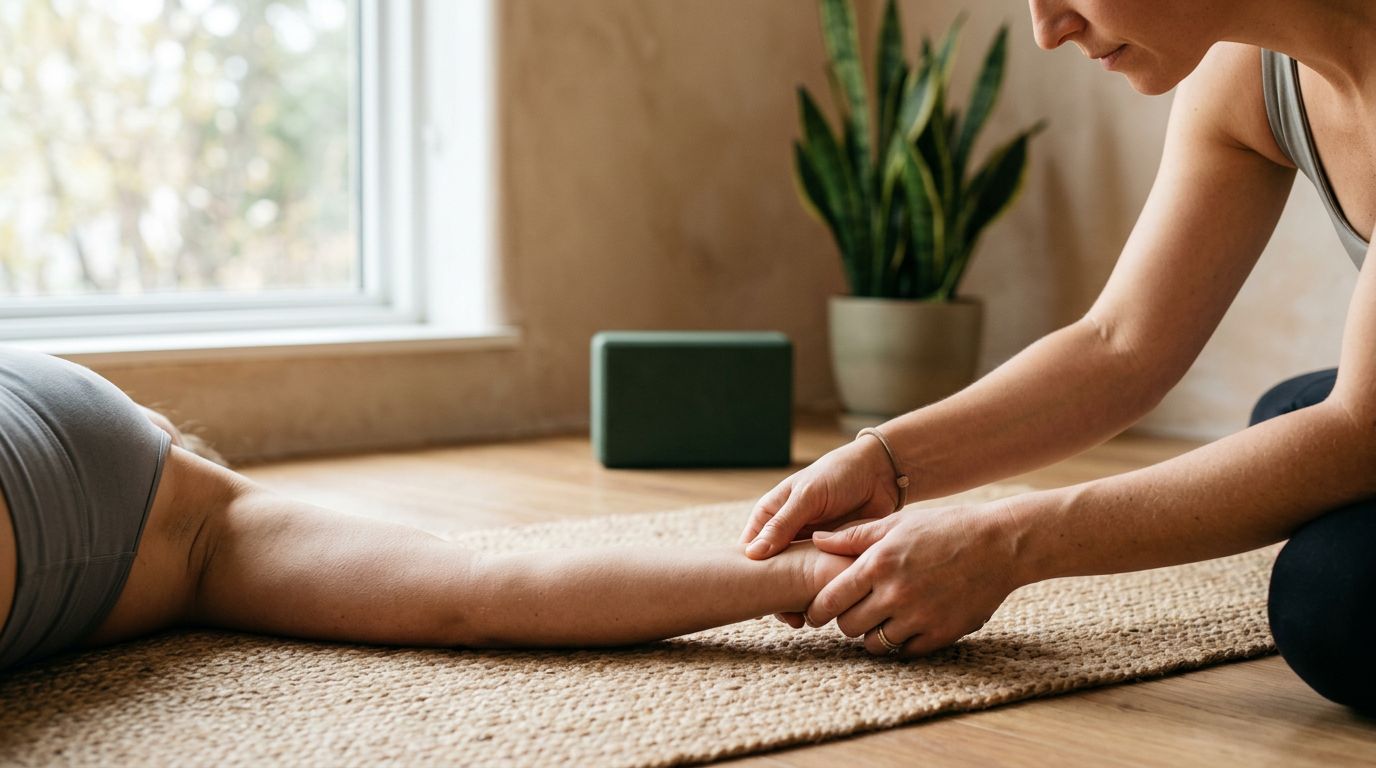
Wrist soreness after yoga often starts in the forearm, not the joint itself. The flexor carpi radialis helps bend and steady the wrist, so poses like downward dog, plank, and low push-up can make it work overtime. When that muscle gets irritated, the ache can feel like tightne...

By STILL Massage + Skin June 21, 2026
Dull skin can make your face look tired, even when you feel fine. If makeup clings to rough spots or your skin never looks quite bright, microdermabrasion for dull skin may be the reset you need. This treatment helps lift away buildup that sits on the surface and keeps skin lo...
By STILL Massage + Skin June 20, 2026
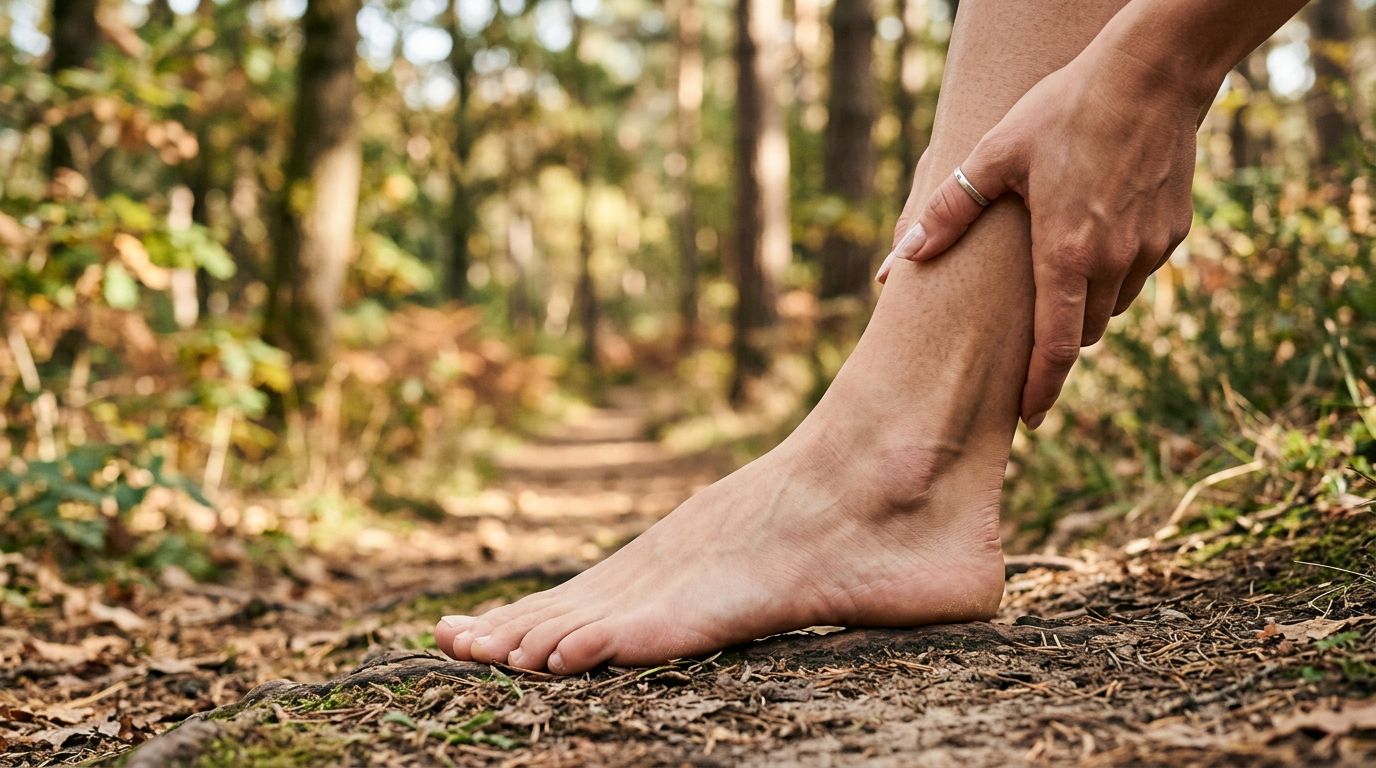
Toe cramps after a long walk can stop you in your tracks. One minute you're enjoying the pace, the next your toes lock up and refuse to relax. When that happens, flexor digitorum longus massage can ease the deep tension that runs through the foot and lower leg. This muscle hel...

By STILL Massage + Skin June 19, 2026
Sun spots, dull patches, and rough texture can make skin look older than it feels. A chemical peel for sun damage can help soften that look by lifting away damaged surface cells. The experience is usually more manageable than people expect, but the details matter. When you kno...
By STILL Massage + Skin June 18, 2026
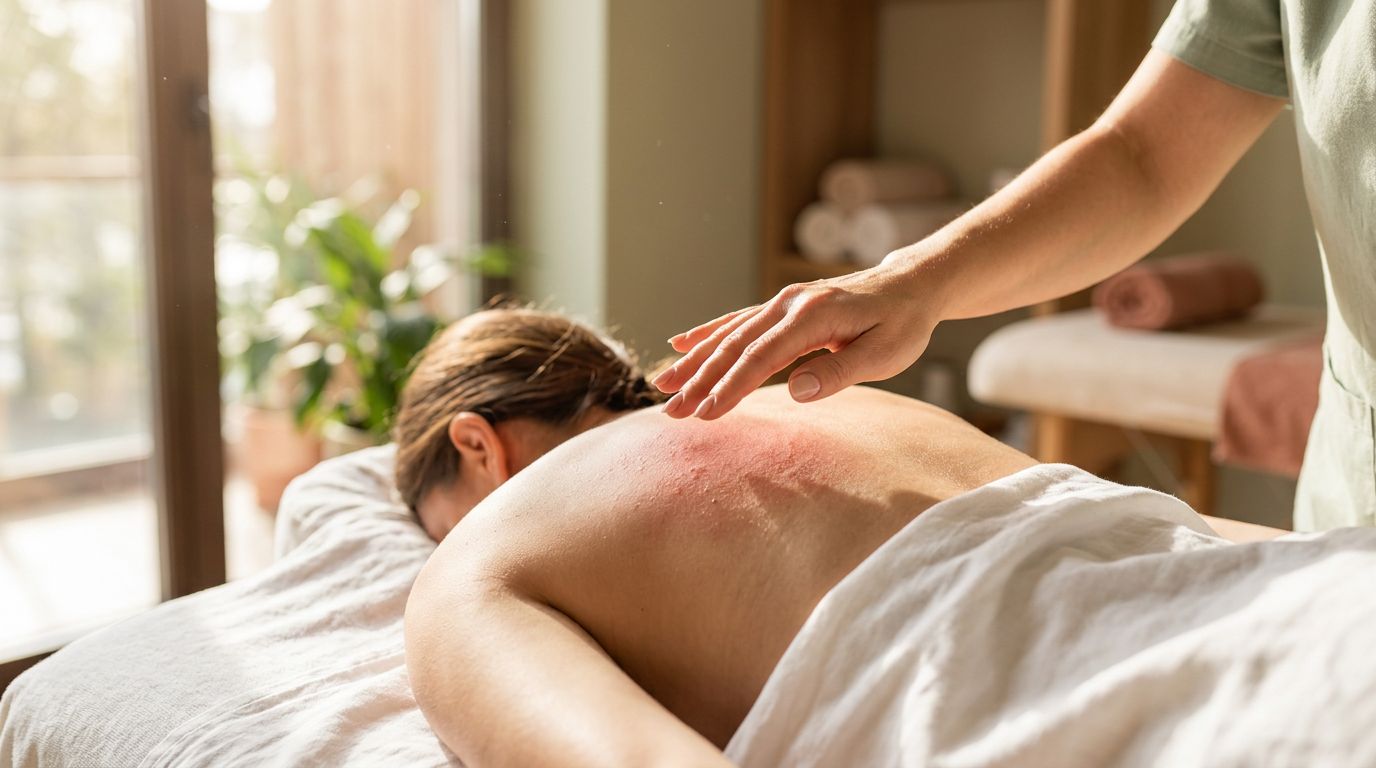
A sunburn can turn a relaxing massage into a sharp, uncomfortable experience. If your skin feels hot, tender, or tight, massage sunburned skin is usually a bad idea. The pressure, heat, and friction can make the burn sting more. It can also leave you feeling more sore afterwar...
By STILL Massage + Skin June 17, 2026
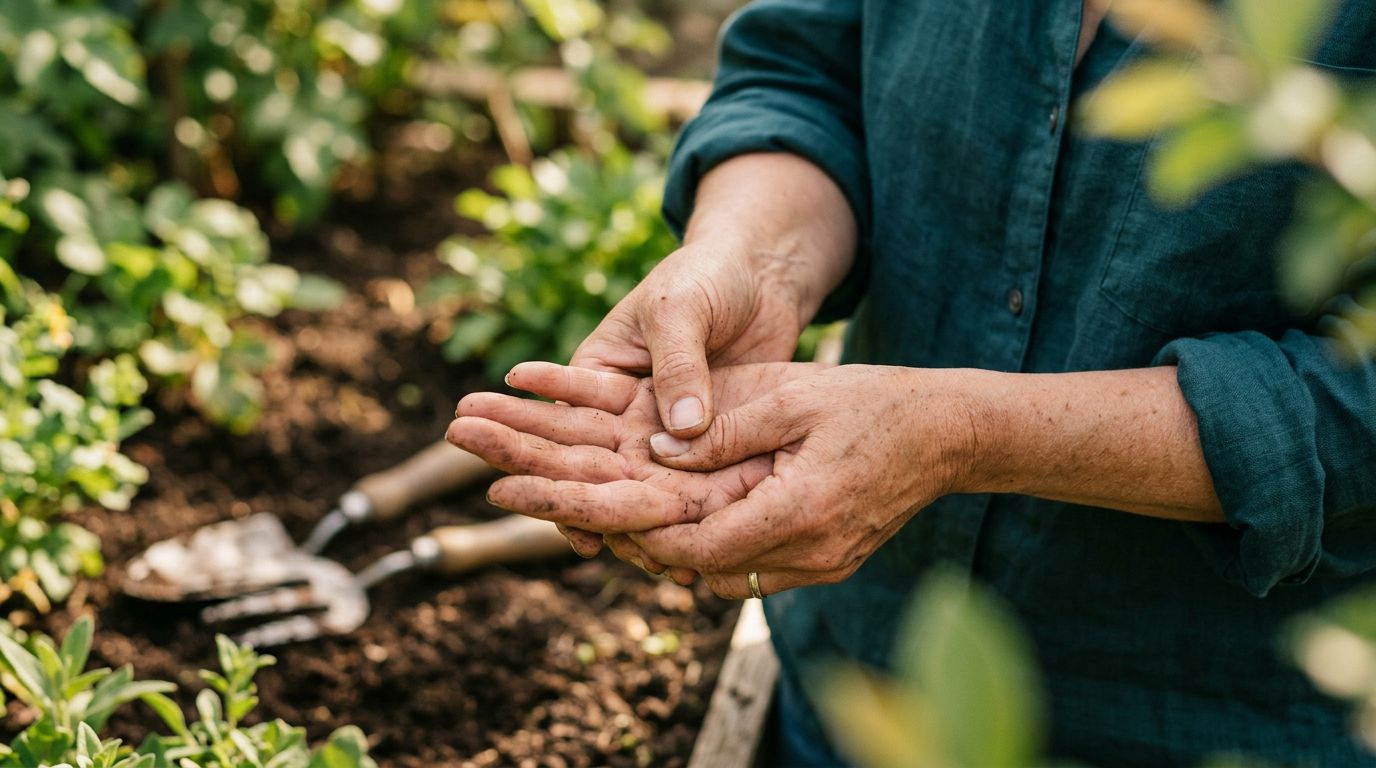
Gardening can leave your hands tighter than you expect. One long afternoon of pruning, pulling weeds, and gripping tools can trigger that stubborn cramp in the palm or across the fingers. That tight, clenched feeling often shows up after the work is done. Your hands may feel s...
By STILL Massage + Skin June 16, 2026
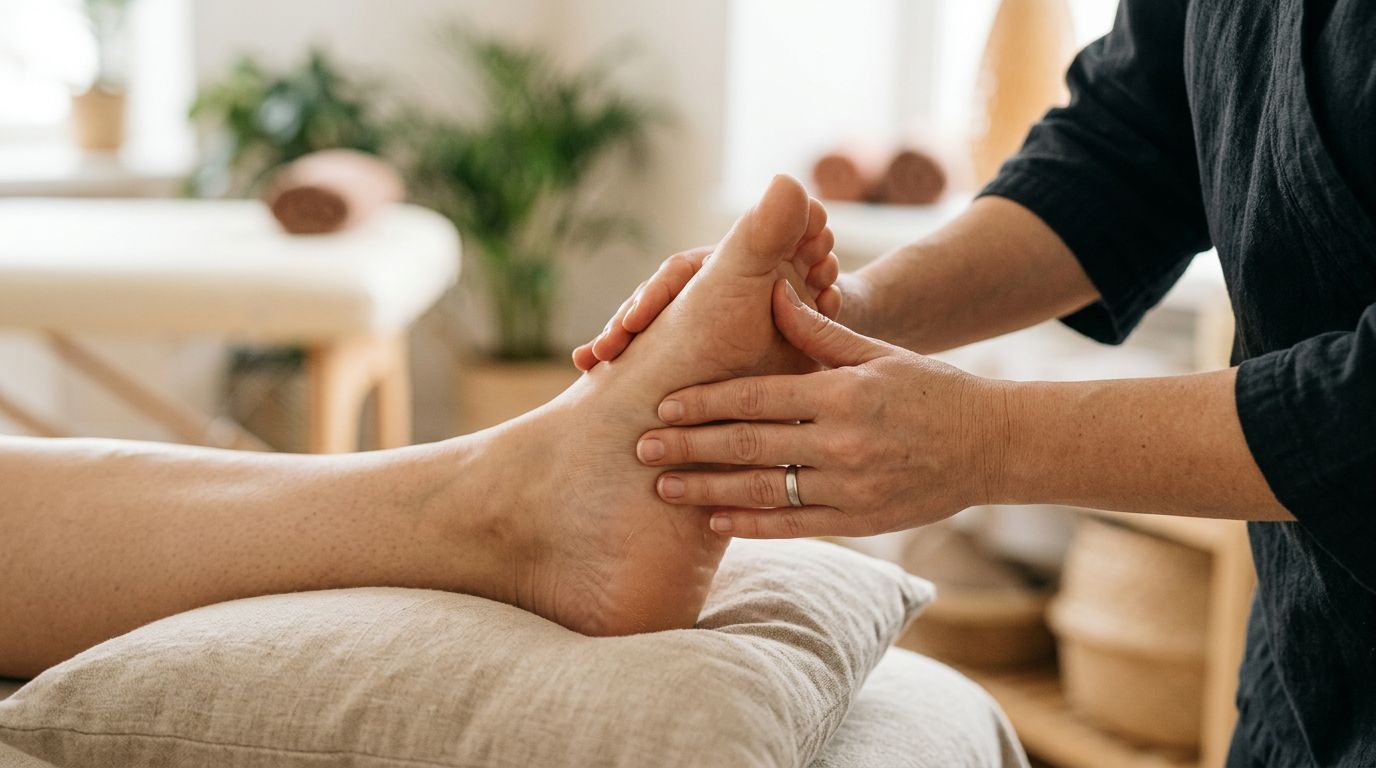
Pain under the big toe can turn an ordinary walk into a careful shuffle. If the small bones under that joint are irritated, every push-off can feel sharp, sore, and hard to ignore. A sesamoiditis massage can help, but only when it focuses on the tissues around the joint instea...
By STILL Massage + Skin June 15, 2026
Pinky-side forearm tightness can make simple things feel annoying fast. Opening jars, holding a phone, lifting weights, or even resting your arm on a desk can start to ache. The flexor carpi ulnaris is often part of that story. This muscle sits along the inner edge of the fore...
Show More