Can You Get a Massage With Varicose Veins?
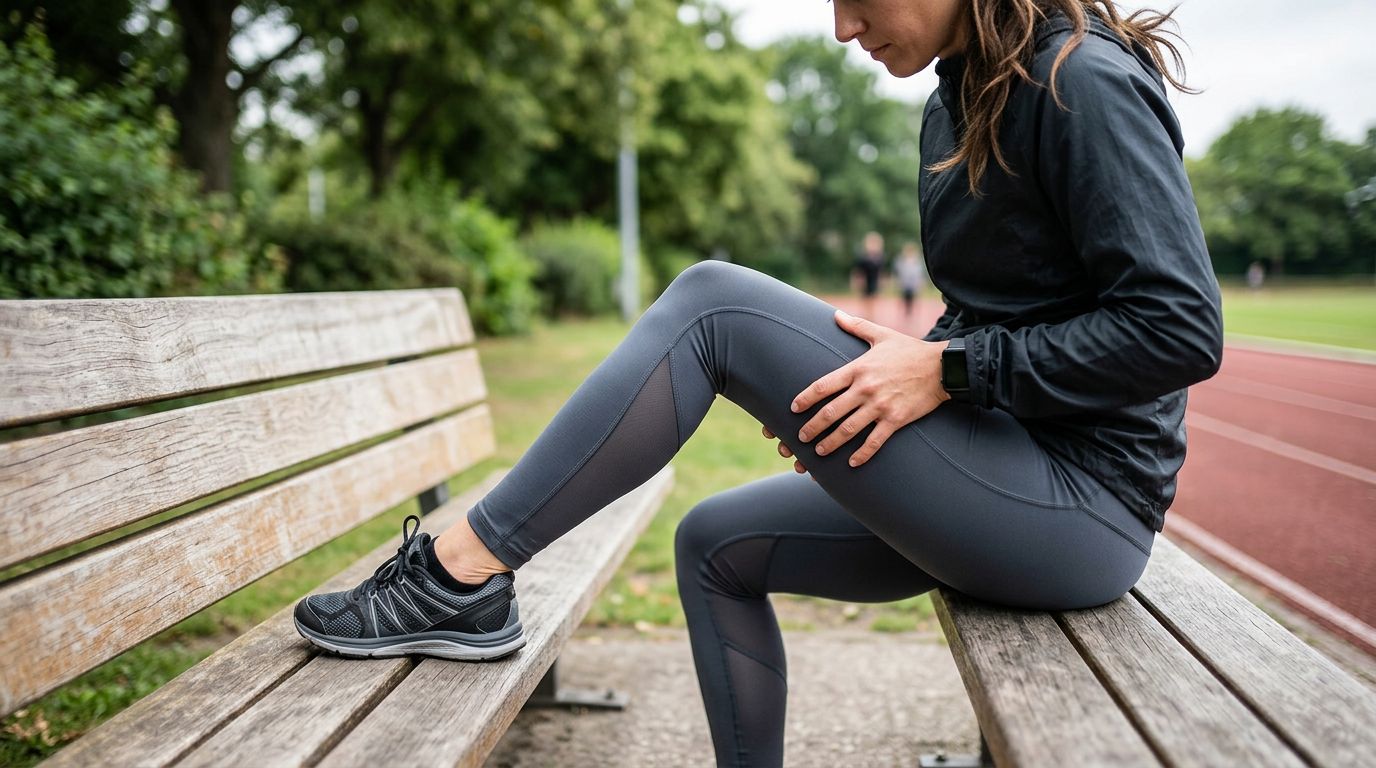
Varicose veins can make you second-guess even a simple leg massage. One wrong move can sound like it might turn a relaxing hour into a bad idea.
The good news is that massage with varicose veins is often possible. The catch is that the style, pressure, and placement matter a lot. A gentle session can feel comforting, while heavy pressure over swollen veins can make the area more sore.
If your legs ache, feel heavy, or swell by the end of the day, massage may still fit your routine. The key is knowing when to book, when to adjust, and when to stop and get medical advice first.
Is massage safe when you have varicose veins?
For many people, yes, massage can be safe with varicose veins. The therapist just needs to avoid pressing directly on the veins themselves and work with a lighter touch.
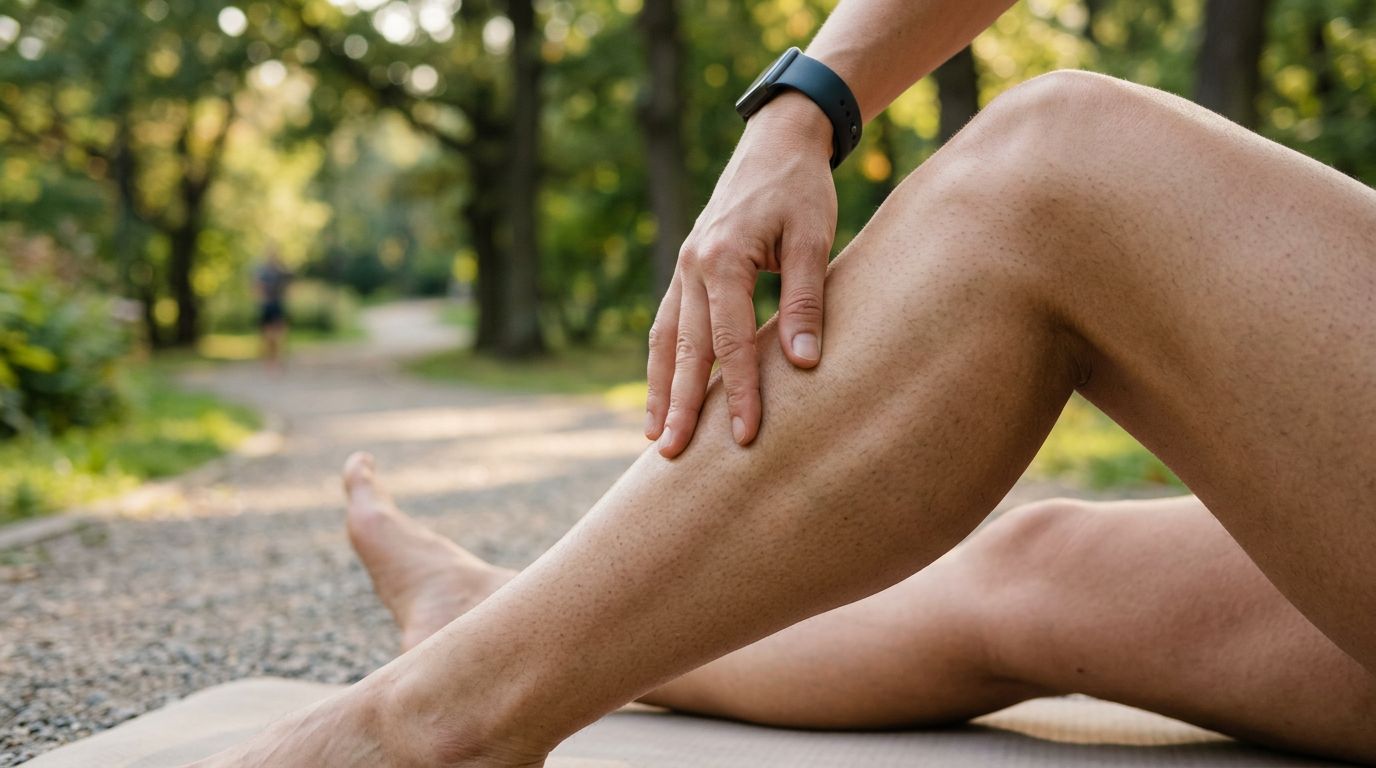
Varicose veins are enlarged veins close to the skin. They can feel tender, warm, or tight. Because of that, deep pressure on those spots can be uncomfortable. It can also leave bruising more easily in some people.
A careful massage may still help the muscles around the legs, hips, and lower back. That can reduce the feeling of heaviness that often comes with standing or sitting for long periods. Still, the massage should focus on the surrounding tissue, not on the visible vein.
Gentle pressure is usually the safer choice. Direct pressure over painful or swollen veins is not.
If your veins are mild and your skin feels normal, a session may be fine with the right adjustments. If the area is hot, red, very swollen, or painful to the touch, skip the massage and get checked first.
Which massage styles are usually safer?
Some massage styles fit better than others when varicose veins are part of the picture. The table below gives a quick side-by-side view.
| Massage style | Usual fit | Why it may help or hurt |
|---|---|---|
| Light Swedish massage | Often a good choice | Uses smooth, gentle strokes and can avoid direct pressure on veins |
| Manual lymphatic drainage | May be helpful with clearance | Very light touch may suit swollen legs, but it should be done by someone trained in the method |
| Deep tissue massage | Often not the best choice | Firm pressure can irritate tender tissue and may leave bruising |
| Hot stone or very warm treatments | Use caution | Heat can make swelling feel worse for some people |
A light, calming session is usually easier on the legs than a strong, muscle-breaking approach. That does not mean you have to skip massage altogether. It means the therapist should work with your body, not push through it.
If you want a session shaped around comfort and pressure control, therapeutic massage treatments are a sensible place to start.
The safest choice also depends on where the veins are located. Some people have them only in the calves or behind the knees. Others have them higher up on the thigh. The closer the therapist gets to an angry-looking vein, the more cautious they need to be.
When you should skip massage and get checked first
Not every leg symptom is just a sore muscle or a tired vein. Some signs need medical attention before any massage happens.
Watch for these warning signs:
- One leg swelling more than the other : Sudden one-sided swelling can point to a clot or another issue.
- Warmth, redness, or hard tenderness : These signs can mean inflammation or a vein problem that needs care.
- A painful cord-like area : A vein that feels hard or ropey should not be treated like normal muscle tension.
- Skin changes or sores : Darkening skin, open spots, or leaking fluid deserve a medical check.
- Chest pain or shortness of breath : This is urgent and needs emergency care right away.
A massage therapist should never try to work through a leg that looks inflamed or feels sharply painful. If you have a history of blood clots, recent surgery, pregnancy-related concerns, or a new vein problem, ask a doctor before booking bodywork.
How to tell your massage therapist what you need
A good massage starts with clear communication. If you mention your varicose veins before the session, your therapist can plan around them instead of guessing.
Start with the basics. Tell the therapist where the veins are, which spots feel tender, and whether swelling changes through the day. If you wear compression stockings, mention that too. If you have a doctor's advice about pressure or positioning, share it.
Then be clear about what feels okay and what doesn't. A therapist can work around the legs, but they should avoid heavy pressure right over visible veins. They can also adjust the table position, use pillows under the knees or ankles, and keep the session shorter if needed.
A few simple points help a lot:
- Say if your legs are more swollen at certain times of day.
- Point out any area that feels hot, sore, or extra sensitive.
- Ask for lighter pressure before the session starts.
- Speak up right away if something hurts during the massage.
Good bodywork should feel steady and controlled, not forceful. If the therapist keeps checking in and makes small changes, that's a strong sign they're paying attention.
What helps between massage sessions
Massage can be one part of leg comfort, but daily habits matter too. Small changes often make the biggest difference in how your legs feel.
Movement helps blood flow. Short walks, calf raises, and regular position changes can keep your legs from feeling stiff. If you sit for long stretches, stand up often. If you stand all day, sit down and rest when you can.
Leg elevation can also help at the end of the day. Lying down with your feet propped up gives the veins a break from gravity. Many people feel the difference after just a few minutes.
Compression stockings may also help, but only if a doctor recommends them or you already use them. They can be useful for people who spend long hours on their feet.
Heat deserves care as well. A very hot bath, sauna, or heated massage tool may make swelling feel worse for some people. If warmth helps you relax, keep it mild and pay attention to how your legs respond.
Hydration matters more than people think. Water won't fix varicose veins, but it does support circulation and overall recovery. When your body feels dry and tense, soreness can feel louder.
What a smart massage plan looks like
The best massage plan is simple. It respects the veins, uses light to moderate pressure, and stays away from any area that feels inflamed or unusual.
That approach can still leave room for relief. Tight calves, stiff hips, and lower-back tension often respond well when the therapist avoids the vein itself. In many cases, that is enough to make a session feel restorative without taking risks.
If your legs change from day to day, your massage should change too. Some days need extra care. Other days feel fine with a normal light session. Your therapist should be ready to adjust each time.
Varicose veins do not automatically rule out massage. They do call for more awareness, more honesty, and a lighter touch. When those pieces are in place, bodywork can fit comfortably into a broader self-care routine.
Conclusion
You can often get a massage with varicose veins, but the right approach matters. Gentle pressure, clear communication, and attention to warning signs all help keep the session safe.
If the veins are painful, swollen, hot, or paired with new one-sided leg symptoms, pause and get medical advice first. When the legs are stable and the massage stays light, comfort and caution can go together .
Recent Posts