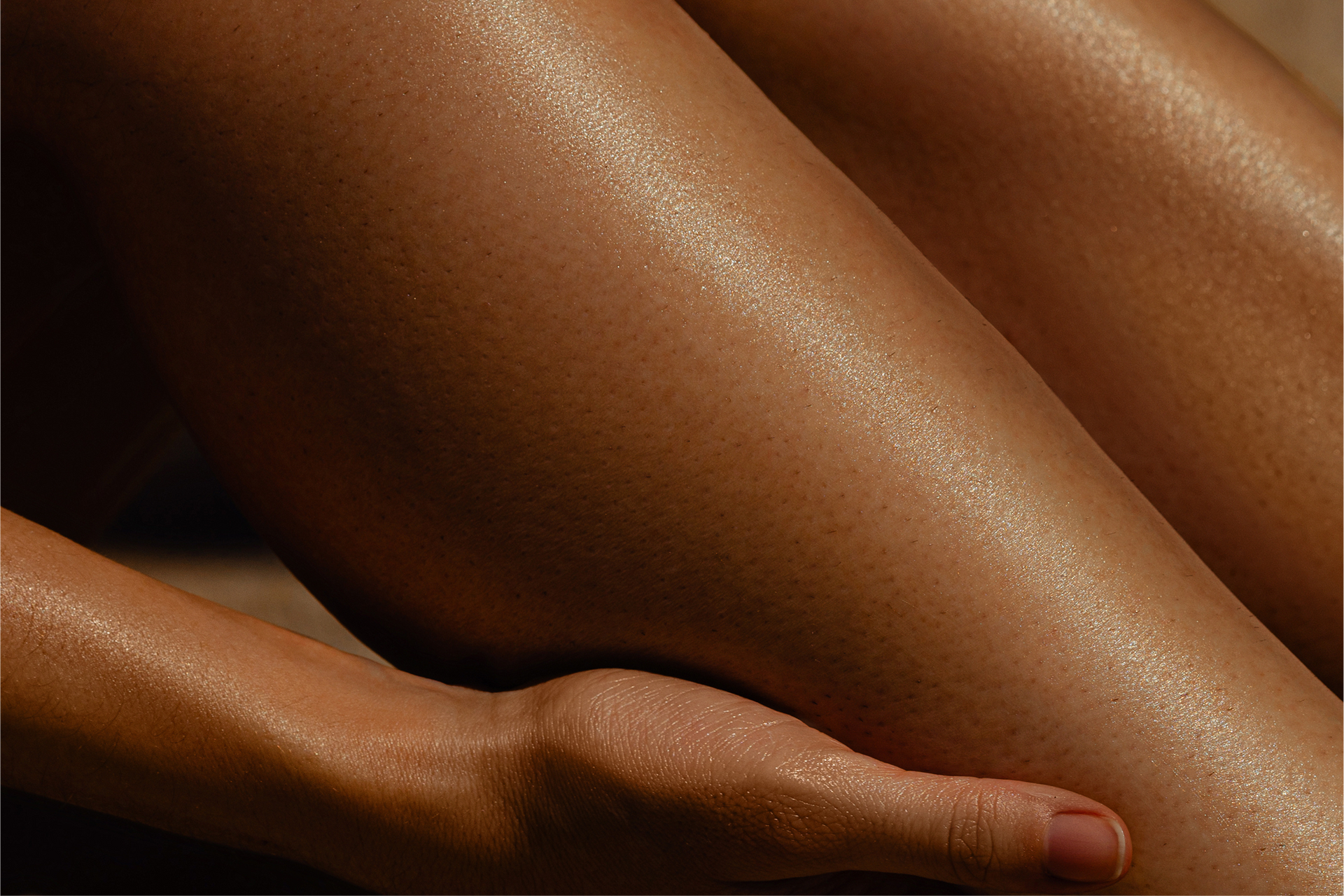

Chemical Peel for Sun Damage and Uneven Tone

STILL Massage + Skin • June 19, 2026

Share this article

Sun spots, dull patches, and rough texture can make skin look older than it feels. A chemical peel for sun damage can help soften that look by lifting away damaged surface cells.

The experience is usually more manageable than people expect, but the details matter. When you know what the visit feels like, how your skin may react, and how to care for it afterward, the whole process feels less intimidating.

How a Chemical Peel Helps Sun Damage and Uneven Tone

Sun damage often shows up as brown spots, a blotchy cast, or skin that looks tired no matter how much moisturizer you use. A chemical peel works by loosening the top layer of old skin so newer skin can come forward.

That can help with more than color alone. Many people also notice smoother texture, fewer rough patches, and a brighter look overall.

Not every dark mark is caused by the sun, though. Acne marks, post-inflammatory discoloration, and hormone-related patches can look similar. That is why a good skin check matters before you choose a peel strength.

Peels also come in different depths. A lighter peel is often a good starting point for mild uneven tone. A stronger peel may be used when discoloration is more obvious, but it usually comes with more downtime.

Peel depth What it may feel like Common downtime Best for
Light peel Mild tingling, warmth, tightness 1 to 3 days Dullness, surface discoloration, early sun damage
Medium peel Stronger sting or heat Several days to about a week More visible sun spots, rough texture, uneven tone
Deeper peel More intense treatment and aftercare Longer recovery More advanced damage, selected cases only

For most people, the best results come from the right peel level, not the strongest one. Skin that stays calm usually heals better and looks more even.

What Happens During the Peel Appointment

Most visits start with a consultation. The provider looks at your skin tone, texture, current products, and any recent irritation. If your skin is sunburned, freshly waxed, or already inflamed, the peel may need to wait.

Next comes cleansing. The skin should be free of makeup, oil, and residue so the peel can work evenly. Sensitive areas around the eyes, lips, and corners of the nose are protected.

Then the peel solution is applied. Some formulas stay on for a set time and are then removed. Others keep working after you leave. During that part, many people feel warmth, tingling, or a light sting.

That sensation should be tolerable, not overwhelming. A good provider checks your skin as the peel goes on and watches for signs that it needs to be stopped or neutralized.

After the peel, your skin may look pink or slightly shiny. That is common. You may also leave with a simple care plan, because what you do after the appointment shapes the final result.

If your skin needs more ongoing support, customized facial treatments can help keep it balanced between peel visits.

What the First Few Days Usually Feel Like

The first few days can feel a bit like a mild sunburn. Your skin may be tight, dry, or more sensitive than usual. Redness is common, and some peels cause a faint brown cast before the old skin starts to shed.

Flaking often begins within a few days, but timing varies. Some people peel in tiny dry patches. Others shed in thin sheets. A few people barely peel at all and still get a brightening effect.

Picking at flakes slows healing and can leave you with more uneven tone.

That is one of the biggest mistakes people make. Scratching, rubbing, or peeling skin off early can create new irritation where you were trying to fix old damage.

Keep the routine simple during this stage. Gentle cleansing, plenty of moisturizer, and steady sun protection matter more than extra products. Strong acids, scrubs, and retinoids usually need to stay out of the mix until the skin settles.

Results also build over time. A single peel can brighten the surface, but deeper sun damage often needs a series of treatments. Patience pays off here.

How to Prepare Your Skin Before the Visit

A smoother peel begins before you walk in the door. The goal is to arrive with skin that is calm, even, and not overworked.

For several days before your appointment, many providers ask you to pause products that can make skin more reactive. That often includes retinoids, exfoliating acids, scrubs, and at-home peel pads. If you use prescription skin care, ask before changing anything.

It also helps to skip anything that can irritate the area, including recent waxing on the same skin. Waxing removes the top layer of skin along with hair, so the skin needs time to recover first. The same goes for sunburn and active breakouts.

A few simple prep steps go a long way:

  • Keep your skin out of direct sun as much as possible.
  • Use a gentle cleanser and plain moisturizer.
  • Avoid self-tanner before the appointment.
  • Arrive with clean skin and no makeup, unless told otherwise.

Prepping well does two things. It lowers the chance of irritation, and it helps the peel work more evenly. That matters when you want to fade sun damage without stressing the skin.

Protecting Results After the Peel

After the appointment, sunscreen becomes non-negotiable. Fresh skin is more likely to darken again if it gets too much UV exposure. Broad-spectrum SPF, a hat, and shade help protect the work you just did.

Heat can also bother healing skin. Hot yoga, steam rooms, saunas, and hard workouts may need to wait until your provider says the skin is ready. You want healing, not a flare-up.

Keep moisture levels steady as well. A bland moisturizer often works better than a long list of active ingredients. If your face feels tight, that is a sign to keep things simple.

If you like regular skin care but want to stay gentle, schedule support between peel sessions instead of crowding your skin. Some people do well with a facial plan that keeps hydration up while they space out stronger treatments. For clients who also wax or get brows shaped, timing matters there too, because treated skin needs a calm window.

The best protection plan is boring in the best way. Cleanse gently, moisturize, protect from sun, and let the skin finish healing before you add more treatment.

A Clearer Look Starts With the Right Peel

A chemical peel can be a smart option for sun damage and uneven tone, but the best results come from matching the peel to your skin. Lighter peels work well for surface dullness and early discoloration. Stronger peels may help with more visible spots, but they ask for more recovery.

What to expect is simple once you know the pattern. Mild stinging during the visit, some redness or flaking after, then a steadier improvement in tone and texture over time. The process works best when you protect the skin before and after treatment.

With the right prep, the right aftercare, and the right pace, a chemical peel sun damage plan can leave skin looking calmer, brighter, and more even.

Recent Posts

By STILL Massage + Skin June 18, 2026
A sunburn can turn a relaxing massage into a sharp, uncomfortable experience. If your skin feels hot, tender, or tight, massage sunburned skin is usually a bad idea. The pressure, heat, and friction can make the burn sting more. It can also leave you feeling more sore afterwar...

By STILL Massage + Skin June 17, 2026
Gardening can leave your hands tighter than you expect. One long afternoon of pruning, pulling weeds, and gripping tools can trigger that stubborn cramp in the palm or across the fingers. That tight, clenched feeling often shows up after the work is done. Your hands may feel s...
By STILL Massage + Skin June 16, 2026
Pain under the big toe can turn an ordinary walk into a careful shuffle. If the small bones under that joint are irritated, every push-off can feel sharp, sore, and hard to ignore. A sesamoiditis massage can help, but only when it focuses on the tissues around the joint instea...

By STILL Massage + Skin June 15, 2026
Pinky-side forearm tightness can make simple things feel annoying fast. Opening jars, holding a phone, lifting weights, or even resting your arm on a desk can start to ache. The flexor carpi ulnaris is often part of that story. This muscle sits along the inner edge of the fore...

By STILL Massage + Skin June 14, 2026
Pull-ups can leave the front of your upper arm feeling short, hard, and stubbornly tight. When that happens, the biceps brachii often needs more than a quick stretch. A careful biceps brachii massage can calm that knotty feeling and help the muscle settle after training. It wo...

By STILL Massage + Skin June 13, 2026
Outer hamstring tightness near the knee can feel sharp, nagging, or just plain stubborn. It often shows up after long sitting, running, climbing stairs, or repeated bends at work. The sore spot is usually part of the biceps femoris , the outer hamstring muscle. When that area...

By STILL Massage + Skin June 12, 2026
Long walks should leave you feeling loose, not pinched on the inside of your thigh. When that inner thigh tightness shows up, it can make every step feel shorter, tighter, and more guarded. The gracilis is a small muscle, but it works hard during walking, especially when your...

By STILL Massage + Skin June 11, 2026
Sitting for hours can leave the front of your hip feeling short, pinched, or stubbornly tight. When that discomfort sits high in the groin, the pectineus muscle is often part of the picture. That small muscle can get grumpy after long desk days, car rides, or lazy weekends on...

By STILL Massage + Skin June 10, 2026
Pickleball shoulder pain can show up after a few matches, then hang around long after you leave the court. The same goes for tight forearms, especially when your grip never seems to relax and your shoulder keeps bracing for the next shot. Sports massage can help ease that over...

By STILL Massage + Skin June 9, 2026
Pain on the pinky side of your wrist can make small tasks feel annoying fast. Opening a jar, lifting a bag, or pushing up from a chair can all bring on that same sharp tug. One small forearm muscle, the extensor carpi ulnaris, often plays a bigger role than people expect. When...
Show More