Hypothenar Massage for Pinky-Side Palm Pain After Gripping
A sore pinky-side palm can make even simple tasks feel awkward. Jar lids, dumbbells, tools, grocery bags, and steering wheels all ask the same small part of your hand to work hard.
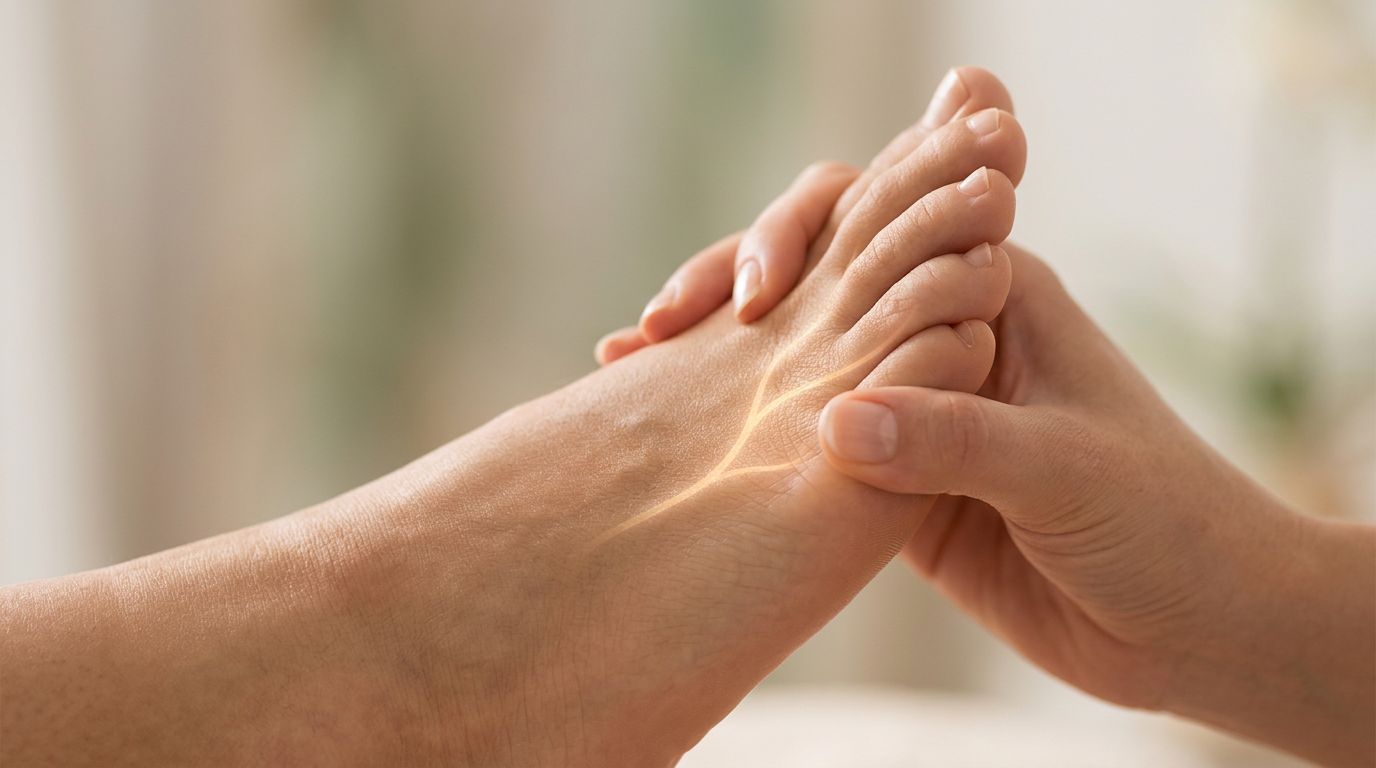
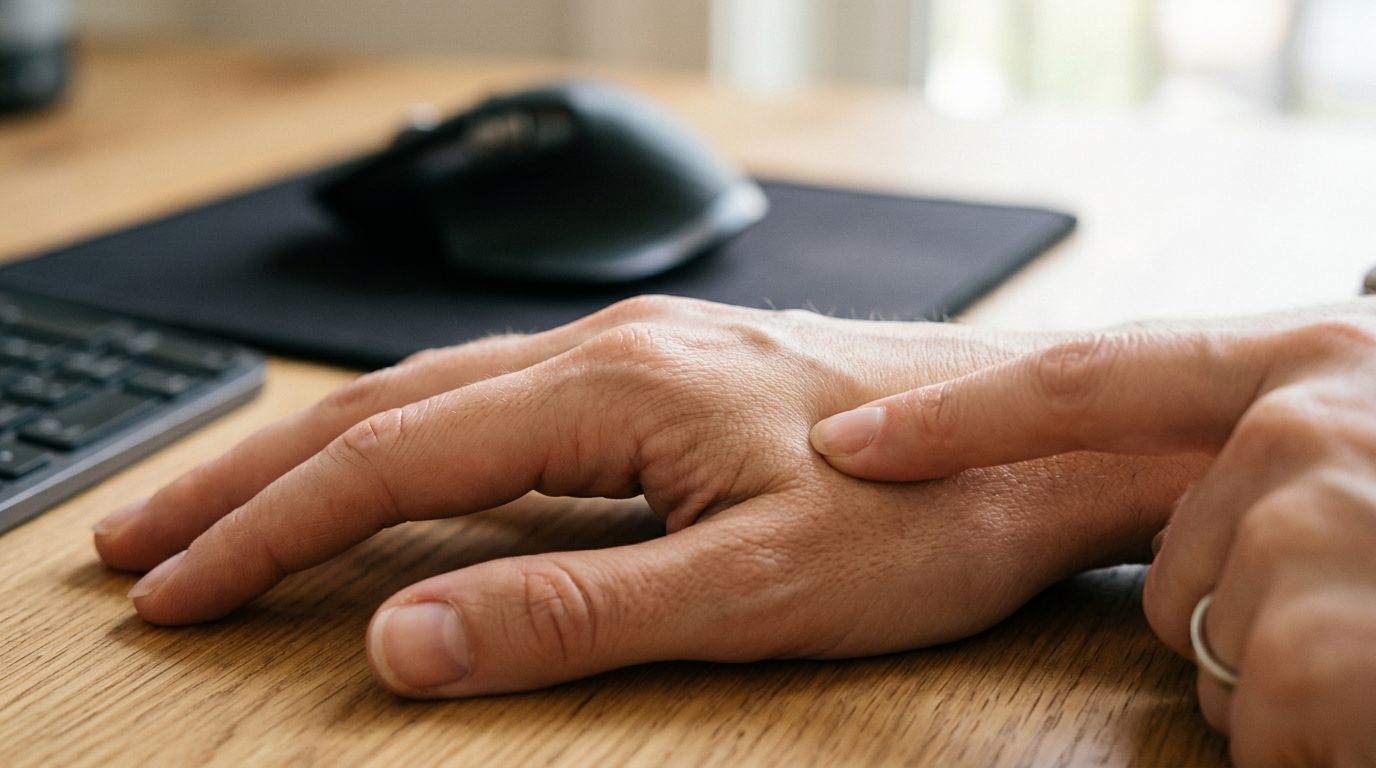
That spot is the hypothenar area, the padded edge of the palm below the pinky. When it gets tight or irritated, a targeted hypothenar massage can ease the pull and help your hand relax again.
The key is pressure that feels calm, not punishing. Your hand needs support after gripping, not another battle.
Why the pinky-side palm hurts after gripping
The pinky side of the palm holds a small group of muscles that help the little finger move and support grip. They sit on top of thicker tissue, so they can get tired fast. Repeated squeezing, carrying, and twisting can make that area feel tender, dense, or bruised.
Gripping pain often starts when the hand keeps bracing for too long. A heavy gym set, a long shift with tools, or even hours on a phone can leave the tissues on the ulnar side of the palm feeling overworked. The forearm can add to the problem, because tight flexor muscles send stress down into the hand.
Sometimes the pain stays in one spot. Other times it spreads into the pinky, wrist, or lower forearm. The feel can change too. It might be dull and achy one day, then sharp and stingy the next.
If the hand feels weak, numb, swollen, or hot, the issue may be more than simple muscle tightness. In that case, massage alone is not the answer.
What hypothenar massage can do for a tired hand
A good palm massage helps the area settle down. It softens the tissue, improves local blood flow, and gives the hand a chance to stop guarding. That matters after gripping, because a guarded hand keeps clenching long after the task is over.
The goal is not to force the tissue flat. The goal is to reduce tension so the muscles can move with less effort. Small, steady pressure usually works better than hard digging.
Gentle pressure often works better than deep force when the palm is already irritated.
That idea matters because the palm is dense and sensitive. Too much pressure can wake up the pain and make the hand tighten more. A calm approach helps the tissue trust the contact.
A helpful session often starts at the palm itself, then moves toward the forearm. That matters because the hand rarely works alone. If the forearm stays tight, the palm keeps taking the load.
A safe hypothenar massage routine you can try at home
Before you begin, rest your hand on a table or your thigh. Warmth helps, so a warm towel or a few minutes under running water can make the tissue easier to work with. Use lotion if your skin drags too much.
- Find the tender edge of the palm.
Place your opposite thumb on the fleshy area below the pinky. Press lightly first. You want the spot that feels tight, not the spot that makes you flinch. - Use small circles or slow sweeps.
Keep the motion slow and controlled. Move in tiny circles, or glide the thumb along the edge of the palm. Stay on one area for 20 to 30 seconds before moving on. - Keep the pressure mild to moderate.
Aim for a feeling of "this is working," not "this hurts." A little discomfort is fine if it fades quickly. Sharp pain means you should back off. - Follow the tissue toward the wrist.
Massage along the pinky-side edge of the hand and into the lower forearm. This helps if the grip strain is traveling up the chain. - Finish with a gentle open-and-close motion.
Open the hand wide, then relax it. Repeat a few times. This lets the palm move after the pressure.
A short session is enough. One to three minutes on the sore area can help more than a long, aggressive routine. If the tissue gets more irritated after massage, the pressure was too much.
What to avoid when the palm is already irritated
A sore hypothenar area needs careful handling. These mistakes can make the pain linger longer:
- Pressing through numbness or tingling. That can signal nerve irritation, not simple muscle tightness.
- Digging into a fresh bruise or swollen area. Inflamed tissue often gets angrier with deep work.
- Holding hard pressure for too long. The palm can tense up in response.
- Ignoring pain that spreads into the ring finger, pinky, or wrist. That pattern may need a closer look.
If the hand feels better for a few minutes and then flares up, the pressure was probably too aggressive. Back up and use slower, lighter contact.
Support the hand between massage sessions
Massage helps more when the hand gets a break from the same stress that caused the pain. Small changes during the day can make a big difference.
Use a wider grip when you can. Thicker tool handles, padded gloves, or a better gym grip can reduce strain on the ulnar side of the palm. Also, switch hands during chores when possible. Even a short rest can keep the tissue from locking up.
Stretching helps too, but keep it gentle. Open the fingers wide, then relax. Flex and extend the wrist a few times. If the stretch creates a pull that feels clean and mild, that's a good sign. If it creates zinging pain, stop.
The forearm matters as much as the palm. Tight forearm flexors can keep the hand in a clenched state. A light forearm massage, plus a few slow wrist movements, often gives the palm room to calm down.
Short breaks help more than one long rest. During repetitive tasks, unclench the hand every few minutes. That simple reset can keep the hypothenar muscles from staying locked in work mode.
When professional massage makes more sense
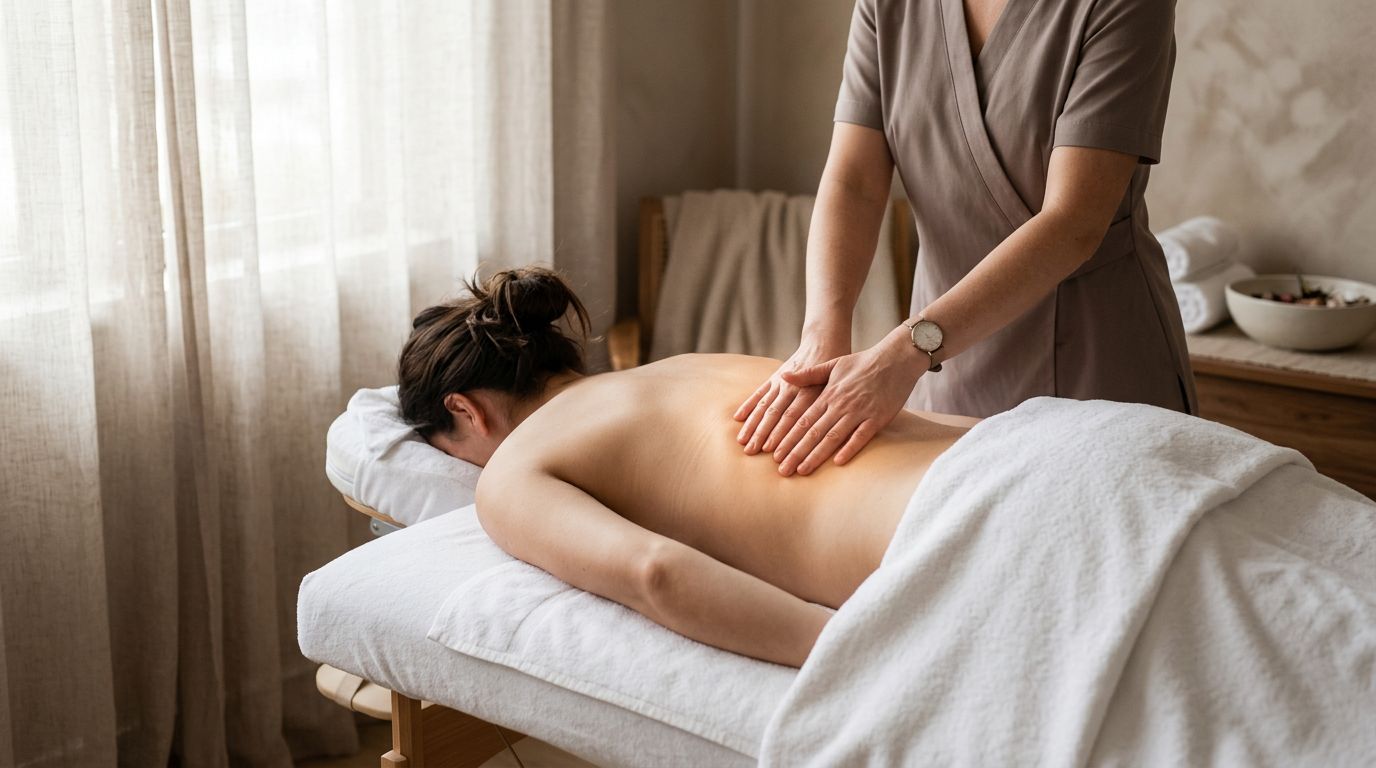
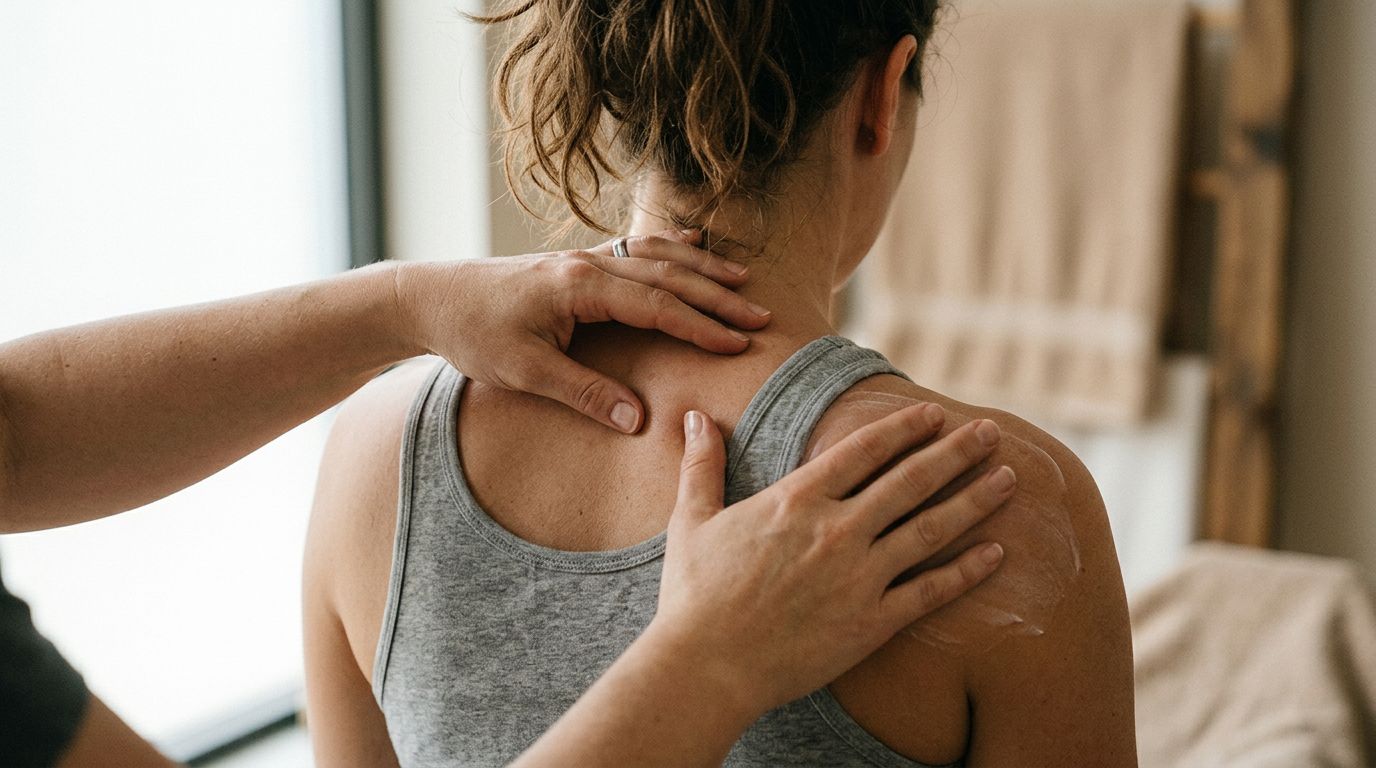
Home care works best for mild, recent soreness. If the pain keeps returning after gripping, or if it follows you through daily tasks, a trained therapist can look at the whole chain, not just the sore spot. That matters when the hand, wrist, forearm, and shoulder all feed into the same strain pattern.
If the soreness keeps coming back, therapeutic massage services in Englewood can help address the hand and the muscles that support it. A therapist can adjust pressure, work around tender tissue, and focus on the areas that are doing too much work.
Professional care is a smart step when:
- the pain lasts more than a few days
- gripping feels weaker than usual
- tingling or numbness shows up
- the palm hurts at rest, not only after activity
- the same spot keeps tightening again and again
That kind of pattern deserves more than guesswork. The earlier you address it, the easier it is to calm down.
Conclusion
Pinky-side palm pain after gripping often comes from overworked tissue at the edge of the hand. A careful hypothenar massage can ease that load, especially when you use light pressure, slow contact, and a little work into the forearm.
The hand usually responds best to patience. Give it less force, more rest, and better support during the tasks that trigger the pain.
If the soreness keeps returning or starts to spread, don't keep pressing through it. The hand is asking for a change, and listening early usually helps the most.
Recent Posts