Deep Tissue Vs Sports Massage For Gym Recovery
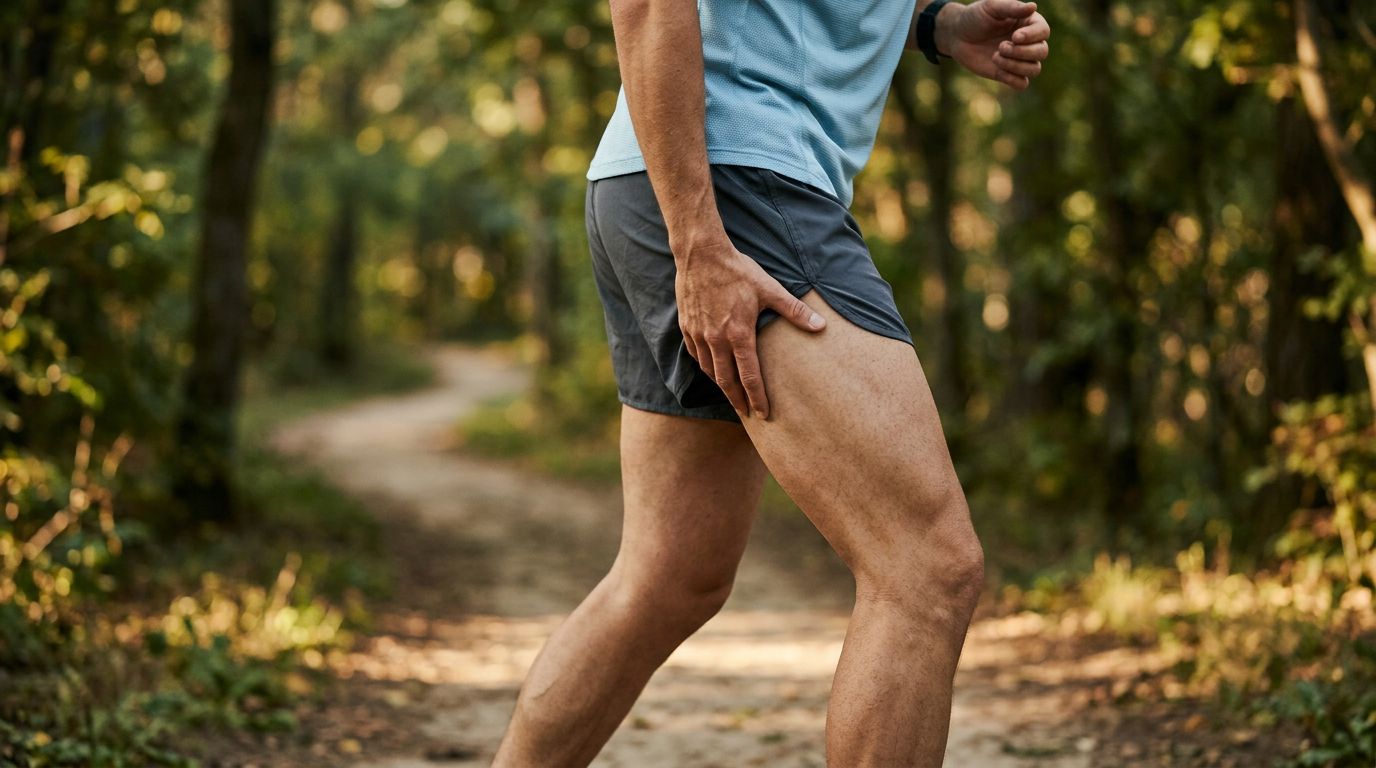
Sore after leg day and not sure which massage to book? When it comes to deep tissue vs sports massage , the best choice depends on your goal, not your pain tolerance.
Deep tissue massage helps most when tension has built up over time. Sports massage makes more sense when your body is active, tired, and trying to bounce back from training. Both can help gym recovery, but they do different jobs.
Once you know how each one works, the choice gets much easier. Think of this as the difference between fixing one stubborn knot and tuning up the whole machine.
What deep tissue massage does after hard training
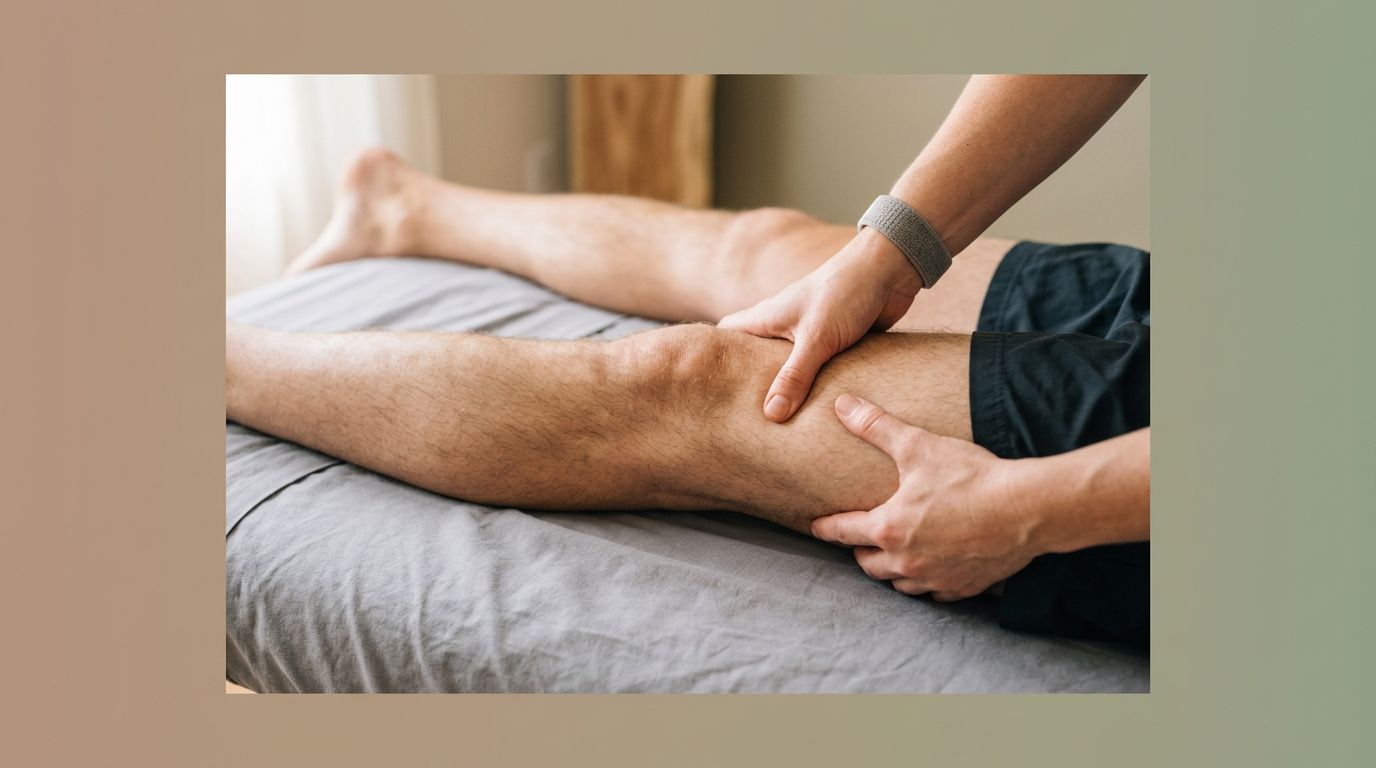
Deep tissue massage targets deeper layers of muscle and fascia with slower, more focused pressure. The goal is not to "win" against your muscles. The goal is to release areas that feel dense, stuck, or hard to loosen.
That makes deep tissue a strong option when you have one problem zone that keeps returning. Maybe your upper traps stay tight after pull days. Maybe your glutes and hips always feel locked up after squats. Or maybe your low back is doing too much work because other muscles are not moving well.
In those cases, deep tissue can feel like untangling a knotted rope. It works below the surface, not just on the top layer. Because of that, it often feels more intense than a general relaxation massage.
Still, more pressure is not always better. A skilled session should feel purposeful, not punishing. If you tense up the whole time, your body may guard instead of letting go. So clear communication matters.
Deep tissue usually fits best when you are dealing with:
- long-term tightness
- limited movement from one stubborn area
- muscle knots that keep affecting training form
- tension from both workouts and daily posture
It may not be the best pick right before a heavy workout. Since the work is more targeted, some people feel tender later that day or the next day. Because of that, many prefer deep tissue on a rest day or during a lighter training window.
If your issue is chronic tightness more than general fatigue, deep tissue often makes the bigger difference.
Why sports massage is built for gym recovery
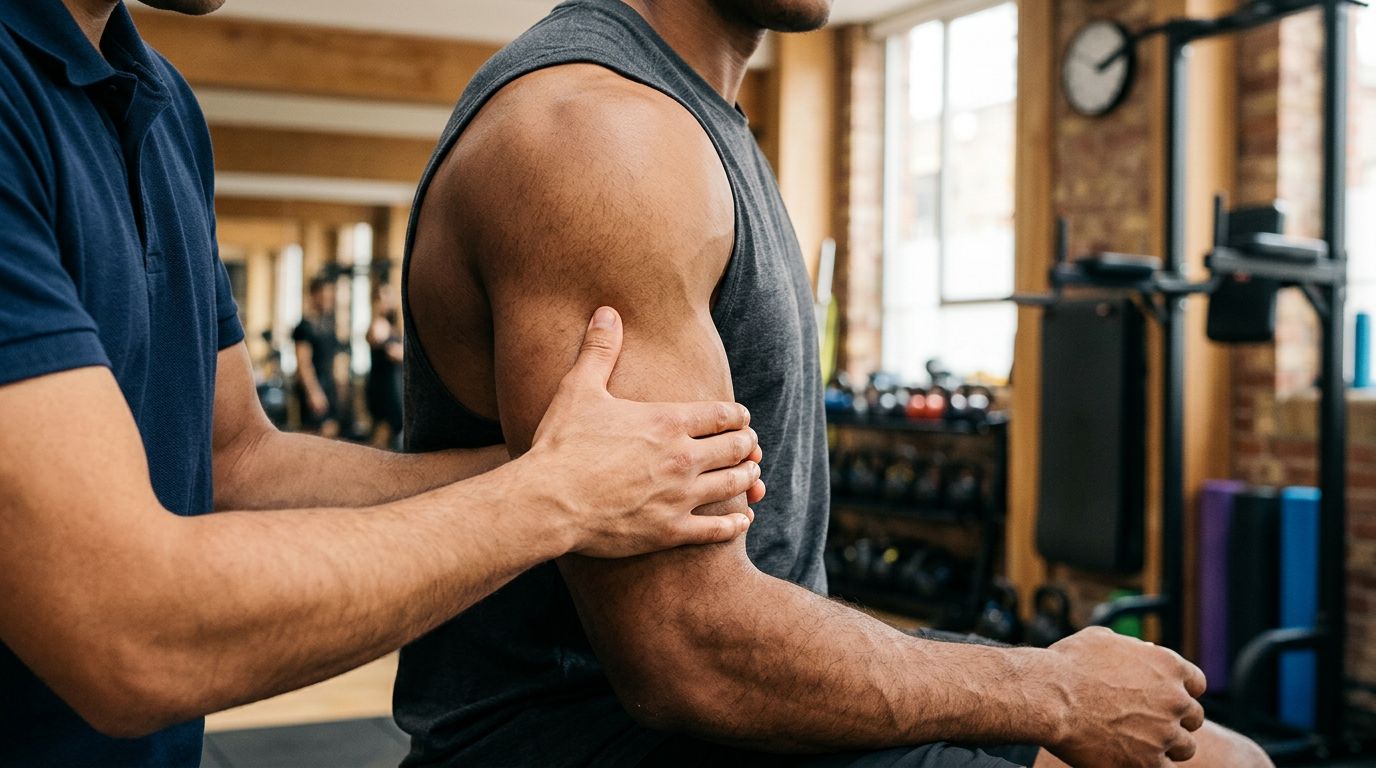
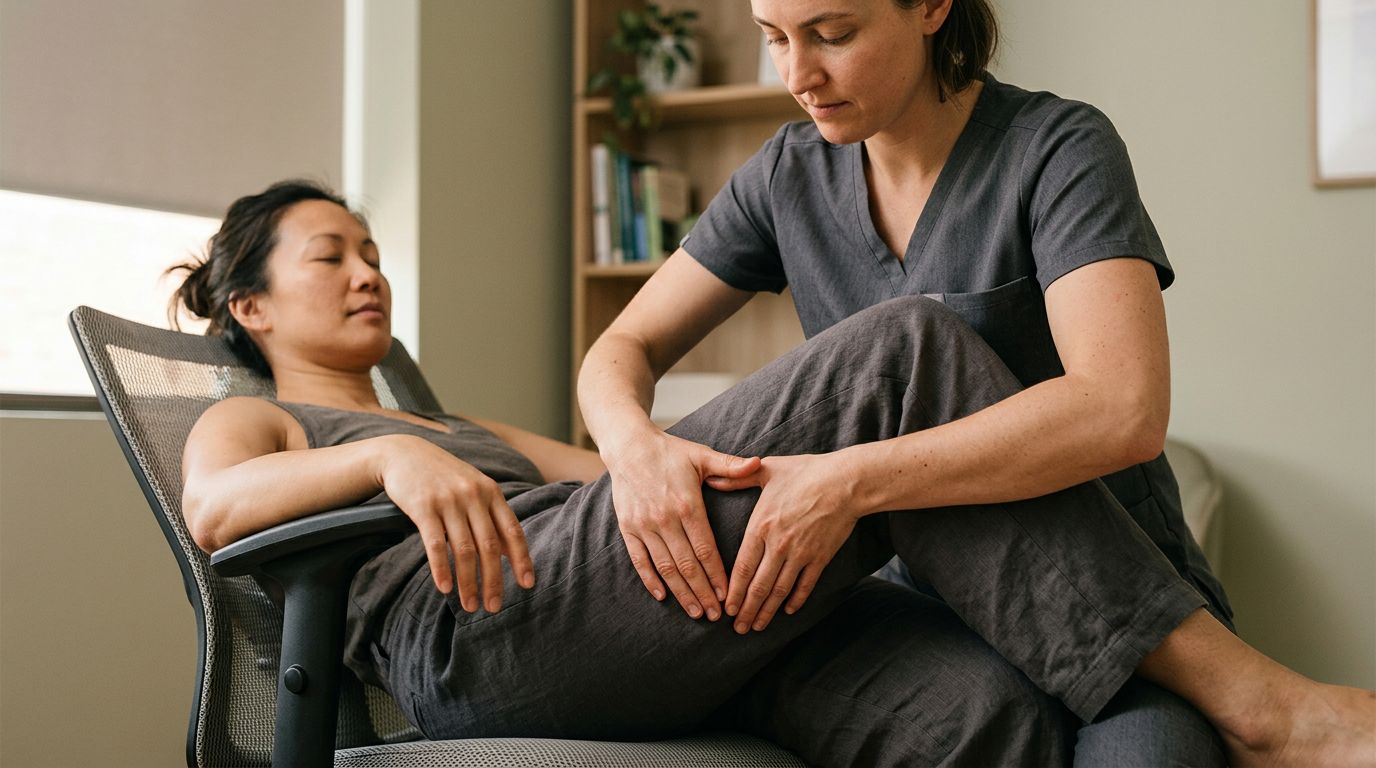
Sports massage is more flexible. It can include firm pressure, but it also uses movement-based work, compression, stretching, and faster techniques when needed. Instead of focusing only on one deep knot, it looks at how your body is performing and recovering.
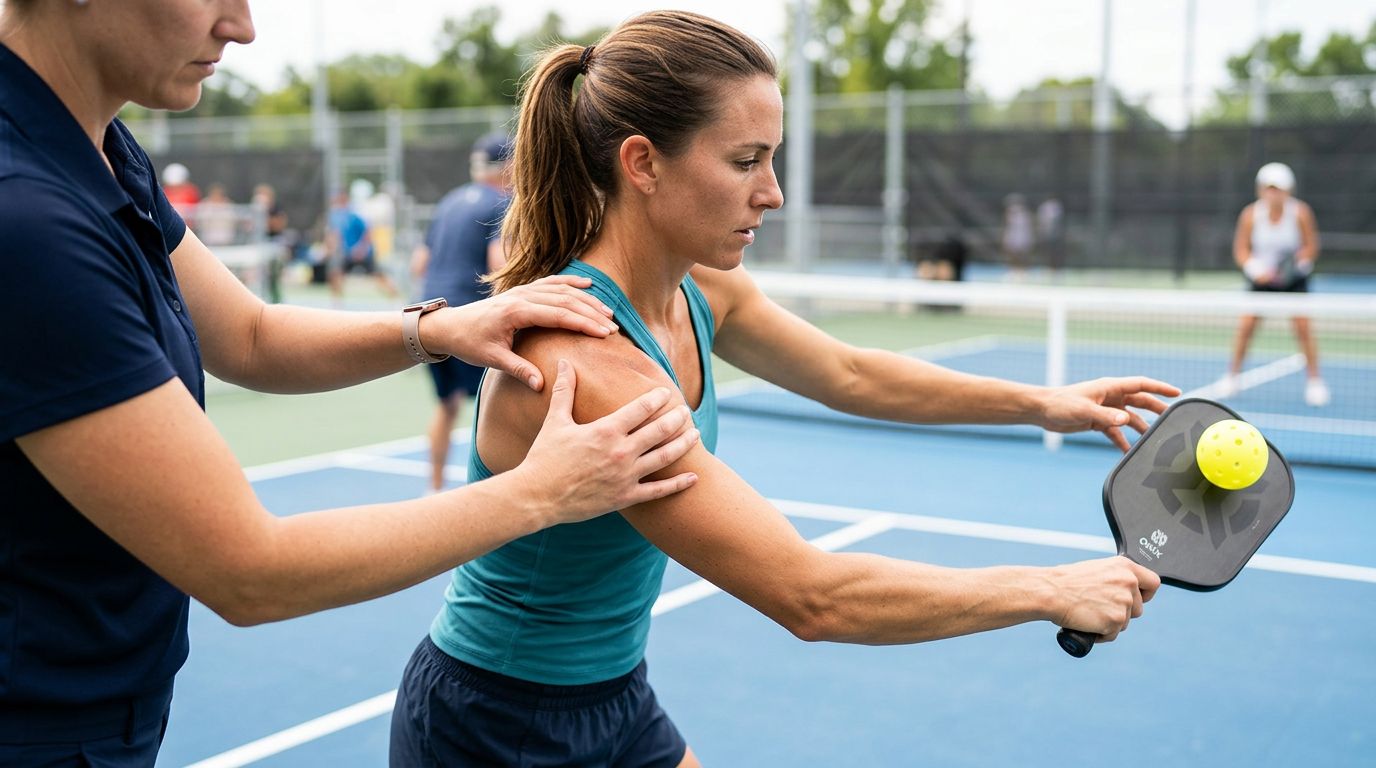
That makes it a natural fit for active people. You do not need to be a marathoner or a pro athlete. If you lift three times a week, take spin classes, run on weekends, or train hard enough to feel worn down, sports massage can help.
Its main strength is timing. A session can be adjusted to match what your body needs that week. Before training, it can help you feel looser and more ready to move. After training, it can calm overworked muscles and support recovery. During a tough training block, it can help you stay more mobile and less beat up.
Sports massage often works well when you feel:
- heavy, sore, or stiff after repeated workouts
- tight in several muscle groups at once
- restricted in movement, but not stuck in one single knot
- run down from training volume
It also works well for people whose bodies change week to week. One week your calves are the problem. Next week it's your chest and shoulders. Sports massage can shift with that.
For people looking for sports massage for gym recovery , a tailored session can focus on fatigue, mobility, and the muscle groups you use most.
Here is the key point: sports massage is not always lighter than deep tissue. Sometimes it includes deep work. The difference is the goal. Sports massage is usually planned around performance, movement, and recovery from activity.
Deep tissue vs sports massage for common gym goals
A quick side-by-side view makes the choice easier.
| Gym recovery goal | Better fit | Why |
|---|---|---|
| One stubborn knot in the shoulder or back | Deep tissue | It targets built-up tension in a specific area |
| Whole-body soreness after a hard training week | Sports massage | It supports overall recovery and movement |
| Tight hips affecting squat depth for weeks | Deep tissue | It helps address a long-standing restriction |
| Heavy legs after running or lower-body days | Sports massage | It works well for active recovery and circulation |
| Pre-event tune-up or mobility boost | Sports massage | It can prepare muscles without overworking them |
| Old tension plus current training fatigue | A blended approach | Some sessions combine both styles |
The takeaway is simple. Pick deep tissue when one area feels glued down. Pick sports massage when your body feels trained, taxed, and in need of a reset.
The best massage is not the hardest one. It's the one that matches what your body needs this week.
Timing matters too. Deep tissue often makes the most sense when you can recover after it. Sports massage is easier to place around active weeks because the pressure and pace can be adjusted.
Your symptom pattern matters just as much. If your pain is sharp, swollen, or comes with tingling or numbness, get medical advice first. Massage helps muscle recovery, but it should not replace proper care for an injury.
There is also plenty of overlap. A skilled therapist may use sports massage methods on most of the body, then switch to deeper work on one trouble spot. That blended approach is common because real bodies do not fit neat labels.
So if you are stuck on deep tissue vs sports massage, ask one question first: am I dealing with stubborn tension or training fatigue ? Your answer usually points to the right session.
If your body feels like concrete in one place, go deep. If your whole system feels overworked, go with sports massage.
Choosing between deep tissue and sports massage does not have to feel like guesswork. Deep tissue is best for focused, long-term tightness. Sports massage is better for active recovery, mobility, and keeping up with training.
The smartest choice is the one that matches your current goal, not the one that sounds toughest. Listen to what your body is saying, then book the session that gives it the support it actually needs.
Recent Posts