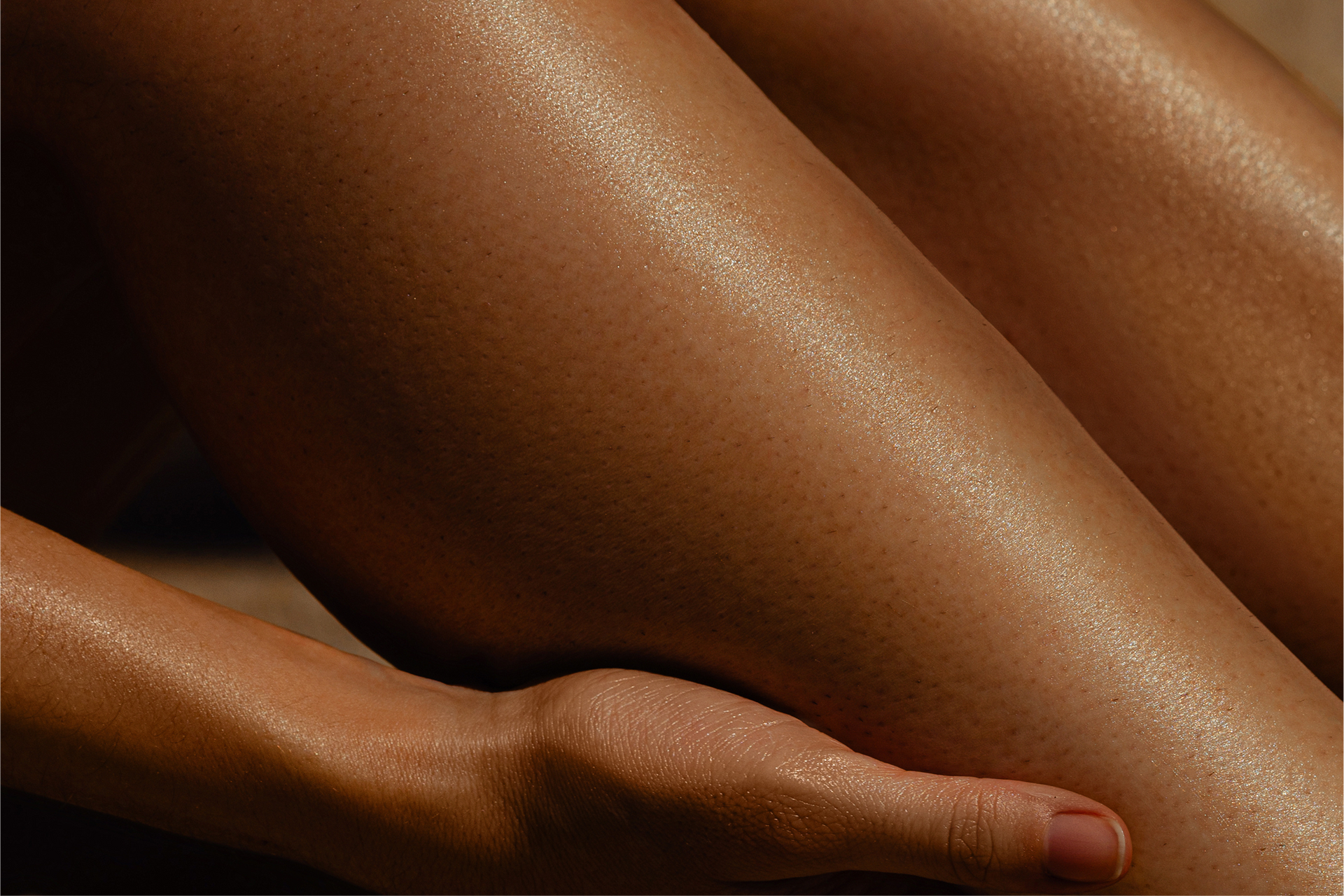

Dermaplaning for Peach Fuzz and Rough Texture: What to Expect

STILL Massage + Skin • May 17, 2026

Share this article

If makeup catches on tiny hairs or dry patches, you're not imagining it. Dermaplaning peach fuzz concerns usually show up as dullness, uneven texture, or foundation that looks heavier than it should.

This treatment can help the skin feel smoother and look more even right away. It also sounds more intense than it usually feels, which is why many first-timers are surprised by how simple the visit is.

Why dermaplaning helps peach fuzz look lighter and skin feel smoother

Dermaplaning is a manual exfoliation treatment. A trained provider uses a sterile blade to remove dead skin cells and vellus hair, which is the soft, fine hair many people call peach fuzz.

That matters because peach fuzz can catch light and makeup. Dead skin can do the same. When both are removed, the surface often looks brighter and feels less rough.

The biggest change is often texture, not hair growth. Hair is removed at the surface, so skin can feel instantly softer.

Dermaplaning can also help skin care products sit better on the face. Serums may spread more easily, and makeup often blends with less patchiness. That said, the smooth feel is temporary, and regular skin care still matters.

Rough texture does not always mean the same thing for every person. Sometimes it comes from dryness. Sometimes it comes from buildup. Sometimes it is a mix of both. Dermaplaning can help with all three when the skin is a good fit for treatment.

What a dermaplaning appointment feels like

A first appointment is usually calm and straightforward. Most people expect a sharp sensation, but the treatment is more controlled than painful.

Before your service

Your provider should look at your skin first. They may ask about breakouts, recent sun exposure, retinoid use, or any irritation. That quick check matters because dermaplaning works best on skin that is fairly calm.

The face is usually cleansed before treatment. After that, the provider may hold the skin taut and begin with short, light strokes. You may hear a soft scraping sound, which is normal.

During the treatment

The blade glides across dry skin in a steady pattern. You might feel light pressure or a faint scratching sensation. Most people do not describe it as painful.

The process often takes less time than a full facial. Even so, it should never feel rushed. A good provider moves carefully around sensitive areas like the nose, chin, and upper lip.

Right after

Your skin may look fresh and feel very smooth. Some people notice a slight pink tone for a short time. Others walk out with no visible redness at all.

The result can be subtle in the mirror and obvious to the touch. Makeup often looks different the same day, especially if your main issue was flaky texture or peach fuzz around the cheeks.

What to expect in the first 24 to 72 hours

After dermaplaning, skin often feels clean and polished. It may also feel a little more exposed for a short time, so gentle care helps.

A few simple habits make the recovery easier:

  • Use a mild cleanser and lukewarm water.
  • Apply a gentle moisturizer if your skin feels dry.
  • Wear sunscreen every day, since fresh skin can be more sun-sensitive.
  • Skip scrubs and strong exfoliants until your provider says it's okay.

If your skin gets a little pink or tight, that usually settles fast. However, if you feel burning, see swelling, or notice lingering irritation, call the spa and ask what to do next.

You may also want to keep your routine simple for a day or two. Heavy acids, retinoids, and harsh masks can be too much right after treatment, especially if your skin leans sensitive.

Many people book dermaplaning before an event because makeup sits well afterward. Foundation often looks smoother, blush blends more easily, and powder doesn't grab onto dry spots as much.

Dermaplaning vs shaving, waxing, and microdermabrasion

People often compare dermaplaning with other hair removal and exfoliation methods. The best choice depends on what you want most, whether that is softness, hair removal, or deeper resurfacing.

Here's a simple side-by-side look:

Treatment Best for What it feels like Typical result
Dermaplaning Peach fuzz and surface texture Light blade strokes on dry skin Smoother skin and less visible fuzz
Shaving Quick at-home hair removal Easy and familiar Hair removal only, little exfoliation
Waxing Longer-lasting hair removal Pulling sensation Removes hair from the root, not dead skin
Microdermabrasion Texture and dullness Gritty suction or polishing feel More focused exfoliation, no hair removal

Dermaplaning is different because it handles two issues at once. It removes the fine hair that can blur makeup, and it also clears away dead surface cells.

Waxing pulls hair from the root, so it is a stronger hair-removal method. It does not create the same smooth, exfoliated finish. Shaving is easier to do at home, but it does not clean up texture in the same way.

Microdermabrasion can help rough skin, but it does not remove peach fuzz. For some people, that makes dermaplaning the better fit. For others, the right choice is a different facial service entirely.

Who gets the best results, and who should wait

Dermaplaning tends to work well for people who want a softer surface without a harsh process. It can be a smart choice if your skin is dry, your makeup sits unevenly, or you want a polished look before a trip or event.

It can also be helpful if peach fuzz bothers you more than you expected. Fine hair may seem minor, but it can change how skin looks in direct light. That is often why people notice the difference so quickly.

Still, not every face is ready for the service on every day. A provider may postpone treatment if you have active acne, open skin, sunburn, or a rash. Very irritated skin also needs a break first.

If you recently had a stronger peel, laser treatment, or aggressive exfoliation, mention it before booking. Timing matters. Skin that is already stressed can get more reactive if too many services happen too close together.

When in doubt, a consultation is the safest place to start. A good esthetician will look at the skin in front of them, not just the service menu.

How dermaplaning fits into a larger facial plan

Dermaplaning can stand alone, but it also fits well inside a custom facial plan. Once the top layer of buildup is gone, skin care steps often feel more effective and more targeted.

That is one reason many clients pair it with professional facial treatments. A hydrating mask, calming serum, or gentle exfoliation plan can be chosen around your skin's current needs instead of guessed in advance.

The right add-ons depend on your skin that day. Someone with dryness may need moisture and barrier support. Someone with congestion may need a different path. Someone getting ready for an event may want glow and softness without extra irritation.

This is where professional guidance helps. Dermaplaning can give you a clean starting point, but the rest of the facial should match your skin, not a preset formula.

How often to book dermaplaning

Most people do not need dermaplaning every week. The treatment is often spaced out so the skin has time to settle and the hair can grow back naturally.

A common rhythm is every few weeks, but your provider may suggest something different based on your skin, your goals, and how quickly your peach fuzz returns. Some clients schedule it before special events. Others keep it on a regular maintenance plan.

If your skin is sensitive, less frequent visits may work better. If texture and makeup wear are your main concerns, a consistent schedule can help keep the surface looking smooth.

The key is to watch how your skin responds. Good results should leave your face calm, not stripped.

Conclusion

Dermaplaning can make peach fuzz less noticeable and rough texture easier to manage. It also gives many people a smoother base for makeup and daily skin care.

The appointment itself is usually quick, light, and more comfortable than people expect. Afterward, gentle care and sun protection help keep the skin looking its best.

If your main goal is a cleaner, softer surface, dermaplaning can be a simple way to get there without overcomplicating your routine.

Recent Posts

By STILL Massage + Skin June 2, 2026
Upper back knots can turn ordinary things into work. A desk chair feels harsher. A deep breath can pull. Even carrying groceries can wake up the same sore spot again. Both trigger-point massage and myofascial release can help, but they do not work the same way. One goes after...

By STILL Massage + Skin June 1, 2026
Hours at a mouse can leave your hand sore in a spot that feels oddly specific, right between the thumb and index finger. That little web of muscle does more work than most people realize. When it gets tight, clicking, dragging, and gripping start to feel heavy. A gentle first...

By STILL Massage + Skin May 31, 2026
A long walk should leave you tired, not aching on the outside of your hip. When side hip pain shows up after a few miles, it often points to a small muscle that has been doing more than its share of the work. The glute minimus sits deep in the outer hip and helps steady your p...
By STILL Massage + Skin May 30, 2026
After a long stretch on your phone or laptop, your forehead can feel tired in a way that's hard to ignore. The skin may look normal, but the muscles above your brows can feel tight, heavy, or slightly sore. That's where frontalis massage can help. It gives the forehead a break...

By STILL Massage + Skin May 29, 2026
Pilates can leave your core feeling strong, stable, and a little locked up. If the front of your abdomen feels tight after class, you may be holding tension in the rectus abdominis , the long muscle that runs down the front of your stomach. That tight, braced feeling often sho...
By STILL Massage + Skin May 28, 2026
Ball of foot pain can turn an easy walk into a careful shuffle. If the ache sits under the front of your foot, the flexor digitorum brevis may be part of the problem. This small muscle helps bend your toes and support the arch. When it gets tight, irritated, or overworked, eve...
By STILL Massage + Skin May 27, 2026
Hours in a chair can leave your hips feeling like they forgot how to open. When the discomfort sits deep in the front of the hip, stretching harder usually makes it worse, not better. That tight, stuck feeling often points to the iliacus, a deep hip flexor that works every tim...

By STILL Massage + Skin May 26, 2026
One afternoon in the yard can leave your low back feeling twisted, locked, and irritated on just one side. That kind of pain often shows up after repeated bending, lifting, raking, or hauling bags of mulch. A multifidus massage can help when the tightness comes from deep spina...

By STILL Massage + Skin May 25, 2026
A tight outer forearm after tennis, pickleball, squash, or badminton can make even simple things feel awkward. Turning a door handle, holding a coffee cup, or picking up your racquet can all pull on the same sore spot. The supinator massage approach focuses on a small muscle t...
By STILL Massage + Skin May 24, 2026
Chronic tension can feel small at first, then it spreads into your neck, shoulders, back, jaw, or hips. That is why the choice between full-body massage and targeted work matters more than many people think. The best chronic tension massage is not always the strongest one. It...

Show More