Sports Massage for Pickleball Shoulder Pain and Tight Forearms
Pickleball shoulder pain can show up after a few matches, then hang around long after you leave the court. The same goes for tight forearms, especially when your grip never seems to relax and your shoulder keeps bracing for the next shot. Sports massage can help ease that overload by loosening stubborn tissue, improving circulation, and giving tired muscles a better chance to recover.
If your arm feels heavy after play, or your shoulder aches on serves and overheads, your body is telling you something. The fix often starts with a better look at what pickleball does to the shoulder, forearm, and grip.
Why pickleball puts stress on shoulders and forearms
Pickleball looks light at first glance, but the movements repeat fast. You hold the paddle for long stretches, reach across your body, absorb quick hits, and react with short bursts of force. That adds up.
The shoulder works as a stabilizer on almost every shot. Even when the motion feels small, the rotator cuff, upper back, and shoulder blade muscles keep your arm in position. When those tissues get tired, the front of the shoulder and the top of the neck often start to complain.
Forearms take a different kind of beating. You squeeze the paddle, snap the wrist, and rotate the arm again and again. Over time, the flexor and extensor muscles can feel hard, tender, and stiff.
Common patterns include:
- A dull ache in the front or side of the shoulder after play
- Tightness when reaching overhead or across the body
- Burning or fatigue in the forearm during longer rallies
- Grip tension that seems hard to release
- Soreness near the elbow after repeated hard hits
A lot of players try to ignore these signs. That usually makes the tissue work harder next time.
How sports massage helps the sore spots
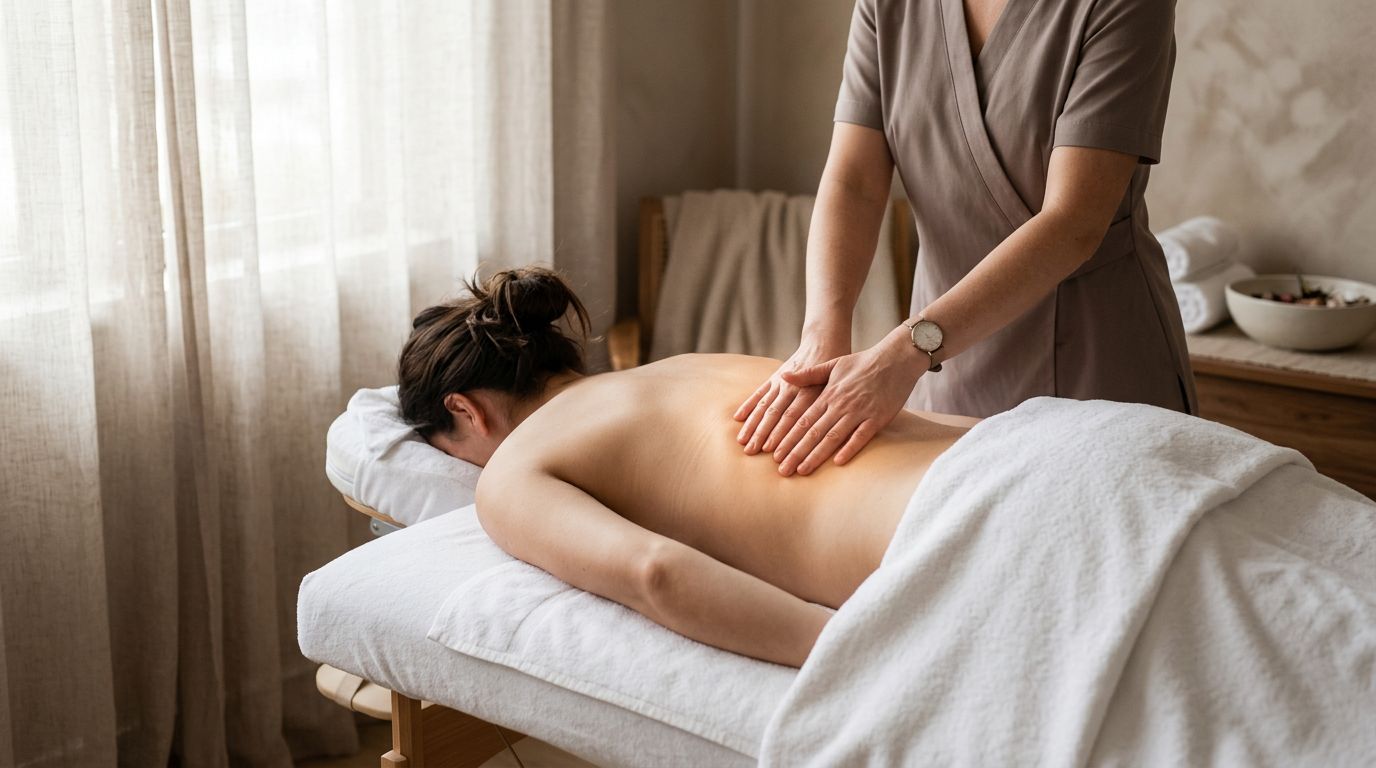
Sports massage uses targeted pressure and movement to calm overworked areas. It's not a magic fix, but it can change how your shoulder and forearm feel before the next match. The goal is simple, reduce strain and help the muscles move with less resistance.
Shoulder work that supports better motion
When a shoulder gets tight, the problem is often bigger than the sore spot itself. Tight chest muscles can pull the shoulder forward. A stiff upper back can limit how the shoulder blade moves. The result is a joint that feels crowded and touchy.
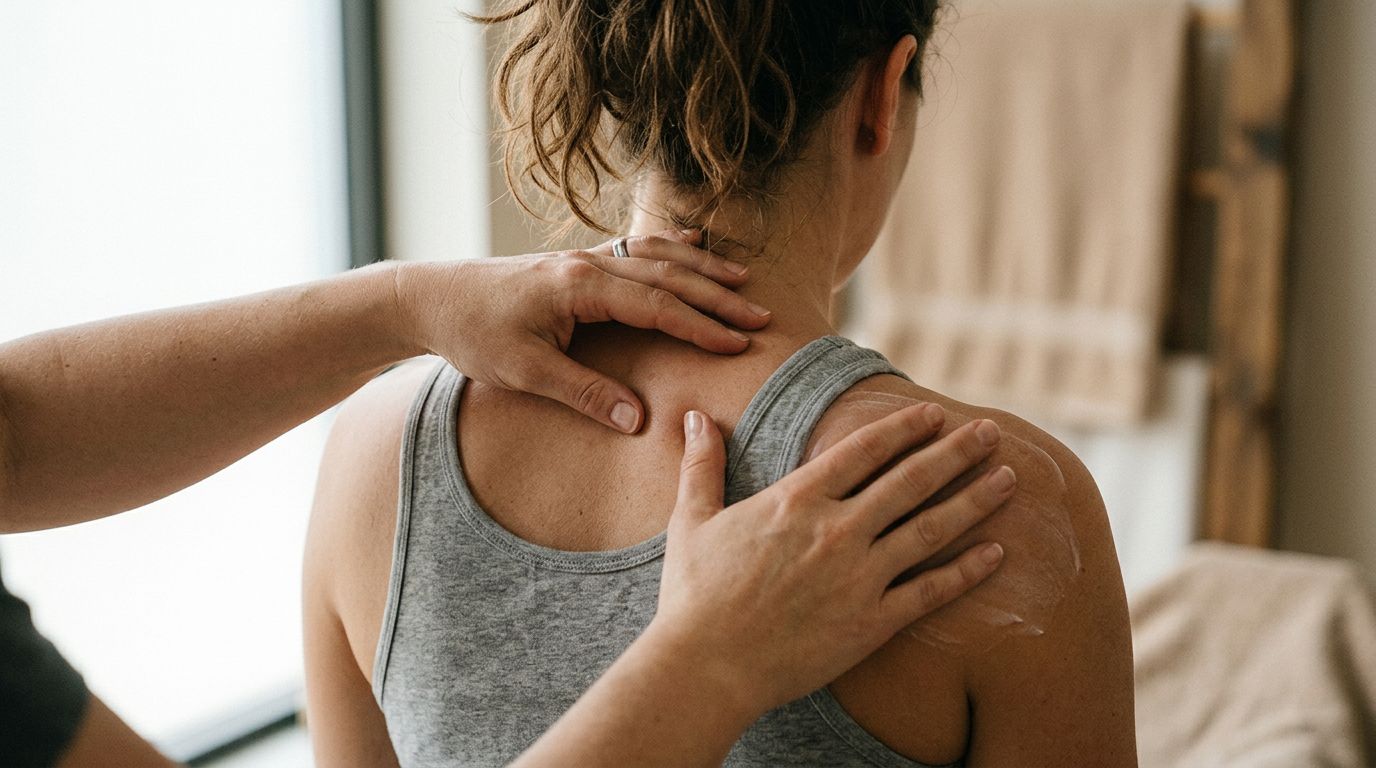
A therapist may work the pecs, deltoids, upper traps, and muscles around the shoulder blade. That can help the arm lift more smoothly and reduce the feeling of pinching during overhead shots. In some cases, the neck also needs attention because it joins the same chain of tension.
Forearm work that eases grip strain
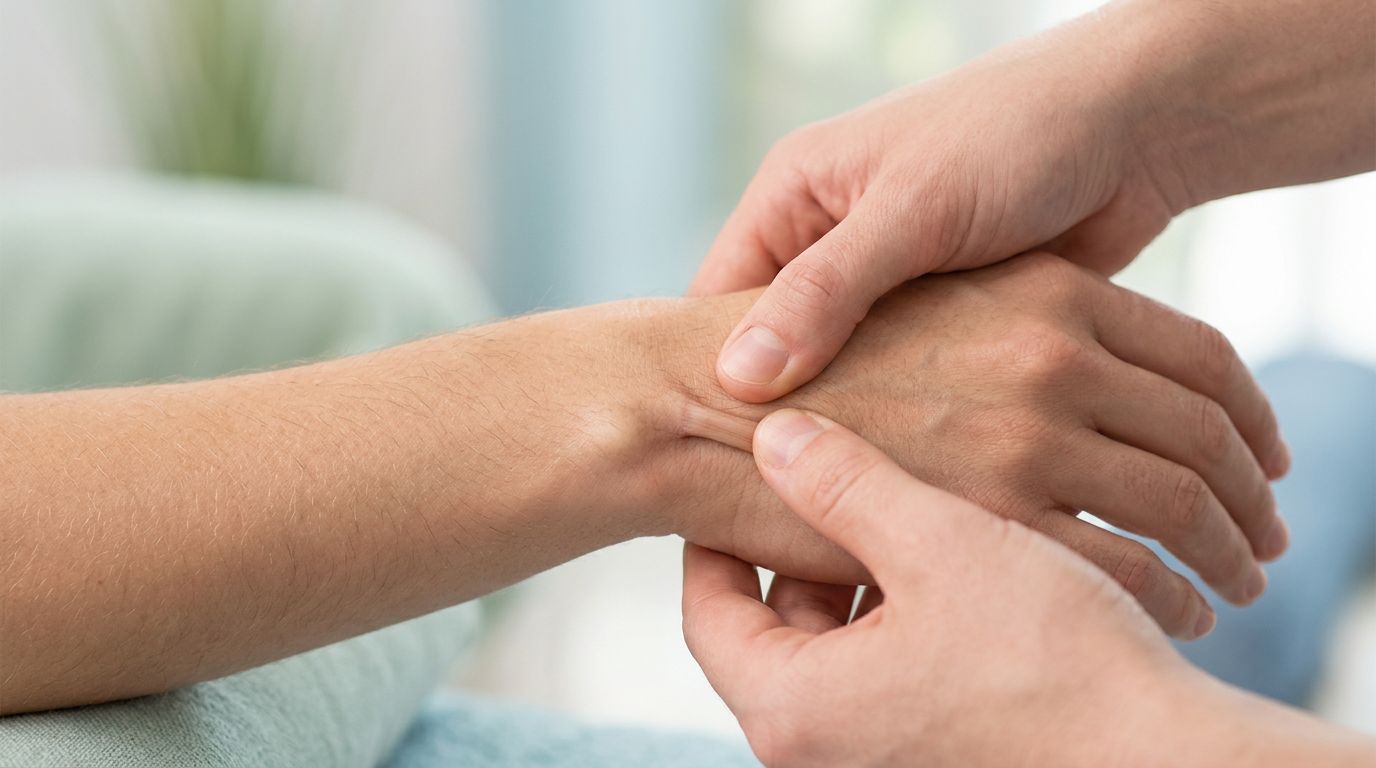
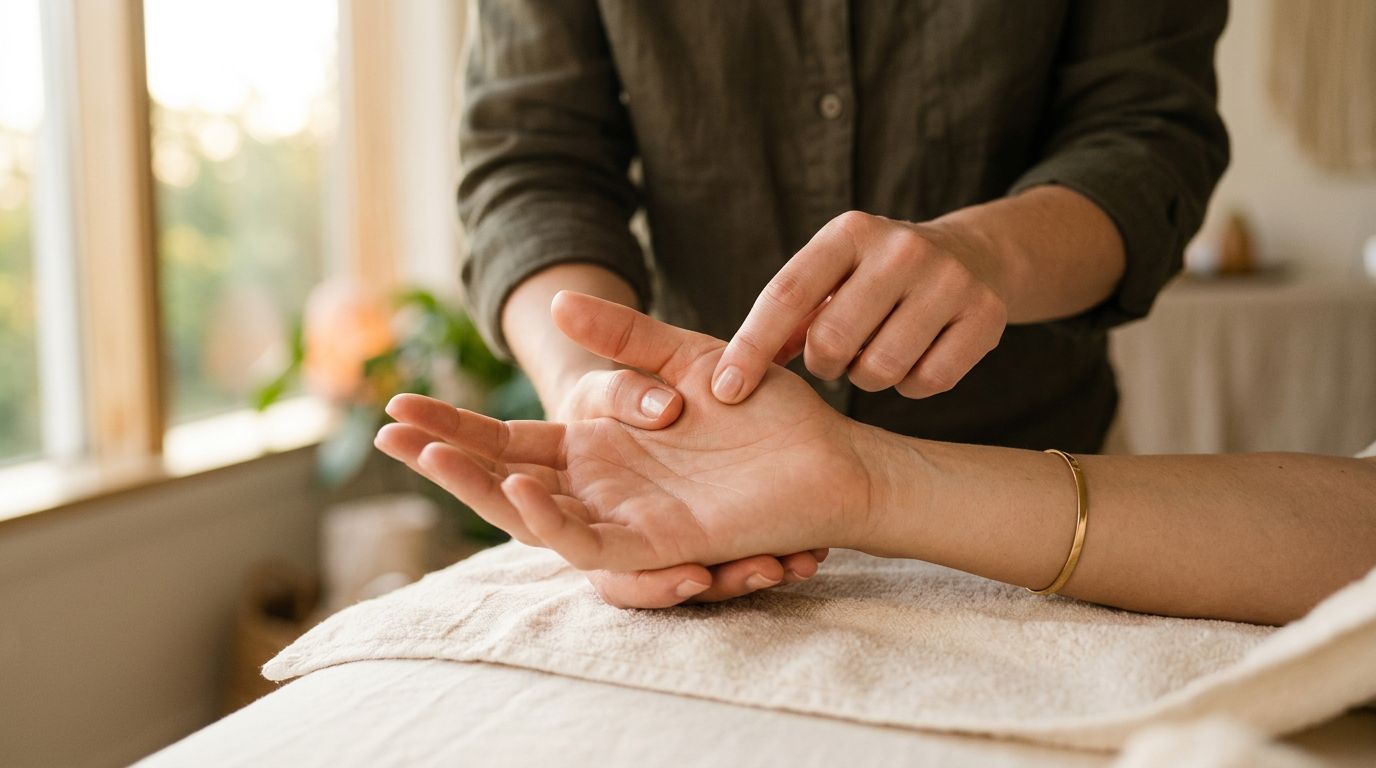
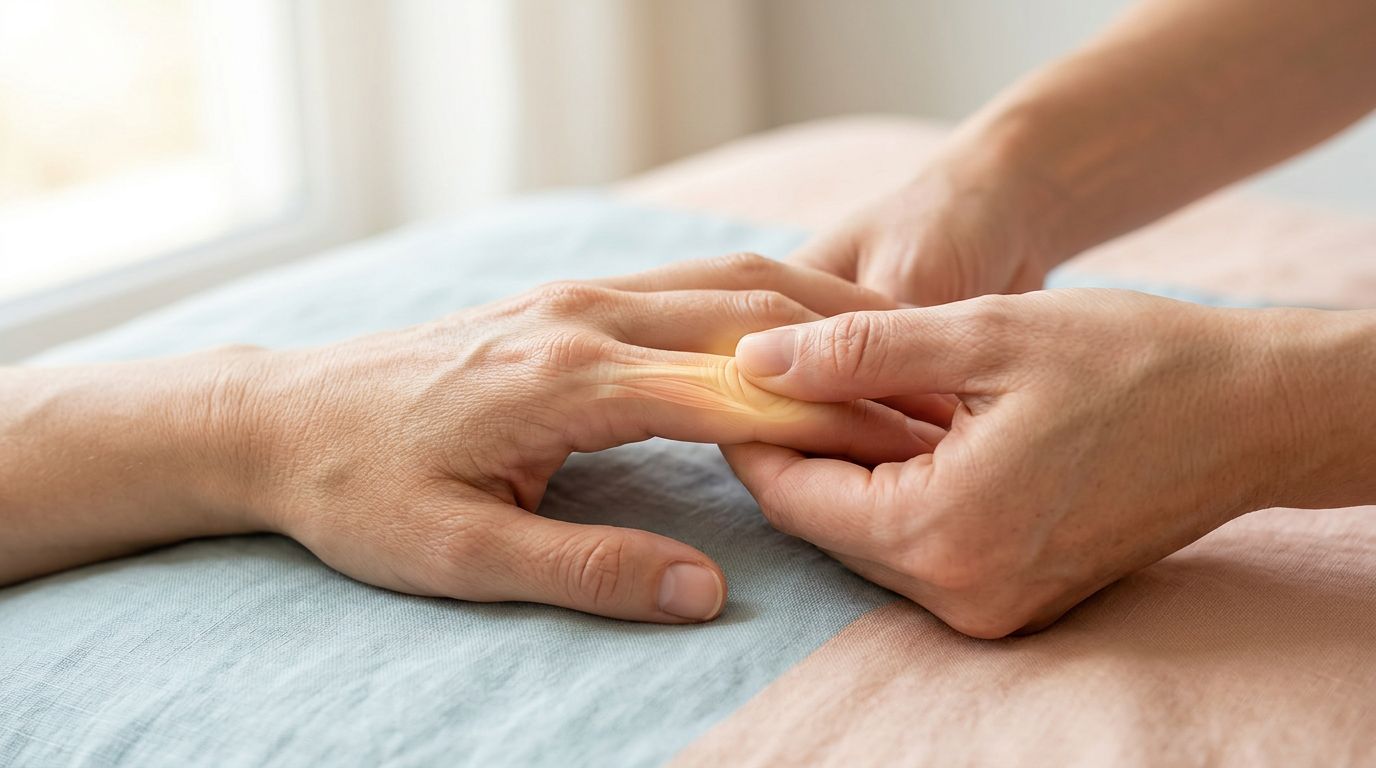
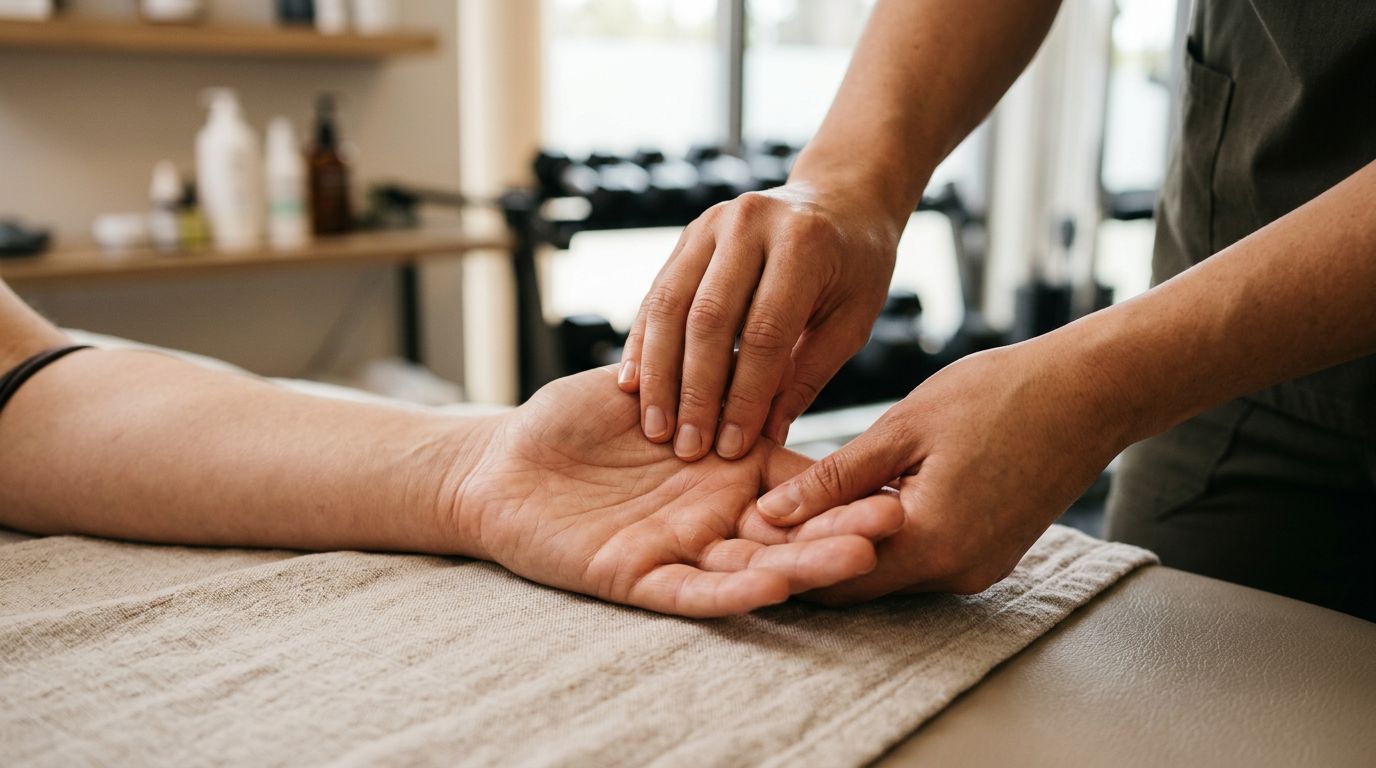
Forearms often respond well to direct pressure. The tissue can feel ropey when you press into it, especially after back-to-back games. Massage can help release the flexors on the palm side and the extensors on the back side of the forearm.
That matters because a tighter forearm changes the way you hold the paddle. Your hand may clamp down harder than it needs to. Once that pattern eases, your grip can feel lighter, and the elbow often gets less strain too.
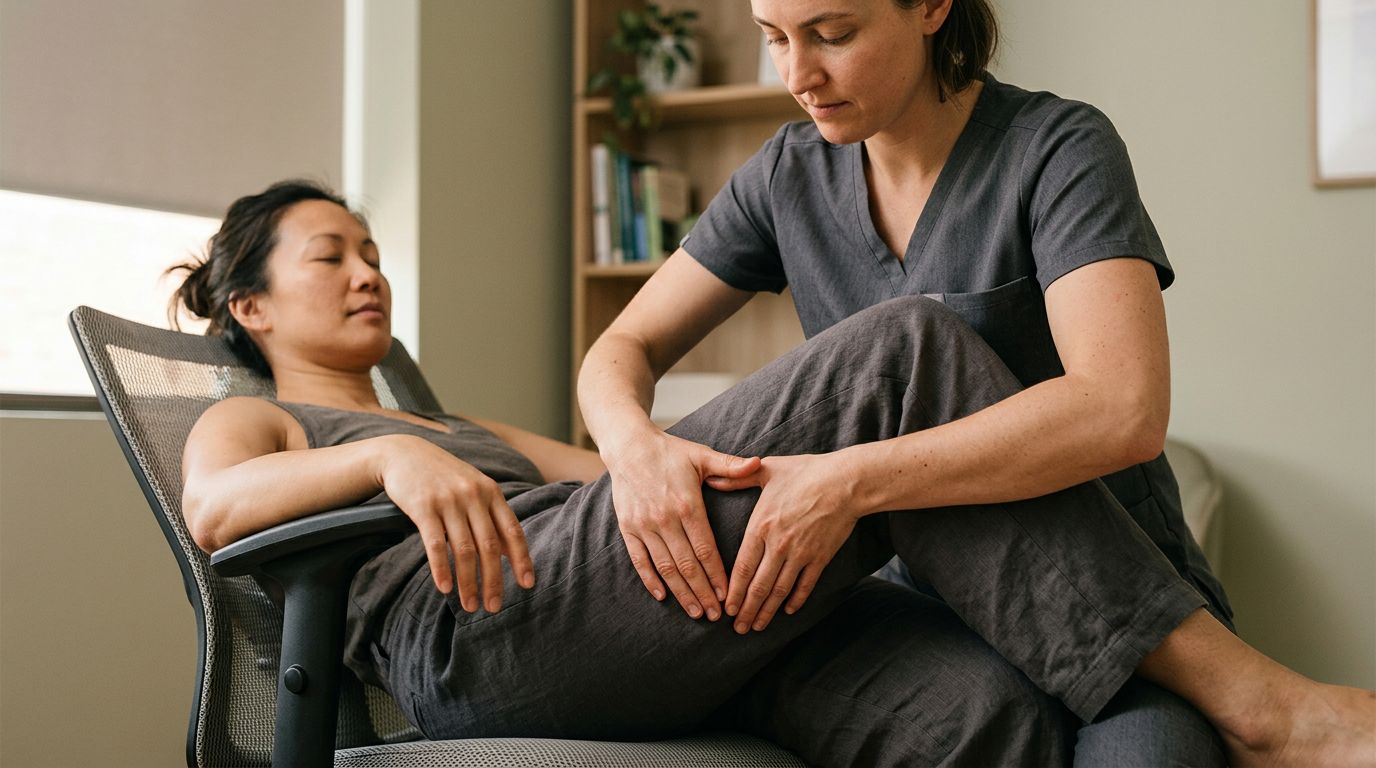
If you want a session shaped around your body, customized massage therapy treatments can focus on the shoulder, forearm, and grip muscles that work hardest in pickleball.
If pain keeps returning in the same place, the tight muscle is often only part of the story. The way you move, hold the paddle, and recover between games matters too.
The best sessions usually combine local work with bigger patterns. That might include the upper back, chest, neck, and even the hand. When those areas loosen together, the shoulder doesn't have to do all the work.
What a pickleball-focused massage session may look like
A good session starts with a quick conversation. Where does it hurt? What shots make it worse? Does the pain show up during play, or later that night? Those answers help shape the session.
Then the therapist may check how your shoulder moves and how your forearm feels under pressure. That helps them find the spots that stay tight even when the pain seems to move around.
Here's a simple look at where the work often goes:
| Problem area | What it may feel like | Common massage focus |
|---|---|---|
| Shoulder | Ache on serves, overheads, or reaching | Chest, deltoids, rotator cuff area, upper back |
| Forearm | Burning, gripping fatigue, stiffness | Flexors, extensors, wrist muscles, elbow attachments |
| Upper back | Tight neck, rounded shoulders, limited reach | Traps, shoulder blade muscles, mid-back |
The takeaway is straightforward. When the shoulder blade and forearm muscles stop fighting each other, movement often feels easier.
During the session, pressure should feel firm but workable. It should not feel sharp or numb. Good sports massage gets into the tissue without making you brace against it. Afterward, you may feel looser right away, or you may notice the change later that day.
What you can do between sessions
Massage works best when you support it with a few simple habits. The good news is that you don't need a big routine to make a difference.
- Warm up your shoulders and wrists before you play.
- Relax your grip between rallies instead of squeezing all match long.
- Stretch the forearm flexors and chest after you finish.
- Take short breaks during long sessions so the same muscles don't stay locked in place.
- Drink water and eat enough protein so your body can recover well.
Small changes matter because pickleball pain builds through repetition. If you keep hitting with the same tight pattern, the same areas keep taking the load.
Paddle choice can matter too. A grip that's too small may make you clench harder. A paddle that feels too heavy can make the shoulder fatigue sooner. Even small gear changes can take pressure off sore tissue.
Heat before play and gentle self-massage after play can also help. Use them to soften the area, not to force anything. If a movement hurts every time, stop pushing through it.
When shoulder pain needs more than massage
Massage helps with muscle tension, but not every shoulder problem is just tight tissue. Some pain points to a bigger issue, especially if it gets worse instead of better.
Pain that wakes you up, causes weakness, or limits normal daily movement needs a closer look.
Watch for numbness, swelling, sharp pain, or a shoulder that feels unstable. Also pay attention if you can't lift your arm like you used to, or if pain spreads down the arm in a strange way. Those signs deserve an evaluation from a medical professional or physical therapist.
Massage can still be part of the plan, but it should fit the bigger picture. That's especially true if the pain keeps coming back after you rest. A mix of treatment, movement changes, and smart recovery usually works better than forcing more play.
A better way to recover after pickleball
Pickleball asks a lot from small muscles that people rarely think about until they start aching. The shoulder needs control, the forearm needs endurance, and the grip needs to stay loose enough to avoid extra strain.
When those areas get targeted with sports massage , the body often feels less locked up and more ready for the next round. That makes recovery feel less like guesswork and more like part of the game.
Recent Posts