
Infraspinatus Massage for Deep Rear Shoulder Pain Relief
That deep ache in the back of your shoulder can feel oddly hard to reach. You move your arm, stretch a little, maybe rub the top of the shoulder, yet the pain stays tucked behind the joint.
Often, the sore spot sits in the infraspinatus , one of the rotator cuff muscles on the back of the shoulder blade. When this muscle gets tight or irritated, it can cause pain that feels stubborn, sharp, or oddly far-reaching. That's where infraspinatus massage can help.
Why the infraspinatus causes deep rear shoulder pain
The infraspinatus lives on the back of the shoulder blade. Its main job is to help rotate your arm outward and keep the shoulder joint steady. That sounds simple, but this muscle works all day during reaching, lifting, driving, typing, and sleeping on one side.
When it gets overworked, it can develop tight bands and tender points. Then the pain rarely stays neat and local. You may feel it in the back of the shoulder, down the upper arm, or near the outer shoulder.
This is why deep rear shoulder pain can be so confusing. The problem may not be the joint itself. Instead, the muscle behind it may be the real source.
Common triggers include long hours at a desk, repeated overhead work, strength training with poor form, and old shoulder strain that never fully settled down. Even stress plays a role. Many people hold their shoulders stiff without noticing.
A tight infraspinatus often creates a familiar pattern:
- Pain deep in the back of the shoulder
- Soreness when reaching behind your back
- Discomfort when lifting the arm out to the side
- A dull ache at night, especially side-sleeping
- Tender spots on the back of the shoulder blade
If your pain feels deep, nagging, and hard to stretch out, the infraspinatus is often worth checking.
Of course, not every rear shoulder problem comes from this muscle. Joint irritation, bursitis, tendon tears, or neck issues can feel similar. Still, massage therapists often find that releasing the infraspinatus changes pain faster than people expect.
That's because this muscle can act like a clenched fist behind the shoulder. Until it softens, the joint may keep feeling pinched, weak, or guarded.
How infraspinatus massage works, and what it should feel like
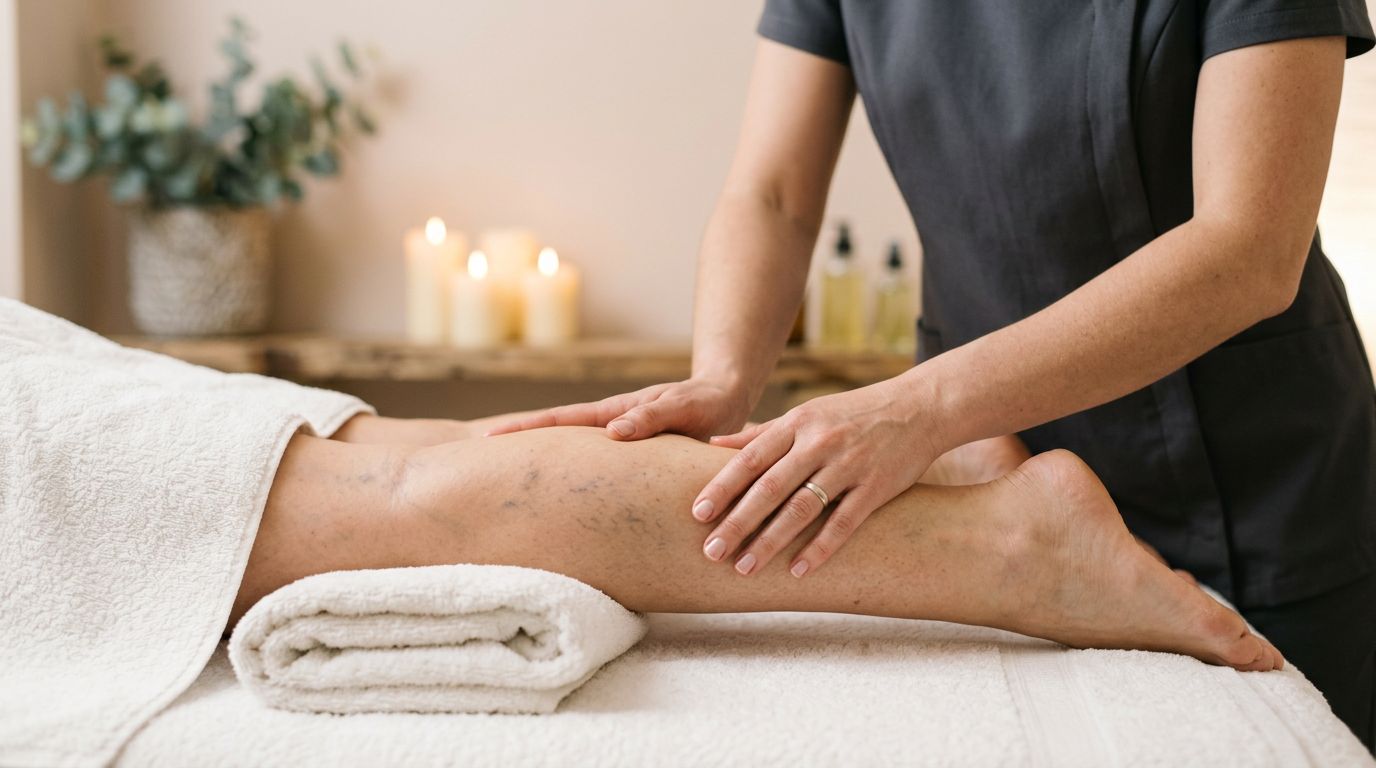
Infraspinatus massage targets the broad muscle on the back of the shoulder blade, not just the top of the shoulder. A skilled therapist usually works with slow pressure, cross-fiber strokes, and trigger point release. The goal is not to crush the tissue. The goal is to help the muscle let go.
Done well, the pressure often feels "good painful." You may notice a tender point that refers pain toward the front or side of the shoulder. That can feel surprising, but it's common with this muscle.
The best sessions usually start gently. If the muscle is already irritated, aggressive pressure can make it guard harder. Instead, steady work gives the nervous system time to relax. Then the tissue often softens, and arm movement feels easier.
During a session, a therapist may also work nearby muscles. The posterior deltoid, teres minor, upper traps, and pecs often join the problem. Shoulder pain rarely lives in one spot alone.
A good infraspinatus massage may help with:
- Better shoulder rotation
- Less pain when reaching overhead
- Easier side-sleeping
- Reduced referral pain into the upper arm
- A looser, lighter feeling in the back of the shoulder
Still, one session is not always enough. If the muscle has been tight for months, it may take a few treatments plus home care. Think of it like untangling a knot in a rope. One pull helps, but repeated gentle work usually gets the best result.
If you want to try self-massage between appointments, keep it simple:
- Stand against a wall with a massage ball placed on the back of the shoulder blade.
- Lean in slowly until you find a tender, deep spot.
- Hold for 20 to 30 seconds, then breathe and let the pressure ease.
Don't roll fast or press until you brace. If your face tightens and your breath stops, back off.
When massage helps most, and when you should get checked
Infraspinatus massage works best when the pain comes from muscle tension, overuse, trigger points, or movement strain. In those cases, people often notice better range of motion right away, even if some soreness remains.
It also helps when the shoulder feels weak because of pain, not because of a major tear. Once the muscle calms down, your arm often feels more stable.
That said, massage has limits. If you have sudden weakness, numbness, tingling, sharp pain after a fall, or major pain that won't let you lift your arm, get checked by a medical professional first. The same goes for pain with fever, swelling, or obvious joint deformity.
Massage can calm a stubborn muscle, but it can't fix every shoulder problem.
For everyday strain, pairing massage with light movement usually works better than massage alone. After the tissue releases, simple shoulder blade control and gentle external rotation exercises help the change last longer. Rest matters too, but complete rest for too long can make the shoulder feel stiffer.
A few habits also help keep the infraspinatus from tightening again. First, avoid hunching for hours. Next, change positions often. Also, be careful with high-volume overhead workouts when the shoulder already feels irritated. Even a small form change can reduce strain.
If you're booking a professional session, mention exactly where you feel the pain and what movements set it off. That gives the therapist a better map. Deep rear shoulder pain is common, but the details matter.
Massage is often most helpful when it's part of a smart plan. You calm the sore tissue, improve movement, and stop feeding the irritation. That's when the shoulder starts to feel normal again.
A calmer shoulder usually starts in the right spot
Deep rear shoulder pain often feels mysterious, but the source is sometimes simpler than it seems. When the infraspinatus is tight and tender, it can send pain across the shoulder and limit how your arm moves.
The good news is that infraspinatus massage can bring real relief when the muscle is the problem. Gentle, targeted work often beats random rubbing on top of the shoulder.
If that back-of-shoulder ache keeps coming back, don't ignore the pattern. The right hands, the right pressure, and the right follow-up can make that deep knot finally let go.
Recent Posts