Subscapularis Massage for Front Shoulder Pinching: What to Expect
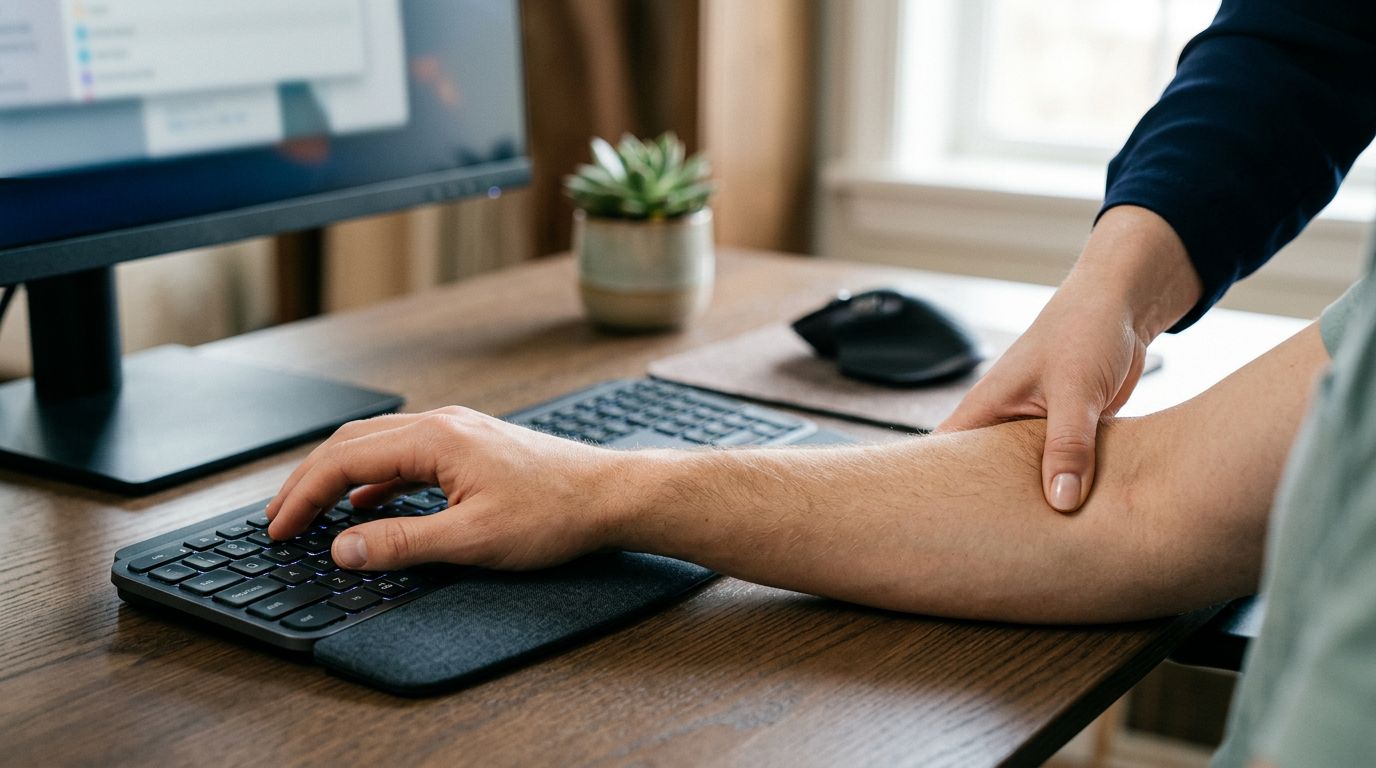
That sharp catch at the front of your shoulder can make a simple reach feel like a trap. If it shows up when you lift your arm, reach behind your back, or press something overhead, you may have heard that subscapularis massage can help.
Sometimes it can. Still, front shoulder pinching has more than one cause, so it helps to know what this muscle does, how massage feels, and when it makes sense to get more support.
Why the subscapularis can create that pinching feeling
The subscapularis is one of the four rotator cuff muscles. It sits on the front of the shoulder blade, tucked against the rib cage, and helps turn your arm inward. It also helps keep the top of your arm bone steady in the socket.
Think of it like a guide rope. When it moves well, the shoulder feels smooth and supported. When it gets tight or irritated, the shoulder can start to feel crowded.
That crowding often shows up as a pinch in the front of the shoulder. You may notice it during overhead reaching, chest pressing, swimming, throwing, or fastening a bra. In some people, the area feels deep and hard to point to. In others, it feels like a quick catch right in the front.
Still, the subscapularis rarely acts alone. The pecs, lats, biceps tendon, upper back, and even posture can change how the shoulder moves. If one part gets stiff, another part often pays for it.
That matters because not every front shoulder pinch means the subscapularis is the problem. Biceps irritation, shoulder impingement, labrum issues, or frozen shoulder can feel similar. So massage works best when it starts with a good hands-on assessment, not a guess.
A massage therapist may suspect this muscle if you feel pain with internal rotation, limited range when turning the arm outward, or tenderness deep near the front of the shoulder. Often, the shoulder also feels guarded, like it doesn't want to let go.
What a subscapularis massage session usually feels like
A good session starts with questions, not pressure. Your therapist will usually ask what movements trigger the pinch, how long it has been happening, and whether the pain came on slowly or after an injury.
Next, they may watch how your shoulder moves. You might lift your arm, reach behind your back, or rotate the arm in and out. That quick check helps narrow down whether the subscapularis seems involved.
If it does, direct work on that muscle usually isn't the first thing they do. Most therapists begin with nearby tissues because the shoulder works as a team. They may address the chest, back of the shoulder, neck, upper arm, or ribs first. That often makes the deeper work easier to tolerate.
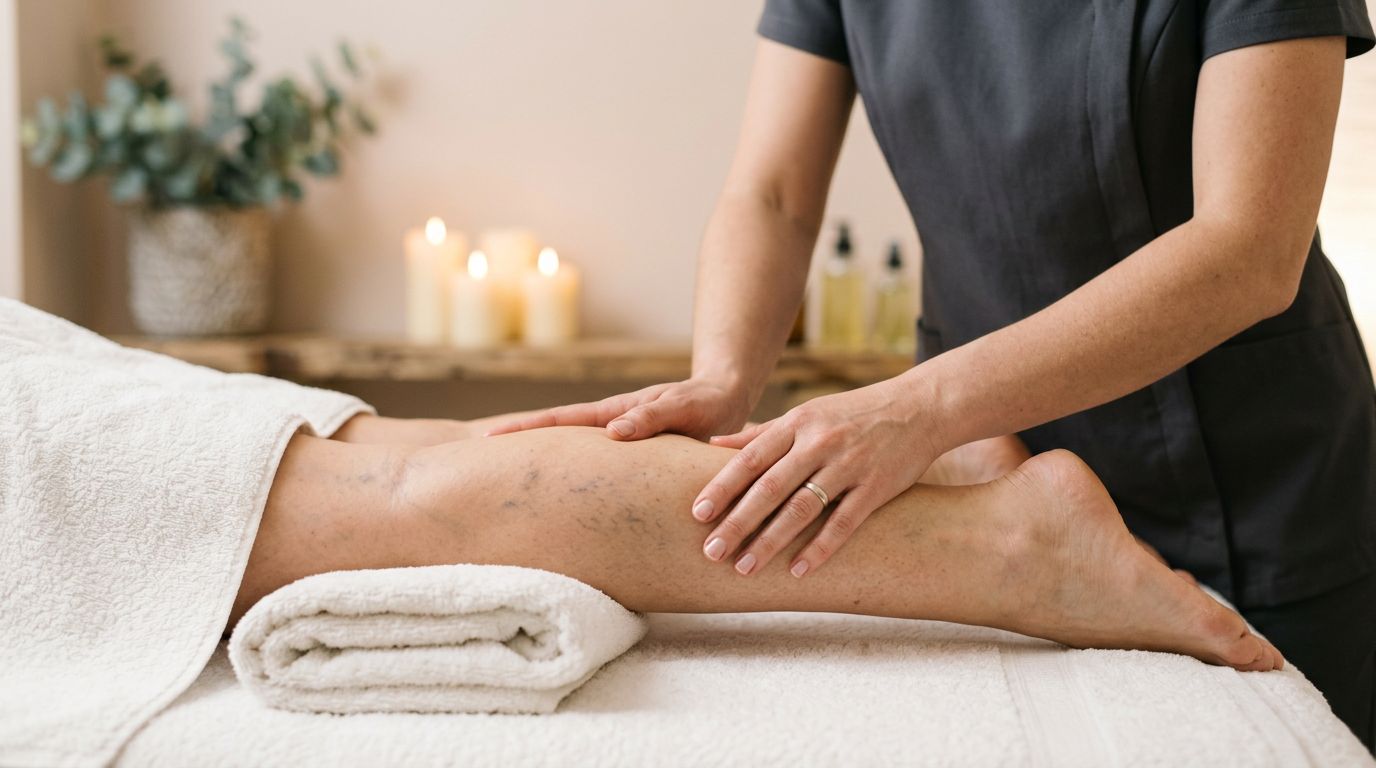
The actual subscapularis work can feel surprisingly focused. You may lie on your back or side with your arm relaxed. With clear consent and proper draping, the therapist may use their fingers near the armpit area or along the edge of the shoulder blade to contact the muscle.
Because the area is deep, the pressure often feels intense in a small spot. It can be tender, achy, or oddly relieving at the same time. Some people feel sensation travel into the back of the shoulder or down the arm. That isn't unusual, but it should still feel manageable.
A good subscapularis massage should feel precise , not punishing.
Your therapist may ask you to breathe slowly or move the arm between passes. They may also use short holds, gentle stretching, or active movement while they work. The goal isn't to overpower the tissue. It's to help it soften enough for the shoulder to move better.
Also, don't expect the whole session to focus on one tiny muscle. In many cases, broader targeted back and shoulder work gives the best result because it supports the whole pattern, not only the sore spot.
What you may feel after the massage, and when to get checked
After a subscapularis massage, some people feel looser right away. Reaching overhead may feel smoother. Turning the arm outward may feel less restricted. That said, instant relief isn't the only sign of progress.
Mild soreness later that day is common, especially if the muscle was guarded for a while. It often feels like post-workout tenderness and settles within 24 to 48 hours. The shoulder may also feel tired, warm, or slightly bruised without visible marks.
Gentle movement usually helps more than total rest. Easy arm circles, relaxed walking, and light daily use can keep the area from tightening again. On the other hand, a hard upper-body workout right after treatment can stir the irritation back up.
Results also vary based on why the muscle got angry in the first place. If the issue came from desk posture, repetitive lifting, stress tension, or training overload, massage may help a lot. If a tear, major inflammation, or joint problem is driving the pinch, massage may only provide partial relief.
That's why paying attention after the session matters. A useful treatment often leaves you with one of two changes, less pain, or better motion. Sometimes you get both. If you get neither, the shoulder may need a different plan.
Get medical care first, or soon after, if you notice any of these signs:
- Sudden injury or a popping feeling
- Noticeable weakness
- Numbness or tingling
- Pain that wakes you at night
- Trouble lifting the arm at all
Those signs don't always mean something serious, but they do mean massage alone may not be enough.
That front shoulder catch can feel stubborn, like a door that sticks every time you open it. Often, the answer isn't more force. It's better movement, smarter pressure, and a clear idea of what's feeding the pinch.
If the subscapularis is part of the problem, subscapularis massage can help the shoulder feel less guarded and more free. Start with a skilled assessment, pay attention to how your shoulder responds, and let that guide your next step.
Recent Posts